
You have established an exceptional culinary enterprise, have perfected your recipes, and your products are eagerly anticipated by consumers. Then, an unforeseen circumstance occurs: your handmade products arrive at you damaged, fused, or soiled as a result of food transportation. A single shipment will result in costs of hundreds of dollars in refunds and, more importantly, will damage your reputation, rendering it unsalvageable.
The Hidden Crisis in Food Shipping
Shipping mishaps cost food firms millions of dollars each year. When perishable items, particularly frozen meals, are damaged in transportation, you lose not only the product cost but also customer trust, health responsibility, and, in many situations, the expense of retrieving the product. One Instagram snapshot of melting chocolate or poor seafood may undo months of brand development.
Why Proper Shipping Matters for Your Brand
It’s not just a matter of moving things that go bad from point A to point B. It’s about keeping your promise to your brand, keeping your perishable items safe, and getting customers to stick with you. Whether it’s moving artisanal cheeses, fresh seafood, or frozen desserts, getting the logistics of perishability just right turns a cost center into a competitive advantage.
The Four Pillars of Successful Perishable Shipping
In order for the delivery of perishable food to be successful, it is necessary for the four essential components to collaborate successfully. First and foremost, in order to safeguard the product’s integrity, you must own a suitable shipping container that is equipped with temperature control.
In the second place, it has a shorter transit time, which guarantees that the temperature will remain constant and reduces the likelihood of the food rotting.
Third, labeling and carrier selection are made clear, which guarantees that the item will be handled appropriately along the journey. In conclusion, continual testing and optimization will assist you in optimizing your process while simultaneously allowing you to save money over the course of time.
Understanding Temperature Control Fundamentals
Shipping things that go bad depends on keeping the right temperature. During shipping, each type of product must be kept at a certain temperature. Fresh fruits and vegetables need to be kept at temperatures between 32 and 40 degrees Fahrenheit. Fresh meat needs to be kept at temperatures between 32 and 38 degrees Fahrenheit. Frozen food needs to be kept at temperatures below 0 degrees Fahrenheit. Chocolate products should be kept between 55 and 65 degrees Fahrenheit.
Creating Your Controlled Environment
It all depends on how each shipment is treated, with the temperature, humidity, and handling kept the same. This logical system makes shipping less of a game of chance. Think of your packaging with cold packs as a portable refrigerator that needs to work on its own for 24 to 72 hours.
Insulated Packaging: Your First Line of Defense
Your packaging system is the first line of defense against spoilage. Expanded polystyrene (EPS) coolers are made to hold a lot of cold air and keep things cold for a long time without costing a lot. These light containers are very well insulated and come in a range of sizes to fit your shipping needs.
Sustainable Packaging Alternatives
Recycled denim insulation, wool-feeling materials, and recycled paper products are all eco-friendly options that are also good for the environment. These kinds of materials might cost more in the short term, but they can help your brand stand out and attract customers who care about the environment.
Moisture Control Systems
Add moisture shields like poly liners and absorbent material to soak up condensation to keep moisture under control. Watertight plastic bags that can hold too much moisture can breed and make the product unsafe. Double bagging especially wet products helps keep them from leaking and contaminating other products in the same shipment.
Understanding Cold Source Options
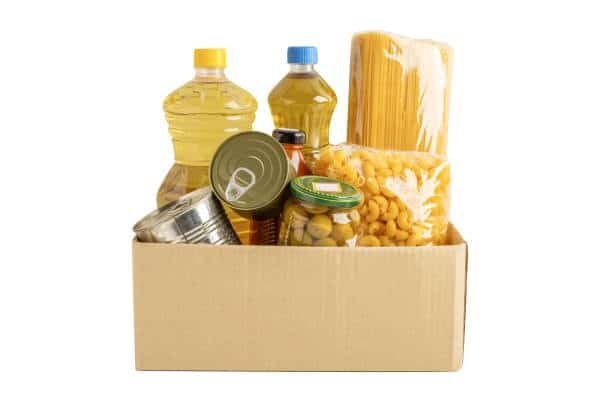
Cold sources depend widely on your needs for temperature and shipping time. Such a miscalculation may lead to a well-delivered product and a missed product altogether overnight delivery services.
Gel Ice Packs: The Versatile Choice
Gel ice packs are great for keeping things cold and can keep things between 32 and 40 degrees Fahrenheit for up to 24 to 48 hours. They can be used more than once, don’t hurt people when they leak, and come in different sizes. Phase-change gel packs can keep their temperatures more stable than regular ice.
Traditional Ice: Budget-Friendly but Messy
Traditional ice is less expensive and turns into water as it melts, which requires careful control of the humidity. It works well for short-haul shipping but not for long-haul shipping. Ice should only be used for shipping within a city or region where the shipping time is less than 24 hours.
Dry Ice: Powerful but Requires Expertise

Dry ice can keep things at temperatures below zero for 48 to 72 hours, so it’s good for shipping frozen food. Still, you have to be careful with it and follow certain rules when shipping things that go bad. When dry ice sublimates (turns from solid to gas), it gives off CO2 that needs to be let out. Never close packages all the way when using dry ice.
Dry Ice Safety and Regulations
When using dry ice, federal rules say that special labels must be used. These labels must include the UN identification number (UN1845) and the net weight. If you make mistakes when labeling, you might lose time in delivery or have your package returned. Teach your workers how to pack things safely and make sure there is enough air flow in the packing areas.
Creating Your Cold Source Selection Matrix
| Product Type | Best Cold Source | Temperature Range | Duration | Cost Level |
| Fresh produce, dairy | Gel ice packs | 32-40°F | 24-48 hours | Medium |
| Fresh meat, seafood | Ice + gel packs | 32-38°F | 24-36 hours | Low-Medium |
| Frozen foods | Dry ice | -10°F or below | 48-72 hours | High |
| Chocolate, confections | Phase change materials | 55-65°F | 36-48 hours | High |
| Baked goods | No cooling/desiccants | Room temperature | 48+ hours | Low |
The 30-Hour Rule: Your Golden Standard
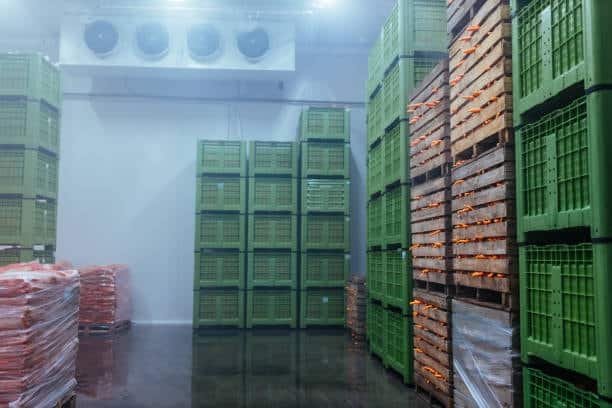
Your most important rule is that, according to the 30-hour rule, no shipment of your items that have the potential to go bad should take more than thirty hours to reach its destination, regardless of whether it occurs during the week or on the weekend. During this period, you will be able to take into account the fluctuations in temperature as well as the amount of time spent handling that are always present during the shipping process. Your shipment timetable needs to be planned around this significant constraint, and you need to be sure that you utilize the appropriate materials for packaging.
Evaluating Carrier Options
It is important to give preference to carriers that are able to track their whereabouts in real time and function in cold chain conditions when comparing carriers with insulated containers. Despite the fact that expedited services are initially more expensive, they often result in cost savings since they reduce the amount of spoilage that occurs. FedEx, UPS, and DHL are three companies that provide specialized delivery services for perishable goods, and their handling crew are highly competent.
Regional Carriers: The Hidden Advantage
Some regional carriers offer specialized services for the transportation of perishable commodities, and the methods involved in their treatment are superior to those utilized by national carriers. They tend to provide more customized services, and it takes them less time to move between the locations that they include in their coverage. Obtain contact information from other local airlines that operate flights to the same destinations as you do.
Hybrid Shipping Strategies
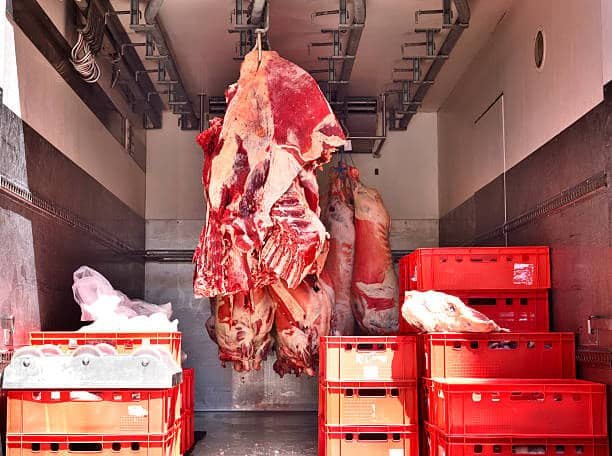
For both domestic and international goods, high-value products should be shipped using premium overnight services, while more durable items should be shipped using two-day services. This shipping strategy applies to both domestic and overseas packages. In order to obtain the most favorable pricing and dependability for the location and the kind of items, the majority of prosperous food organizations collaborate with a large number of diverse carriers.
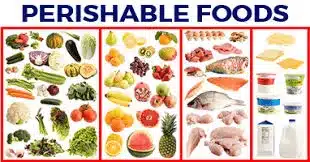
Strategic Label Design
Distinctive labeling stops people from messing up the best packing. Use bright, contrasting colors to label everything, like “PERISHABLE,” “KEEP Refrigerated,” or “KEEP FROZEN.” Buy some high-quality labels that won’t fall off when you handle them.
Essential Handling Instructions
Putting instructions like “This Side Up” and “Do Not Stack” where they are needed. Use “Fragile” to mark things that are fragile and “Ship Perishable Foods” to mark things that will go bad. If you’re shipping to another country or to an area with a lot of different cultures, make sure to use labels in more than one language.
Temperature Monitoring Labels
When it comes to providing feedback and assistance with insurance claims, temperature-sensitive labels that change color when items reach an unsafe temperature may be of great use. Customers are provided with peace of mind and evidence in the event that there is a temperature violation, thanks to the indicators.
Testing Your Shipping System
You can do mock trial shipments before you do full-scale shipping to see how your packaging holds up in real life. Send test packages of ships to you and people you know who live in different climates and are far away. Use data loggers to keep an eye on the temperature during the trip and find weak spots.
Learning from Industry Leaders

Think about the traditional brands for inspiration: There are specialized containers at Jeni Splendid Ice Creams that are intended to store the appropriate quantity of dry ice and adhere to a timetable in order to guarantee that the artisanal ice creams are frozen to the point of being flawlessly cold when they are delivered to the consumers. When they travel, they experiment with different routes and pack their belongings according to how the temperature shifts throughout the year.
Pre-Shipment Quality Control
Before shipping, verify the temperature of the product, the amount and location of the coolant, the seals on the moisture barriers, the labels, and the package information so that you can keep track of it.
Cost-Benefit Analysis Framework
Choosing packing options that are both safe and affordable is a smart move. To begin with, the initial cost of an insulated box with greater insulation is more; nevertheless, it may use less coolant and have a lower rate of spoilage. Except for the cost of packaging, divide the total cost by the number of successful deliveries.
This calculation does not include the cost of packing. It is imperative that you incorporate the cost of the refund, the amount of time spent on customer service, and the damage to the picture into your calculations when you select the Priority Mail Express option from the United States Postal Service.
Minimizing Food Waste Through Smart Shipping
To cut down on food waste during shipping, use portion control. Smaller packages keep temperatures better than bigger ones. If the weather or distance calls for it, think about splitting up big orders into smaller shipments with frozen gel packs. This can lower the total cost of shipping and raise the chances of success.
Sustainable Packaging Solutions
More and more people are buying food that comes in packaging that is good for the environment. It could even save them money. Using insulation that can be recycled and coolants that break down in the environment can make your brand stand out and benefit the planet at the same time. To be more environmentally friendly, several businesses ask consumers to return their packaging.
Weekly Shipping Timing Strategy
When it comes to sending products that need to be eaten, timing is of the utmost importance. Place your orders for perishable items before the beginning of the week to prevent any delays that may occur at the warehouse on the weekends. In order to reduce the amount of time spent in the heat, the delivery that takes place on Mondays and Tuesdays will be available sooner than the downtime that occurs on the weekends. On Thursdays and Fridays, you should not send anything unless it is frozen food that will be delivered overnight.
Seasonal Packaging Adjustments
Seasonal changes are necessary to keep quality high all year long. In the summer, you’ll need more insulation and cooling. In the winter, you might not need as much cooling but more protection against freezing. Check the weather along the shipping routes and change the packaging if necessary.
Weather Monitoring and Route Planning
Put in weather control systems that will warn you about bad weather along shipping routes. Don’t deliver when the temperature isn’t safe. Some businesses also use weather APIs to change shipping schedules and packaging needs automatically.
Customer Communication Protocols
Tell people about the proactive communication systems. Send customers tracking information and shipping insurance right away, and make sure they know how to get perishable items shipped quickly. Include expected delivery times and instructions for products that are sensitive to temperature.
Technology Integration for Success
Many carriers offer temperature monitoring services that let you know about problems in real time, which is good for you. You will be able to see everything that happens during shipping and act right away if something goes wrong, thanks to GPS tracking and temperature sensors.
Building Your Shipping Success Framework
When shipping food that spoils quickly, it’s important to pay close attention to every detail. Every step, from choosing the first packaging to delivering the food, should be tailored to your specific products and markets. For businesses that stay in business, shipping is a core skill, not an afterthought.
Essential Success Checklist
You need to use the right insulation and coolants, send test shipments to check your packaging and system, work with carriers that have reliable cold-chain and tracking systems, put clear labels on your packages with handling instructions and regulatory information, keep an eye on and improve your operations using performance data and customer feedback, and plan your shipments based on the weather and the schedules of your carriers.