
Understanding International Shipping: Your Complete Guide
The international shipping service is defined as the method of transferring products between nations with the help of various carriers, transportation routes, and logistics. Whether it’s an e-commerce company expanding into a global enterprise, a manufacturer sourcing materials abroad, or an individual sending packages internationally, understanding this international shipping process is paramount.
The shipment business worldwide processes more than 11 billion tons of traffic every year, but a number of companies and individuals lack control over unexpected expenses, delayed deliveries, and other customs complications. The keys to successful global shipping can be the secrets of making a fortune or losing it through logistical disasters due to several factors. This guide will take you through each process of shipping internationally, which includes choosing carriers to customs clearance.
How International Shipping Works (Overview)
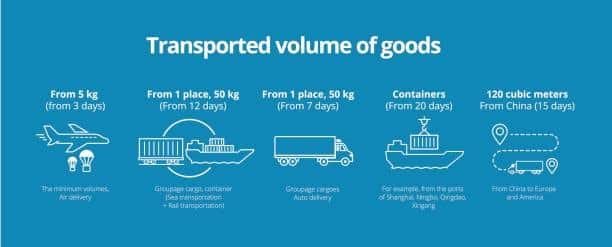
International shipping is systematic and has various stakeholders and checkpoints. Here’s the simplified flow:
Pickup → Transit → Customs → Delivery
- Collect your package is picked up at the origin point.
- Transit: Goods are transported by air, sea, or land.
- Export customs: The Package clears customs in the country of origin.
- International transportation: Cross-border main travel.
- Customs of imports: This involves the inspection and clearance of the package in the receiving country.
- Last mile transportation: Local carrier transports to the recipient.
The various parties involved in each step are carriers, customs, freight forwarders, and local delivery services. This flow will be useful in knowing some of the delays that may occur and ensuring you get the right documentation.
Step 1 – Choosing a Shipping Carrier
Selecting a suitable carrier based on delivery speed is the first crucial step. You can choose from several options:
Services like DHL, FedEx, and UPS provide worldwide express guaranteed tracking and expedited delivery. They provide a tracking number, handle customs clearance, and are typically more costly than the other options.
Examples of National Postal Services that provide affordable options for smaller packages are China Post, Royal Mail, and USPS. Following package receipt by the international postal services, delivery times are prolonged, and tracking may be restricted.
Forwarders of Freight: These professionals combine deliveries and offer bulk discounts. They can handle complex shipping requirements and provide experience with customs procedures for international shipments with the assistance of a customs broker.
Key Selection Factors, including the necessary customs forms :
- Service level: Express, standard, or economy.
- Speed: Next-day, 3-5 days, or 1- 3 weeks.
- Cost factor: Cost vs. speed requirement.
- Volumetric weight effect: Carriers do charge on the basis of actual weight or dimensional weight (length x width x height / volumetric divisor), whichever is more.
Step 2 – Estimating Costs & Delivery Time
The shipping rates across the borders vary depending on a number of factors, including necessary customs forms.
Primary Cost Drivers:
- Weight and size: Larger and heavier packages will be expensive.
- Shipping mode: Air shipment is more costly but faster compared to sea shipment.
- Destination: Remote locations are usually expensive.
- Service level: Express services are highly priced.
Additional Costs to Consider, such as priority mail international rates and the necessary customs form :
- Duties and Tariffs: Destination country taxes on imports.
- VAT/ Sales tax: There are other taxes charged according to local laws.
- Customs brokerage fees: Customs clearance fees.
- Fuel surcharges: Charge variable based on the cost of fuel.
Example Calculation: Express courier shipping of a 2kg electronic shipment (30cm x 20cm x 10cm) in China to Germany, Great Britain:
- Base shipping cost: $45-65
- Potential customs charge (electronics): 2-4% of the stated value.
- German VAT: 19 percent of (item value + shipping + duties)
- Estimated price: $60-90 based on the item’s worth.
Delivery Timeframes:
- Express air: 1-3 business days
- Standard air: 5-10 business days
- Economy air: 7-21 business days
- Sea transport: 15-45 days depending on the route.
Step 3 – Customs Clearance Explained
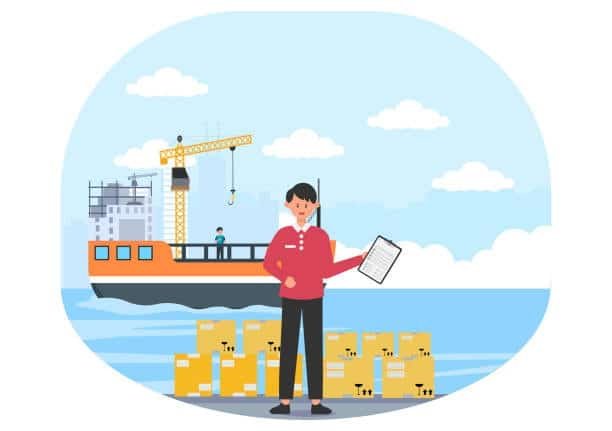
The most complicated aspect of international shipping is usually customs clearance. Here’s what happens, including potential customs delays for large envelopes:
The Customs Process: Before your package is sent to the post office, the customs authorities in the country where it is going check it to make sure it follows the law and pays the right taxes and duties.
Essential Documentation:
- Commercial invoice: The description of goods, quantities, and values.
- Packing list: Breakdown of contents to be used by the customs.
- HS code: Codes that are used to group products in terms of their tariffs.
- Certificate of origin: Demonstrates the place of manufacture of goods.
- import licenses: In certain countries, some countries require import licenses for restricted goods.
Common Customs Problems and Solutions:
- Poor documentation: There should not be cases of incomplete documentation.
- Wrong valuation: The Fair market value to use is not the discounted prices.
- Missing HS codes: Research proper classification codes in advance of shipping.
- Prohibited goods: Before transportation, confirm the rules of check destination countries.
Pro tip: When dealing with more established customs brokers, the trip can be greatly expedited, and one can be certain of negotiating the overly complicated legislation.
Step 4 – Tracking, Delivery, and Handling Exceptions
Today, international shipping includes options like first-class mail, which has better tracking features. Prices start at $10 per package, but the experience and delivery dates can vary depending on the carrier and destination.
Tracking Systems: Most carriers let you track your package in real time on their websites and mobile apps. But visibility can go down when packages change carriers or get to countries where the infrastructure isn’t good enough to handle banned items.
Common Delivery Delays, especially for letters :
- Customs: Addition of a check or lack of documentation.
- Correct or incomplete delivery addresses: This is when the address is incorrect or incomplete.
- Natural disasters that have an impact on transportation: weather disturbances.
- Congestion at peak seasons: The seasons of shopping and holidays cause a backlog.
Handling Delivery Problems:
- Communication: Get in touch with the carrier as soon as any problems occur.
- Documentation: Store all tracking information and shipping receipts.
- Insurance claim: File claims immediately on lost and damaged shipments.
- Alternative solutions: Package forwarding services may be considered to deliver to hard-to-reach destinations.
Insurance Considerations: It’s always a good idea to think of a cheap way to get shipping insurance for something valuable that needs to be shipped. Basic coverage usually only covers loss and damage, while premium coverage can cover delays and other risks, like next-day delivery.
Additional Tips & Best Practices
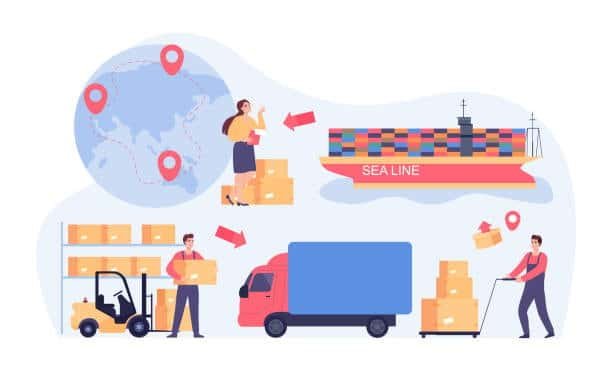
Smart Packaging Strategies:
- Goods should be packed in proper packaging materials, and volumetric weight should be minimized.
- Select box sizes with the best volumetric weight calculation.
- Add enough padding, but do not provide too much bulk.
Advanced Shipping Techniques:
- Multi-origin shipping: Take advantage of multiple warehouses to cut back on shipping prices and distance.
- Split orders: Split large orders to reduce shipping costs and delivery times.
- consolidation services: Use several small shipments and combine them into larger shipments.
Technology Tools:
- Rate comparison tool: Compare prices between carriers.
- API integrations: Automate shipping calculations and label generation.
- Live monitoring: Give customers automatic shipping updates.
Risk Management:
- Comprehensive insurance: Defend against loss, damage, and delays.
- Trustworthy carriers- Do business with well-known carriers.
- Back up on documentation: Store all shipping documents electronically.
Frequently Asked Questions (FAQ)
How long does international shipping take? How long does shipping take to other countries? The answer depends on the delivery method and the destination. Most of the time, express shipping takes 1 to 3 business days, while ordinary air service delivery takes 5 to 10 business days. It might take 2 to 6 weeks for things to get to you by economy or sea freight. It might take an extra 1 to 5 days for shipping labels to clear customs.
Why is international shipping so expensive? Customers who use air cargo may be surprised by the overseas shipping rates for things like transportation, customs clearance, insurance, fuel surcharges, and prices. Extra costs come with sending packages that are huge, heavy, or need to be sent quickly. The overall cost goes up because of duties, taxes, and customs brokerage costs.
Who pays customs duties, the sender or the receiver? This is dependent on the shipping arrangements that have been agreed upon. Under the terms of DDU (Delivered Duty Unpaid), the person who receives the package pays the taxes and duties. The sender pays for everything under the DDP (Delivered Duty Paid) terms. Before shipping, it’s important to make sure you know what the post office’s job is so there are no surprises about delivery time.
Can you track an international package in real time? Most major carriers also offer real-time tracking; however, this may not be possible when parcels are sent to a different carrier or when they pass a nation with less established postal infrastructure. Updates on tracking will normally be issued at important stages, such as when the package is picked up, when it leaves, when it arrives, when it clears customs, and when it is delivered.
Conclusion
To be successful at international shipping, you need to know everything from how to choose a carrier to how to deliver the package. Choosing the right courier based on speed and cost demands, paying the whole amount including taxes and duties, filling out the right customs forms, and having backup plans for coping with common delivery issues with international mail are the primary steps.
Finding cheap carrier choices for international mail is just one part of preparing for overseas delivery. Take the time to look into your alternatives for carriers, the regulations of the country you want to send the package to, and all the expenses that can come up. Clear paperwork and a time frame can help make overseas deliveries go smoothly.
Shipping standards and carrier services are never the same over the world, therefore it’s crucial to remember that. Stay up to date on changes that might affect your shipments, and don’t be afraid to talk to logistics experts about your shipment if it is complicated or worth a lot of money.
Do you have any overseas shipping experiences that others may learn from? You can leave a remark with your opinions or talk about shipping problems you’re having.