Introduction
Hundreds of millions of dollars are lost within all businesses annually because of delays in clearing at customs, duty charges that are not anticipated, and compliance infractions in customs clearance charges. Be it a small business importing its first shipment or a well-established business expanding internationally, knowing how to clear customs, including understanding taxes and duties, is not only significant but also necessary to your bottom line and the legal criteria of the customs clearance process.
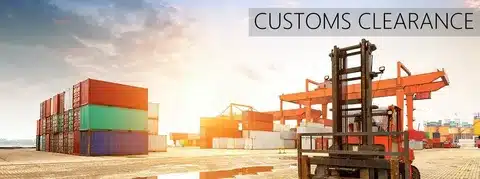
Customs clearance refers to the regulatory procedure whereby goods are legally imported or exported into or out of a country in compliance with good documentation, payment of duty, and adherence to the customs authority and local laws. Your shipments may end up being delayed at an expensive rate, fined, or even seized without a customs clearance officer.
This is a complete guide to knowing all about the customs clearance process, the documentation required, and the steps to be followed, along with understanding customs regulations, the traps to avoid, and the professional advice on how to ensure international trading works smoothly for international shipments.
What Is Customs Clearance?
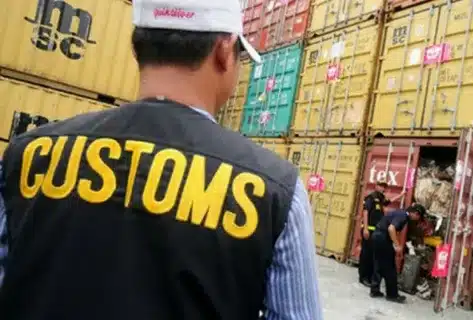
Customs clearance refers to the formal procedure by which imported or exported products have to transit to legally cross the international frontiers government agency. This is achieved by presenting the relevant documentation to the customs agencies, paying the right duties and taxes, and adhering to the import regulations of the destination country’s customs fees.
This has three major parties, which include:
- Importer/Exporter: The company or person sending or receiving commodities.
- Customs Authorities: Government departments that control cross-border trade.
- Customs Brokers: Authorized individuals who carry out the clearance process on behalf of importing/exporting companies.
Importance / Why It Matters
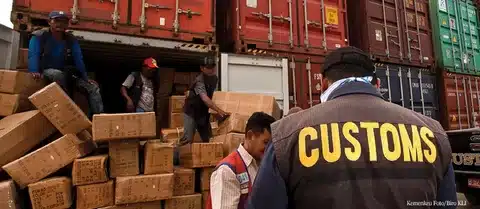
Effective customs clearance has several very important purposes in international trade, especially regarding international shipments :
Enforce Legal Compliance: Countries rely on customs to implement the laws of trade, safeguard the industries of their countries, and raise government revenue in the form of customs duties and taxes. Customs clearance takes. The right clearance will place you in the right operating systems.
Avoids Financial Fines: Inaccurate or missing clearance may attract many financial penalties in terms of fines, storage charges, and even seizure of goods delivered duty paid. These fines can be more than the value of the shipment.
Ensures Supply Chain Efficiency: The efficient clearing of goods through ports ensures efficient movement of goods across borders and eliminates the delays that may cost organizations their operations and customers their satisfaction with international shipping.
Guards Business Reputation: Noncompliance questions in the customs process may harm an association with other suppliers, clients, and government bodies, which may influence the likelihood of trade in the future.
Key Components / Terminology
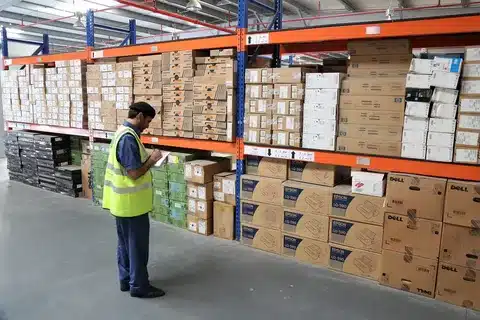
It is important to know customs terms to be able to trade with other countries:
Customs Declaration: Documented record of shipment contents, value, country of origin, and country of destination, which is presented to the customs authorities to review and process bank transfer fees.
Duties & Taxes: Taxes levied by the government on imported products; it depends on the nature of the products, value, and country of origin. These will be very different according to product types and trade agreements.
Incoterms: International trading terms which specify the obligations between buyers and sellers, such as by whom the customs clearance and related expenses are covered (FOB, CIF, DDP, etc.).
HS Codes: Harmonized System codes are standardized numerical identifiers of traded goods that are used to calculate the duty rates and importation requirements.
Certificates: Documents that confirm the origin of products, quality, or compliance ( Certificate of Origin, health certificates, import licenses) to a product or a destination.
What Does a Customs Broker Do?
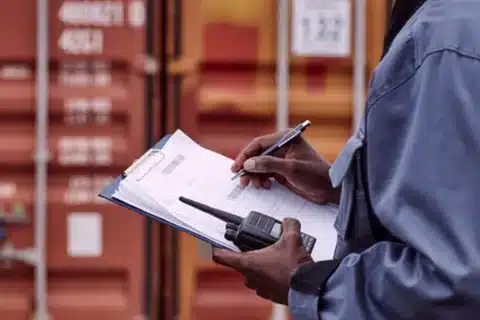
An independent customs broker is a licensed professional specializing in the maneuvering of the intricate international trade laws. They prepare documentation, calculate duties, comply with regulations, and interact with customs officials on behalf of their clients.
Advantages of Using a Broker:
- Professional understanding of ever-evolving laws.
- Good working connections with the customs authorities.
- Less chance of expensive mistakes and time wastage.
- Saving time by the owners of the business.
- Complex documentation professional management.
Self-Handling vs. Broker Services: The businesses may also do the customs clearance themselves, but since the process is not always straightforward and the shipments are rather expensive, the services of the brokers may prove much more valuable than the costs.
Step-by-Step Customs Clearance Process
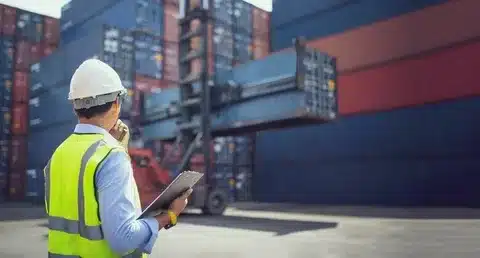
1. Preparation of documentation: Prepare all of the necessary documents, such as commercial invoices, packing lists, certificates of origin, and any special permits or licenses.
2. Declaration Submission: Submit custom declaration forms with full shipment information to the respective authorities, which is usually done online via government web portals.
3. Review and Assessment: Customs officials check submissions, ensure the accuracy of information, calculate relevant duties and taxes due, and see what has to be inspected.
4. Physical Inspection (when necessary): To check the accuracy of the declaration as well as compliance with safety and security rules, customs authorities can provide a physical examination of goods.
5. Duty and Tax Payment: It requires payment of all the duties, taxes, and processing fees by approved means of payment before goods are released.
6. Goods Release: After completing all the requirements and making payments, the customs give the release to the goods, and they are then delivered to the final destination.
Documents Required

Mandatory Documents:
- Commercial Invoice: Description of goods, quantities, values, and terms of transaction.
- Packing List: Detailed list of packing inventory and weights, and dimensions.
- Bill of Lading/Airway Bill: Transport document that contains ownership and shipping information.
- Certificate of Origin: An Authoritative paper that indicates where the goods have been made or manufactured.
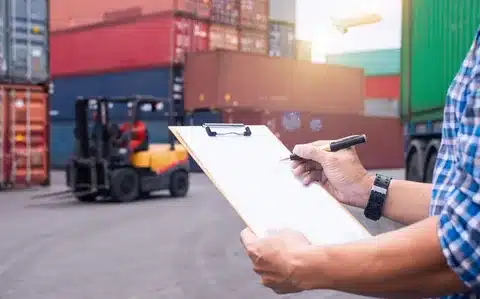
Additional Documents (depending on goods and destination):
- Licenses for importation/Exportation of restricted goods.
- Food, medical, or chemical products’ health and safety certificates.
- High-value shipment insurance certificates.
- Permits for specific items.
Factors That Affect Customs Clearance Time & Cost
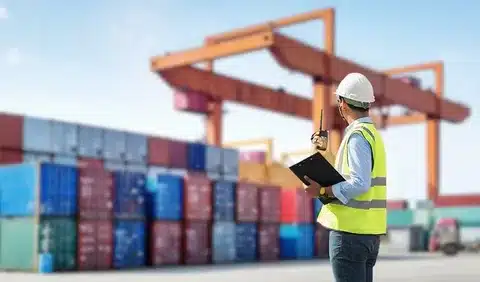
Product Characteristics: High-value, sensitive, or regulated goods usually take more scrutiny and time to be processed. Stricter requirements are usually imposed on dangerous materials, electronics, and agricultural products.
Regulatory Environment: Every nation has its own importation regulation, duty structure, and processing measures. Certain countries have automated digital operations, and others are using manual systems.
Quality of documentation: Well-documented, accurate, and formatted documents are also important in saving on processing time. Delays of up to days or weeks could be caused by errors or omissions.
Transportation Mode: Air transport generally has a quicker clearance than sea transport, whereas land transport can have varying requirements at the border crossing.
External Factors: Port congestion, availability of customs officers, seasonal volume changes, and random selection of inspections may affect the timing of clearance.
Common Challenges / Mistakes
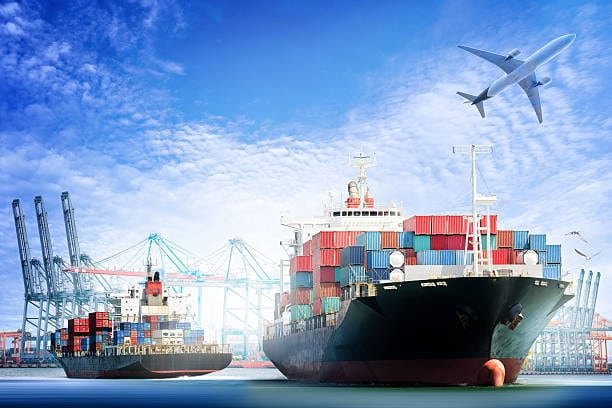
Mistakes in Documentation: The mistake in product description, wrong values, signature absence, or incompleteness often contributes to delays in clearance and the extra fees.
Misclassification Problems: The incorrect application of HS codes may lead to wrongful determination of duty, regulatory compliance issues, and possible fines in the audit.
Regulatory Oversights: Not acquiring the necessary permits, certificates, or licenses for certain types of products may result in shipments being put on hold or rejected.
Duty Miscalculations: The underestimation of the duties and tax payable may lead to the payment delay and extra administrative expenses.
Communication Gaps: Lack of good coordination between the importers, exporters, carriers, and the customs brokers usually leads to time problems and missed deadlines.
Tips to Avoid Delays and Extra Costs

Check Documentation Completeness and Accuracy: Before submitting paperwork related to paying customs duties, make sure that it is complete and accurate. Such errors, even minor ones, may lead to a lot of delays and extra expenses.
Apply Correct Classifications: Research correct HS codes to use on your products and clarify the country of destination. In case of uncertainty, consult custom experts.
Hire Professional Service: Hire the services of professional customs brokers familiar with the local rules and who already have contacts with the authorities.
Take advantage of relevant free trade agreements, preferential duty rates, and streamlined procedures on your trade routes to leverage trade benefits.
Introduce Digital Solutions: A Digital submission system, tracking software, and automated compliance software should be implemented to facilitate the processes and eliminate mistakes in manual processing.
Variations by Country / Case Examples
There is a great difference between customs procedures that are practised in various regions and countries:
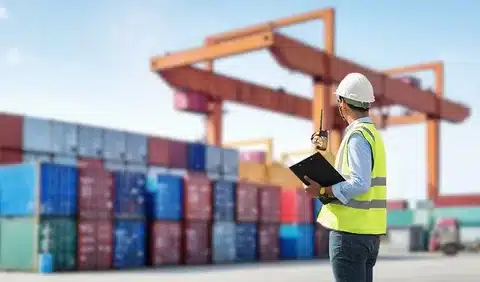
Philippines: Additional documentation is required on some goods, such as sanitary permits on food products and Bureau of Food and Drugs registration on pharmaceuticals. Philippine
United States: Has such sophisticated automated programs as ACE (Automated Commercial Environment) and high security demands as part of programs such as C-TPAT. Great attention to anti-terrorism procedures and supply chain safety.
European Union: It follows a single customs code, and standard procedures are used by all the member states. High emphasis on the environment rules and product safety standards.
Countries of ASEAN: Most of them have adopted the benefits of the ASEAN Trade in Goods Agreement, which provides reduced duties and fewer complications in dealing with qualifying products in the region.
Technology & Innovations
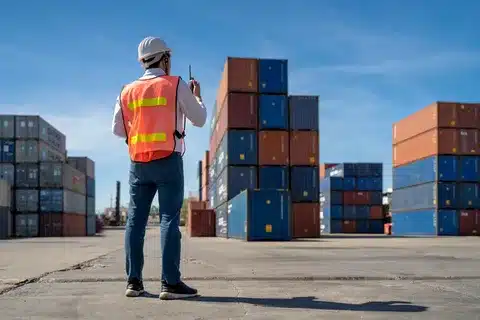
Recent customs operations are getting more and more dependent on digital technologies to enhance efficiency and accuracy:
Electronic Submissions: The majority of large customs Departments currently accept or demand electronic submissions, which save time and enhance data quality.
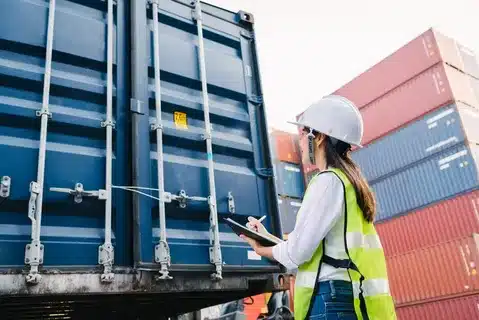
Automation Systems: The sophisticated algorithms assist the customs authorities in detecting high-risk consignments and speed up the clearance process of low-risk consignments.
Real-Time Tracking: current systems have real-time clearance status, which assists the business in planning inventory and logistics better.
E-commerce Integration: Dedicated processes of small parcel deliveries by online stores, such as streamlined documentation and automatic processes for products with low value.
Cost Considerations
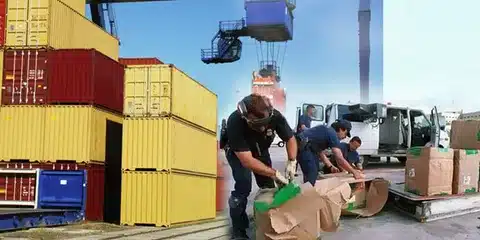
The knowledge of cost structures assists the business in making effective budgets regarding international trade:
Incoterm Dependencies: Terms such as FOB (buyer pays), CIF (seller pays to destination), and DDP (seller pays all duties) define who is going to pay those duties imposed by the customs.
Unofficial Costs: In addition to duties and taxes, storage costs, examination fees, demurrage costs, and broker fees are hidden costs that should be added to total import costs.
Variable Factors: Costs may be quite different depending on the classification of products, home country, season demand, and existing trade policies among the countries.

Long-term Planning: The duty rates and regulations keep changing because of the trade agreements, political circumstances, and economic policies, necessitating a continuous analysis of costs.
Conclusion
Effective customs clearance involves preparing, documenting, and having knowledge of the complicated international trade policies. The process can be daunting, but with the right procedures and a group of professionals, it is possible to have smooth operations at a low cost. Preparation is the most important; detailed consideration and keeping up with the evolving regulations in the target markets are the key to success.
FAQ Section
What happens if I don’t clear customs properly? Inadequate clearance may lead to detention of goods, high fines, warehouse charges, and, in extreme instances, even seizure of goods. Recurring infractions can cause further inspection of subsequent shipments and even legal prosecution.
How long does customs clearance take? Clearance time can take a few hours in the case of regular shipments and several weeks in the case of complicated or challenging cases. Normal processing normally consumes 1-3 business days to document the shipments that are well made.
Can I appeal a customs decision or duty assessment? Yes, in most countries, there are formal methods of appealing against duty determination and customs determination. The appeals usually have to be submitted within definite timeframes and might need extra documents or the services of professionals.
Is there insurance or protection if goods are delayed or held? The loss that might be a result of delays in customs can be covered by marine cargo insurance, although the coverage depends on the policy. Other logistics companies provide delay insurance as another safety measure for time-sensitive shipments.