Introduction
One can imagine weeks of searching for the right product, and then Amazon refuses to take any of the products due to improper packaging, which ultimately relates to the Amazon FBA packaging requirements. Amazon internal data shows that approximately 30 percent of shipment rejections can be explained by the packaging and labeling problems, which can be completely avoided with the help of the appropriate knowledge.
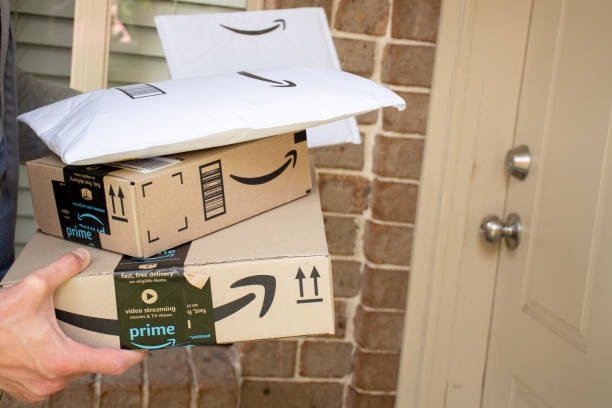
Packaging is not only about rules, but it is also about safeguarding your revenue stream, customer satisfaction, and saving expensive delays. One violation in the area of packaging could lead to either a fine of between 2 and 25 dollars per unit, highlighting the importance of adhering to FBA product barcode requirements, FBA inbound shipping requirements, and FBA packaging requirements. not to mention the cost of the opportunity cost of having inventory in limbo.
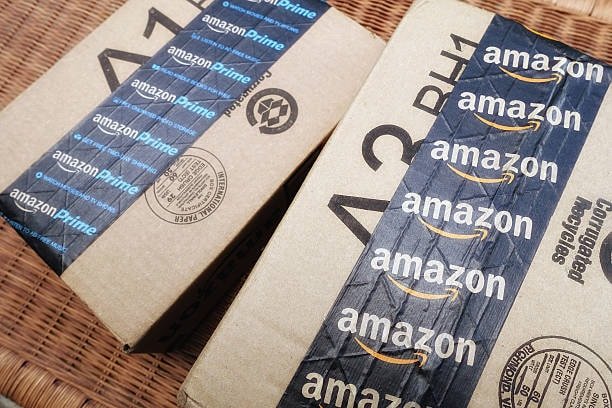
This one-stop resource gives you all the insights to ensure that you are fully informed about the Amazon packaging requirements in 2025, including how to navigate the Amazon fulfillment center and its major policy changes, and the step-by-step compliance checklists as well as insider tips to make your fulfillment process as simple as possible. As a beginner seller or as one who is keen on streamlining their existing operations, this guide will make you confident in negotiating your way through the difficult Amazon world of packaging.
What Is Amazon FBA Packaging?
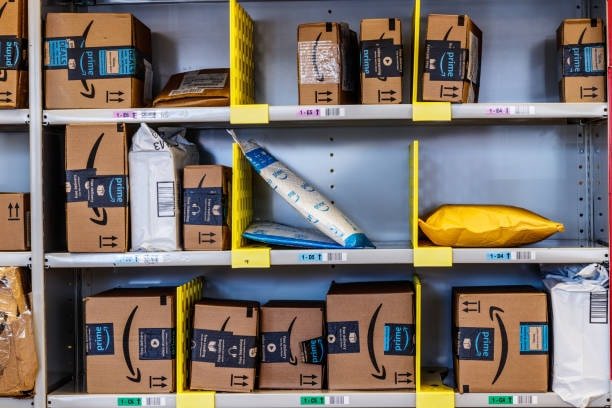
Amazon FBA (Fulfillment by Amazon) packaging can be defined as the unique Amazon FBA box requirements and packaging standards that products have to conform to before they are shipped to the fulfillment centers of Amazon for FBA shipments. Such needs include those of individual product preparation, including the FBA box ID label, to shipment specifications.
Amazon Seller Central is the birthplace of the rules on the packaging, which are aimed at promoting effective Amazon warehouse practice, the safety of the workers, and favorable customer experiences. These Amazon FBA packaging guidelines are important to understand due to the fact that they influence three different stages of your product journey:
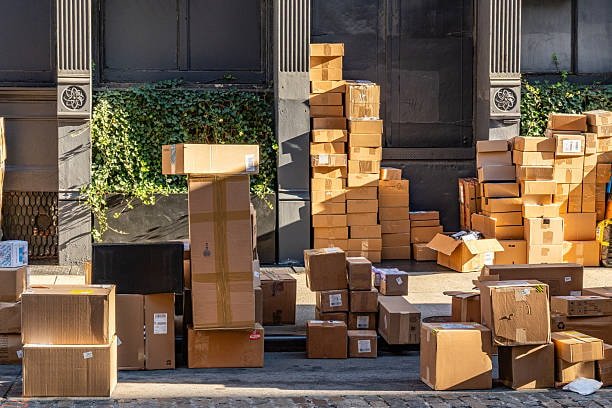
Product Preparation: How the individual items should be packed, labeled, as well as prepared to be shipped to Amazon warehouses, including the shipping label and FBA box ID label. Shipment Packaging: How the several items will be bundled and be ready to be transported to Amazon warehouses.
Delivery to the customer: The way Amazon repackages and delivers goods to the final consumers (and your packaging is one of the influences on this)
The packaging needs of Amazon are both numerous and varied: they are needed to ensure the safety of the products transported and the warehouse during storage, to provide the opportunity to scan and sort the products in the warehouse, and to make sure the employees do not have any accidents with the products, not to ruin the image of the company that the customers have.
Key Changes / What’s New in 2025
Amazon has recently made some notable changes to policies on packaging that will become effective in 2025, which must be adopted by the sellers right now for Amazon FBA shipments :
Improved Barcode Standards: There are new standards of barcode contrast ratios and positioning. The minimum contrast ratio of barcodes is now 80 percent, and it is no longer possible to print barcodes on curved surfaces and seams.
Sustainable Packaging Initiative: Amazon has now opened its doors to a broader variety of sustainable packaging options, such as certified compostable mailers and recycled alternatives to bubble wrap. They have, however, outlawed some of the single-use plastics in certain lines of products, while ensuring the proper use of the Amazon barcode for tracking.
Revised Size and Weight Limits: Product specifications have redefined standard-size products. Any item heavier than 20 pounds or larger than 18 x 14 x 8 inches is now subject to more difficult packaging requirements and increased charges.
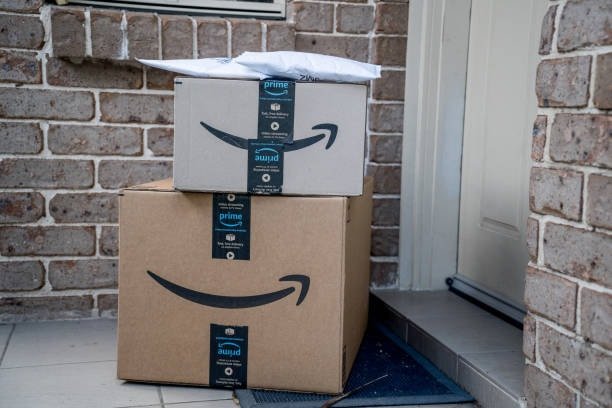
Automated scanning requirements: New FNSKU label requirements are compatible with Amazon’s upgraded scanning equipment, which may include either the manufacturer’s barcode or FNSKU. The labels now require definite fonts and sizes in order to avoid delays in processing.
Chemical and Hazmat Classifications: Updated regulations on products involving lithium batteries, aerosols, and other controlled materials have new packaging and documentation needs.
These developments indicate that Amazon continues to pursue a more efficient operation and the achievement of improved safety and environmental standards. Sellers who do not change are likely to experience a higher rate of rejection and processing fees.
Product Barcode Requirements
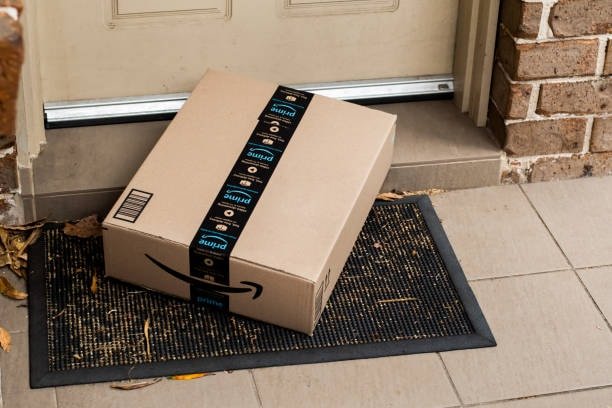
Amazon FBA cannot succeed without proper barcode implementation. The knowledge of the manufacturer’s barcode that should be used and ways to use them properly can help avoid expensive delays and ensure proper packaging to prevent rejection in shipping.
Types of Accepted Barcodes
Amazon supports a variety of barcode formats that are used for particular purposes. Original product identifiers are manufacturer barcodes (UPC, EAN, ISBN), which manufacturers give to their products. They are effective with the sellers of brand-registered products in their original packaging.
FNSKU (Fulfillment Network Stock Keeping Unit) barcodes refer to Amazon-specific ID names necessary in cases where the products do not have manufacturer barcodes or in cases of selling used/refurbished products. These need to be created via Seller Central, and they are specific to your seller account.
The exemptions of GTIN are extended to specific types of products of private-label or bundling, which do not need conventional product identifiers. There is, however, still a necessity for such products to have FNSKU labels to be processed in the warehouse.
Barcode Application Best Practices
The barcodes should be located on flat surfaces, and there should be sufficient white space around the barcodes. The quiet space surrounding the barcode should be not less than 1/8 inch on each side. It is not recommended to place barcodes on seams, curves, or places that can be destroyed during shipping.
Print quality is significant–thermal transfer printers are preferable, and the difference between bars and ground needs to be sufficient. Check all barcodes prior to application to ensure that they are readable.
Common Barcode Mistakes
Numerous sellers commit serious mistakes, leading to rejection of shipments. Failure to cover existing barcodes would cause confusion in scanning- use opaque labels or permanent markers to fully cover old codes.
Poor positioning of barcodes on bundles/ multipacks can often be a problem. Rather than the outside of the packaging alone, each sellable unit has to have a scannable barcode.
The quality of the print of low-resolution printers or expired ribbons results in incoherent codes. Also, invest in good printing equipment and keep it well-maintained to prevent time loss in processing.
General Packaging Rules per Product Type
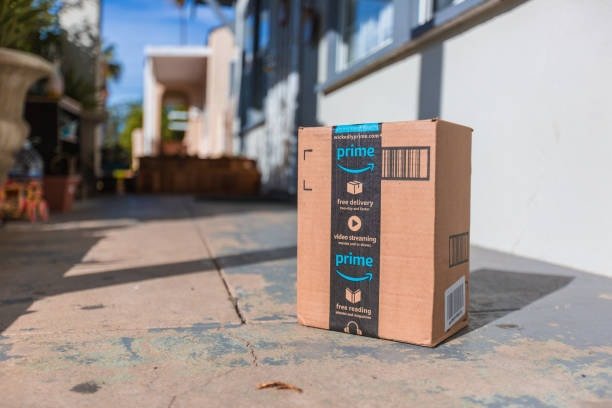
The packaging needs of Amazon depend greatly on the nature of the product, emphasizing the critical role of product packaging sold as a set. These category-specific rules regarding acceptable standard boxes for when the shipment combines individual boxes that must have the same manufacturer barcode can be resolved to guarantee compliance and avoid unnecessary rejections at a high price.
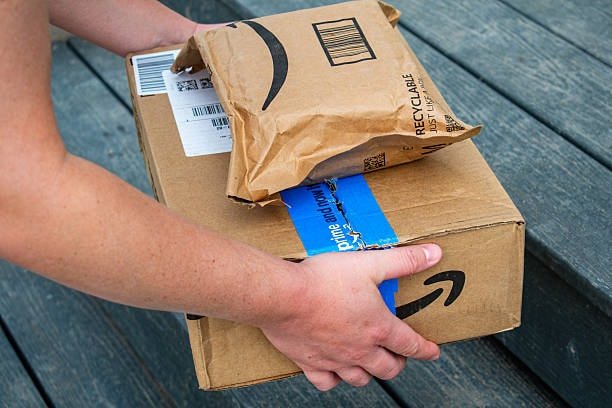
Loose Products and Individual Items
Loose products that are small in size will have to be fastened so that they are not lost in transit. Products that can fit in poly-bags or hard packaging are less than 6 x 4 x 0.75 inches. Sharp objects must be placed into protective sheathing, and products that contain small parts must have suffocation warning labels in case the poly-bag is 5 mils or more in thickness, or pallet labels.
Liquids and gels require closed containers in the form of absorbent material. Liquid products are filled and put in double bags with absorbent padding to prevent any possible liquids.
Poly-Bag Requirements
Poly-bags will have a minimum of 1.5-inch opening and sufficient warning signs against suffocation in cases where it is necessary. The bag must not be too large, which leaves products straining the material, but not too small so that a lot of air can build up, manufacturer barcode.
Items in poly-bags that are fragile should also be cushioned with proper equipment, such as bubble wraps or air pillows. Make sure that the product is not free to move in the bag when handling it normally.
Sets, Bundles, and Multipacks
Sold products that are sets are to be fastened with shrink wrap, banding, or rigid packaging. Protective measures must be taken on every component separately, but there must be one master FNSKU label on the entire set.
Virtual bundles (distinct products that come in selling packages, but they do not get physically combined) are not permissible. All the components of a bundle should reach Amazon as one whole and indivisible bundle.
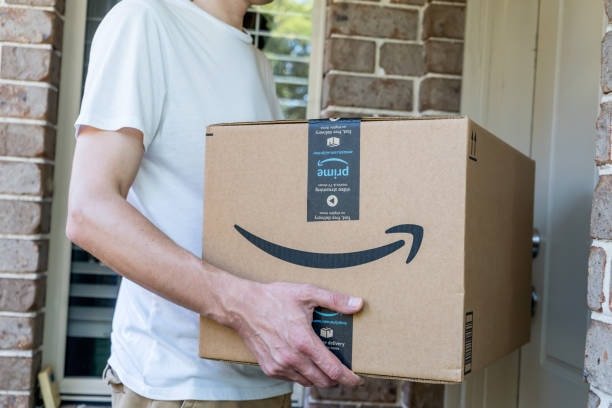
Boxed and Packaged Units
Manufactured products that are usually packaged in their packages do not need much preparation. Nevertheless, when applying FNSKU labels, make sure that original barcodes are covered and that the current packaging is durable enough to satisfy Amazon requirements.
Provide additional packaging on products that have weak original packaging, ensuring that sufficient packing tape is used to secure everything properly. There might be a need to use corrugated wrap or extra boxes to protect things such as electronics or glassware.
Inbound Shipping / Shipment Prep Requirements
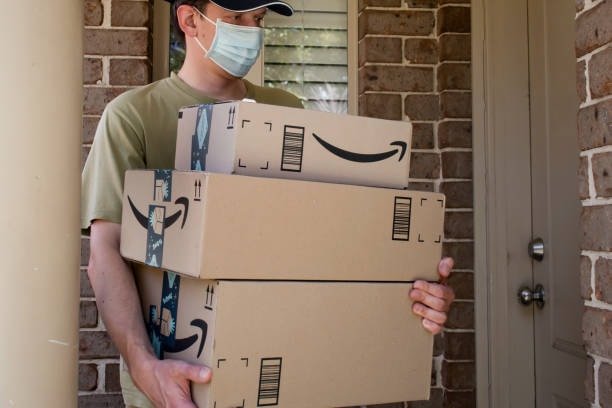
To make a successful delivery to Amazon fulfillment centers, it is necessary to prepare shipments properly. The application of these specifications will help to avoid delays and extra charges.
Box Specifications and Limits
Corrugated cardboard boxes should be in excellent condition, no damaged, torn, or used shipping boxes with old labels. The maximum size of the boxes should not be more than 25 x 18 x 14 inches, and the weight should not exceed 50 pounds unless it is delivered to large-item shipment facilities.
Single-wall corrugated boxes are suitable for use where the shipment is less than 30 pounds, whereas the shipment should be made using corrugated boxes of double-wall construction when it is heavy or the contents are delicate.
Cushioning and Protection
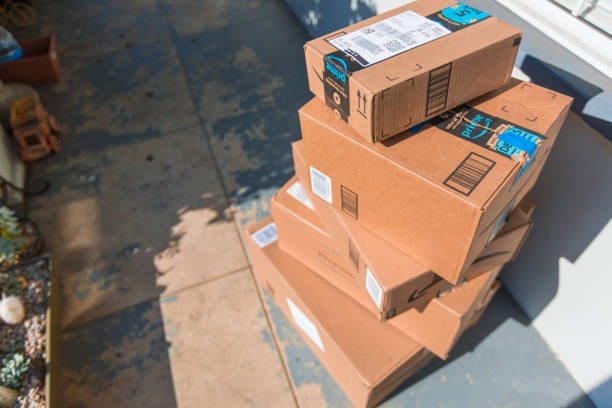
Stuff empty areas with the correct cushions, such as bubble wrap, air pillows, or packing paper, ensuring they are completely sealed. Goods are not supposed to move in boxes, but neither are they supposed to be packed too tightly to break.
The loose packing materials, such as packing peanuts or shredded paper, should be avoided because they are known to be messy in Amazon warehouses. Whenever possible, use contained cushioning systems.
Box Sealing Requirements
Pressure-sensitive tape at least 2 inches on the seal boxes. Place tape on the top and bottom of the boxes and make sure that it is applied to the entire length of the seam. Do not use string, strapping tape, and overwrap the entire box using tape.
On heavier shipments, the H-taping method should be used: cover the center seam and top and bottom edges of the top and bottom of the box with a strip of tape.
Pallet Shipments
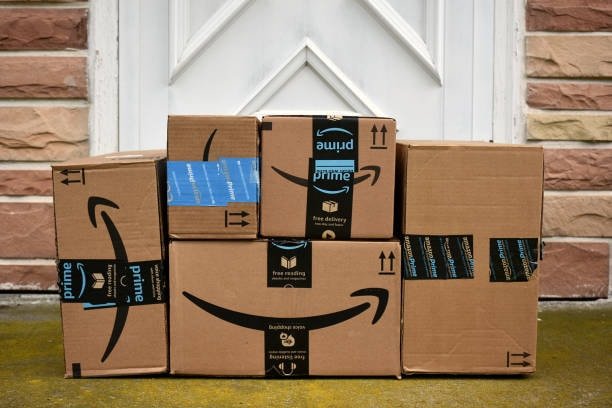
Considerable bulk of shipments can be eligible for pallet delivery. Pallets need to be four-way clear, the product distribution even, and secure. Boxes should be secured by stretch wrap to the pallets, although the labels of individual boxes should be left showing and scannable.
Normal pallet sizes are 40 x 48 inches, and the height is limited depending on the fulfillment center. Check out particulars of your destination facility.
Labeling the Shipments & Boxes
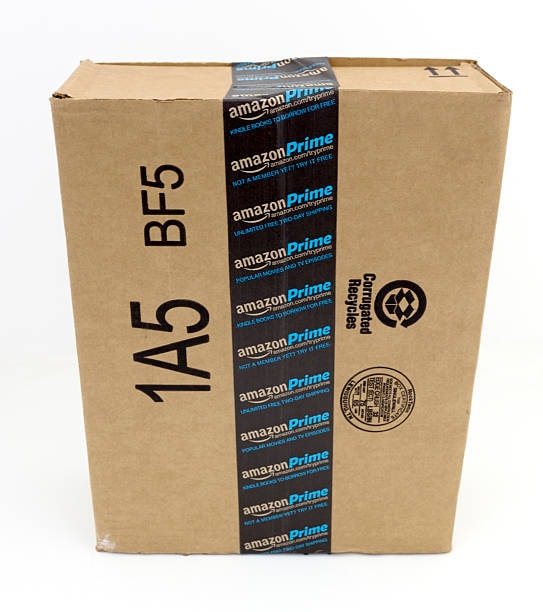
Improper labeling guarantees that your deliveries will be done fast and correctly by the fulfillment system of Amazon.
Box Content Labels
Shipment ID, destination fulfillment center, as well as the carrier label and box identifier, are required in a Box Content Labels on each shipping box. Such labels are created with Seller Central when the shipment request is created.
It is best to use a thermal printer to print labels on standard 4 x 6-inch shipping labels. Laser and inkjet printers are functional and can be lost in the course of transportation.
Label Placement Guidelines
Label the labels of the place box contents at the top of the boxes and not on seams or edges that may be destroyed. Labeling: make sure that labels are lying flat and without any bubbles or wrinkles that may cause scanning issues.
Take off or take away any old labels and barcodes that were used in shipping to avoid confusion during scanning. Old markings can be completely covered by black markers or opaque labels.
Carrier Labels and Documentation
Label carrier shipping labels by the method of shipping that you select. UPS and FedEx (as well as other carriers) have particular placement requirements that should be observed in addition to the labeling rules of Amazon.
Add any necessary customs paperwork on international orders, and make sure that all the paperwork is correct for what you ship.
Where to Get Packaging Supplies / Tools
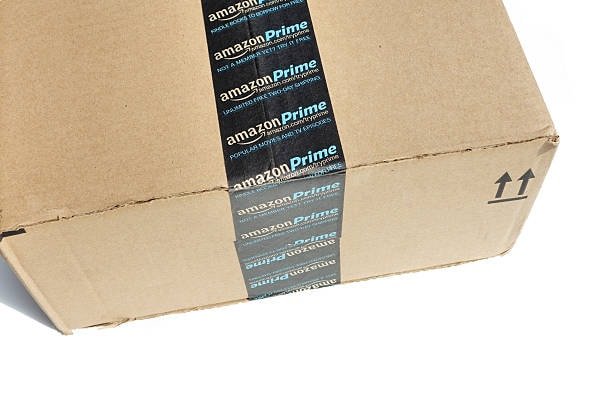
The availability of good packaging materials at affordable prices directly reflects on your profitability and operational performance in your Amazon business.
Essential Packaging Supplies
Probably invest in basic supplies such as corrugated boxes in different sizes, poly-bags with warnings of suffocation, bubble wrap or air-pillows, and pressure-sensitive sealing tapes. Thermal transfer labels and ribbons are of quality that will give the product a professional look and reliable scanning.
Look at buying in bulk of items that are used regularly, but trade-off between the cost of inventory and the available storage space.
Equipment and Tools
A thermal label printer will be necessary to achieve professional outcomes. Zebra and Brother also provide models that are reliable and can be used at various volumes. Add a postal scale in case of precise weighing and costing.
Tape dispensers, box cutters, and measuring tools make the packing business simpler and shorten the time spent on preparations per shipment.
Supplier Considerations
Local suppliers can be very quick in delivering and giving personal services, whereas online suppliers can be cheaper when ordering in large quantities. Compare the suppliers on the basis of the quality of the products used, the prices, the speed of delivery, and the customer care.
Most of the successful sellers establish a rapport with 2-3 suppliers in order to have a backup in times of high demand or shortages of supply.
Cost-Saving Strategies
Reuse receiving shipping boxes that pass the condition requirement of Amazon, especially regarding expiration dates. This saves material expenses and helps in the sustainability of the environment while adhering to the shipping requirements set by Amazon’s fulfillment centers.
Purchasing supplies in off-peak seasons when prices are usually comparatively lower. Make bulk purchases with other vendors to get volume pricing on a shared container or a group purchase.
Common Mistakes and How to Avoid Them
Mistakes made in the common packaging can save a lot of time and money, in addition to enhancing your seller performance rates.
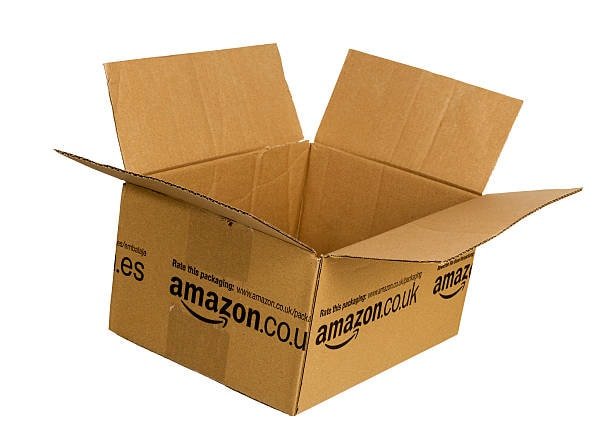
Barcode and Labeling Errors
Most processing delays are a result of barcodes that are unreadable or not in the right place. Test scan barcodes before shipping, have sufficient contrast, and quality of print. Position barcodes on a flat surface with suitable quiet areas and box dimensions.
Not covering current barcodes generates scanning confusion. FNSKU labels, Permanent marker, or opaque labels. When using FNSKU labels, manufacturer barcodes must be fully covered by Amazon sellers.
Packaging Material Mistakes
Incorrect bag thickness is used when carrying products that require sacrificing warning, which results in a violation of compliance. Poly-bags should have small parts with a minimum thickness of 1.5 mils and should also have warning labels foot drop test.
Poor cushioning will lead to broken products and a bad customer experience. Protect the products of each type with the right protection based on the internal and external effects of the FBA shipment.
Weight and Size Violations
Overweight boxes are charged extra charges and delays in processing. Put heavy items in more than one box instead of an overweight shipment.
Misplaced size groups have an impact on warehousing costs and space needs. Weigh and measure products correctly to ensure of correct calculation of fees and warehouse placements, packing material.
Documentation and Process Errors
Poor fitment of shipment contents and documents leads to rejection and reimbursement. Ensure that there are no discrepancies in the shipment plan of physical products before shipping them.
Wrong shipment to fulfillment centers is a time and money waste. Check addresses and use the suggested shipping deals with specific addresses for four pallet labels.
Step-by-Step Checklist Before Shipping
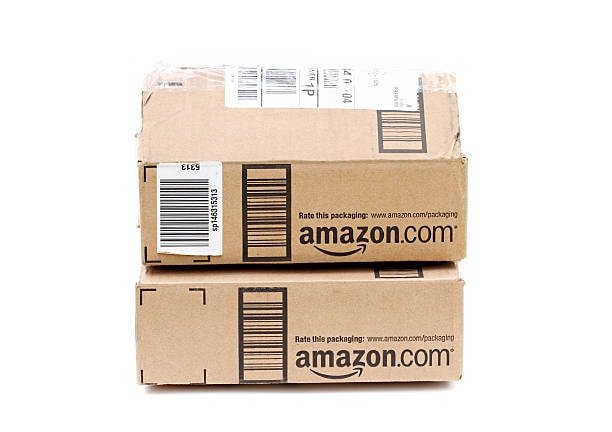
Check off all the items in this list before every shipment to the Amazon fulfillment centers.
Product Preparation Verification
- Proper barcodes (FNSKU or manufacturer) are used on all of the products.
- Barcodes are readable and appropriately placed.
- The barcodes that exist are covered or removed when necessary.
- Poly-bags are used to wrap products that need them.
- The delicate products are well safeguarded.
- The liquid products are leak-proof and are contained twice.
- Packages and collections are tied.
- The quantity of products shipped is equal to the shipment plans.
Box and Shipment Preparation
- Boxes are in good condition and are corrugated.
- Box sizes are not bigger than 25 x 18 x 14 inches.
- Box weight not more than 50 pounds. Label boxes.
- Goods are packed, and they do not move freely.
- Packages are taped with suitable tape.
- Outdated labels and markings are taken off or concealed.
Labeling and Documentation
- The labels on the contents of the boxes are printed clearly and appropriately used.
- Shipping labels on carriers are appropriately attached.
- There is all the necessary customization paperwork.
- The information on shipment tracking is precise.
- The destination fulfillment center is right.
Final Quality Check
- It takes one person to lift all the boxes can be lifted.
- Labels are not torn.
- Boxed products are not rattling or changing place.
- The shipment plan is created, and its contents are identical to the shipment
- Numbers are used to record the tracking.
FAQ (Frequently Asked Questions)
What happens if Amazon rejects my shipment?
Amazon will inform you in Seller Central of certain reasons for rejection. You will have to recover the shipment, fix the problem, and reform. Rejection costs are usually between $ 25 -100 based on the severity of the problem and the shipment size.
Can I use biodegradable or eco-friendly packaging materials?
Yes, Amazon takes most sustainable packaging, like certified compostable mailers and recycled cushioning material. Nevertheless, the materials should not be inferior in terms of durability and safety. Look at the most recent approved materials list on Seller Central.
What if my product is oversized or overweight?
Products that are above the standard size limits have to be handled with special handling and charged extra fees. Calculate classifications using the size tier calculator of Amazon. Oversized products might require special wrapping and could only be dispatched to designated fulfillment centers.
How long can products stay at Amazon fulfillment centers?
Standard storage rates are based on monthly rates, with long-term storage rates for goods that are over 365 days. Some categories are at 181 days from the inception of aged inventory fees. Track the inventory age and schedule removal orders of slow-moving items.
Can I prep products at Amazon fulfillment centers instead?
Prep services are also available on some products at a higher price on Amazon. This alternative is excellent in the case of high-volume sellers, and it raises the unit cost. Determine which solution offers greater economy to your case: in-house or the services of Amazon.
What’s the difference between sellable and unsellable inventory?
The sellable inventory is of the Amazon specifications and can be ordered by the customers. Unsellable inventory contains flaws, faults, or conformance problems that do not allow sales. Inventory reports taken regularly aid in the identification and correction of unsellable units.
Conclusion
To succeed in FBA 2025, it is important to master the packaging requirements of Amazon. The new policies and their increased enactment imply that the focus on detail in the packaging, ensuring every item is ready to ship, can have a strong influence on your bottom line and customer satisfaction indexes.
The main lessons learned with the help of this guide are knowledge of barcode requirements and correct application methods, the adherence to packaging rules of various types of items, the adoption of appropriate shipment preparation and labeling procedures, and the prevention of frequent rejections and fines.
Get involved by starting to audit the way you currently package against the requirements of this guide. Revise supplier instructions on the 2025 policy change and install the given checklist system to achieve uniform compliance.
Note that compliance in the packaging is not a one-time installation. Keep up on the policy changes using the notifications in Seller Central and update the processes of your business to keep the performance at the highest level.
The operational excellence of all parts of the fulfillment process would make you successful on Amazon. Packaging can be a minor step, but this step should be well-grounded to ensure customer satisfaction, cost management, and long-term business development.