Consider the situation below: a German equipment manufacturer is supplying a Thai client with expensive equipment under the assumption that the latter will unload it at the specified port. The purchaser expected the seller to cover all the accidents until the products are safely unloaded at his or her premises. Result? A single week of struggle, the additional cost of storage, and even a damaged business relationship – all that because there was no precise definition of the terms in which the delivery would be done.
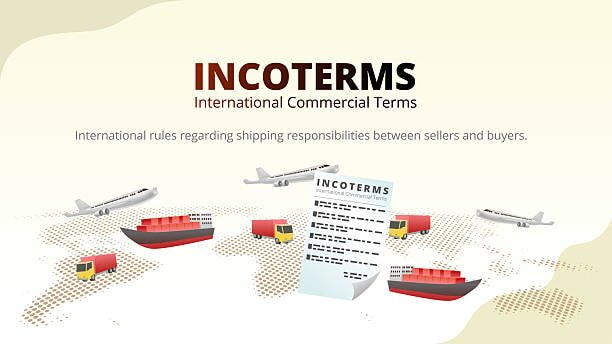
This scenario highlights why Incoterms matter in international trade. DPU (Delivered At Place Unloaded) under Incoterms® 2020 eliminates such confusion by clearly defining when costs and risks, and responsibilities transfer between seller and buyer.
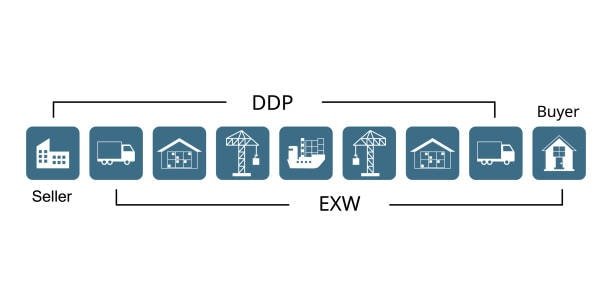
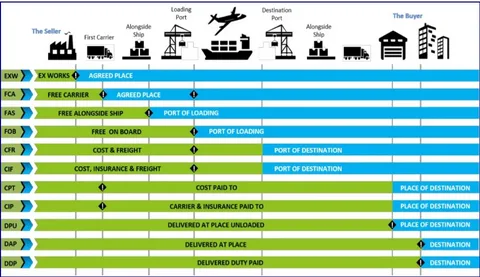
DPU replaced the old DAT (Delivered at Terminal) term in 2020, expanding delivery locations beyond just terminals to any agreed place where goods can be unloaded. This change provides greater flexibility for modern supply chain operations while maintaining clear obligations for both parties regarding import duties.
Understanding DPU: Key Features and Obligations
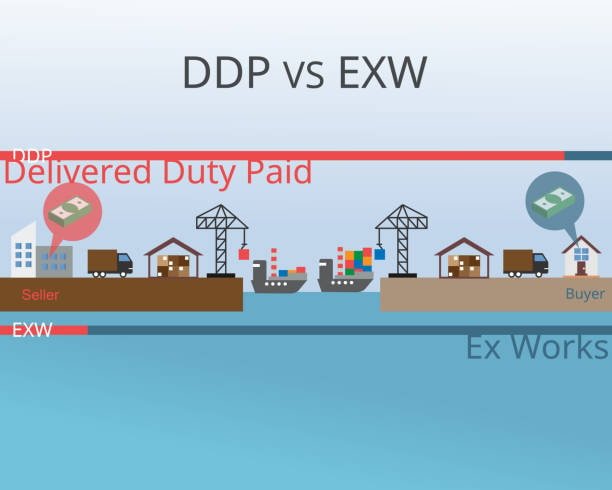
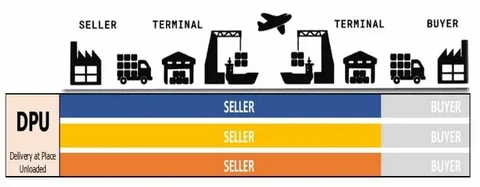
Under DPU Incoterms 2020, the seller bears responsibility for delivering goods to a named place and ensuring they are unloaded for the buyer’s collection. This represents maximum seller responsibility among destination delivery terms buyer’s destination.
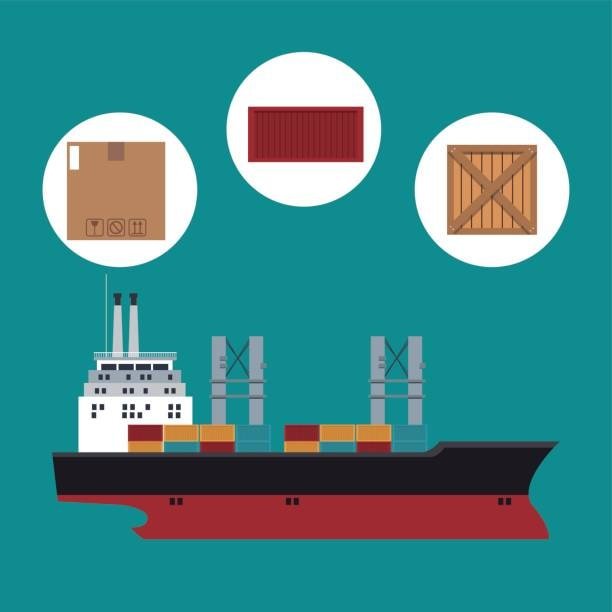
Seller obligations include:
- Export clearance and documentation
- Main carriage transportation to the named place
- All costs until the goods are unloaded
- Physical unloading of goods
- Risk until unloading is complete
Buyer responsibilities cover:
- Import customs clearance and duties
- Import customs clearance and duties
- Risk transfer after goods are unloaded
- Further transportation from the delivery point
- Any additional handling after unloading
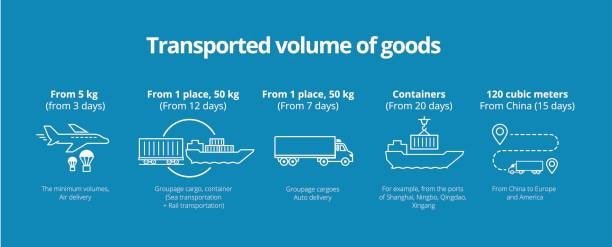
The “named place” specification is crucial—it could be the buyer’s warehouse, a logistics terminal, or any location with unloading facilities. Precision here prevents costly disputes later.
DPU vs Other Incoterms: Key Differences
| Incoterm | Seller Responsibility | Risk Transfer Point | Unloading |
| DPU | Transport + Unload | After unloading | Seller handles |
| DAP | Transport only | At the delivery place | Buyer handles |
| DAT (obsolete) | Terminal delivery | At terminal | Seller handles |
Introduction: Why Delivery Terms Can Make or Break Your Trade Deal
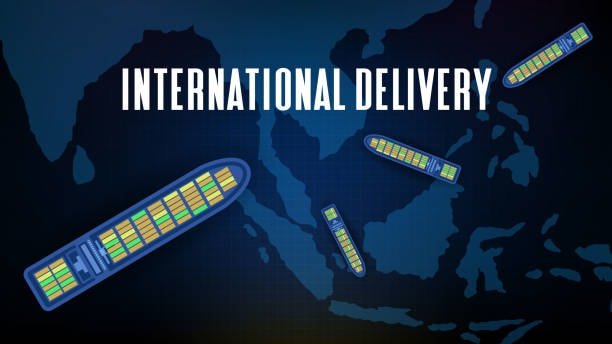
The action is as follows: A machine producer in Germany sells an expensive machine to a client in Thailand, and it is assumed that the latter would unload the machine at the port. The seller would have taken care of all the problems until the safe delivery of the goods to their premises. Result? A week of arguing, the additional storage expenses, and ruined business relationships due to an insufficient definition of the terms of the delivery of the transport hub.
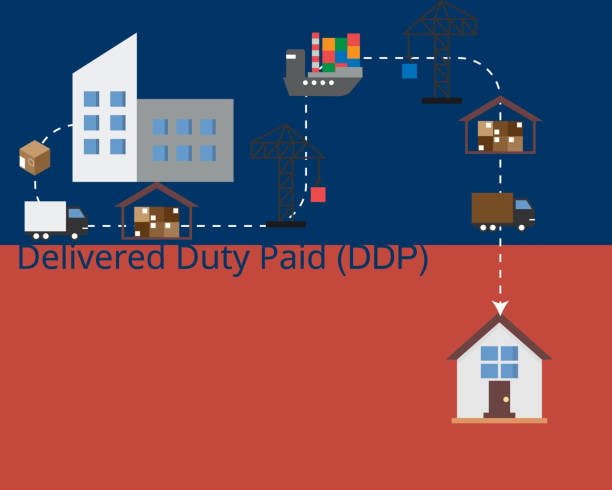
The action is as follows: A machine producer in Germany sells an expensive machine to a client in Thailand, and it is assumed that the latter would unload the machine in the port. The seller would have taken care of all the problems until safe delivery of the goods to their premises. Result? A week of arguing, the additional storage expenses, and ruined business relationships due to an insufficient definition of the terms of the delivery of the transport hub.
Understanding DPU: Key Features and Obligations
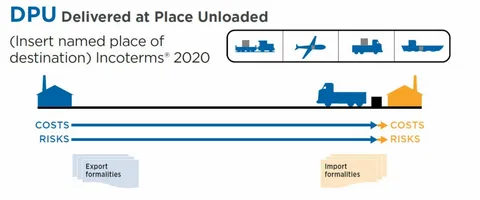
According to the rules of DPU Incoterms 2020, it is the responsibility of the seller to deliver goods to the buyer’s premises at an agreed point and leave it to the buyer to collect the goods by unloading it. This is the maximum seller’s responsibility of destination delivery terms.
Seller obligations include:
- Export clearance and documentation.
- Carriage transportation to the mentioned location.
- Until the time of unloading goods.
- Physical unloading of goods
- Risk until the risk is unloaded.
Buyer responsibilities cover:
- Clearance and duties of imports.
- Import licenses and permits buyer’s country
- Risk transfer on the unloading of goods.
- Additional transit of the delivery point.
- Further manipulation of unloading.
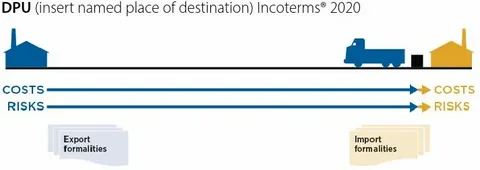
The specification about the named place is significant–it may be the warehouse of the buyer, a logistics terminal, or any other place with unloading tools. This accuracy will help avoid expensive disagreements in the future.
DPU vs Other Incoterms: Key Differences
| Incoterm | Seller Responsibility | Risk Transfer Point | Unloading |
| DPU | Transport + Unload | After unloading | Seller handles |
| DAP | Transport only | At the delivery place | Buyer handles |
| DAT (obsolete) | Terminal delivery | At terminal | Seller handles |
DPU vs DAP: The point of difference between DPU and DAP is the unloading of responsibility. In the case of DAP (Delivered at Place), buyers are in charge of unloading, and in the case of DPU, the unloading is the responsibility of the buyer’s destination country.
DPU vs DAT: DPU increased the terminal-only limit of DAT to any given named location that might have unloading facilities, further allowing location flexibility of contemporary logistics activities, additional or special handling.
Practical Implementation: How DPU Works Step-by-Step
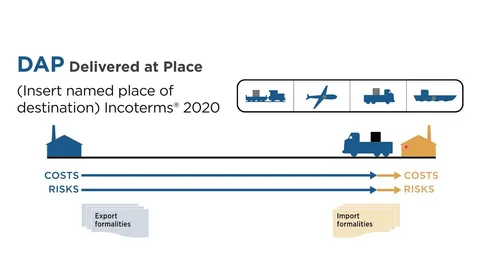
The process flow of DPU is the follows:
- Preparation: Goods are prepared, and export documentation is made by the seller.
- Export clearance: Seller takes care of the sovereignty procedure in the home state.
- Main carriage: The Seller organizes and pays for transportation.
- Arrival: Goods arrive at the agreed place of name.
- Unloading: The Seller makes sure that goods are unloaded with the help of the proper devices.
- Risk Transfer: Buyer takes responsibility after the offloading of goods.
- Import procedures: Takes care of customs clearance and duties Buyer.
Typical DPU applications are heavy machinery deliveries, shipment of bulk commodities, and when buyers would like the sellers to handle the complicated unloading process seller delivers. DPU terms are commonly used when manufacturing equipment, construction material,s and other large industrial goods because the unloading is specialized.
Benefits and Challenges of Using DPU
Benefits for buyers:
- Simplified logistics until the goods are collected.
- Knowledge on the part of the seller in transportation and unloading.
- Certainty of the risk transfer point ensures that there is no ambiguity.
- Especially useful where purchasers do not have the equipment or skills to unload.
Benefits for sellers:
- Increased ability to control the delivery process.
- Capacity to deliver goods in good shape, free alongside ship.
- Full-service offering as a source of competitive advantage.
Key challenges include:
- Increased expenses for sellers since they must unload.
- Location specifications–imprecision of delivery locations generates conflicts.
- Coordination of equipment- sellers should organize proper unloading equipment.
- Complexity in insurance- whether to get coverage during unloading processes.
- Local regulations compliance at the destination locations.
Practical Contract Tips and Best Practices
Specify delivery locations precisely: Do not use the buyer facility, but use the name and address of the XYZ Company warehouse at 123 Industrial Street, Bangkok, Thailand, with 10-ton crane access specified destination. Clear location details are especially important for true door-to-door deliveries under DPU.
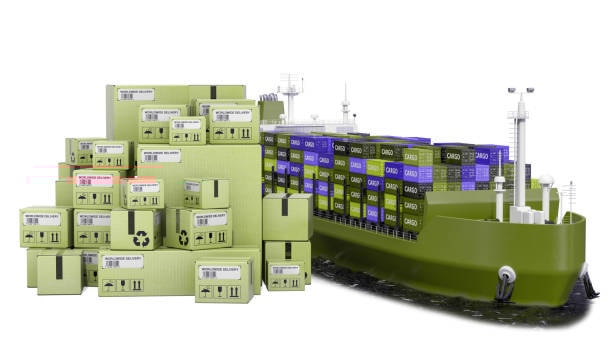
Define unloading parameters:
- Existing unloading facilities and capacity.
- Access control and working hours.
- Health and safety needs, local laws.
- Unloading operations time allowances.
Clarify cost allocations:
- Transport, export duties, unloading equipment, basic insurance, and seller covers.
- Buyer covers: import taxes, agentage, post-delivery storage, and extra insurance.
Add contingency provisions on delays, equipment malfunctions, or accessibility limitations that might impact delivery schedules final destination.
Real-World Case Studies
A Chinese solar panel manufacturer used DPU to ship to a remote mine in Australia (Success story). These were enabled to be shipped easily by having clear specifications that illustrated the coordinates of the delivery point, unloading equipment specifications, and access protocols, which enabled the shipment of the shipment through the delivery point, by having panels that were ready to be mounted.
Pitchedfall: A textile machinery supplier made an erroneous assumption that the loading dock of the factory was the factory of the DPU buyer. However, the entrance of the factory could not accommodate big trucks. The extra local transportation expenses and the delays during the installation process are related to the inventory control, thus the necessity of the correct location specifications. These examples demonstrate that to ensure DPU success, much planning and effective communication will be needed concerning the delivery point locations and potential cargo unloading.
FAQ: Common DPU Questions
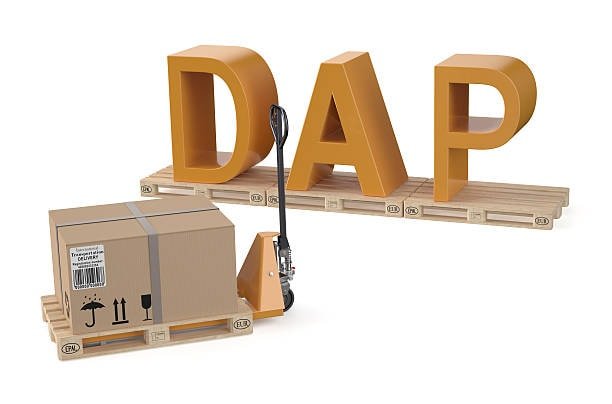
So what is the difference between the risk transfer of DPU and DAP? When using DPU, the risk is transferred once the goods are unloaded, and when using DAP, the risk is transferred once the goods are delivered at the designated location, and then it is not unloaded or delivered duty paid.
Who finances unloading machinery? All the unloading equipment and operations on DPU terms are paid for and supplied by the seller’s insurance.
Is the seller required to get insurance? Cargo insurance is supposed to be kept by sellers until the unloading of goods. Buyers would desire extra insurance against the risks after delivery.
What will occur when goods are damaged when unloading? As the duty of the seller under DPU is unloading, assuming responsibility, the seller is usually liable for the occurrence of damages in the course of unloading risk transfers.