
Introduction
Suppose the following: you have sold a used dining table on an online auction site, or you have to move to the other end of the country and have to deliver a huge, valuable collection of artworks. You go to your local shipping company, and you think you know how to pack something, but you are shocked by the price, which is three times more than you expected. Sound familiar?

The industry calls it “big box shipping,” which can be a nightmare because of the hidden costs, the obvious costs, and the risk of damage to huge, heavy items. If you’re an online store owner who needs to ship big items, a family moving, or someone trying to send holiday gifts that won’t fit in a regular box, knowing how to do big box delivery can save you hundreds of dollars and a lot of trouble.

You will know how to decide whether your item is oversized or must be delivered by freight, how to package and measure large products, how to save money without advertising it to the carrier, and how to avoid the pitfalls that make packages damaged and shipping expensive in general.
What Defines Oversized vs. Freight Shipping
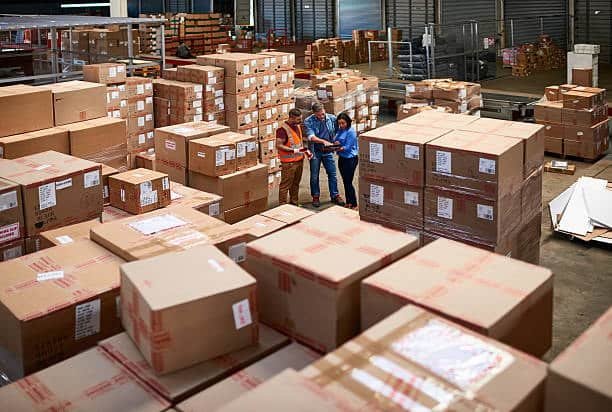
Understanding Oversized Package Classifications
In the shipping business, a large package is not simply an oversized one, but rather a set of dimensions and weight-size limits beyond which there is a fee. The majority of large carriers establish the definition of oversized packages based on the length plus girth formula:
- Length + Girth over 108 Inches is generally considered oversized.
- Girth calculation: (Height x Width) 2.
- Weight restrictions: 70-150 lbs, most often depending on the carrier.

To take an illustration, a 48″ x 24″ x 18″ package would have a girth of (24 +18) x 2 = 84 inches, in addition to a length of 48 inches, which would be 132 inches, deep into the oversized category.
When Freight Shipping Becomes Necessary
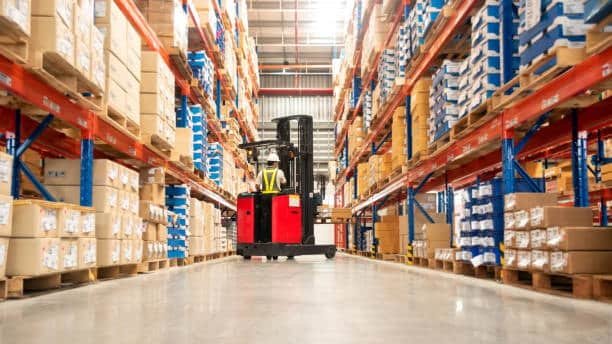
Freight deliveries and courier services come into play once packages surpass the peculiarities of parcel service:
- Weight requirement: 150+ kgs.
- Dimensional limits: Length + girth more than 165 inches
- Value factors: Hvaluable goods that need special treatment.
- Quantity: Sent out several large items at once.
This difference is the major difference that makes a significant difference to your wallet. Though the oversized packages are charged with additional charges on top of the normal charges, freight is charged on the basis of completely different price rules and models and is generally charged in terms of freight class, distance, and accessory services.
How to Calculate Whether Your Package is Oversized

Step-by-Step Measurement Guide
Measuring Dimensions:
- Length: It should never be less than the length of your package.
- Width: The second longest side.
- Height: The other dimension.
- Accuracy: Use a metal measuring tape–fabric tapes are stretchable and provide inaccurate readings.
Calculating Length + Girth:
- Formula Length + (width + height)x 2.
- Example: 40″ x 20″ x 15″ package = 40 + (20 + 15) x 2 = 40 + 70 = 110 inches

Accurate Weighing Techniques:
- The smaller packages, weighing less than 50 lbs, may be weighed on the postal scale or a bathroom scale.
- For heavy items, weighing both the item and the package is necessary, which is why it is always important to send the packaging to the nearest scale to prevent paying less than it should weigh.

NB: The one thing that most people lose knowledge of is the fact that the packaging materials increase the weight and size. Add your box, padding, and other protection items in the final quotation to determine the least expensive method of shipping.
Shipping Costs: What Causes Extra Charges

Understanding Surcharge Structures
Oversized Package Surcharges:
- Prices may vary between $15-75 each package, depending on the carrier and size.
- Imposed on top of base shipping rates.
- Most residential accounts do not have any negotiable terms.
Additional Handling Fees:
- Handling fees are caused by irregular shapes, even when dimensions are not exceeded.
- Objects that need two-person lifts (usually 70 lbs or more)
- Packages having sticking-out sides or clumsy grips.
Dimensional weight pricing can be used on both heavy and light packages. Most domestic carriers use the formula Length x Width x Height/139 to figure out how much to charge for dimensional weight. When this amount is more than the actual weight, you will charge the dimensional weight rate.
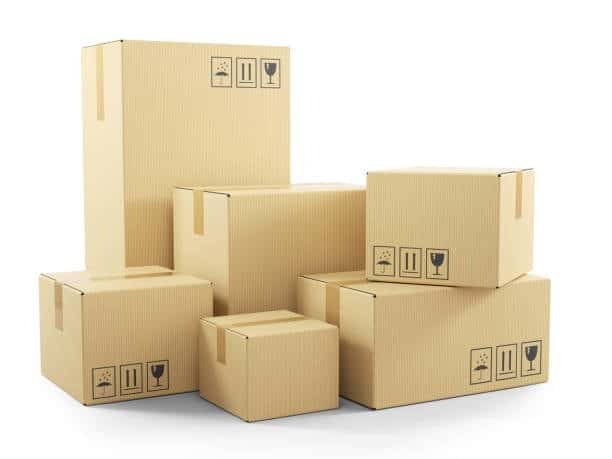
When Freight Is Economical: It’s strange, but sometimes shipping costs less than delivering large packages. Shipping a 200-pound item (LTL) can cost $150, but shipping the same item as an oversized parcel with FedEx Ground can cost more than $300, plus a fee.
Packing Tips for Large & Oversized Items
Choosing the Right Container
Box Selection:
- Boxes that weigh more than 30 lbs should be packed in double-wall corrugated boxes.
- Triple-wall is considered for items over 75 lbs.
- Wooden boxes of precious or very heavy objects.
- The box strength rating should be equal to the weight of your item.
Essential Cushioning Materials:
- Bubble wrap: Electronics 1 inch minimum.
- Foam padding: Foam of irregular shape.
- Packing of peanuts: Fill in empty spaces without touching fragile products.
- Corrugated inserts: open internal compartments of several items.

Professional Packing Techniques
The H-Tape Method: Use packaging tape to cover all the seams in the shape of an H. This evenly spreads the stress when closing the box and stops the corners from bursting, which is the most common way that big packages fail. For consistent results at scale, many eCommerce brands rely on professional packing services that already follow these standards.
Strategic Weight Distribution:
- Heavy items should be at the bottom middle.
- Internal dividers should be used to avoid movement.
- Seal any open spaces to avoid collapse due to weight.
Labeling Best Practices:
- Apply clear protective tape and waterproof labels on addresses.
- Use directional arrows and FRAGILE where necessary.
- Label more than one side in case any of them is damaged.
Shipping Options & Carrier Choices
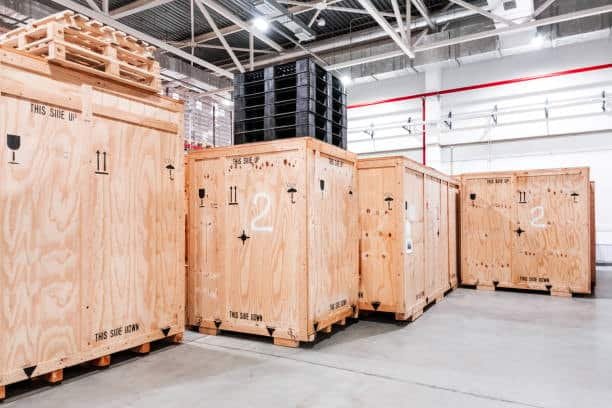
Standard Parcel Carriers vs. Freight Services
Major Parcel Carriers (UPS, FedEx, DHL):
- Advantages: Wide area coverage, assured delivery schedules, and delivery pickups.
- Cons: Large prices of oversized goods, weight restrictions.
- Best: Product: less than 150 lbs, normal packing, domestic deliveries.
LTL freight Carriers:
- Advantages: affordable with heavy products, professional working machines.
- Disadvantages: Commercial shipping is encouraged, and delivery time is increased.
- Best when: The weight is above 150 lbs, commercial delivery, and sensitive shipment.
Specialized Shipping Services

Furniture-Specific Carriers: Companies like uShip, furniture mover companies, and Freight Center focus on heavy boxes and offer even more services, such as inside delivery, unpacking, and assembly as a way of shipment
Fine art shippers offer climate-controlled custom crated shipping and insurance services that regular carriers can’t.
How to Save Money When Shipping Large Items
Strategic Packaging Decisions
Split vs. Single Package Analysis: It is sometimes necessary to save money when splitting a large item into a number of smaller packages with multiple layers of protection. Calculate both scenarios:
- Single package: Base rate + oversize charge.
- Various packages: (Base rate x packages in it) and possibly a multi-packaging discount.
Business Account Benefits: Better rates can be negotiated by even a small business.
- Volume discounts usually begin at the very low amount of 10 packages monthly.
- Freight rates availability for bulky goods.
- Surcharges that could be waived or lowered.
Timing and Service Level Optimization

Flexible Delivery Windows:
- Ground shipping is usually half the price of express services.
- Indeed, think of delivery appointment services, rather than guaranteed time windows.
- It is better to avoid such peak seasons (holidays, back-to-school).
Terminal-to-Terminal Freight: In the case of freight shipments, residential delivery can be replaced by terminal pickup, which will save 50-150 per shipment on UPS ground.
Common Mistakes & How to Avoid Them

Measurement and Weight Errors
The 5% Rule: Use 5% above your calculation of measurements and weight. This low buffer will help avoid high-cost reweighing expenses and package returns.
Packaging Oversight: A heavy box and soft padding can add an extra 5-15 lbs to the shipment. Incorporate this in the weight-based pricing computation of the postal service.
Carrier Limit Violations
Hidden Restrictions:
- Certain carriers have a maximum weight on a single piece (150 lbs on the UPS/FedEx standard)
- There are some limitations in the size of certain ZIP codes because of the limitations of delivery vehicles.
- Residential vs. commercial delivery impinges on cost as well as size limit.
Insurance Inadequacy: Standard carrier insurance does not have all the value items or may require particular packaging. Check the coverage of the reviews and think about third-party insurance for the valuable shipment shipping method.
Step-by-Step Process for Shipping Oversized Items
Pre-Shipment Checklist
Preparation Phase:
- Weigh (Add 5% buffer) and measure correctly.
- Divide length and girth and compare with carrier limits.
- Compare the carriers and obtain quotes.
- Check the accessibility of the address of large packages.
- Buy the right insurance cover.
Packaging Phase:
- Choose an appropriate container depending on weight and delicacy.
- Use professional packing skills and sufficient padding.
- Close with heavy-duty packaging tape using the H-tape technique.
- Use protective clear tape to put labels on several surfaces.
Booking and Tracking
Shipment Booking:
- Dimensional pricing should be done using carrier websites.
- Pick up large items instead of drop-off.
- Ensure that there is access to pickup (stairs, availability of elevators, loading dock)
- Make copies of all tracking numbers and receipts.
Monitoring Delivery:
- Create automatic tracking notifications.
- Talk to the recipient on time of delivery, and ship large packages.
- Make sure there will be somebody to take oversized shipments (mostly signature required), consolidated freight
Damage Prevention and Claims
Delivery Inspection: Verify packages at the time of delivery. Sign after recording any visible damage on the delivery receipt. Record pictures of any damage in the presence of the combined-length driver.
Claim Filing: The sooner you file claims, the better. All original packaging materials are to be held until claims are processed for oversize packages.
Case Studies: Real-Life Big Box Shipping Examples
Case Study 1: Cross-Country Furniture Move
The Problem: Pick up a vintage oak dining set (table and 6 chairs) in California and deliver it to New York large box.
The starting quote will be: $850 through a major parcel carrier, and several additional overweight charges.
Optimized Solution:
- Break down the table into parts.
- Used LTL freight delivery with terminal pick up.
- Final Cost: $340 (60% savings)
- Transit Time: 8 days vs. 5days (acceptable trade-off)
Key Lessons: The disassembly can significantly save the dimensional weight rates, and freight services can be more effective in the case of using a smaller box for heavy furniture.
Case Study 2: Artwork Shipping for Gallery Exhibition
The Dilemma: Transporting 12 framed paintings (of different sizes) to the gallery in the studio of the artist.
Factors to be considered: High value (in total 50,000), delicate materials, and insurance provisions.
Solution Implemented:
- Custom wooden crates with foam inserts.
- Specialty shipper of fine art that is climate-controlled.
- Price: 1200 with full insurance cover.
- Standard carrier: $2,400+ and less insurance.
Key Lessons: Specialist carriers may offer superior value and security to high-value goods, even though they may seem costly at first USPS Priority Mail.
Frequently Asked Questions
What exactly is “girth,” and how do I measure it correctly?
Girth is the length around the biggest area of your package. Divide the width by the height and multiply by 2: (W + H) x 2. A box 20 x 15 in size has a girth of (20 + 15) 2 = 70 inches.
How much will oversized fees typically cost me?
Excessive surcharges will depend on the carrier and size of the package:
- Small oversized (108-130 inches): $15-30 markup.
- Big bulky (130-165 inches): Incur an additional fee of $40-75.
- The upper limits differ, with most carriers limiting it at 165 inches on the whole.
Are there any size or weight exemptions I should know about?
Yes, there are several exemptions:
- Shipments involving the military normally bear lax rules.
- Some business accounts can bargain for higher thresholds.
- Promotions in the form of waiving surcharges are also presented by some carriers on a seasonal basis.
- Special handling rates may be offered for medical equipment.
What about insurance for high-value large items?
The usual standard carrier insurance will only cover between 100-500 per package. For higher values:
- Take extra carrier insurance (typically 1-3% of stated value)
- Third-party shipping insurance companies to be considered.
- Confirm coverage exclusions (artwork, antiques usually need special policies)
- The photo condition of the documents mailed.
Conclusion
Sending big things wouldn’t just mean putting them in a big box and sending them on their way. Send big boxes. When it comes to big box shipping, the most important things to remember are to never guess, add extra time to your estimates, buy the right packaging materials and follow the right procedures, compare different shipping options (like freight services), and never forget to look into special carriers for shipping unique products in big boxes. One thing to remember is that the price you see at first for rental moving truck services isn’t always the best deal. You should also think about the damage that could happen, the time wasted planning how to do it, and the other costs that will be covered. These are the first steps to take for your next great consignment. For eCommerce brands regularly shipping large or oversized products from China, partnering with a specialized fulfillment provider can remove most of these complexities.