It has become a pillar of international business to find good Chinese suppliers as well as reliable manufacturers. China, being the largest manufacturing center in the world, manufactures all types of products, including the latest electronics and ancient textile, giving a business an incredible chance to find quality products at a fair competitive price. But to work through the complicated supplier environment in China, one will need information, planning, and very precise implementation.

This is the ultimate guide that offers you practical recommendations, insider tricks, and ready-to-do tips on how to find, appraise, and collaborate with reliable suppliers and partners in China productively. It is the guide to success in the Chinese market, regardless of whether you are a startup that wants to find your first manufacturing partner or an established company that wants to diversify the supply chain.
Understanding China’s Manufacturing Landscape

The Evolution of Chinese Manufacturing
The manufacturing industry of China has experienced a phenomenal change in the past forty years, with many Chinese factories evolving into complex ecosystems. What started out as a low-cost and lower-labor-cost-intensive manufacturing system has developed into a complex ecosystem of global man-tech manufacturing, automation, and innovative product development. The Chinese manufacturers today range from small family workshops to huge industrial complexes employing thousands of workers and using state-of-the-art technology.
This development implies that suppliers are available across the whole span of value. China has the capacity to serve a variety of needs, whether it is the product of general wants or a high-technology component that needs advanced engineering skills. Knowing what kind of supplier you need to be to ensure quality is important, but this diversity is also important to understand the expectations around product development.
Regional Manufacturing Specializations
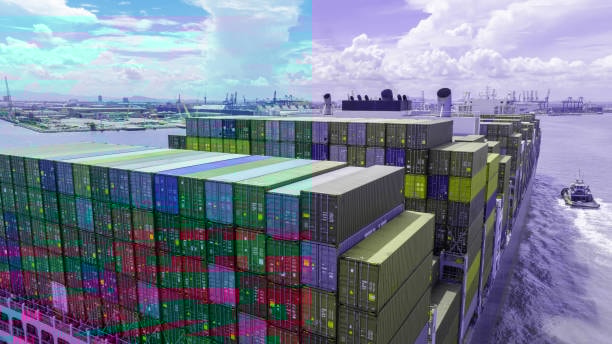
China has its manufacturing capacity distributed in different areas, with each area having its specialization and advantage, which resulted in a wide variety of products produced in China. The Pearl River Delta, with its centre located in Shenzhen and Guangzhou, is performing well in electronics, telecommunication equipment, and high-tech products. Shanghai and other nearby areas make up the Yangtze River Delta, which focuses on automotive parts, machinery, and precision instruments. The Bohai Economic Rim, within the regions of Beijing and Tianjin, also focuses on petrochemicals and heavy industry. These local areas of expertise will help you concentrate on areas where suppliers can be found to meet the search effectively. Considering the example of electronic component suppliers, it is more likely that factory owners and vendors in Shenzhen will be successful compared to those in other textile-oriented regions that also incorporate Jiangsu Province.
Supply Chain Integration Opportunities
The Chinese manufacturing has not only shifted to basic production but has also provided combined solutions in supply chain. Various suppliers are developing value added services which comprise product designing, packaging, logistic arrangements, and even market research, which helps to evaluate product quality. This combination can greatly ease your business and save money as you centralize several functions in a single relationship with a supplier directory.
1. The Canton Fair: China’s Premier Trade Event

Overview and History of the Canton Fair
The Canton Fair or the China Import and Export Fair, is the ultimate Chinese trade fair. As the world largest comprehensive trade fair, the event which began in 1957, has expanded to be visited by more than 200,000 people representing over 200 countries and regions. It is a gauge of the Chinese manufacturing performance and the export patterns and as such, is a must-visit place for serious buyers.
The history and the size of the Canton Fair are the indicators of its significance in the relationships between the Chinese manufacturers and the foreign buyers. The government assistance guarantees the high quality of exhibitors and the overall organization of the fair, whereas the reputation of the fair draws serious decision-makers both on the supplier and buyer sides. This mixture will help to develop a situation in which fruitful business relationships can be established effectively.
Understanding the Three-Phase Structure
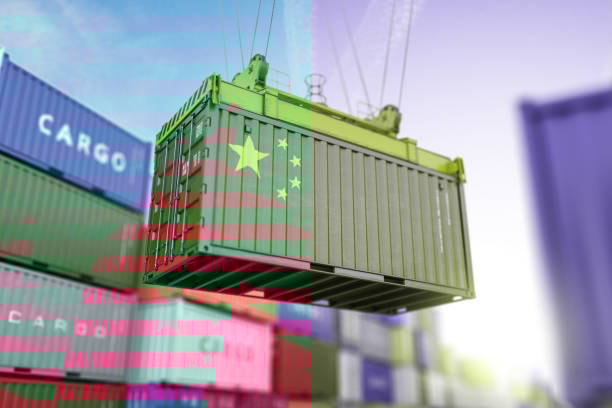
The Canton Fair is organized in 3 phases, and each phase has an average of 5 days, whereby it focuses on a specific line of products. This arrangement allows visitors to concentrate their time and energy on the suppliers that would be of interest to them, and as such, they do not get the overbearing impact of visiting all the sectors simultaneously.
Phase One: electronics and machinery Phase One is usually held between mid-April and mid-October, and it targets electronic and fashion accessories, electrical appliances, machinery, vehicles, and others of the same category. This phase targets the manufacturers of consumer electronics, industrial equipment, and automotive parts and the telecommunications device manufacturers. This phase is particularly applicable to firms that wish to identify new products or technologies in production since most of the high-technology suppliers are located in limited regions.
Phase Two: Consumer Goods and Gifts Phase Two is concerned with consumer goods and gifts, goods for the decoration of the home, and necessities. This is the ideal phase whereby the retailers, importers, and brands have an interest in the direct sale of goods to consumers. Its product diversification is enormous, as it deals with kitchenware and toys, sporting products, and jewelry. Some of the suppliers at this level must offer customization and private labeling.
Phase Three: Textile and Fashion Phase Three deals with textiles, clothes, shoes, and fashion accessories. China is now one of the most modernized industries globally in terms of the textile industry and has a diverse range of products under it, such as plain fabrics as well as premium fashion merchandise. This stage is reached by fashion brands and clothing sellers as well as textile traders in finished products and raw materials.
Strategic Preparation for Maximum Results

Canton Fair is a successful event that requires a significant amount of preparation to participate in. The initial measure would be researching the lists of exhibits, which are typically published several months before each fair, to determine the manufacturing capacities of the prospective suppliers. Identify the target suppliers based on the requirements of your product and draw a prioritized visit schedule. Arrange beforehand, contact key suppliers by hand to agree on the meeting dates, as there are well-liked exhibitors with busy schedules.
Prepare complete product requirements, technical requirements, and packaging requirements. Hold samples of the current products as a benchmark. Make templates ready for suppliers, like contact data, manufacturing capacities, certification, and cost plan.
Consider the logistic arrangements. Booking is done in advance since the hotels in Guangzhou are fully booked within a short period, particularly during fair seasons. Prepare additional time beyond the fair dates of visit to the factories, bargain, and agree on matters. The visits to factories and relationship building will extend the visits made by most of the effective buyers.
Maximizing Face-to-Face Interactions

The direct, personal contact with the suppliers is the biggest strength of the Canton Fair. This is the time to not only evaluate the products but the people as well. Cross-examine the experience, communication, and knowledge of the suppliers of the same as your market requirements. Look at the design of the booth, the knowledge of the employees, and the responsiveness to inquiries.
Go into detail regarding production capacity, quality control interventions, and customization. Ask them to provide certain quotes with the costs, lead times, and terms. Negotiating is not something to be afraid of, but should be done in a professional and respectful way. The suppliers offer the most special fair prices or conditions that cannot be encountered in other avenues.
Document all of the interactions. Take pictures of the products, receive business cards, and make notes on each dialogue. Follow-up program to maintain the momentum even after the fair is over. Most successful attendees of the Canton Fair are always keen to state that after they come home, the real work is done, and constant follow-up plays a crucial role in making sure that what began as contacts is then converted into working relationships.
Navigating Language and Cultural Barriers

Though most of the exhibitors in the Canton Fair have English-speaking employees, there may still be a problem of a language barrier. It is worth considering hiring a professional interpreter or collaborating with a local agent who will help communicate. Simple phrases in Mandarin will also make a difference and show respect for the Chinese culture.
The knowledge of Chinese business culture will make you more effective at the fair and help you understand how to find Chinese suppliers. The Chinese business practices revolve around relationship-building (guanxi). Take time to know your potential suppliers personally, not only professionally. Handshake during exchanging business cards with both hands, express your curiosity in the history of their company, and prove that you are interested in the long-term development of the relations.
Be tolerant towards decision-making. Chinese companies tend to have several stakeholders in critical decisions, hence slowing down the first response. Nevertheless, such in-depthness has the disadvantage of making partnerships more credible when dealings are made.
Post-Fair Follow-Up Strategies
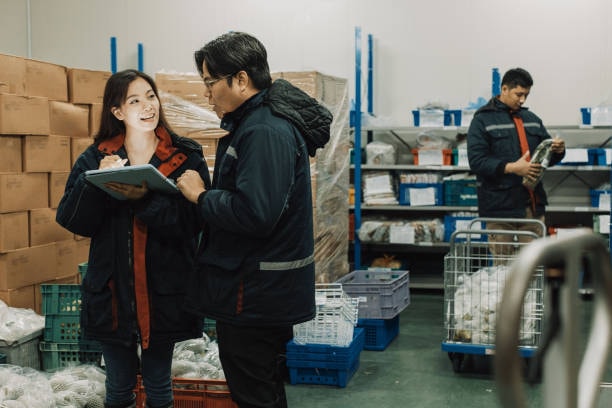
The most significant period is immediately after the Canton Fair to convert the contacts into partnerships. Adopt a methodical, active and periodic follow up policy, and of the suppliers in the first analysis, preference should be given to the suppliers. Follow up (within one week after the fair) individually and send a personal email where one makes reference to particular conversations and restatement of interest.Give specifications to shortlisted suppliers. Request that official quotes be provided on terms and conditions. Be prepared to articulate the necessary and answer questions since the suppliers also might need to provide additional information to offer appropriate price and time of delivery.Consider making factory visits to your most promising contacts. The personal tour of the production facility is an invaluable experience that is obtained upon the knowledge of the possibilities as well as the standards of quality and working conditions. Suppliers are also many that would provide factory tours and entertainments to serious buyers to show them the way it works.
2. Yiwu Market: The World’s Largest Wholesale Hub
Introduction to Yiwu International Trade Market
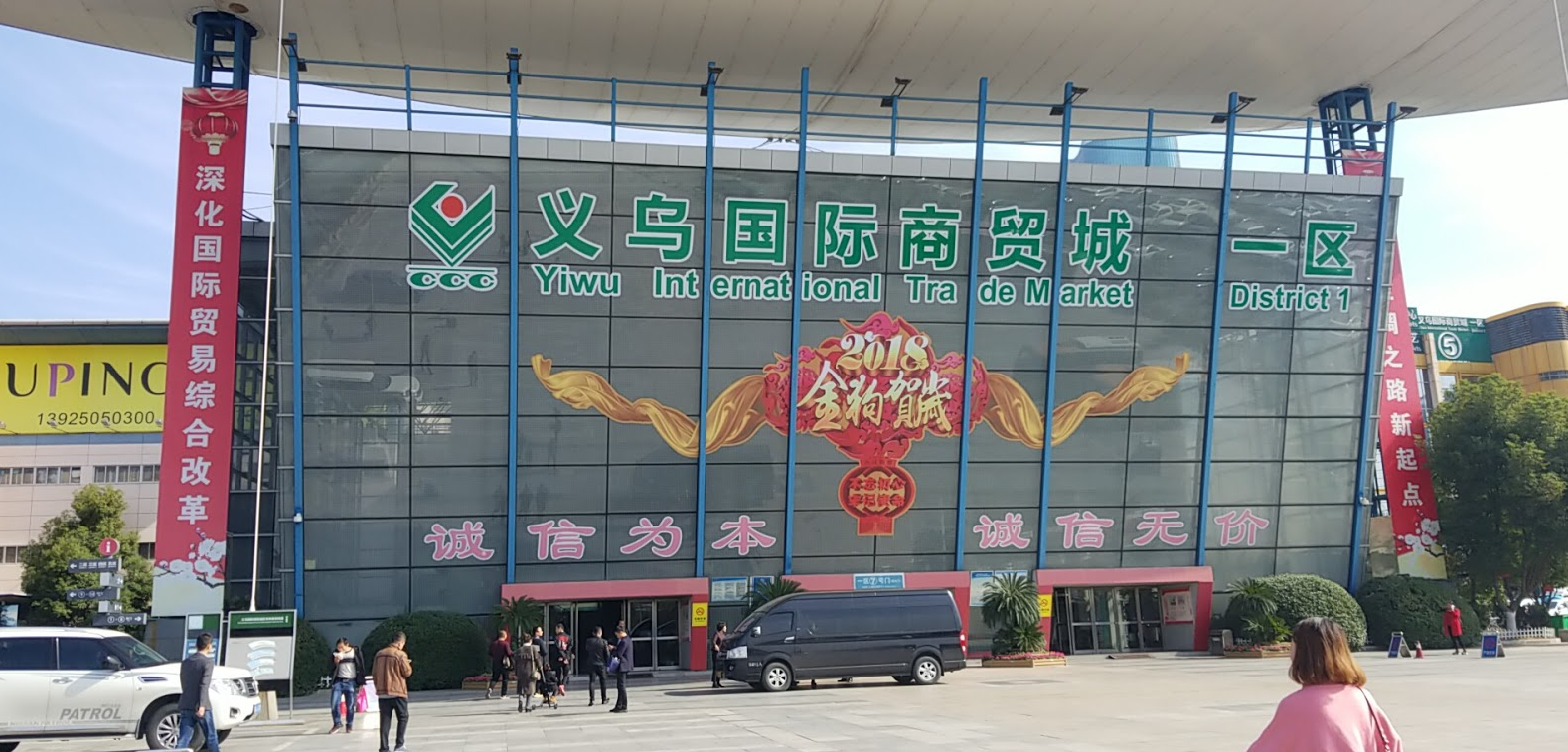
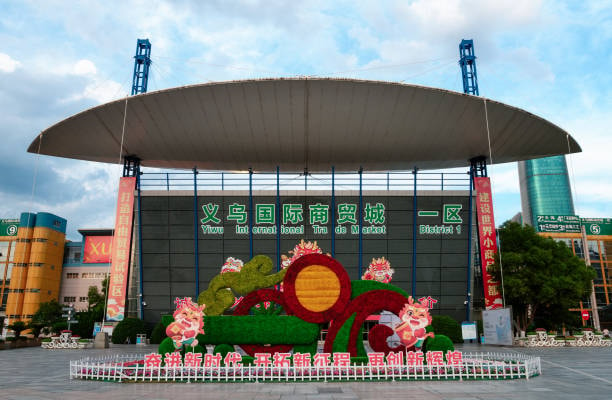
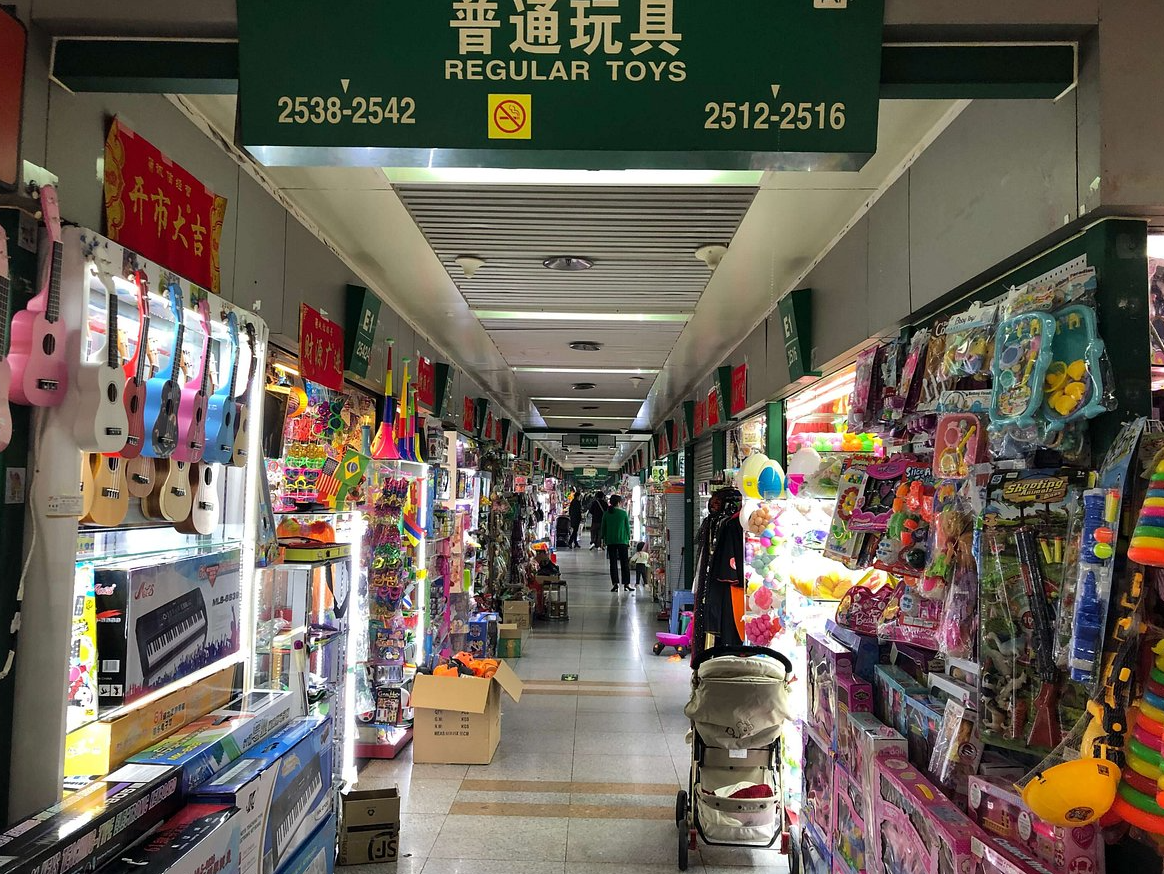
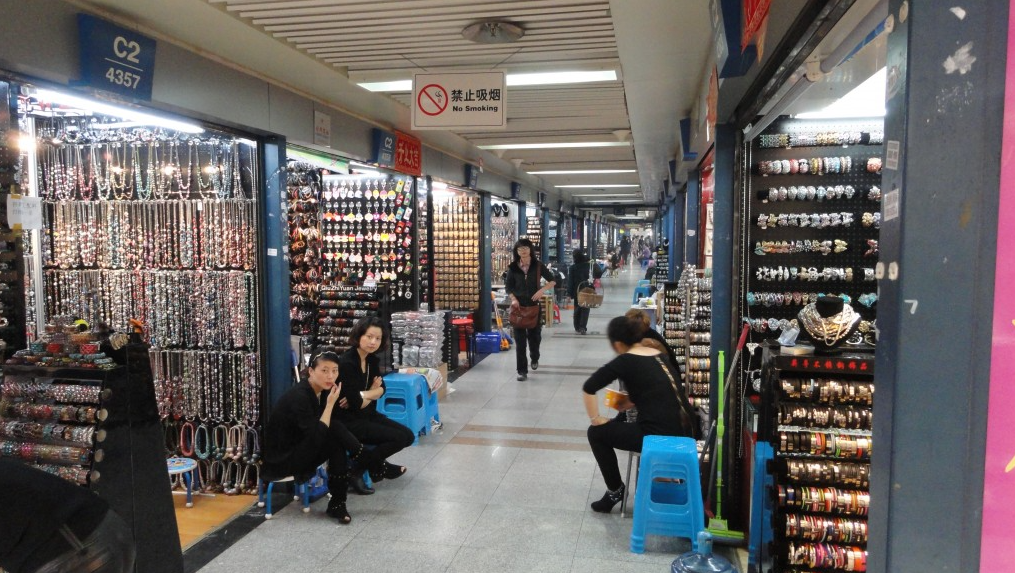
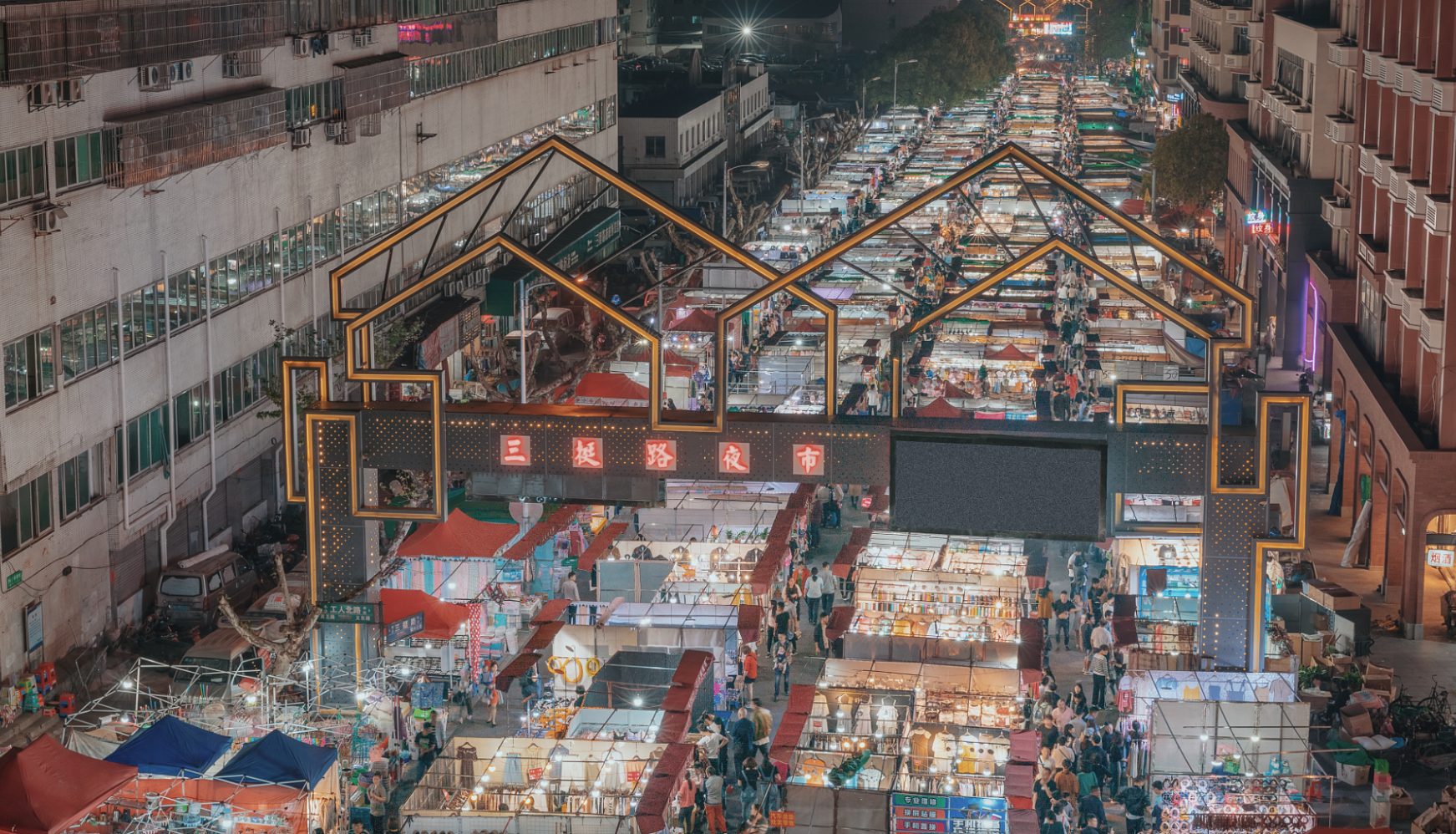
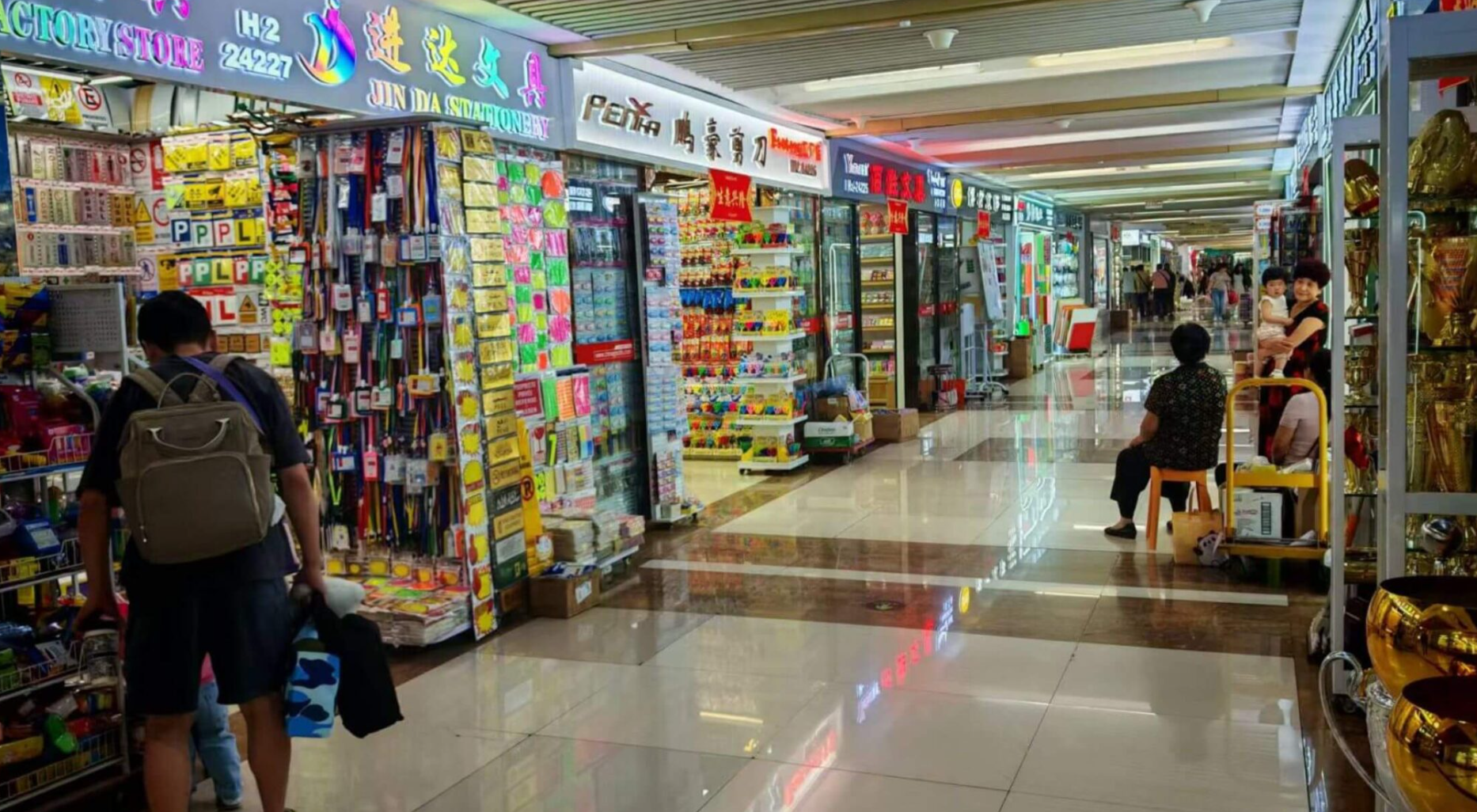
Yiwu International Trade Market can be regarded as a homage to the trading giants of China and it has been ranked the largest small commodity trading market in the world. It is a massive complex located in Yiwu City, Zhejiang Province, and it covers an area of over 4 million square meters and boasts of approximately 75,000 booths in a 5-district space. The market is a one-stop shopping destination with an ability of having accessories, toys and textile among others.
The market size is simply enormous. Suppose that you were forced to go to all the stalls, then that would take you over two months of walking to cover all the stalls by taking a minute to visit each of the booths. This scale implies the unbelievable variety of the products that can be sold at Yiwu and makes it the treasure trove of the customers that require a variety of options and decent prices to show the way they work.
Understanding Yiwu’s Business Model
Yiwu is more like a trading venue, unlike manufacturing oriented areas such as the Canton Fair. The trading companies that run most of the stalls are restocking products of manufacturers located all over China and selling them in a single location. The following are the benefits of this model: multiple product lines are available under one roof, the minimum order requirements are usually low as compared to those of direct contact with factories, and the consolidation also generates competitive prices due to the acquisition of large quantities.
This model of trading company also implies, though, that buyers are not usually close to the real manufacturers. Although it may make it hard to assure quality control and customization orders, the fact that Yiwu experienced traders usually have good ties with their supplier networks and can sometimes make direct facilitate direct connections as needed.
District-by-District Product Guide
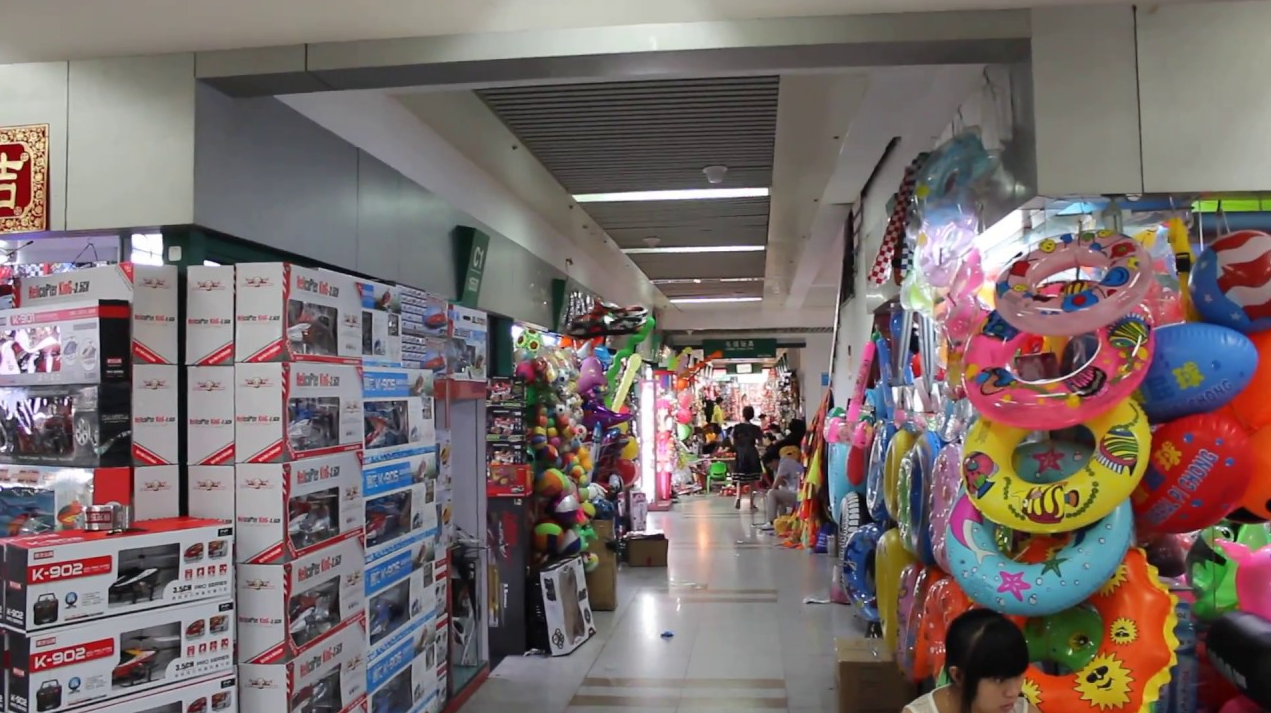
The division of Yiwu into special districts assists the buyers to orienting themselves through the giant complex effectively. Every district specializes in a certain type of product, which means that you can do specific shopping for China wholesale suppliers depending on your needs.
District 1: Toys, Flowers, and Accessories District 1 is full of thousands of stalls with toys, artificial flowers, jewels, hair accessories, and small gifts. This is an area that is especially favored by merchants operating in the markets of children and gift shops. The toy industry has simple plastic toys up to the advanced electronic games available, and the suppliers have the customization capabilities of doing the labeling onan individual basis.
District 2: Tools, Hardware, and Electronics District 2 deals with the hardware, tools, electrical equipment, and sports equipment. You will have the simple hand tools till some complicated electronic equipments. Buyers that come to this district are interested in practical things and utilitarian products not in decoration.
District 3: Bags, Cases, and Outdoor Products District 3 deals with luggage, handbags, cases, and outdoor gear. They are diverse in their style, starting with luxury-style handbags and continuing with useful travel accessories. The number of suppliers in this district that provide personalization services such as placing logos and customizing designs is very high.
District 4: Shoes and Socks District 4 is a district that specializes in footwear and hosiery. You will have all the age and purpose shoes such as sneakers of children or dress shoes of adults. The sock section also contains all the simple cotton socks to specialized athletic and compression socks.
District 5: Textiles and Fabrics District 5 is occupied by the suppliers of textiles such as fabrics and scarves, blankets, etc. This district is linked to the giant textile production center in China, where finished goods and raw materials can be provided to be further processing.
Effective Yiwu Shopping Strategies
Yiwu should be planned and carried out in a logical way to succeed. You may begin by identifying the districts that amuse your product requirements and spend your time on them. It is not possible to visit all the suppliers and product categories in a single trip, and therefore, make a list of priorities of all the categories and suppliers to visit. Establish good sampling methods.
One sample is cheap but sampling hundreds of suppliers in a short span will be expensive and logistically complex. Be attentive to professional suppliers, who are aware of their products and are willing to meet your special requirements. Negotiate in an orderly manner and at the same time demonstrate respect.
Yiwu traders are also good negotiators who would enjoy some bargaining, though professional relations would be maintained in the process. It is necessary to remember that the lowest price may not be the best, and when making the choice, you might also want to address such questions as quality, service, and reliability.
Quality Control Considerations
The specialization of Yiwu in the area of low-cost products would demand additional care in quality management. The competitive prices usually come at the cost of the quality of the market, and proper evaluation is a must when looking for low prices. Look at items critically as regards the quality of construction, durability of materials, and consistency of finishes. Get samples from various suppliers to compare the level of quality and best value propositions.
Be particularly careful on intellectual property issues. The other suppliers in Yiwu have products that infringe on the available brands or patents. Ensure that your products which you acquire in the Chinese wholesale marketplaces do not contradict with intellectual property in your target markets. In case of uncertainty, please ask to be provided with a copy of the set of documentation to ensure the products are authentic or licensed. Implement quality checks in the process of sourcing.
This includes thorough product inspection, correct quality specifications, and methodical sample testing. Third-party inspection services: it would be prudent to consider using the services of third parties who would inspect the quality of the product before sending it to the market.
Building Relationships with Yiwu Traders
Though the market is commercial oriented, the personal relationship applies to the long run success. Get to learn more about your suppliers than talk about products. Familiarize yourself with their businesses, understand their difficulties, and demonstrate the fact that you want to further collaborate with them.
The confidence of the Yiwu traders may be built with the assistance of regular communication and constant business relations. Make all the interactions professional, pay on time, and with specifications. Suppliers who view you as a good partner would tend more to give you competitive prices and priority service, not to mention they would give you access to new products.
Logistics and Shipping from Yiwu
The successful trading in the global sources trade is attributed to the trading hub of Yiwu which has the best logistics infrastructure. The city also offers complete shipping services, which are air freight, sea freight and overland delivery services to the rest of the destination and numerous suppliers. The number of providers of integrated logistics is very high, and they handle the packaging up to the customs paperwork.
Consider consolidation services to decrease the costs of shipping. The Yiwu logistics providers can cut across purchases of different suppliers into a single shipment (this reduces the unit costs of transportation). The service is also very handy when the buyers need various products offered by various suppliers and China wholesale suppliers.
Get to know the documentation by the target markets. Yiwu suppliers are very much conversant with the export procedures and ensure that all the necessitated certificates, conformity papers and customs are in place before shipment to the online retailing business across the world.
3. Online Search Strategies for Finding Suppliers

The Digital Revolution in Supplier Discovery
The internet has also had a fundamental change in finding and contacting china suppliers by the businesses. You used to have to travel a great distance and use personal contacts to do certain things, but now you can do it from the comfort of your office computer. Nevertheless, there is a new cost associated with this accessibility: information overload, problems with verification, and competition to capture the attention of suppliers on China’s wholesale websites.
Effective online supplier discovery involves an effective tactical use of more than one mode of search, a keen verification procedure, and a placed evaluation criterion. The trick is to use digital tools without neglecting the standard of due diligence, which safeguards your business against risks secure payment methods.
Advanced Search Engine Techniques
No, any search will lead one to find the most suitable contacts with suppliers. Instead, the design developed search methods further with the assistance of special keywords, geographic, and high-level search operators. Associate the product names with the same cities where they are manufactured. As a sample, the forestall LED lighting Shenzhen manufacturer compared to the forestall LED lighting supplier. Filter search results using operators.
The operator: site allows you to do a query in a certain domain, e.g., site: alibaba.com. The manufacturer of LED will facilitate the identification of suppliers at some locations with freight charges. This operator will be a Translation engine that will allow finding an exact wording and the supplier that fits a specific capability or certification.
It is estimated that most manufacturers usually have large websites that are primarily Chinese and contain very little English. Chinese keywords can identify suppliers that you cannot find when you use an English keyword, and can lead to less competitive supplier relationships when buying in large quantities.

Leveraging B2B Platform Capabilities
The big B2B platforms like Alibaba, Global Sources, and Made-in-China offer superior search and filter tools that are much more advanced than one-dimensional keyword searches. Know how to utilize these tools to identify suppliers that will fit in your business model and have partners that you can trust, especially if you operate e-commerce stores.
Alibaba Advanced Search. The webpage has several options that can be used to filter the search of suppliers. Narrow down by the Trade Assurance to identify suppliers of payment protection services. The filter of the Verified Supplier categorizes the companies that were further verified. Geographic filters will help you to target suppliers in specific locations where your products fit.
The response rate and response time filter is adopted to eliminate suppliers that are not active on the platform and will not respond swiftly to queries. These indicators are likely to be related to the professionalism of suppliers and the business-oriented shipping method.
Specialization Global Sources Specialization: Global Sources has specialized in supplier verification and will have a greater amount of company information compared to other trade show sites.
.Their supplier profile usually includes pictures of the factories they are based in and details on their production capacities and line of products for East China imports. Make use of their industry-specific searches in order to find suppliers that are experienced with your line of products.
Listing Made-in-China is quite thorough when it comes to listing the products and the suppliers. Their location is excellent in terms of technical characteristics and product features, therefore viable to consumers with unique technical requirements.
Social Media and Professional Networks

The Chinese suppliers are leveraging social media and other professional networking platforms, such as China wholesale marketplaces, to market their services to the appropriate manufacturers. The most popular social media in China is known as WeChat, and it offers the opportunity to learn the history of the company, to establish contact with the decision-makers, and to consider the reliability of the business export commodity fair.
The combination of the messaging and voice call capabilities, and the ability to share documents with WeChat, makes it the preferred tool of many suppliers when engaging in business talks. It is often employed as the primary method of further interaction in relationships with the same suppliers, although in order to establish the WeChat relations, it is necessary to initially communicate by means of other media.
Facebook and Instagram cannot be used in mainland China, but the suppliers targeting international markets resort to using VPN services when addressing them. These sites might provide information regarding the culture of the business, manufacturing capacity, and low prices of the target market.
Industry-Specific Directories and Platforms
In addition to generic B2B websites, a large number of industry-based directories are specific to a type of product or segment of the market. These niche sites can be more technical in nature, and supplier specialists with special expertise are more likely to be found in private label services.
In the case of electronics, there are specialized platforms such as PCB Directory and Electronic Products, which target electronic component manufacturers and services. Textile companies can consider inviting suppliers of fabrics and garments through sites such as Fibre2Fashion and TextileWeb.

The industry of chemical buyers also has the advantage of sites such as ChemNet China and Chemical Book, which focus on the products of the chemicals industry and pharmaceutical intermediates. Such special sites may also include technical requirements, safety data, and regulatory compliance information that general sites might not contain for international shipping.
Verification Challenges in Online Sourcing
Discovery of suppliers online has special verification issues. In the absence of this face-to-face interaction, supplier credibility has to be evaluated cautiously through the analysis of the information available and through the systematic verification procedures for bulk orders.
A red flag in the online supplier profiles is when the company shows minimal information in its profile, refuses to supply information on business registration, offers prices that appear too good to be true and poor communication attend trade shows. Specifically, the suppliers that cannot show clear factory photos, business licenses, and references of existing consumers should be treated with a lot of doubt office supplies.

Compare supplier data with the information in various platforms and search engines. The legitimate suppliers usually have consistent information available on various channels, whereas fraudulent activities usually show inconsistency in the company details, contacts, or products being offered to global buyers.
Ask to hold a video call/virtual tour of the factory. The supply of a virtual tour of the facilities through the smartphone or tablet is now provided by many legitimate suppliers listed in the supplier directory, and you can view the production equipment, storage space, and conditions on the job without the need to travel to China.
Building Online Relationships

Online supplier relationships are more difficult to build and are more deliberate than face-to-face ones. Take time to write extensively and articulate your business model, quality needs, and future goals, and keep everything organized in your supplier directory.
Communicate using professional communication tools and keep regular communication schedules. Checking in frequently, even without an immediate order, is part of preserving the relationships and staying aware of new products or capabilities same page.
Post business knowledge publicly. Give information regarding your company, market orientation, and development strategies. The suppliers who are aware of the context of your business will be in a better position to cater to your needs, and they might also be offering more competitive business terms when it comes to partnerships that are strategic to the supplier.
4. Supplier Verification & Credibility Assessment

The Critical Importance of Due Diligence
The key to success in foreign sourcing is checking out suppliers. If a business doesn’t do its due diligence, it could be at risk for things like financial fraud, quality failures, theft of intellectual property, and supply chain problems. It is harder and more important to do the supplier verification for domestic sourcing because cross-border business relationships are so complicated.
Good verification goes beyond just checking that a company is registered. It also checks that the company is financially stable, can make things, has good quality control, and follows the rules of business ethics. This is a complete plan that keeps your business safe and helps you find suppliers who can help you reach your long-term growth goals.
Business Registration and Legal Entity Verification
The government keeps a record of all legal Chinese businesses. The first thing to do when verifying is to ask for and check basic business registration information, like a business license, a tax registration certificate, and an organization code certificate.
The Unified Social Credit Code (USCC) is one of the most important signs of a Chinese business. Official government databases could verify this 18-digit code, which would prove that the business is legal. When you’re first looking at suppliers, ask them for this information. If they don’t want to give it to you, that’s a big red flag.
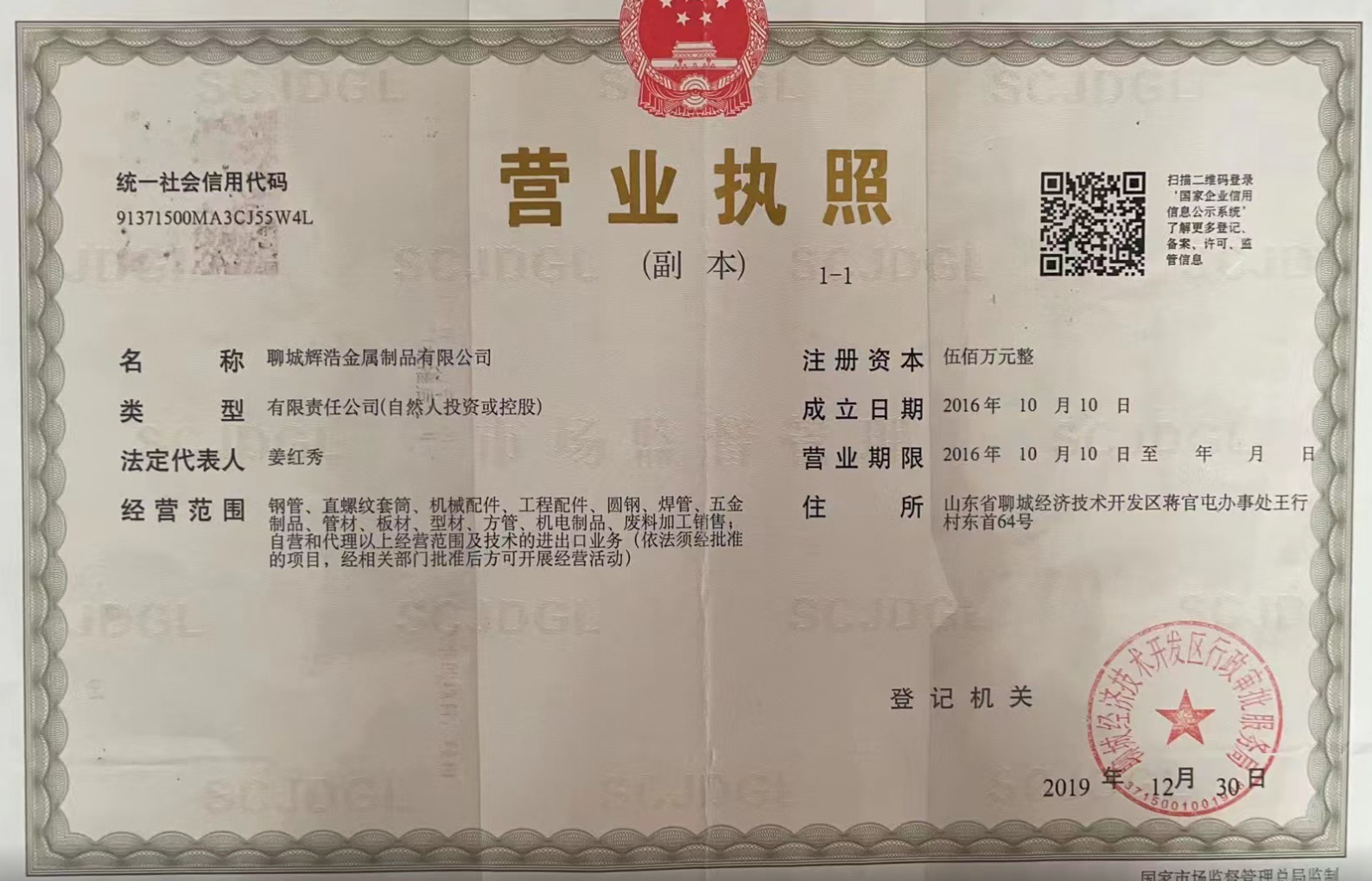
Systems for checking individuals If you can, use government systems to check things. The National Enterprise Credit Information Publicity System (NECIPS) lets you see basic information about a company for free, like whether it is registered, the name of the legal representative, and the amount of money it has registered. Even though the system is mostly in Chinese, there are translation tools that can help you find the information you need.
You could also think about using local legal or business agencies that will do more thorough background checks. Chinese business service companies can get into more databases, check to see if the registration is real, and find out about the companies’ reputations and status in the local business world.
Financial Stability Assessment
Long-term viability and supplier reliability are directly impacted by financial stability. Numerous indicators are used to assess the stability and financial health of suppliers in relation to their operations, even though comprehensive financial information may be difficult to obtain.
The company’s size and scope provide some initial insight into wholesale suppliers’ financial strength. To ascertain the scale of operations, look at the registered capital sizes, staff counts, and facility sizes. However, it is crucial to remember that China has very low registered capital requirements, so this sum does not always correspond to financial performance.
Preferences for terms of payment can demonstrate sound financial standing. While suppliers who accept regular terms (such as a 30% deposit, 70% on delivery, etc.) typically have better financial standing, those who demand full or partial advance payments may not be able to meet their cash flow needs.
Third-party credit reports are an example of professional financial analysis. International credit reporting companies like Dun and Bradstreet offer risk assessment, financial analysis, and credit ratings. They also have databases of Chinese companies. These reports do come with a price tag, but they provide a useful, unbiased evaluation of significant supplier relationships.
Production Capability Verification

Knowing the realistic capacity of production will avoid expensive errors and has the added advantage of having suppliers capable of fulfilling your needs. Such validation would involve checking physical capacity and technical competence.
The Factory Size and Equipment Evaluation request provided information on factory facilities such as total space, production line arrangements, and important equipment specifications. Request factory photos of production areas, quality control areas, and storage capacity. Legitimate manufacturers are easy to provide this information, and they at times, take pride in displaying their amenities.
Capacity Analysis Learn to think realistically about production capacities of your products. Enquire about existing volumes of production, capacity, and the common lead times. Do not accept the promises given by suppliers that they can supply unlimited capacity or that they can supply with very short lead times because the same promises are usually given by trading firms and not manufacturers.
Technical Competence Evaluation Evaluates the technical knowledge by conducting in-depth product conversations. Customs of qualified manufacturers have a great level of knowledge about their products, process of production, and quality control. They are able to speak intelligently on the subject of technical specifications, properties of materials, and manufacturing challenges.
Quality Management System Verification

The systems of quality management have a direct influence on the consistency of products and reliability. Assess the quality of methods used by suppliers using their certification, process documentation, and testing capabilities.
International Certification Assessment Review: International certifications such as ISO 9001 for quality management, ISO 14001 for environmental management, and product-specific certifications such as the CE marking or UL listing. Check with issuing bodies to verify the authenticity of the certificate, as it is a pity that fake certificates are very prevalent.
Internal Quality Control Processes Learn the internal quality control processes with the suppliers, such as inspection of the incoming materials, in-process, and end products. Ask to have documentation of quality procedures and an example of quality control records. Extensive quality systems involve elaborate procedures and frequent training programs as well as systematic record keeping, which is a major strength of third-party logistics.
Laboratory Capabilities: Laboratory testing of your particular products. A significant number of manufacturers have their own testing labs where they perform regular quality checks, and some have to use the services of external testing laboratories. Know what testing is made regular and what extra testing can be scheduled on an as-needed basis.
Intellectual Property Protection Assessment
Another serious issue of sourcing in China is the protection of intellectual property. Although the law’s protection has significantly enhanced, due diligence on IP practices ensures that possible conflicts and legal matters can be avoided.
Negotiate IP policies with prospective suppliers. Legitimate manufacturers are aware of IP and generally possess a policy concerning the protection of information and designs owned by customers. They are also supposed to enter into non-disclosure contracts and not violate our intellectual property rights.
Inventory review of IP of closed lines of product in suppliers. Be cautious of suppliers who offer products similar to well-known brands, as this may indicate a lack of seriousness regarding intellectual property protection.
When the right time comes, put in your own IP in China. Chinese law is a first-to-file system, which means that protecting trademarks and patents in China is more secure than protection based on a foreign registration.
Ethical and Social Responsibility Verification
Social responsibility and ethical business practices have gained more significance in the global supply chains. Ethical sourcing practices are encouraged by consumer awareness, regulatory needs, and corporate responsibility programs.
Labor Practices Assessment Evaluate labor practices such as labor conditions, wages, and labor safety programs. Inquire about the working hours, overtime policy, and safety training programs. Third-party audit: to obtain an overall labor practice evaluation.
Environmental Compliance Review Evaluate the environmental compliance with reference to permit review, waste management practices, and environmental certification status. The environmental laws in China have also been tightening, and it is now legal as well as an indication of good business conduct.
Social Audit Considerations Social auditing assesses the wider business operations, such as community involvement, relationships with suppliers, and ethical business operations. Social responsibility assessment frameworks are offered in many international standards, such as the SA8000.
Third-Party Verification Services
Professional wholesale supplier verification services offer unbiased evaluations and expertise in the area of complete evaluation of suppliers. These services are in the form of simple verifications of the company to in-depth audits of its activities.
The credit reporting services international credit agencies offer standardized reports that contain business registration checks, financial analysis, and risk assessment. These reports offer professional evaluations and standard risk ratings, facilitating supplier comparisons in the Global Sources trade.
Professional audit firms engage in on-site factory audits and inspections in regard to production capacity, quality systems, and compliance conditions. These audits are objective and have detailed reports, which are used in informed decision-making.
Background Investigation Services Background checks are thorough and include legal status checks and reputation checks, as well as reference checks conducted by specialized background investigation firms. The services are mostly essential when the supplier relationship is important or when it involves complicated verification requirements.
5. Effective Communication & Sample Management

Establishing Professional Communication Standards
Good communication is key to a good relationship with suppliers, especially when there are language and cultural differences. Professional communication prevents misunderstandings and helps both sides build trust and fully understand each other’s needs and expectations. Set up standard ways to talk to suppliers in the supplier directory so that all communications with them are the same.
You will need to set up the right ways to talk to each other, make sure everyone knows what to expect in terms of response time, and write down what needs to be done. Many winning bidders create communication templates to make sure that all the information needed is always included in supplier inquiries and talks. Formal emails should be very clear and detailed.
Make sure your subject lines are clear and include your company name. If the subject is hard to understand, use numbered points to organize your emails in a way that makes sense. Adding all of your contact information, including your business information, to your email signature is also important for building trust and making it easier to follow up on messages.
Cross-Cultural Communication Best Practices

The Chinese business culture can be well understood to enhance effective communication and build relationships. Chinese business culture is focused on the idea of relationship-building (guanxi), respect for hierarchy, and an indirect way of communication, which might not correspond to the Western way.
Take time to build relationships with other people in ways other than direct business dealings. Provide details of your company background, positioning, and future expansion. Demonstrate long-term interest in the business of the suppliers and show enthusiasm for their business. This relationship emphasis usually results in more favorable prices, preferred service, and cooperation in solving problems.
Hierarchy in business structures is practiced by Chinese firms. Establish the decision-makers and make sure that they are part of crucial communications. Learning the organizational structure enables you to circulate messages in the right direction and not miss valuable stakeholders who can make or break buying decisions.
Delay in communication timing and decision-making processes. Chinese business organizations may include various stakeholders in crucial decision-making processes, and this may take longer to respond than may be the case with the West. Nevertheless, such comprehensive practice tends to lead to more trustworthy promises after decision-making is made.
Technical Specification Communication
Ensure that the suppliers are aware of the specifications you need by having clear technical specifications, which avoid costly misunderstandings. Write detailed specifications that do not create any room for interpretation.
Detailed Product Descriptions Provide detailed product descriptions such as all pertinent specifications, dimensions, materials, performance requirements, and quality standards. Metric and imperial measurements should be used where relevant, and tolerances should be provided on critical dimensions. When feasible, give reference standards or comparison products to make the requirements clear.
Visual Communication Tools Visual specifications and specifications are supplemented by visual aids such as technical drawings, photographs, samples, and diagrams. Visual communication is especially efficient in the case of language barriers and assists in the adequate comprehension of intricate requirements.
Material and Component Specifications They define the materials and components in exact detail together with grade specifications, certification, and acceptable alternatives. Offer material property requirements, including strength, durability, and resistance to the environment. Add any limitations on materials on regulatory compliance or market preferences.
Sample Request and Evaluation Processes
Good sample management also means that you look at the requested samples’ capabilities from suppliers in a comprehensive manner at a minimum cost and time. Design systematic methods of sample requests, evaluation, and reporting.
Strategic Sample Requesting Request samples are chosen in a strategic manner instead of taking samples of all possible suppliers. Pay attention to suppliers who are professionals, possess technical expertise, and match your requirements. Put clear sample policies such as payment terms, delivery expectations, and evaluation criteria.
Overall Sample Assessment Develop standardized assessment criteria for all the received samples. This involves visual observation, dimensional check, material test, and functional performance test. Record all evaluation outcomes in an organized manner to make supplier comparisons and selections easier.
Develop evaluation templates that will guarantee homogeneity in the evaluation of all samples and suppliers. Both objective and subjective quality measurements should be involved. Take samples of photographs and provide detailed records in the future.
Sample Cost Management: Know sample cost buildings and bargain acceptable terms. Some suppliers impose charges for samples and freight expenses, and some will offer free samples to qualified buyers. Weigh the price of the sample against the price of the detailed assessment, especially when dealing in high-volume or highly important products.
Negotiating Minimum Order Quantities
Minimum Order Quantity (MOQ) negotiations have a major influence on your inventory management, cash flow, and operational flexibility. Know the MOQ policies of the suppliers and devise strategies for reaching a win-win settlement.
Learning MOQ Drivers Suppliers develop MOQs on the basis of efficiency in production, purchase of materials required in production, and installation expenses. The knowledge of these drivers can assure that you will negotiate better and be able to recognize the areas in which you can reduce the MOQ by making design changes or giving flexibility in the schedule.
MOQ Reduction Strategies There are a number of strategies that can be used to reduce MOQs, and they include multiple products in one order, longer lead times when buying smaller quantities, correct demand forecasts to use in planning, and showing long purchase commitments to warrant a smaller initial purchase.
Alternative MOQ Arrangements Check out alternate arrangements, including blanket arrangements with scheduled releases, consignment arrangements, or joint MOQ arrangements with other purchasers. Certain suppliers do provide the policy of flexible MOQ to their proven customers or strategic alliances.
Contract Development and Documentation
Contracts are important to secure the two parties and give them clear guidelines on how to proceed with business. Negotiate detailed contracts covering all issues of the supplier relationship whilst being practical and enforceable.
Essential Contract Elements Essential contract elements that will be included are: product specifications and quality standards, pricing and payment terms, delivery times and logistics arrangements, quality control measures and acceptance conditions, protection of the intellectual property, and dispute resolution measures.
Quality and Performance Standards Quality standards are clearly defined to incorporate measurable standards and industry standards. State inspection, acceptance, and correction measures to be used on non-conforming products. Add the clauses of continuous improvement and monitoring supplier performance.
Risk Management Provisions deal with the possible risks by providing proper provisions in the contract, such as: force majeure provisions in situations beyond the control of the parties, limitation of liability of both parties, obligatory insurance against losses, and termination provisions in case of the breakdown of the relationship.
Documentation and Record Keeping
Effective supplier management is supported through systematic documentation, which gives historical records for developing relationships and solving problems.
Communication Records: Keep full accounts on all communications with suppliers, such as emails, meeting notes, summaries of phone calls, and formal correspondences. Make records as per supplier and topic so that they are easily accessed and used.
Technical Documentation Document: all technical specifications, drawings, samples, and modifications in an organized manner. Version control makes everyone on the same page, and confusion with obsolete information is minimized.
Performance tracking the progress of suppliers in a systematic manner, such as delivery performance, quality measures, responsiveness measures, and relationship satisfaction scores. Apply this information to division suppliers, relationship enhancement, and strategic decision-making.
6. Payment Methods & Financial Security

Understanding International Payment Risks
International payments considered have some risks inherent in them, unlike local transactions. The presence of currency risks, regulatory risks, the possibility of fraud, and the lack of legal remedies pose issues that must be managed carefully through risk management strategies. The awareness of these risks facilitates improved decision-making on the mode of payment and payment terms.
The information asymmetries in international trade are the geographic distance and the legal systems where they are conducted, which in turn can be exploited by fraudulent suppliers. Other conventional methods of transferring money, such as wire transfer, have little protection after the money is dispatched; hence, due diligence and a choice on payment method are essential in aiding financial security.
Traditional Payment Methods Analysis
Wire transfers are still the most popular form of international payment because they are simple and they are universally accepted. They do not provide much protection, however, after the funds have been transmitted. Wire transfer is effective with known suppliers with whom they have been doing business with and trust has been built.
In the case of wire transfers, check bank account information by using various methods of communication. False bank accounts or last-minute amendments may be made by the unscrupulous suppliers profiling payment to the unscrupulous accounts.
Letters of Credit Letters of Credit (LC) offer a high degree of protection, as they go so far as to empower banks to insure payments under certain specified conditions. LCs are especially effective in big orders or new relationships with suppliers when extra security is worth the extra cost and complexity.
The documentary LCs are the ones where the suppliers are required to present certain documents prior to releasing payments, and this includes the shipping documents, inspection certificates, and commercial invoices. This is documentary evidence that confirms that goods are shipped and that they are of a specified requirement before payment is made.
Modern Secure Payment Solutions
Escrow services involve the deposit of payments by buyers until they are satisfied with delivery. Such services will protect both sides, where buyers will keep the payment until they receive the goods and suppliers will have the assurance of receiving payments after satisfying the delivery requirements.
Most of the international escrow services, such as Escrow.com and Trade Assurance of Alipay, provide standardized procedures and dispute resolution systems. Although charges are paid, security advantages usually cover material transactions or the introduction of a supplier.
Trade Assurance Programs Major B2Bs will offer trade assurance programs that offer payment security and dispute resolution services. The Trade Assurance by Alibaba is an assurance provided by the company regarding the orders done via their system; in case of a non-delivery or quality problem, a refund would be given to the customer.
These platform-based protections are optimal in the case of smaller orders and well-established platform relationships. Coverage limits and dispute resolution processes, however, do differ, and terms and conditions need to be reviewed carefully.
Payment Terms Negotiation Strategies
Standard Industry Terms: The majority of Chinese suppliers would demand payment terms that fulfill the cash flow requirements of the supplier without jeopardizing buyer security requirements. They are usually expressed as a 30% deposit as confirmation of orders and a 70% balance before shipment, or a 30% deposit, 60% production completion, and 10% after delivery confirmation.
The knowledge of the industry standards assists in setting up reasonable bargaining points. Suppliers can also provide better conditions on higher volumes of orders, developed relationships, or assured purchase quantities.
Progressive Payment Structures Progressive payment structures are based on milestone payments to the production, which offers security to both sides and helps to maintain the cash flow requirements of the supplier. Examples of typical structure may be 20% on order confirmation, 30% on material procurement, 30% on production completion, and 20% on shipment.
In this method, the milestones should be defined correctly, and the verification process should be performed. Milestone completions can be checked by the third-party inspection services, giving objective confirmation of the payment release.
Currency Considerations and Risk Management
Currency Selection: The majority of Chinese suppliers provide prices using USD, which is stable and familiar to international buyers. Nevertheless, certain suppliers are willing to deal in RMB, especially when the local market is targeted by the company or when the USD is erratic.
EUR prices could be provided by the suppliers serving the European market, and there are suppliers that accept various currencies depending on the preferences of buyers. The selection of currency influences the price, payment process, and distribution of the exchange rate risk.
Exchange Rate Risk Management: The level of exchange rate variation can have a major effect on total project costs, especially when dealing with high order quantities or long payment terms. Forward contracts enable the buyer to hedge their exchange rates to future payments, which gives certainty of cost and budgets.
Certain suppliers provide currency hedging schemes or modify their prices in accordance with the fluctuations in the exchange rates. Those arrangements can offer each other safeguards against negative currency flows, besides having consistent business relationships.
Conclusion
China has manufacturing hubs that are specialized in various industries—Shenzhen in electronics, Shanghai in automotive and machinery, and Tianjin in heavy industry—and therefore it is important to select suppliers according to the region. These services, such as design, packaging, logistics, and research, are now offered as integrated services by many suppliers and save businesses time and costs. The Canton Fair, the largest trade fair in the country, presents suppliers in three stages, and they must be prepared to attend, culturally aware, and then follow up to achieve success. In the meantime, the largest trading center of small commodities (in the world) is the Yiwu International Trade Market, with a wide variety and low order quantities, although they are less customized and controlled in terms of quality.