Introduction
Each year, thousands of enterprises have a very serious choice that can make or break their business operations: to select a suitable supplier, such as those listed on made-in-china.com. A single misjudgment may cost you thousands of flawed products, missed deadlines, and customer relationships. The stakes are even higher when Made in China suppliers are concerned, yet are the concerns warranted?
It is the ultimate guide with tips on how to isolate legitimate, reliable Chinese suppliers and those that may set your business off track for buyers. We will discuss the entire process of suppliers vetting, disclose the advantages and the disadvantages of doing business with Chinese manufacturers, and will give you a handy roadmap in order to reduce the risks and maximize the advantages.
We will discuss the following: how verification of suppliers works, what are the too-verify-supplier badges are, warning signs to watch, and best of all, what you need to do other than just hope-and-take-a-chance when you decide to purchase.
What Are “Made in China Suppliers” and What You Should Check
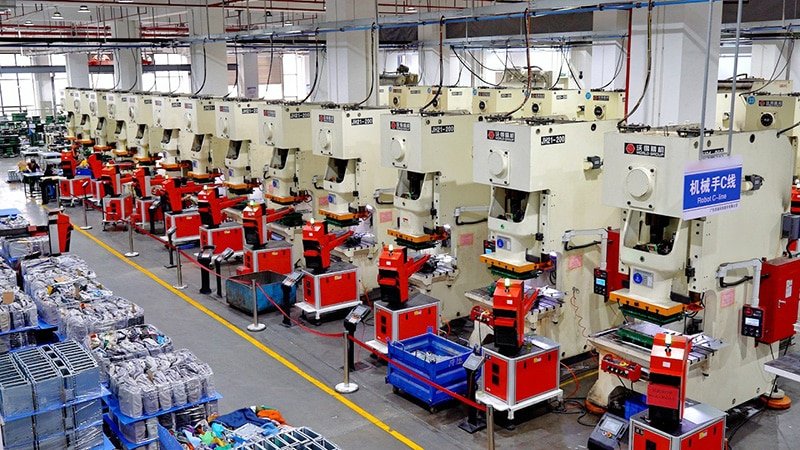
Made in China suppliers are suppliers that are the manufacturing companies and trading firms located in China that produce goods to be sold in foreign markets. They vary from small family-owned plants to huge industrial complexes to cater to international brands. Not every supplier is the same, though, and the trick is knowing what credentials and characteristics to check.
Essential Credentials to Verify
Business Documentation: All the legitimate suppliers must be holders of a valid business license, export license, and the corresponding industry certification. Demand copies of these documents and authenticate them by official government databases when feasible, especially for global buyers.
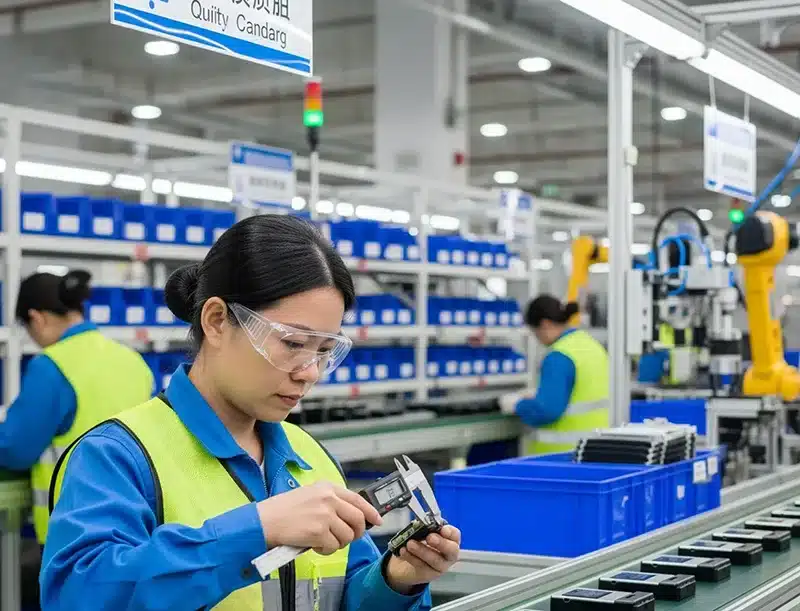
Site Visits and factory Audits: One of the most trustworthy ones is physical verification. The visit to the real production facility (or even the third-party audit services) makes it possible to see the abilities, working conditions, and quality control processes, which are not reflected in photos and certificates.
Quality and References of communication: This is because operational competency is usually portrayed in professional communication skills. Request the previous customers to give their references, particularly those working in the same industries or products. Get follow-up on these references to get to know the track record of the supplier and their ability to provide good service.
Where to Find This Information
Large B2B websites such as Alibaba, Made-in-China, and Global Sources offer a simple verification status of supplier profiles. However, don’t stop there. The personal investigation via email, video conferencing, and asking to present further documentation can sometimes tell a lot about the validity and abilities of a supplier and the responsiveness of their online customer service team. Independent audit of supplier credentials and factory issues can also be offered by third-party verification services. A systematic approach is detailed in our guide How to Find Chinese suppliers in China, which complements platform tools with direct verification methods.
Can You Trust These Suppliers? Key Warning Signs
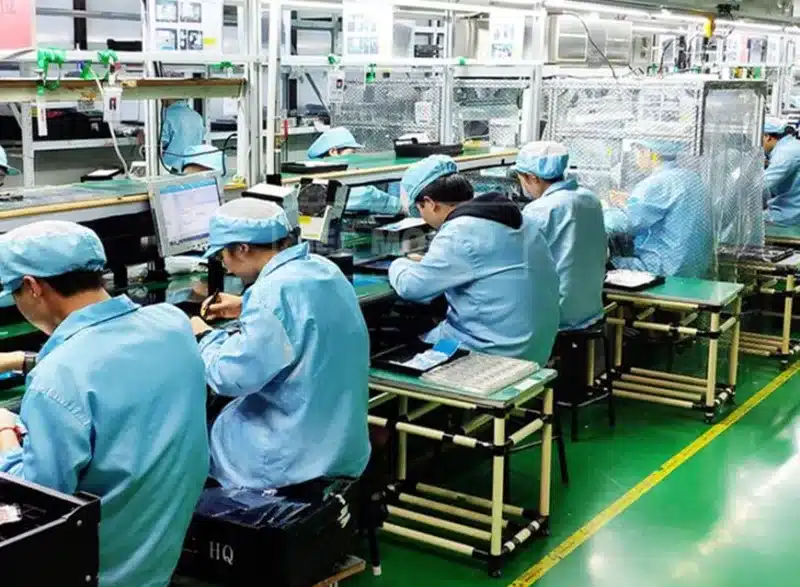
The Made in China supplier environment consists of both outstanding manufacturers and troubled operators. Being informed on the cautionary indicators will save you a lot of time, money as well and frustration.
Common Pitfalls and Red Flags
Numerous companies become victims of the suppliers who offer flawless goods at unattainable prices, only to deliver goods of low quality weeks later than anticipated. The traditional red flags are a reluctance to release business documentation, insistence on a high initial deposit, inadequate English language, which causes misunderstandings, and not willingness to give sample orders or pay visits to the factory.
Platform Safeguards and Their Limitations
Large sourcing sites use all types of verification systems, such as badges of the Gold Supplier, third-party auditing, and trade assurance. Although these features provide additional protection measures, they are limited in many ways. Verified status usually means that a company exists and there is a minimum amount of documentation it does not mean that the company is good and that it has reliable products and that they deliver them to the customer and that they are ethical in their business.
The knowledge of what these safeguards really entail, as opposed to what they suggest, can assist in setting a realistic expectation. Being a verified supplier may not help avoid problems in quality consistency, communication barriers, or even shifting business priorities, which may impact your orders.
Are “Audited/Verified Suppliers” Safe Enough?
Supplier verification reports and badges only present a good baseline of data, not detailed assurances of business success, especially for food-grade products.
What Verification Actually Means
Most platforms carry out primary verification procedures, which include business registration, export licenses, and, in some cases, facility presence. Others involve an annual review of revenue or a review of the minimum quality management system. These audits are, however, done once a year or even less than once a year, and conditions may change significantly by the time the next assessment takes place.
What Verification Doesn’t Guarantee
Checking mechanisms are hardly used to measure the regularity of operations, the responsiveness to customer problems, or the conformity with your particular quality assignments. They do not forecast the behavior of a supplier who will take in-hurry orders or changes in products or issues encountered during the manufacturing process.
Take the example of a certified supplier of electronics who had been through all platform audits and had always delivered products with component replacements that led to functionality problems. This practice had not been picked up during the verification process since the replacements were technically within the ranges of specifications, although they influenced the end-user experience.
Advantages of Working with Suppliers in China (When It’s Done Right)
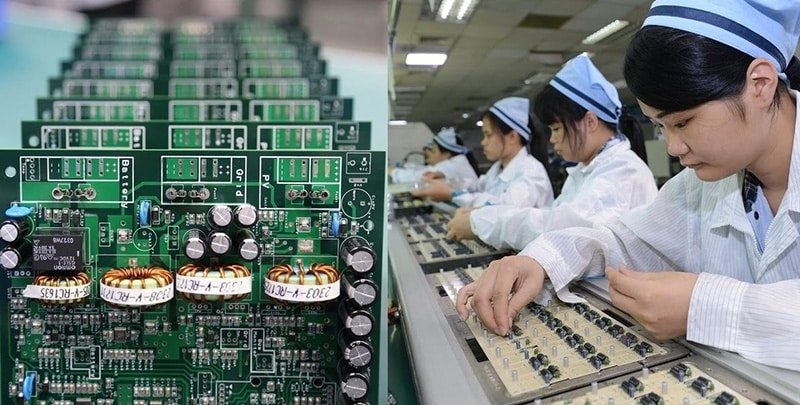
China has strong business potential despite the challenges facing business ventures that focus on sourcing in a strategic way.
Cost and Manufacturing Scalability
The Chinese manufacturing infrastructure has made it possible to produce cheaply as well as scale swiftly. Lots of factories can handle orders of hundreds to millions of units, which will be flexible to your business expansion. The competitive supplier market tends to offer superior prices compared to the domestic ones.
Product Variety and Manufacturing Sophistication
The manufacturing capacity of China is literally in all categories of products, from simple consumer goods to complex electronics and machines. The city has spawned specialization, as in electronics in Shenzhen, textiles in Guangdong, and furniture in Foshan; they have created the centers of excellence supported by supply chains.
Platform and Agent Benefits
The sourcing can be greatly simplified by using established sourcing platforms and professional sourcing agents to find and manage the Chinese suppliers. These intermediaries also tend to offer translation services, quality control, comprehensive logistics coordination, and dispute resolution, which are beneficial services to businesses that do not have a lot of experience in international trade, especially in coordinating with the service team.
Disadvantages and Risks
Conducting business with the Chinese suppliers is not a simple task that can be managed passively.
Communication and Cultural Barriers
There can be a misunderstanding due to language disparities, time zone differences, and cultural business practices that will influence product specifications, delivery schedules, and problem-solving. What appears to be a valid agreement between the two parties may have different meanings to each of them.
Quality, Consistency, and Compliance
Having a stable process of product quality on several production runs may be a difficult task, particularly when suppliers have many customers. The suppliers need to be qualified and certified to meet certain regulatory requirements of various markets (FDA, CE, FCC).
Hidden Costs and Time Delays
Initial cheap prices may be counterbalanced by other expenses such as shipping costs from China, customs tax, quality defects, and inventory storage costs from extended lead times. Your supply chain planning can be derailed by production delays when the Chinese are on holiday or when they are having a boom manufacturing season.
Alternatives and Risk Mitigation Strategies
But truly smart businesses do not avoid risk; they control it using experience and contingency plans.
Professional Sourcing Support
Sourcing agents and supply chain service providers provide domestic expertise, quality inspection, supplier relationship management, and fulfillment process oversight. Such intermediaries can work within cultural subtleties, visit factories, provide supply chain management expertise, and offer continuous supplier oversight that the individual business may not be able to handle internally.
Gradual Relationship Building
Begin with small test orders before committing to large production forecasting and orders. This strategy will enable you to test supplier capabilities, communication efficiency, and the quality of products without significant financial risk. Begin to increase order volumes slowly with the growth of trust and consistency in performance plastic parts.
Quality Assurance and Documentation
Apply the third-party inspection of large orders. Provide precise written specifications, acceptance criteria, and contractual termination that specify what is expected and what is a remedy to non-compliance. Record every communication and agreement to avoid misunderstanding, including interactions with the after-sales team.
Diversification and Contingency Planning
Apply the third-party inspection of large orders. Provide precise written specifications, acceptance To prevent the dependency on one supplier, it is advisable to build relationships with several prospective suppliers with positive experiences. Having business backup offers bargaining power and business stability in case of major supplier issues, especially when driven by low prices.
Practical Checklist: Step-by-Step Supplier Verification Guide
Initial Contact and Screening
- Apply business license, export license, and other certifications.
- Check the registration of the company with the help of official databases.
- Assess the quality and responsiveness of communication.
- Request customer references and do follow-ups vary based.
- Conform production capacities to your needs,
bowl cutter.
Sample Evaluation Phase
- Request order samples that are specified.
- Compare test samples with your standards.
- Consider packaging, labeling, and presentation.
- Evaluate the accuracy of the delivery time of sample orders.
- Authenticate pricing and payment conditions.
Pre-Production Verification
- Carry out a factory audit (either physically or by a third party)
- Audit quality control processes and equipment product category.
- Check raw material acquisition and inventory control vast selection.
- Have specifications and acceptance criteria set.
- Sign performance-based, detailed contracts.
Order Management and Monitoring
- Begin with smaller-scale orders and then scale.
- Introduce inspection measures during and after manufacture.
- Track the progress in production in a regular manner to mitigate risks.
- Arrange the arrangements of the customs clearance and final delivery business needs.
- Performance on documents to refer to later and improve them for most customers.
Case Studies: Real-World Examples
Success Story: Electronics Manufacturing Partnership
An electronics start-up company in consumer electronics was able to collaborate with a manufacturer based in Shenzhen following a rigorous six-month due diligence process. The critical success factors were numerous visits to the factories, a high level of sample testing, the gradual increase in the scale of orders implemented between 100 and 10,000 units, and the formation of a local partner to control the quality of Chinese products. The association has spanned four years with good quality and competitive prices that have been able to push the startup to its multi-million dollar status through due diligence.
Cautionary Tale: Fashion Accessory Disaster
A business based on e-commerce lost 50,000 dollars when a supplier who had been verified supplied 5,000 handbags that could not meet the basic requirements of quality after being approved for the quality. They were poor stitching, a change of color, and hardware problems. The moral: approval of samples does not provide a guarantee of consistent production, and even certified suppliers still need a system of quality control and well-established contractual safeguards.
Conclusion
It is quite possible that Made in China suppliers can prove to be a fine and capable company when you are approaching the relationship with due diligence and realistic expectations in multiple categories. The point here is that verification badges and audit reports help to get some helpful background information, but should not replace further relationship management and quality control. To be successful, platform tools should be used along with direct communication, sample testing, slow development of relationships, and professional assistance where necessary. Shrewd firms will always regard the choice of their suppliers as an investment in long-term performance and not a cost-reduction measure.
Frequently Asked Questions
How to verify that a supplier is genuine?
Check business licenses by using official databases, demand customer references, conduct factory audits, make initial small sample orders, and use third-party verification services where possible, such as for Luohe Xingdian Electromechanical Equipment Focus Technology.
What are the questions to be asked before making a sample order?
Inquire about the minimum order quantities, production capacities, quality control procedures, lead times, terms of payment, certifications, and prior experience with the same products connecting buyers.
What is the duration of a supplier’s probation before they make large orders?
Schedule 2-3 months of small sample testing and small order testing before increasing to large volumes, during which time it is possible to determine the quality consistency and usefulness of communication, kindly suggested for submission.
What are the most reputable sources of risks when sourcing in China?
The main risks that need management strategies include communication challenges, quality inconsistency, cost concealment, production delays, cultural misunderstanding, intellectual property issues, and negative shopping experiences.