
All the information you need before placing an order, including price, shipping costs, quality, as well as payment methods, is essential for buyers worldwide.
Introduction
Most of the time, when you go online in search of products on an online marketplace, you are likely to find AliExpress and Alibaba and thus possibly assume that they are the same, just under different brands. An example is as follows: you have found a fantastic offer on a product for international buyers, added it to the cart, and then have noticed that there are actually some minimum order requirements or shipping fees that are three times more than you thought.

This mix-up of Alibaba and AliExpress is so widespread however, it is best to avoid it cost you time, money, and frustration to choose the wrong platform. Whether you are a consumer and need a specific product, a small business owner and think of reselling products, or an entrepreneur and think of mass imports and managing bulk inventory, it is essential to learn about these platforms.
We will compare the two platforms in this detailed guide in terms of such critical areas as business-to-business transactions, pricing method, product quality, shipping, methods of payment, and many others. At the end, you will know a lot about what platform fits better with your needs, taking into account their competitive prices.
What is Alibaba?

The platform focuses on matching buyers and suppliers to order in large amounts, custom manufacture, and labeling, including drop shipping products. The majority of the sellers on Alibaba have minimum order quantities (MOQs) in dozens and even thousands, and offer competitive wholesale prices; hence, it is practical among businesses and not individuals.
The platform focuses on matching buyers and suppliers to order in large amounts, custom manufacture, and labeling, including drop shipping products. The majority of the sellers on Alibaba have minimum order quantities (MOQs) in dozens and even thousands, and offer competitive wholesale prices; hence, it is practical among businesses and not individuals.
Alibaba follows the negotiation model where the prices are not set and secure payment methods are established. Customers can directly contact suppliers and negotiate in volumes, options of customization, cost, and delivery conditions while ensuring secure transactions.
What is AliExpress?
AliExpress is an online business-to-consumer (B2C) retailing company that operates like Amazon or eBay, catering specifically to the business-to-consumer market. It is aimed at individual consumers and small businesses that want to buy products in small amounts or in one unit, making it ideal for the e-commerce business.
The site offers fixed pricing and dropshipping products with no minimum order rules, along with various shipping options. Products consist of ready-to-ship products, usually, but not always, straight out of the stock of the suppliers. It has little or no customization to offer, and the purchasing process is simple and consumer-friendly.
AliExpress specializes in offering the retail shopping experience for the e-commerce business, including standardizing the return policy, buyer protection programs, and customer services matching the traditional e-commerce websites.
Platform Ownership and Relationship
Both Alibaba and AliExpress are members of the Alibaba Group, which was established by Jack Ma in 1999. They, however, cater to totally different market segments and have different business models.
Alibaba was the first B2B company, and AliExpress was introduced in 2010 to attract the increasing consumer base. Consider them to be the members of the same family with different personalities and purposes, particularly in how they handle bulk orders.
This joint ownership implies that there are trading companies that act as suppliers of shared ownership and may sell the same product on Alibaba and AliExpress at wholesale and retail prices, which often leads to discussions about Alibaba vs. AliExpress.
Target Audiences

Alibaba primarily serves businesses and suppliers who are looking to establish a dropshipping business
- Alibaba primarily serves:
- Importers and exporters
- Vendors who need raw materials.
- The retailers need stock.
- Companies that needed tailor-made products.
- Business people intending to design their own label products, Alibaba vs Aliexpress.
AliExpress caters to individual consumers who prefer to find suppliers for single purchases.
- Individual consumers
- Small online retailers
- Dropshipping businesses
- Individuals who are after special or rare products.
- Shopping sprees and bargain hunters.
Minimum Order Quantities
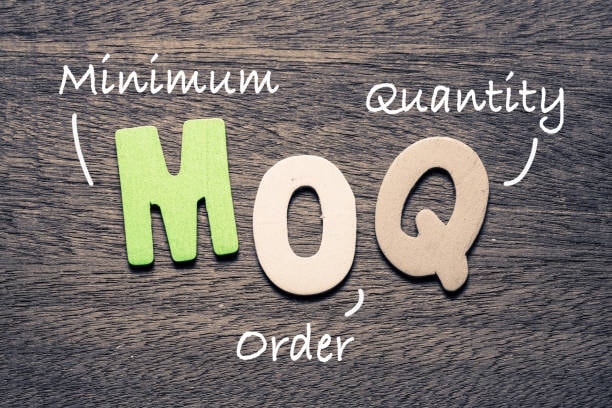
Among the biggest key differences between these platforms is their order requirements, particularly for bulk buying from Chinese suppliers.
Alibaba normally has large minimum order requirements. These may include 50 units in case of simple products to thousands in the case of complex products shipped directly. There are also suppliers who are willing to make lower MOQ on sample order requests, but full production runs often have to make tremendous commitments.
There are no minimum orders in AliExpress, allowing independent sellers to sell products one at a time . A single unit of any product can be bought and is therefore ideal in testing products, individual use or small scale reselling of products alibaba operates.
It is this difference itself that defines the choice of which platform will be made by the majority of buyers, depending on their purchasing power and business model, Chinese manufacturers.
Pricing Structure Comparison
The pricing at Alibaba is in a tier pricing system in which wholesale prices reduce drastically as the quantity increases wholesale rates. A product that would cost an individual 10 dollars per unit item in 100 units may reduce to 3 dollars per unit item in 1,000 units. The prices can be subject to price negotiation, and the discounts during bulk might be significant.
The pricing at AliExpress is retail-based. It does not matter whether you purchase one or twenty units of the same product; you will be charged the same unit price. Alibaba prices are typically more expensive per unit than in the case of Alibaba bulk, yet the prices remain competitive with the rest of the retail industry, especially considering the Alibaba vs. AliExpress pricing strategies.
The trade-off is obvious: the cheaper per-unit costs on Alibaba will mean more investments and more inventory amounts, whereas AliExpress offers competitive prices and is a convenient and less monetarily risky gold supplier.
Customization and Negotiation

Alibaba is a company of customization, especially when it comes to managing bulk inventory.The suppliers are used to taking in custom designs, including beauty product labeling, and changing packaging as well as changing product specifications, including sourcing raw materials. The negotiation process also enables the buyers to negotiate on all their order fulfillment services and details, including products and delivery time, which is a key aspect of what Alibaba offers.
AliExpress is not very customized. Sale products are usually sold in their raw shape with minimal options for their alteration. There may be sellers who will take minor customization, such as wrapping a gift, but one will not be able to customize it greatly.
This renders Alibaba to be best suited to medium-sized businesses that have established their own brands, offering competitive prices, whereas AliExpress is suitable for those that are content with existing products for personal shopping.
Shipping and Delivery Times
Alibaba shipping is highly different in terms of stocked products and products that need production. Stock products could be received within a week, whereas custom products could take 2-8 weeks to be made and will require time to be shipped. Large orders by sea can further increase the time taken by 2-6 weeks, depending on the destination.
AliExpress shipping costs tend to be lower and are usually quicker because the product is ready to ship and has already been assembled. Normal shipping takes 1-3 weeks, and express deliveries can be made in 5-10 days. Most of the sellers provide various shipping options at varying rates.
When it comes to an emergency, AliExpress has a faster track record, especially with ePacket shipping, though Alibaba must wait. When it comes to planned purchases, it is more economical.
Quality Control and Supplier Vetting
Alibaba needs increased due diligence. The number of suppliers is nearly a thousand, and the level of quality is different, so buyers need to thoroughly study a possible partner. This involves verification of certifications, samples, business licenses, and reviews written by other consumers to ensure strong quality control across the supply chain.
AliExpress has more standard expectations of quality, which may not always meet the high standards set by business buyers. Although quality may still fluctuate in consumer electronics, the review system, money-back guarantee, and buyer protection programs of the platform provide more protection to the buyers. Customer reviews and product photos assist in establishing the actual expectations.
Smart Alibaba buyers will always take samples first and then make large orders, whereas AliExpress purchases have less risk because the order size will be smaller.
Payment Methods Available
Both platforms accept various modes of payment, although the focus is different.
Alibaba accepts:
- Trade Assurance (escrow service of Alibaba)
- Bank transfers/wire transfers
- Letters of credit
- PayPal (limited)
- Smaller orders (credit cards).
AliExpress supports:
- Credit and debit cards
- PayPal
- Bank transfers
- Domestic methods of payment (depends on the country)
- AliPay
AliExpress tends to provide more common consumer payment options, whereas Alibaba is oriented to business-driven solutions of payments, particularly when comparing AliExpress vs Alibaba.
Fees and Hidden Costs
The transaction costs are usually low on the two sites, yet unforeseen expenses may take unsuspecting customers by surprise.
Usually, added expenses are:
- Currency conversion fees
- Processing fees of PayPal or a credit card.
- Customs and customs duties.
- Storing costs due to late deliveries.
- Cost of quality inspection (this is mainly applicable to Alibaba).
Always add the cost of shipping, duties, and fees to the total cost of landing, particularly considering the minimum order quantity, before committing to make any purchase.
Import Duties and Customs
The two platforms both ship globally and leave the decision of comprehending their import regulations in the hands of the buyers.
Key considerations include:
- Product category and value-based customs duties.
- Sales taxes or VAT requirements.
- Limitations of the importation of products.
- To import on a commercial basis, documentation is required.
The higher values and the possibility of higher scrutiny of Alibaba orders may result in de minimis exemptions in most countries for AliExpress packages.
Customer Support and Buyer Protection
Alibaba provides Trade Assurance to suppliers that meet its qualification to make payments until delivery confirmation. But the big orders may make dispute resolution harder, and buyers may have to handle supplier relations alone.
AliExpress offers extensive buyer protection of full refunds of products not delivered, partial refunds of products not as described, and uniform dispute resolution procedures. Customer service is more friendly and consumer-friendly.
AliExpress is much more protective and supportive of first-time foreign customers.
Pros and Cons of Alibaba
Pros:
- Minimum unit prices of large orders.
- Large customization possibilities.
- Direct relationships with manufacturers.
- Opportunity for private labeling.
- Flexible conditions and price.
Cons:
- Large minimum order quantities.
- Longer lead times
- More intricate supplier vetting.
- Higher financial risk
- Less buyer protection is standardized.
- Pros and Cons of AliExpress
Pros and Cons of AliExpress
Pros:
- None of the order request requirements.
- Fast shipping options
- Strong buyer protection
- Easy-to-use interface
- Low financial risk
Cons:
- Higher per-unit costs
- Limited customization
- Retail markup pricing
- Reduced direct relationships with suppliers.
- Reduced profit margins on the resellers.
Which Platform Should You Choose?
Choose Alibaba if you:
- The requirement is for 50 or more products.
- Desire to customize products/packaging.
- Intend to establish a brand as a personal company.
- Experience in international trade.
- Can invest several thousand dollars initially.
- Waiting time to manufacture and ship.
Choose AliExpress if you:
- Require little amounts or one-time items.
- Want fast, simple purchasing
- Are new to importing
- Requires high protection for buyers.
- Would like to sample products prior to massive purchases.
- Desire a fixed price and non-negotiable.
Best Practices for Safe Ordering
For Alibaba:
- Initial large orders should always be requested in terms of samples.
- Check supplier credentialing and certification.
- Trade Assurance, where applicable.
- Delta requirements: Present requirements in writing.
- Take into account third-party inspection services.
- Begin with small orders to establish relationships.
For AliExpress:
- Evaluate the ratings and reviews of check sellers.
- Administer product reviews and look at customer photographs.
- Know the policies of returns before ordering.
- Resort to dispute resolution in case of any problems.
- Store all communication in the platform.
- Combine overall expenses, such as shipping.
1Real-World Cost Comparison
We will consider a real case example: earbuds that are wireless.
Alibaba scenario:
- Unit price of the product: $8 (MOQ: 100 units)
- Total product cost: $800
- Shipping: $150
- Customs duty (10%): $95
- Total: $1,045 for 100 units ($10.45 each)
AliExpress scenario:
- Product cost: $15 per unit
- Shipping: $3
- Total: $18 per unit
Alibaba is saving 43% per unit but would entail 1,000+ start-up costs as compared to AliExpress’s 18 start-up test costs.
Conclusion
Both AliExpress and Alibaba can play a valuable role in international trade, particularly when you want to sell products; however, they are oriented to different audiences that have various requirements. Alibaba is the best to use when a company is willing to invest in large volumes, including those using the dropshipping model, and even in customized products, and the per-unit cost is minimal and best suited. AliExpress offers convenience, speed, and security when making small purchases with the least risk.
The option that you take must be in accordance with your business model, risk tolerance, and financial capacity. There are a lot of examples of successful wholesale businesses that began testing their products on AliExpress and then expanded to Alibaba to make bulk orders. You can think small, learn how to do it, and then expand your business as your confidence improves.
Note: the least cost is not necessarily the best alternative. When choosing between these platforms, make a decision based on your time, risk tolerance, and
business objectives. They are both useful tools that can be used in your sourcing strategy, provided they are used correctly.