
The success of any fashion business is based on Apparel fulfillment. This guide describes what is meant by apparel fulfillment, how it functions, and the most effective methods of maximizing warehousing, inventory, and shipping of clothes brands. Right after being a direct-to-consumer (DTC) brand, an e-commerce store, or a boutique fashion company, one of the things you will learn is how to streamline your operations, save money, and make your customers happy while comprehending the services of apparel fulfillment.
What Is Apparel Fulfillment?
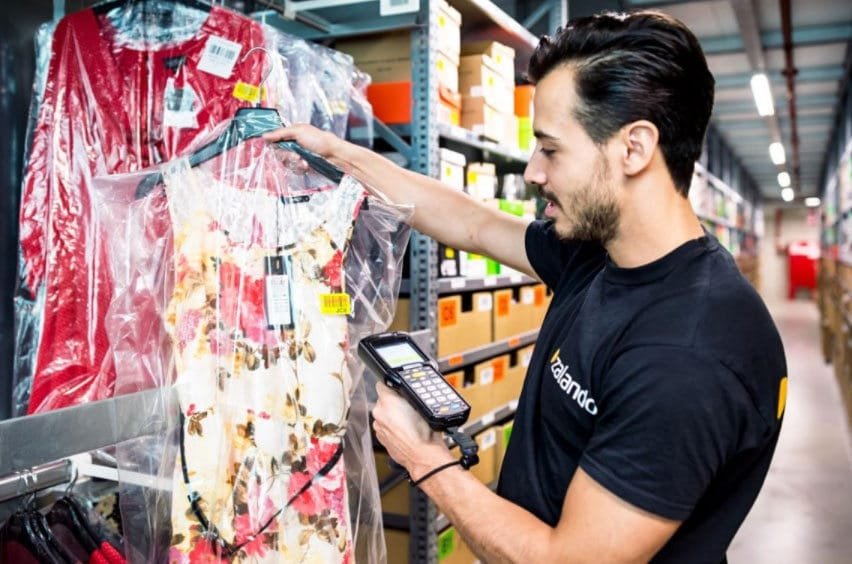
Apparel fulfillment is defined as the entire procedure of getting, storing, selecting, packing, and delivering clothing and other products of the fashion industry to the consumer, outlet stores, or distribution centres, in a swift, precise, and brand-matched way. This is an important aspect of the supply chain in the fashion brands that fills the gap between output and delivery. In the modern-day e-commerce and retail world, where speed is the order of the day, an effective apparel fulfillment service gives your clothes to the clients in time and in the best shape, which boosts their customer experience and retention.
It is particularly critical for DTC brands and e-commerce companies where consumer demands are extremely high in terms of quick delivery time and hassle-free returns. Through the collaboration with a trusted apparel Third-Party Logistics (3PL) company, such as BM SUPPLY CHAIN, brands may concentrate on design and marketing and place logistics in the hands of the team.
Why Apparel Fulfillment Matters for Fashion Brands

With the apparel industry, there are peculiarities that require effective fulfillment. These are the following major reasons why apparel fulfillment is a game-changer for the fashion brand:
- SKU Diversity: There are various styles, colors, sizes, and fits of clothes, and hence many SKUs (Stock Keeping Units). This complexity can only be handled by closely monitoring inventory, which will prevent either stockouts or overstock.
- Seasonal Peaks: Fashion brands regularly experience seasonal peaks, e.g., holiday collections or summer sales, which require scalable warehousing and shipping solutions.
- High Return Rates: For apparel, the return rate is often enormous in e-commerce, usually with problems in sizing or preference of the customers. Processing of returns is crucial in order to sustain profitability.
- Brand Experience: Individual packaging, brand inserts, and perfect delivery come in handy in establishing a memorable experience in unboxing, which builds brand identity.
Lack of a solid apparel fulfillment strategy, brands run the risk of problems with shipments, inventory inaccuracies, and discontented clients, which are damaging to both reputation and income.
The Apparel Fulfillment Process Explained
Apparel fulfillment involves several interconnected steps, each designed to ensure efficiency and accuracy. Below is a breakdown of the five core processes:
1. Receiving & Quality Check
Upon arrival of the apparel at the warehouse, it is received in a detailed manner. It involves checking the quantities, checking damages, and making sure that products conform to the specifications of the brand (e.g., fabric quality or stitching, or labeling). In BM SUPPLY CHAIN, we have strict quality tests, and every product will be of your standard before it is put in the store.
2. Warehousing & Inventory Management
Best apparel warehousing and shipping is dependent on the use of advanced inventory management. SKU tracking is in real time to allow correct stock levels to avoid overselling and stockouts. The warehouse management system (WMS) at BM SUPPLY CHAIN has been designed to enable real-time viewing of inventory and seasonal planning of inventory by brands through seamless API integration.
3. Picking & Packing
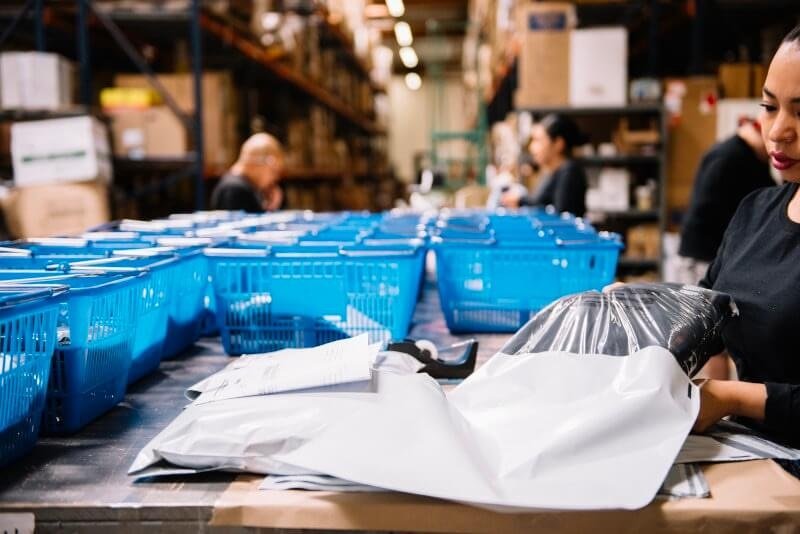
Upon an order, products are selected in the warehouse and are carefully packed. In the case of clothing, a custom package, e.g., branded boxes or tissue paper, is frequently included in this step to create a better customer experience. The precision is significant to prevent shipment mistakes, particularly when the SKUs are varied.
4. Shipping & Delivery
Quick and expeditious delivery is one of the pillars of fulfilling orders of clothing. It is the speed of the logistics whether the orders are delivered in the country or abroad. BM SUPPLY CHAIN has real-time tracking and collaborates with international carriers to simplify the shipping of apparel.
5. Returns & Refurbishment
The good return rates in apparel necessitate a simplified returns process. Used products are checked, repaired where necessary, and replenished to be sold again. For an effective returns system, the losses are minimized and the customers are satisfied. THE BM SUPPLY CHAIN team guarantees the speedy return of your products, which preserves the image of your brand.
Key Benefits of Outsourcing Apparel Fulfillment
Improved Accuracy: A collaboration with 3PL is a sure way to fulfill these expectations without overstraining your resources.
Scalability to Seasonal Surges: Brands can also outsource apparel fulfillment, as a study by Shopify revealed that 79 percent of customers expect to receive free shipping, and 66 percent are more willing to buy a product that comes with a fast shipping time. The benefits of outsourcing apparel fulfillment to a 3PL partner, such as BM SUPPLY CHAIN, include the following:
Cost Savings: Not only do professional 3PLs offer that product at no shipping cost, but the warehousing and staffing infrastructure is not required, either.
How to Choose the Right Apparel Fulfillment Partner
Choosing the appropriate apparel 3PL is the key to the success of your brand. These are the main points that should be considered:
- Access to Strategic Warehouses: A 3PL should have strategically located warehouses close to your target markets as a way of reducing shipping time and costs. The presence of BM SUPPLY CHAIN in China means that the company has easy access to the apparel manufacturing centres in China, which means that sourcing and shipping are efficient.
- Technology and API Integration: A good WMS that interacts with APIs in real-time allows updating flourishes and tracking of orders, which is necessary in the e-commerce environment, such as Shopify or WooCommerce.
- Scalable Inventory Planning: Make sure that the 3PL is capable of dealing with SKU complexity and seasonal changes without affecting the accuracy.
- Custom Packaging Support: Find other partners who provide branded packaging, labeling, and kitting to meet your requirements of brand requirements.
- Clear Pricing: Pricing and service contracts are clear, and no costs are found out of hand. BM SUPPLY CHAIN has competitive prices and 30 days of free storage to relieve the burden on the wallet. With these factors put first, you will have an opportunity to find a partner who will follow your brand objectives and customer demands.
Common Apparel Fulfillment Challenges & Solutions
Fashion brands often face logistical hurdles, but the right strategies can turn challenges into opportunities:
- Challenge: High Return Rates
Solution: Implement a streamlined returns process with clear policies and refurbishment protocols. BM SUPPLY CHAIN’s returns system ensures quick processing and restocking, minimizing losses. - Challenge: Inventory Inaccuracy
Solution: Use a WMS with real-time data synchronization to track SKUs accurately. Our advanced system at BM SUPPLY CHAIN prevents overselling and stockouts. - Challenge: Seasonal Inventory Fluctuations
Solution: Adopt flexible warehousing and predictive analytics to scale storage during peak seasons. Our scalable solutions adapt to your brand’s needs. - Challenge: Complex International Shipping
Solution: Optimize customs clearance and use zone-based shipping strategies to reduce delays. BM SUPPLY CHAIN’s global logistics network ensures smooth cross-border deliveries.
By addressing these challenges proactively, brands can maintain efficiency and customer satisfaction.
Future Trends in Apparel Fulfillment
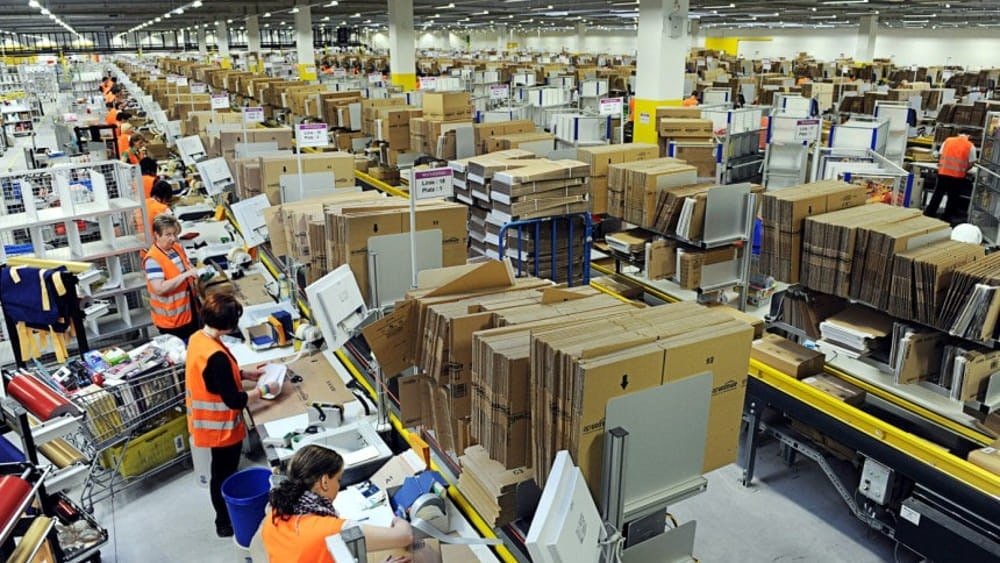
The fashion and clothing fulfilment business is changing at a very high rate due to the presence of technology and consumer needs. The following are some of the trends that will shape the future:
Automation and Robotics: Picking robots and automated systems are eliminating errors and improving the speed of order processing in the warehouses.
AI-Based Inventory Prediction: The artificial intelligence assists in the prediction of demand, management of stock, and decreases overstocking during seasonal changes.
Sustainable Packaging: Brands are valuing sustainability, which is why packaging is becoming minimal with eco-friendly materials.
DTC Fulfillment Networks: Coherent fulfillment services of DTC brands are simplifying the process from warehouse to customer door.
Fashion brands can keep pace with such changing trends by staying on the frontline and thus remain competitive in the dynamic market.
Conclusion — Partner with Experts in Apparel Fulfillment
Fulfillment of apparel is more than the logistics; it is about delivering the promise of your brand to the consumers. In handling a wide range of SKUs, timely, precise deliveries, and so on, an efficient 3PL partner will be of the essence. Collaborating with a seasoned 3PL such as BM SUPPLY CHAIN is the solution that will guarantee that your apparel brand delivers timely, precise, and well-packed orders every time. Need to automate your clothing fulfilment? Reach out to us now and find out how our brand-specific apparel fulfillment can make your brand shine.