Introduction
It is common that many online sellers at some stage are unable to fulfill demand because of the inability of manual order processing and storage space. With the sales going up, the problems increase too: stockups at the most active time, extremely high shipping costs, and time wasting in packing and tracking. It is the scaling bottleneck that sends multitudes of eCommerce brands to operational hell.
The eCommerce B2B fulfillment provides a avenue through which these challenges can be turned to the prospects of growth. Outsourced logistics allow brands to scale to greater volumes, venture into other markets, and concentrate on doing what they are best at, which is to be innovative in their products and make sales. In this guide, we will discuss the role of B2B fulfillment in sustainable scaling with reference to actual strategies in order to make your business successful in the international arena.
What Scaling Really Means for eCommerce Brands
There is more than increasing sales when scalability to an eCommerce business is concerned, it involves developing a strong infrastructure that can sustain growth without going down when the pressure mounts. The real scaling is learning to control the stock level to prevent overflow or shortage and combining a variety of sales platforms such as Shopify and Amazon to have a consistent flow of business and providing shipping efficiencies to keep the clients happy.
The most frequent areas of concern are late delivery which may result to negative reviews and loss of repeat customers, expensive operations due to disjointed logistics, and lack of warehouse space that restricts the number of orders. Even good stores performers do not succeed without trying to address them. Indicatively, with international eCommerce sales expected to reach between 6.42 and 7.89 trillion by 2025 and 2028, respectively, brands that do not take such concerns into consideration will be left behind.
These are directly addressed in B2B fulfillment with solutions addressing wholesale and retail requirements in a scalable manner. It places the emphasis on a more strategic expansion as opposed to the daily logistics, and the brands are able to venture into the cross-border markets without fear.
How B2B Fulfillment Supports eCommerce Growth
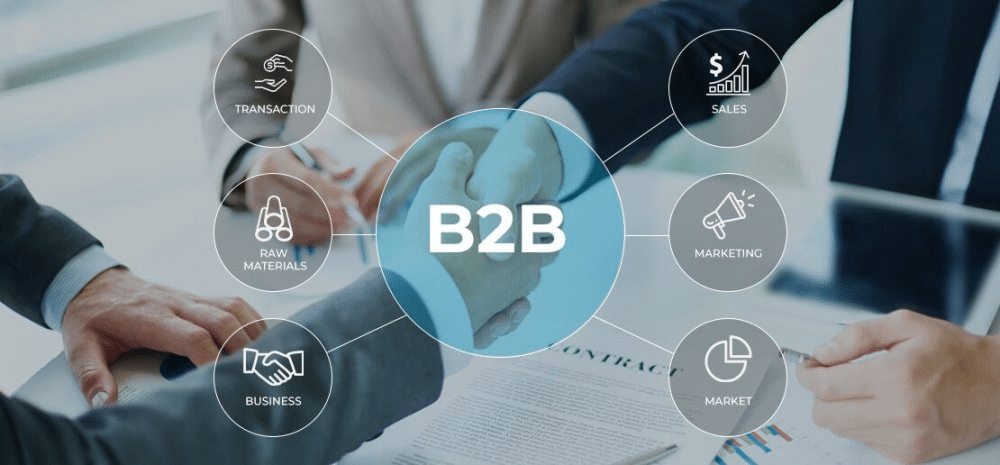
The B2B fulfillment supports the eCommerce brands to scale through optimization of core operations. This is the way it brings practical benefits using specific strategies.
Centralized Inventory & Multi-Channel Integration
Channel centralization of inventory is one of the largest successes in scaling eCommerce with fulfillment. B2B providers bundle inventory on platforms such as Shopify, Amazon, and requirements portals, and come to the end of silos that result in discrepancies.
The use of APIs and plugins allows real-time data synchronization, which automates the order management and updates the stock levels in real-time. This helps to avoid overselling and also guarantees correct availability leading to less cart abandonment. In the case of increasing businesses, such eCommerce B2B logistics solutions may help to increase inventory accuracy, and most 3PLs users report that such relationships have been successful, and the overall efficiency is higher.
Faster and Cost-Effective Shipping
2B fulfillment bulk handling reduces unit shipping cost by negotiated carrier rates and at the points of consolidation. The strategic locations of warehouses particularly in China that are close to manufacturing centres reduce cross-border clearance times and costs.
This pace is essential to global growth-increased speed of delivery improves customer satisfaction and allows competitive pricing. Brands in 3PL Fulfillment out of China can save up to 20-30 percent of the logistics, and this money is available to be invested to either promote or develop a product.
Flexible Storage and Scalability
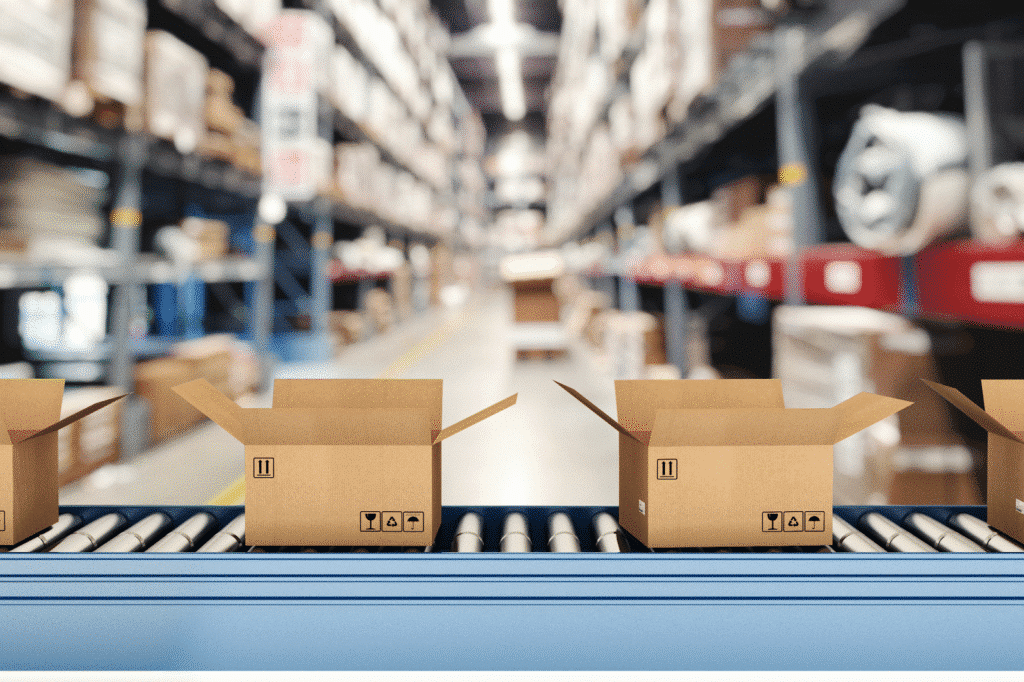
B2B fulfillment provides on-demand storage which allows the brands to upscale during peak seasons or reduce in lull seasons without having to sign any leases. Providers can easily manage the problem of surges because they can absorb the growth of the volume that would otherwise overwhelm in-house setups.
The 30 days of complimentary storage at BM Supply chain relieves companies of the financial burden of having to stock inventory but not incur any expenses. Warehouse and inventory automation is made possible by this flexibility so that operations can keep up with your business changes.
Custom Packaging & Value-Added Services
It is very important to keep a professional image during scaling. B2B fulfillment covers the services such as labeling, bundling, kitting, and custom branding, standardizing your appearance across markets.
In the case of B2B dropshipping logistics, this is prepared-to-resell packages that meet the standards of retailers, which results in less time on handling at the lower end. Such value additions increase brand loyalty and improve work processes to ensure that brands can grow without losing quality.
Data-Driven Optimization
More sophisticated B2B software has analytics dashboards that monitor inventory turnover, shipping data, and SKU performance. The information facilitates predictive restocking and forecasting demands, reducing wastage.
In a cross-border eCommerce fulfillment, the trends are being established, such as the geographical preferences, to direct the expansion plans. Brands that operate on such tools tend to experience less stock outage and more efficient resource distribution to grow profitably.
Real-World Example
Suppose a medium-sized clothing company in Shopify can no longer handle 200 monthly orders using the garage solution. Stocks used to run out and opening overseas shipments were made to keep them waiting. Following the collaboration with BM Supply Chain in B2B fulfillment in Shenzhen, they were integrated through API and obtained real-time visibility and automated processing.
The result? Orders were raised to 1000 a month in 6 months and shipping time decreased by 40 percent and stock accuracy achieved 99 percent. The process of handling customs was made easy and value added kitting enabled combined wholesale package. This change has not only increased income but also liberated the staff to concentrate on design and advertising, and this is an example of how Shopify and Amazon fulfillment partners drive growth.
The Role of 3PL Partners like BM Supply Chain
The collaboration with a professional 3PL is crucial when it comes to international expansion because they are knowledgeable about how to maneuver around intricate logistics. In contrast to in-house models, 3PLs are scalable without capital expenditure, and it has the advantages of cost savings, increased fulfillment, and high accuracy.
BM Supply Chain is the most popular supply chain provider in China, which amalgamates the high quality resources between factory and final consumers. Our services offer up to 30 days of free storage to reduce the strain on cash flow, automated warehouse management systems, and integrations of API/plugins to dock with your platforms seamlessly.
We do all the sourcing of the products, quality tests, and delivery of the goods to the customers of the company with real time monitoring available through our one stop query system. In the cross-border business, our diversified value-added solutions such as assembly, custom packaging, labeling, and one-piece drop shipping will make your brand shine. Our customized solutions have assisted many eCommerce vendors in their expansions into new markets, based on our solutions that are tailored to meet your product lines and delivery requirements.
Common Mistakes to Avoid When Scaling with Fulfillment
Despite good strategies, there are traps that may derail. An obvious error is excessive use of manual spreadsheets in terms of inventory, which will cause errors due to its increased scale- real-time monitoring is an absolute must.
Lack of data integration through multi-channel leads to system discrepancies between platforms, which leads to overselling or delay. Not taking into consideration packaging and labeling compliance with B2B customers may lead to returns or regulatory problems in particular in foreign markets.
Failing to optimize warehouse space or picking a 3PL without an international presence will restrict growth- pick partners with key locations such as China to be efficient. Lastly, the inability to use analytics ignores the performance. The avoidance of these will guarantee a smoother scaling.
Conclusion
It is possible to expand your eCommerce when your marketing is as efficient as your fulfillment operations. B2B fulfillment offers the means to mastery of inventory, cost management and global coverage to transform the growth challenges into smooth successes.
Being leaders in this field, BM Supply Chain will provide clear, personalized solutions that will grow with you, supported by the history of success in assisting brands to succeed.
Ready to scale globally? Call or email BM Supply Chain to find out a smarter way of managing eCommerce fulfillment in China.
SEO Title (≤60 characters):
How to Scale Your eCommerce Business with B2B Fulfillment
Meta Description (120–160 characters):
Discover how B2B fulfillment helps eCommerce brands scale efficiently with faster shipping, better inventory control, and reduced operating costs.
Excerpt (50–70 words):
Scaling an eCommerce business requires more than great products — it demands operational efficiency. In this guide, we explore how B2B fulfillment enables growth through streamlined logistics, optimized inventory management, and flexible warehouse solutions. Learn how BM Supply Chain helps global eCommerce sellers expand seamlessly from China to worldwide markets.