Why is the free storage one of the most demanded fulfillment benefits of DTC brands, Shopify sellers and dropshipping businesses? One of the most significant variables in the profits of cross-border ecommerce warehousing is typically 10-20% of the operation cost, and it directly determines the margins in the field where each dollar matters. In 2026, brands are active in approaching China warehouses as they are closer to manufacturing regions, labor is cheaper, and they offer scalable infrastructure to accommodate worldwide shipping at a lowered cost as compared to those in the west. Free shipping – usually 15-30 days – serves as a buffer to the brand with a high risk, as inventory can sit without charges, relieving cash flow requirements and speeding up turnover. Such an arrangement allows testing of new products or inventory building without committing capital to early. Free Chinese storage lowers initial expenses, enhances working capital and enables DTC and dropshipping brands to expand swifter with lower operational risks.
The Economics of Storage: Why It Matters
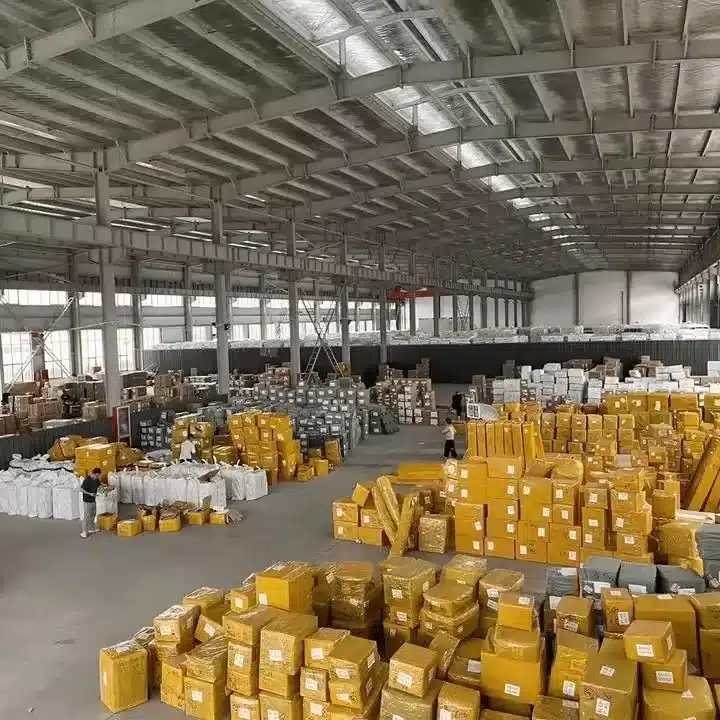
1. Traditional warehouses charge high monthly fees
Pallet storage can cost $20 -50/month and bin storage can be very expensive in the US and EU (0.50-1.50/month). Such fixed costs accumulate relatively fast in brands with varying SKUs, and many have to transfer costs to consumers or suffer a blow to their bottom lines. In the case of DTC brands handling either custom orders or dropshipping systems with fluctuating demand, this inflexibility can suppress growth at the outset.
2. Slow inventory turnover kills profit
Inventory expenses do not merely concern rents; they also involve how much money an organization invests in stocks and losses in sales among other stores that are not sold and risks such as obsolete during off-seasons. A slower rate of turnover: a rate of less than 4-6 times per year can reduce profits by 15-25% since money is idly standing in storage with bills being paid on the storage. Compounding this effect in ecommerce storage cost calculation, warehouses become silent killers of profit unless tight control is put in place.
3. DTC & Dropshipping brands rely on fast iteration
These frameworks are based on quick testing: 5-10 new SKUs each quarter to determine market acceptance with the help of Shopify promotion or Tik Tok campaigns. This agility cannot be achieved through high-cost storage where the brands are reluctant to stock something that has not proven itself to succeed. This is reversed in China by providing free storage which provides a buffer to test without incurring immediate punishment which is just the way DTC inventory strategy requirements.
4. Why China warehouses are different
The ecosystem of China is also friendly in the sense that it has a high concentration of manufacturing industries and has low overhead costs since it is not costly in labour like in the West that costs 20 and above, but rather offers free warehouses as an incentive to its 3PLs such as BM Supply Chain. It is no charity, it is sustainable because of economies of scale, and thus China fulfillment is becoming a cost-effective destination.
What “Free Storage in China” Actually Means
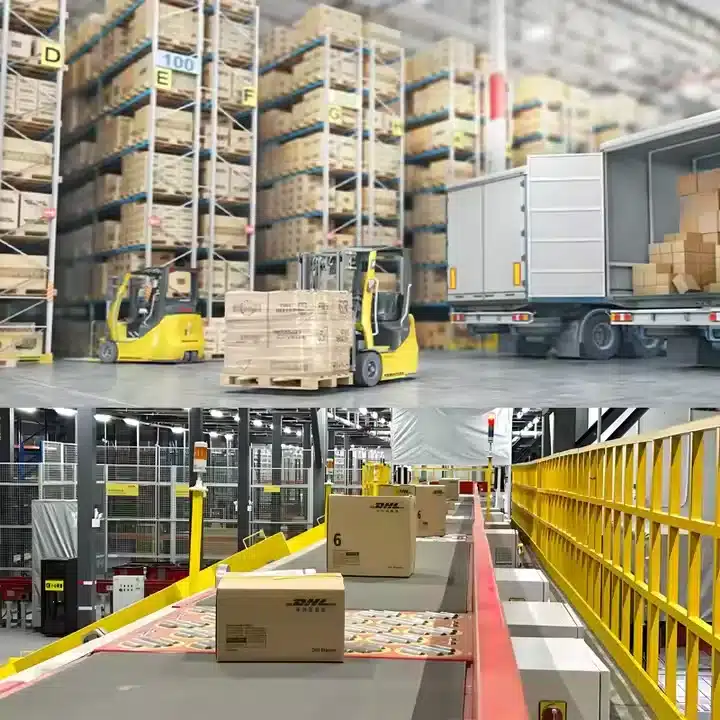
1. 15–30 days free storage window
This grace period comes after receiving and most of the reputable China 3PLs offer it so that the brands can have time to liquidate the inbound stock before fees are incurred. It is optimized to high-speed templates such as dropshipping, where fast turnovers are standard, and accommodates delays in shipping or marketing boosts.
2. Free storage applies to incoming / unsold inventory
This includes restocks, trial SKUs or seasonal buffers- such as holiday clothing in October but not selling until December. In the case of dropshipping warehouse China arrangements, it is the batches of suppliers with no hurry, why it is important to have free storage to make operations flowing.
3. Not a gimmick—but an operational cost advantage
Decisions to pay half the US rates in the hubs such as Shenzhen and the use of WMS systems that result in minimum waste means the providers can accommodate this without increasing other charges. In the case with BM Supply Chain, our model of sourcing-to-fulfillment uses this as a means to provide real value, and not merely marketing hype.
Hidden Advantages of Free Storage for DTC & Dropshipping Brands
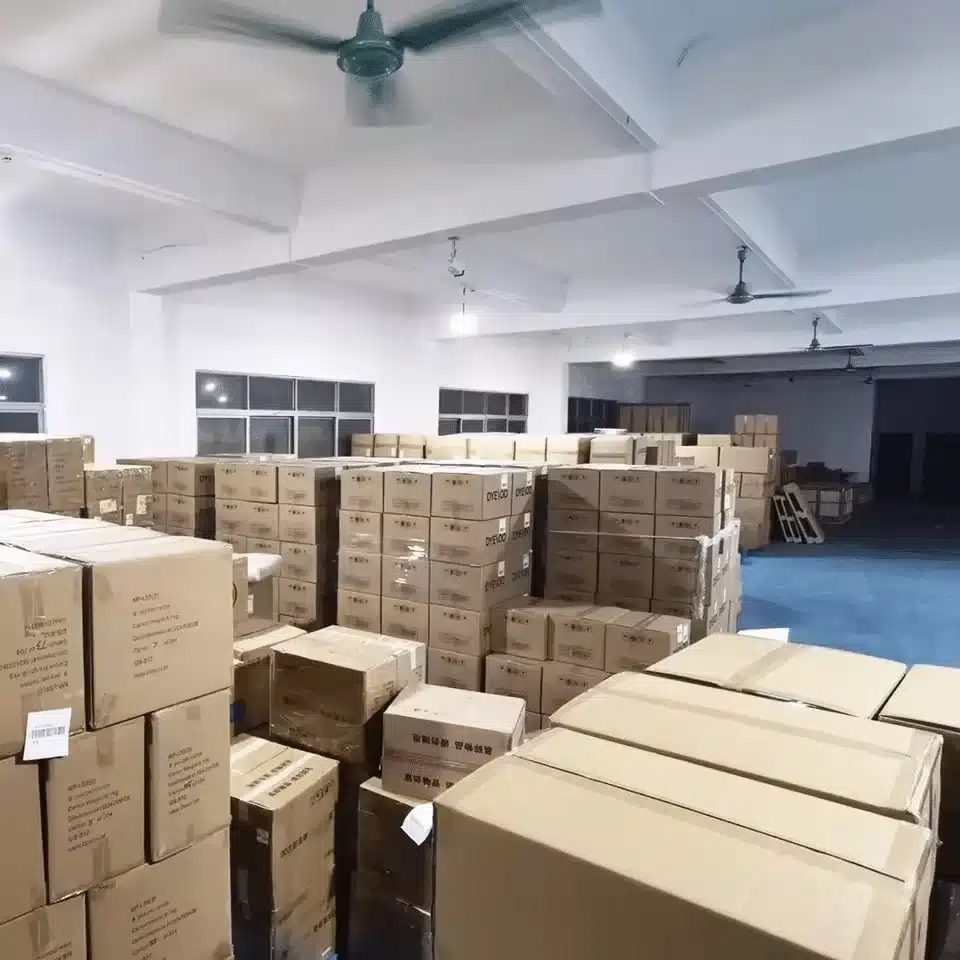
1. Lower upfront risk for new products
With very little commitment, brands can experiment with 3-10 SKUs, stock a small batch, measure success through UGC or advertising, and scale the winners. This alleviates the costs of ecommerce storage, allowing players of DTC to switch roles more quickly without the dead inventory.
2. Allows bulk purchasing to reduce unit cost
Set MOQs at 500 units, rather than at 50, reduce the price per item 20-30, and realize that free storage softens the buffers. In the case of dropshipping fulfillment, it implies competitive advantages without the worry of inventory wastage.
3. Smooths out cash flow
The removal of monthly fees on the first cycle will liberate the budget on necessities such as ad spend or creativity. This may translate to 10-15% increase in liquidity in the lean operations of DTC brands which is vital in growth stages.
4. Better for viral products
Popular content on TikTok can go viral within 7-14 days; unlimited storage makes it possible to stock up without suffering, waiting until the wave arrives. This is an underdog in China warehouse free storage that enables dropshipping to remain nimble with uncertainty.
5. Flexibility for multi-SKU brands
Consumer products with 100+ variations such as fashion, beauty, gadgets, etc. are subject to sky-rocketing storage costs in other categories. Free periods cut first upfront costs and allow multi-SKU expansion, as well as lowering the total reduce ecommerce storage cost.
6. Supports hybrid fulfillment: China + Local 3PL
Store fast-movers in US/EU centers to deliver within 2 days, but in China to deliver free to reduce the 25-40 per cent warehouse-to-warehouse costs. Such an inventory approach is a speed-saving hybrid, DTC inventory.
7. Reduces the risk of overstocking
Instead of big hauls, use phased restocks; the free window inhibits fat holds and fits the just-in-time attitude of dropshipping.
Cost Comparison: China vs US/EU Storage
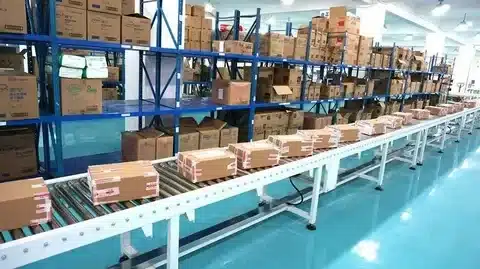
US/EU storage
It will cost you between 20 and 50 per pallet in a month or 0.50 to 1.50 per bin due to high real estate and labor. Such rates are pushing conservative stocking, making it difficult to scale up as an emerging brand.
China storage
The baselines are much lower: $515 per pallet after free time, 1530 days free of charges. This structure is typical of hubs (such as Dongguan), which is a result of competitive density and effective operations.
Impact on brand profitability
A 2,000/month order operation with US/EU fees might gnash at a cost of 5,000+ per quarter; China with its free buffer would save 30-50 per cent up front, increasing margins by 5-10 per cent with capital to invest in the drivers of revenue, such as marketing.
How Free Storage Enables Faster Scaling
1. Faster SKU iteration
Failure of tests is less expensive and hits on tests are more rapid, so brands that we have recommended at BM Supply Chain tend to add SKUs without cash scramble in six months time.
2. Lower cost-per-order
Combine with wholesale logistics with sub-5 CPOs with free storage, making the inbound a time-cost amortization.
3. Ability to handle viral spikes
Rush fees are not charged on the additional space at highs; prepare at Q4 with no monthly hits which makes the free storage in 2026 a scaling commodity.
4. Supports multi-channel growth
More convenient Shopify/Amazon/Tik Tok/ Etsy fulfilment – bases in China, and distributes where required.
Real-World Case Studies
Case 1 — A TikTok accessory brand lowering cost by 28%
Viruses were a nightmare and to deal with this, they took advantage of 30-day free storage to buy 1,000 at once. This reduced CPOs by 28.7 percent per quarter by cutting costs by 5.76 to 8, peaking without hitches.
Case 2 — A skincare brand testing 12 new SKUs with zero storage cost
They can conduct free trials, which are cash strapped on launches. The win rate increased by 40, the pressure was relieved and winners could be pivoted faster.
Case 3 — A fashion brand storing 100+ SKUs without monthly cost
The chaos of multi-SKU in EU warehouses exhausted the funds; the free buffer in China saved the start-up money by 35 percent, leading to growth to TikTok and Etsy with diversified lines.
Common Misconceptions About Free Storage
1. “Free storage must be low quality” — False
Our China warehouses, such as the one managed by BM Supply Chain, utilize cutting-edge WMS and barcode scanning systems and climatic conditions, quality competitors Western operations, supported by the fact that their structural costs are lower.
2. “Free storage means hidden fees elsewhere” — Not necessarily
Vet to see through structures: no surprises on pick/pack rate. Real professionals provide value-added such as kitting at no extra cost.
3. “Free storage encourages brands to overstock”
This is countered by flexible restocking, in phases, the window being used wisely to prevent overstocking.
Best Practices to Maximize Free Storage Benefits
1. Use forecasting to avoid long-term storage penalties
Sales can be forecasted using AI-based software, so sales will be made during the periods of free time.
2. Consolidate shipments to lower inbound cost
Deliveries by batch suppliers receive one handling charge and maximize the free hold..
3. Use the free window for peak preparation
Order stock holiday merchandise without invoices, which is in line with dropshipping warehouse China cycles.
4. Implement lean inventory management
Rotate inventory on a weekly basis to turn and extend free offers.
5. Combine free storage with hybrid shipping strategy
Bulk and express lines economy, urgents: flow optimization.
6. Track SKU performance weekly
Dashboards identify sluggish movers; re-source to fit within free cycles.
How to Choose the Right Fulfillment Center Offering Free Storage
1. Transparent pricing
Complete disclosures- no ambiguous, so-called miscellaneous charges.
2. Clear free-storage window
Justified 1530 days, no fine-print exclusion.
3. No hidden per-carton or per-pick fees
Post-free flat and predictable rates.
4. Powerful API Integration Capabilities
Seamless with Shopify/Amazon for real-time sync.
5. Ability to scale human labor
Shopify/Amazon sync in real time.
6. Experience with DTC & dropshipping brands
Peaks, in the absence of spikes of overtime.
Conclusion: Free Storage Is a Strategic Growth Lever
Free storage is not only a cost-cutting tactic but one of the main growth and cash management instruments, which are essential to DTC and dropshipping brands that have to operate in the unstable markets of 2026. Take advantage of free storage in China to experiment, scale and optimize your supply chain – your margin is based on how well you control inventory.