
Which is the importance of kitting, bundling, and custom packaging to DTC brands, Shopify sellers, Amazon merchants and Tik Tok creators? The ecommerce brands heavily depend on these tactics in 2026, as the market is already saturated, with personalization as the driver of loyalty and costs as the efficiency dictate. DTC brands need high unboxing experiences to encourage repeat business, platforms such as Amazon FBA impose harsh prep requirements to prevent fines, TikTok needs quick turnaround times to make viral hits, and Shopify prefers the loose approach of operations to brand experience. These have a direct positive effect on average order value (AOV) (20-30 percent), parsimonious logistics (smarter consolidation) and reduced returns (improved perceived quality). Kitting, bundling, and custom packaging are no longer an option, as they are critical instruments of boosting the AOV, lowering logistics fixed cost, and enhancing customer experience.
What Is Ecommerce Kitting?
1. Definition & purpose
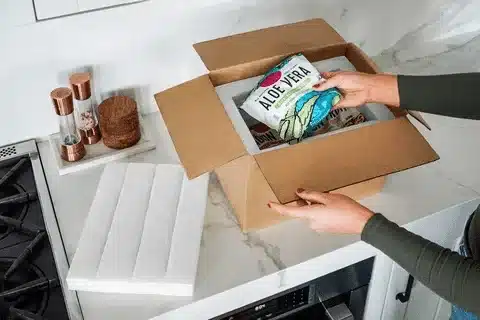
Ecommerce kitting consists of combining a number of SKUs into a single shippable object directly in the warehouse, i.e. putting a phone case, screen protector, and charger into a single kit. The purpose? It simplifies the processes by considering the bundle as a single item, minimizing the number of touches and mistakes in the fulfillment process.
2. Why brands use kitting
Kitting enables brands to reduce picking expenses, namely, there are savings of 0.50-1.00 per order of labor by picking a kit instead of three products. It accelerates the processing, in most cases reducing the fulfillment time by 20-30%, and reduces mistakes such as components missing, which are common in high-volume operations in applications such as Tik Tok where speed is the ruler. In the case of DTC sellers, this will result in fewer complaints and reduced scaling.
3. Types of kitting
Pre-pack kitting stocks popular combinations in advance, which are helpful in foreseeable sellers such as sets of beauty. On-demand kitting is order based, and it provides flexibility to do custom requests in Shopify. Seasonal/promotional kitting is the star of holidays – prep special-edition bundles in advance in order to take care of the Q4 rushes without pandemonium.
What Is Product Bundling?
1. Definition
Product bundling is a part that involves two or more products being sold in one SKU such as a skin care regimen that is cheaper than specific purchases. It is a sales strategy concealed in efficiency in fulfillment whereby the group is considered a single unit in stock and transportation.
2. Why bundling increases revenue
Bundling is a performance enhancer, promoting upsells – customers take the offer, adding to cart values 15-25%. It increases the gross margin by creating perceived value, encourages repeat purchases by launching complementary products, and fits the viral mechanisms of Tik Tok and Shopify where attractive low-priced deals can be quickly converted. This has allowed us to make brands on bundles double the margins in our work at BM Supply Chain.
3. Popular bundling strategies
Volume-based Buy More, Save More tiers, Introducing new customers to your line Starter Sets, Trial Sets, Holiday Bundles, and Cross-Sell Kits introduce must-haves to add-ons Are there any volume-based Buy More, Save More levels? Can only a product be added-on or are some add-ons exclusively sold as part of a Starter Kits introduce new customers to your line? Do you have Trial sets, allowing entry level with a product? Can a product be added-on or are some add-ons only sold as part of a Starter K
What Is Custom Packaging?
1. DTC brand era’s essential
Packaging is not only protection in the DTC world, but the initial point of physical contact, with 70 per cent of the industry standards indicating repurchase decision-making. Brands that do not do this risk a bland experience that would not stand out against their colleagues.
2. Packaging types
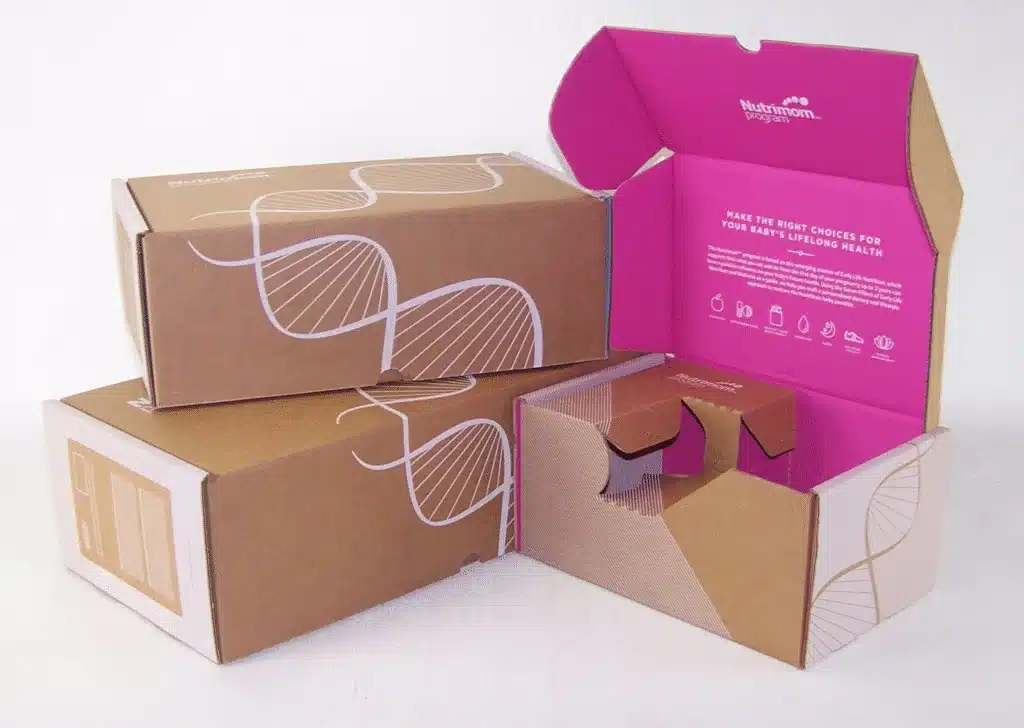
They can be either bespoke cartons to use when the shipment is fragile, poly mailers when the shipment is light but the clothes need to be of high quality, gift boxes when the shipment is made of high-quality material, and inserts such as thank-you cards, stickers or manuals. Sustainability in materials, such as recycled or biodegradable, is a requirement of the 2026 agenda that fits the needs of the environmentally conscious buyer on e-commerce sites such as Etsy.
3. Why custom packaging matters
It increases satisfaction with unboxings that are memorable, reduces damage rates by 10-20% with custom fits, and propels the spread of UGC customers post videos, which spreads organically, and the company has increased its reach. In the case of custom packaging in the brands of DTC, this makes the one-time buyers advocates.
How Kitting, Bundling & Custom Packaging Work Inside a Fulfillment Center
1. SKU creation & mapping
Begin with a master SKU in your WMS, and map components to it e.g., Kit123 pulls ItemA +ItemB. This provides proper deduction of inventory so as to avoid oversells when clientele is high.
2. Workflow automation
WfMC Systems mark kitting/bundling orders which then automatically generate pick lists to prevent conflicts such as reserve stock to bundles first. This kitting process is a call to action to the humming of the ops particularly in the multi-channel configurations in which Amazon and Shopify pulls are competing.
3. Pick & pack integration
Parts are taken by pickers sequentially and packed into bespoke systems – integration with scanners reduces error rates to less than 1 per cent, and reduces returns.
4. Packaging SOP for fragile products
In packages of items which can easily be broken such as cosmetics, SOPs require bubble wrap layers and void fillers; test drops to guarantee that the item survives transit, particularly how the bundling aspect of AOV can be increased without increasing damages.
5. Quality check & sealing
Last QC check on completeness and put on branded tape – this step reduces the number of return by about 90 percent of problems, and this is directly connected to CX improvements.
Cost Structure: What Kitting & Packaging Actually Cost
1. Labor fees
Should cost approximately $0.50 to 2 per kit to assemble, billed by time, piece, or complexity, on-demand adds premiums, however at 500 or more orders, volume discounts come into effect.
2. Packaging materials
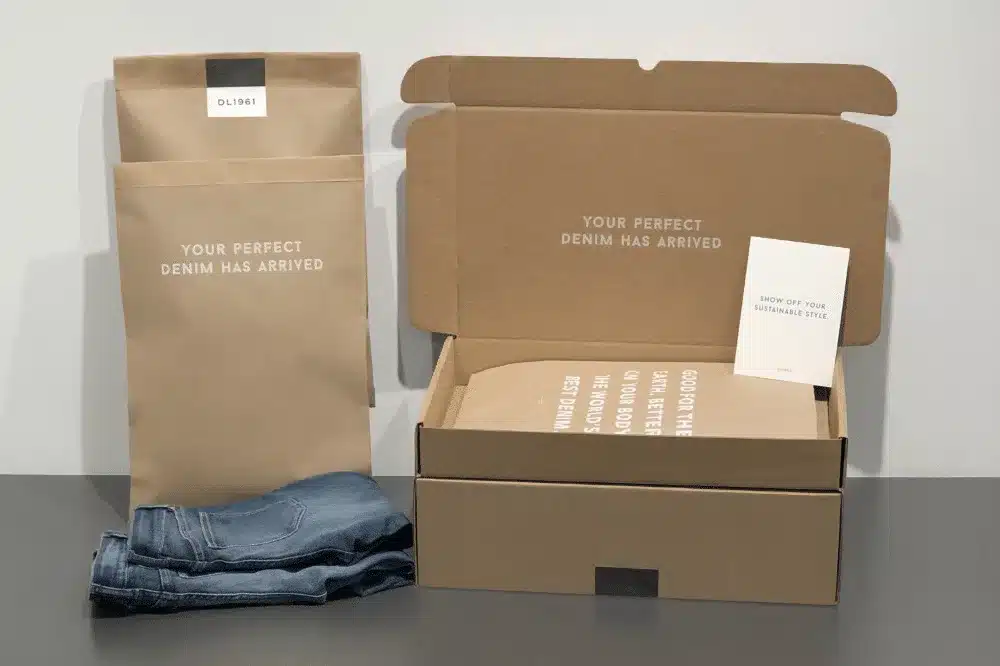
Cartons cost between $0.20 and 1, liners/bubbles cost between 0.10 and 0.50, stickers cost between 0.05 and 0.20- bulk buying cuts 20 percent but custom prints it.
3. Storage cost for pre-kitted inventory
Ready-made kits are larger in size and require an extra cost of between 0.10-0.30 per unit per month- balance to prevent bloat.
4. Shipping savings
Bundling is a consolidation, 1 package instead of 3 is 15-30 per cent cheaper in delivery charges through weight/dims reduction, a strategy of e-commerce packaging.
Advantages for Ecommerce Brands
1. Increases AOV & profit margin
Bundles sell more, with 10-20% value pricing.
2. Reduces picking & packing cost
Single pick per kit vs multiple shaves saves 25% of labor on fulfillment kitting.
3. Improves customer experience
Customized packs are rewarding, and this creates loyalty in DTC packaging.
4. Enhances brand perception & retention
Emotional relationships increase retention by 15-25 when branded unboxings are used.
5. Allows faster scaling during peak season
Ready-assembled inventory copes with spikes of overtime.
6. Reduces shipping cost through consolidation
A reduced number of parcels result in reduced carrier bills, increasing the ROI of bundling.
Real-World Case Studies
Case 1 — A beauty brand launching a “Starter Kit” bundle
As AOV leveled off, they packaged cleanser, toner and serum -kitting reduced errors by 40 and raised AOV by 28.
Case 2 — A gadget brand using kitting to reduce TikTok viral chaos
Viral orders destroyed operations; on-demand kitting of accessory packs reduced processing time by 35% with 5 times the volume being handled without additional personnel.
Case 3 — A jewelry brand improving CX with custom packaging
Generic boxes damage reviews; changing to branded mailers with inserts doubled UGC and 4.2 to 4.7 ratings.
Common Mistakes Brands Make
1. Creating bundles without optimizing weight/dimensions
Large kit sizes increase despatch, test reduces to carrier doors.
2. Ignoring SKU mapping rules
Mismatches in stocks due to poor mapping- audit APIs quarterly.
3. Over-engineered packaging increasing cost
Extra but unnecessary Imposes charges–overboard with budgets.
4. Not training the 3PL on brand SOPs
Vague commands bring about disparities- offer elaborate directions.
5. Not monitoring bundle profitability
Follow up margins; drop non-performing to eliminate drags.
Best Practices for Kitting, Bundling & Custom Packaging
1. Start with small batch testing
Introduce 100 units to test demand then roll out.
2. Standardize packaging SOPs
Fits and materials of uniformity among shifts.
3. Automate SKU bundling rules
WMS regulations stop confrontations, rapid operations.
4. Choose packaging that reduces shipping cost
Use light design, dim-optimized designs.
5. Use UGC to test unboxing satisfaction
Examine responses to improve CX.
6. Track KPIs (AOV / Margins / Error rate / Return rate)
Tactics will deliver monthly reviews.
How to Choose the Right 3PL for Kitting & Packaging
1. Strong kitting & assembly capabilities
Find special stations that deal with 1,000+ daily.
2. Ability to support seasonal kits
Peak Flex staffing on time.
3. Custom packaging support
Internal design and sourcing to be fast.
4. Multi-SKU pick accuracy
99%+ rates via scanners.
5. Transparent pricing
No hidden labor add-ons
6. Scalability during viral spikes
Ability to ramp 3 times with poor quality.
Conclusion: Kitting & Packaging Are Growth Accelerators
Combining, offering, and tailored packaging will enable ecommerce brands to succeed, boosting AOV due to clever bundling, reducing expenses by optimizing processes, and establishing retention with memorable experiences. They maximize logistics in the competition arena in 2026 and increase brand value. Employ strategic kitting, bundling, and custom packaging to boost AOV, save money and create a memorable brand experience to your customers.