The API integration is the gateway to globalization of Shopify sellers, who want to handle hundreds of orders daily, with API integration, the manual processing of orders will transform into automated processing, the orders will move through the cart and customer without needing supervision all the time. This arrangement is brightened with a China 3PL which will automatically synchronize orders, inventory quantities and tracking numbers, reduce errors, increase efficiency and use the proximity to manufacturing to complete orders quicker.
Why API Integration Matters for Shopify Stores
Manual Fulfillment Creates Errors, Delays, and Extra Workload
Using spreadsheets or emails as fulfillment methods is an invitation to chaos: all the incompatibility of the inventory will result in an oversell, a late delivery will irritate the customers, and manual data typing will occupy hours that can be spent on marketing. In my case experience in BM Supply Chain, sellers whose processes initially involve manual processes are more likely to achieve a high rate of errors of up to 5-10 percent, which directly affect profitability in terms of refunds and lost confidence.
Scaling From 10 → 500 Orders/Day Requires Automation
The manual processing of orders may be efficient at low traffic, yet when more people start buying the product, e.g. when they talk about a viral campaign, automation, which will be a part of the Shopify API integration, will be inevitable. It can respond to surges without increase in the number of staff and thus it maintains lean and responsiveness in its operations.
Accurate Inventory Prevents Overselling
Instant synchronization means that your Shopify front office is in the know of real stock in the China warehouse so no more nightmare of selling what is not there. This precision keeps the customers confident and saves your ratings as a seller on sites such as Shopify.
Auto-Syncing Tracking Numbers Improves Customer Experience
The customers want to be informed, which is why we should provide automatic delivery of tracking information to Shopify to keep the customers informed instantly and minimize the number of calls about where my order is.
Why Global Sellers Need Cross-Border Automation
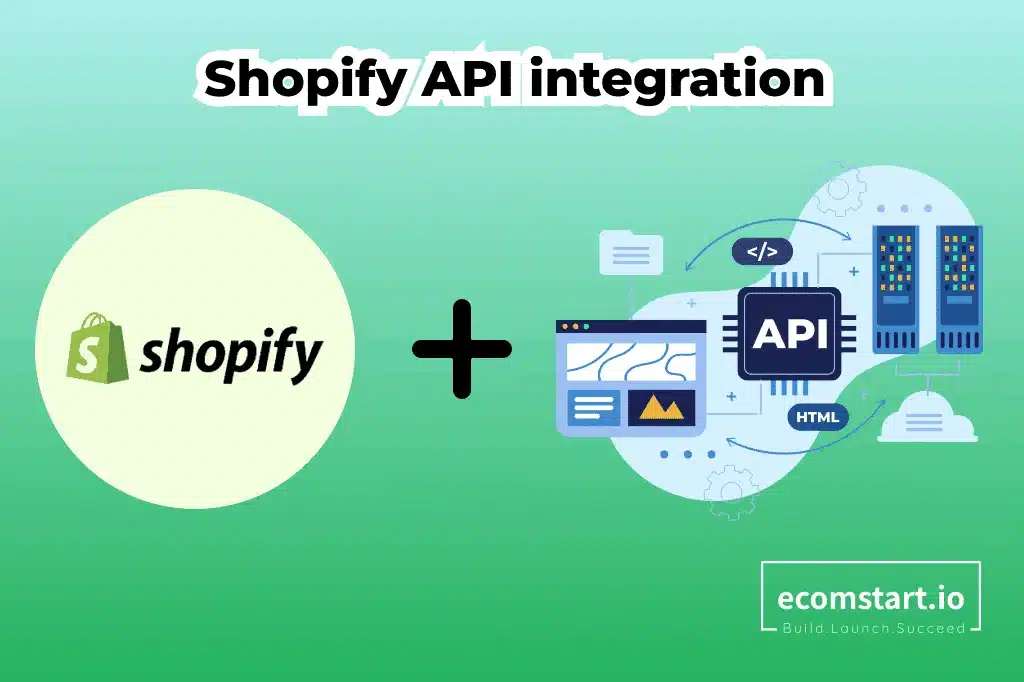
When sellers are delivering around the globe, it is a time bomb to deal with responsibilities, currencies, and regulations manually. The fix to this has been identified in automation by Shopify 3PL integration guide primarily upon China 3PLs that solve cross-border fulfillment hassle-free.
How Shopify API Integration Works with a China 3PL
1. Connecting Shopify Store to 3PL WMS
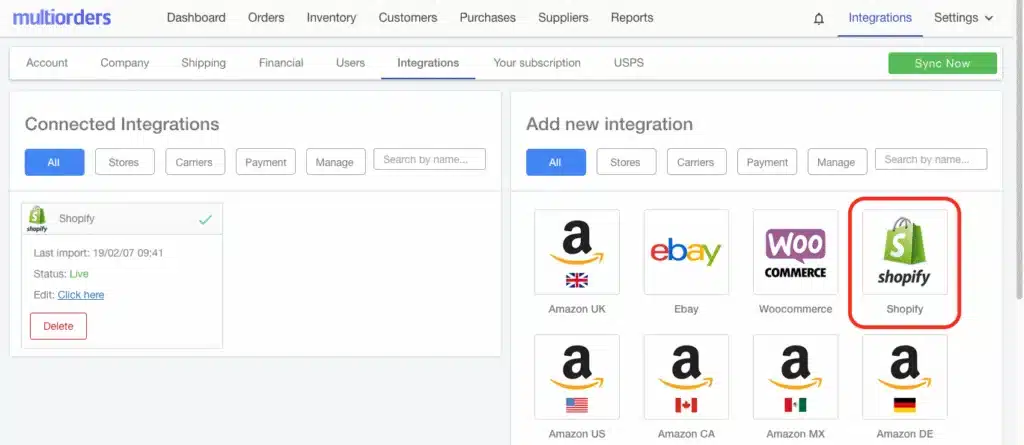
Begin with creating API keys in Shopify Admin, in Apps > Develop Apps, and with permissions to orders and inventory. Authenticate the linking in the dashboard of the 3PL – our system at BM Supply Chain relies on the OAuth system to synchronize data securely so that it pulls up information in real-time without revealing any sensitive information.
2. Data That Syncs Automatically
On payment, orders are immediately processed, changing inventory to subtract the sold items and inhibit stockouts. The tracking numbers are post-shipment and the returns are synchronized to enable smooth refunds. The automatic alignment of product information such as SKUs and variants makes it consistent.
3. Real-Time Order Routing
After syncing, orders are automatically shipped to the warehouse to pick, and the rules can be used to get the best shipping, such as express on U.S. orders that need to be delivered in a short time. This reduces processing time to days as it has been observed in the configurations where we integrate with Shopify order syncing.
4. Automated Tracking Updates to Customers
Post fulfillment, tracking is integrated into Shopify emails or status pages and they keep the buyers informed automatically. This is the circle that completes the customer journey.
Benefits of Integrating Shopify with a China 3PL
Faster Fulfillment Without Manual Tasks
As in automation, orders are shipped the same day and China is situated close enough to manufacturing to prepare them in time – no more waiting on emails or spreadsheets.
Lower Labor Cost & Reduced Human Errors
The eco-friendly labor in China costs 40-60 less and mistake-ridden processes are less than 1% with API processes saving on reships and refunds.
Real-Time Inventory Visibility
Both Shopify and WMS display inventory in real-time, so purchase decisions can be made more effectively, and avoid unnecessary expensive overstock.
Ability to Scale Quickly
Support order spikes without infrastructure upgrades; our customers at BM Supply Chain have been 5x during their highs because of this.
Consistent Shipping Experience for Global Customers
Reliability is guaranteed by uniform tracking and rules be it shipping to the U.S. or EU, which improves reviews.
One-Click Syncing for New SKUs
Add products without any problems- upload to Shopify and they automatically get synchronized to the 3PL to have them fulfilled.
Better Forecasting Through Unified Analytics
Shopify and WMS combined data give demand planning insights, reducing the holding costs.
Technical Requirements for Shopify API Integration
Shopify Admin API & Permissions
Authorize read/write permissions to orders, products, inventory in the API settings of Shopify- a key to a two-way syncing.
3PL WMS Compatibility
Select a WfMC such as ours at BM Supply Chain, which is designed to be used with Shopify API fulfillment workflow, and can work with RESTful endpoints.
Webhook Setup
Enabling webhooks in Shopify to receive notifications such as order creation will cause immediate pushing to the 3PL Fulfillment
Order Mapping & SKU Mapping
Link fields: Shopify order Id is the reference at 3PL, and no loss of data will occur.
Inventory Sync Configuration
Specified intervals (preferably real-time) and low stock alert levels.
Tracking Webhook Handling
Status updates to Shopify are sent by 3PL, and secure endpoints are needed.
Testing Environment Requirements
Test Shopify with its development store and 3PL sandbox without using live data.
Step-by-Step Integration Workflow
Step 1: Generate Shopify API Credentials
Shopify In the Shopify Admin, make a private app with the required scopes–copy the key and secret.
Step 2: Share API Key + Secret with 3PL
Add into 3PL portal safely; we confirm connection immediately.
Step 3: Map SKUs in WMS and Shopify
Match codes (e.g. Shopify SKU123- 3PL item-123).
Step 4: Set Shipping Rules (Express, Postal, DDP Air/Sea)
Regional definition: U.S. express that of under 2kg, DDP sea bulk EU.
Step 5: Enable Automatic Order Pushes
Turn on in both systems; new order auto-flows.
Step 6: Test Sync With Sample Orders
Order test, keep track of synchronization, and eliminate glitches such as delayed inventory updates.
Step 7: Go Live & Enable Real-Time Updates
Observation first week; full automation on stability.
Common Integration Challenges (and How to Fix Them)
Incorrect SKU Mapping
Failure to pick – can be caused by a mismatch – check by ensuring correct setup and bulk import tools.
Duplicate Orders Being Pushed
Webhook glitches replicate – resolve with unique ID checks in the 3PL setting.
Inventory Mismatch
Lags in the syncing result in discrepancies- facilitate real time polling and daily audits.
Tracking Numbers Not Updating
Rate limit API blocks- retries of webhooks, and logs.
Returns Not Syncing
Missing custom fields -map return statuses in integration settings.
Fulfillment Delays Due to Wrong Shipping Rules
Rules ignore weights – test with different orders and perfect reasoning.
Key Features to Look for in a China 3PL’s API Integration
Real-Time Syncing (No 30–60 Min Delay)
Our system is an instant upgrade and avoids oversells.
Unified Tracking Dashboard
Real-time monitoring of all shipments, Shopify integrated.
Multi-Channel Support (Amazon, eBay, TikTok, etc.)
In the case of sellers not on Shopify, it is time to have a single WMS.
Bulk Order Handling
Take 1000+ order without delays.
Smart Shipping Rule Engines
Cost/speed balance selection through AI..
Error Logs & Audit Trails
The detailed records to debug very fast.
Custom API Endpoints for Advanced Users
In custom requirements such as custom notifications.
How Integration Helps Reduce Fulfillment Costs
Less Labor → Lower Operating Cost
Reduced Labor and Increased Operating Reason.
Automatic Consolidation Reduces Shipping Cost
Combine bulk rate orders, with a saving of 1-3/unit.
More Accurate Inventory Reduces Unnecessary Replenishment
Rush orders should be avoided; cut overbuys by 20% should be synchronized.
Lower Return Rates Due to Fewer Errors
Accuracy saves 15 percent, which is reverse logistics saving.
No Extra Software Subscriptions Needed
Integration is inbuilt without paying third parties.
China 3PL Best Practices for Shopify Integration
Test Integration Before Peak Season
Codify in Q3 with run simulations.
Keep SKU Naming Consistent
Standardize system formats to avoid mapping error.
Set Automated Shipping Rules for Each Region
Tailor for U.S. speed vs. EU cost.
Enable Daily Inventory Reconciliation
Auto-reports indicate discrepancies early.
Use Unified Warehouse for All SKUs
Locate in China to be efficient.
Review Tracking Reports Weekly
Delay delays Make spot patterns.
Conclusion: Shopify + China 3PL Integration Is a Growth Accelerator
The automation offered by the swift, cost-saving through efficiency, and pinpoint accuracy of Shopify API integration with a China 3PL is scalable according to your business. The selection of the appropriate 3PL such as that which has a strong WMS integration is critical to the performance of ecommerce fulfillment. Through our experience in BM Supply Chain, we had seen sellers change the way things work this way. Begin with a test run, automation of major processes, and scale without reservation, it is the road to sustainable growth.