The fastest growing nature of ecommerce means the 3PL warehouse form the foundation of your logistical support system- until such time as you find yourself in a stockout or order delays lose customer confidence. The speed of delivery, correctness of the inventory, total costs, and the final experience of the customers all depend on the warehousing process and decide whether your brand will climb uphill or its fall. Fundamentally, 3PL warehousing involves three stages which are intertwined: receiving where we have to make sure that goods were received properly, storage where we need to arrange and secure goods and a stock control stage where we make sure that everything is correct and ready to be delivered. The 3PL warehousing is efficient, such that every product is delivered on time, every time, and in good condition, and every time it moves out.
What Is 3PL Warehousing and Why It Matters
Definition of 3PL Warehousing
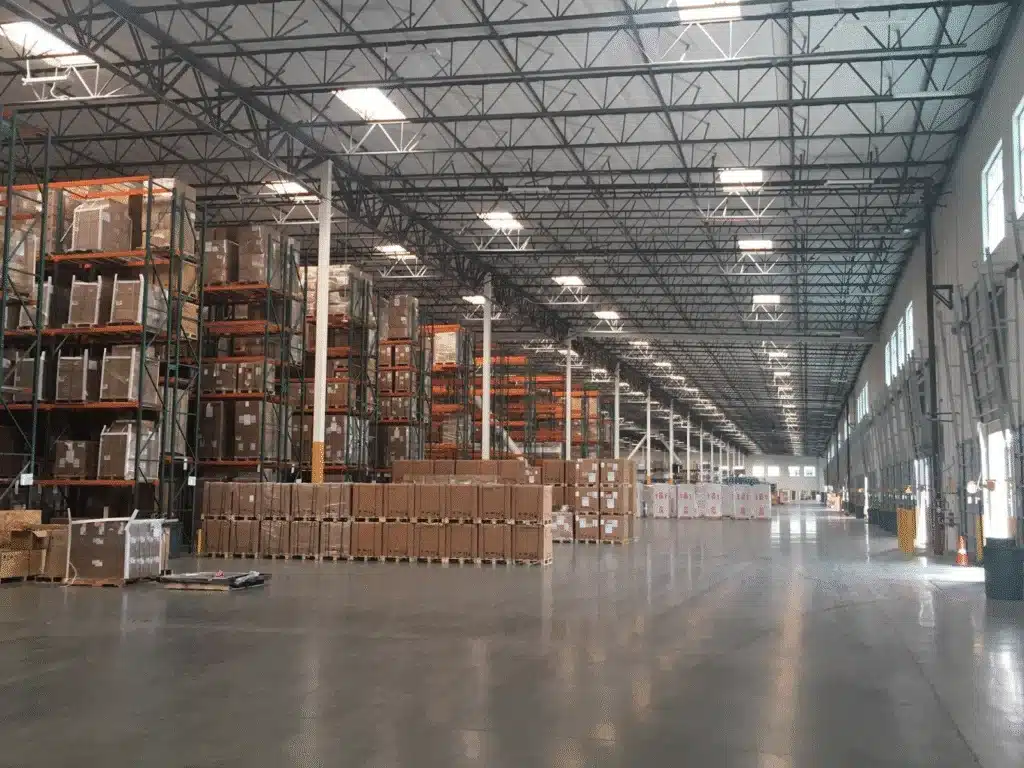
Outsourced storage and management services offered by third-party logistics companies are referred to as 3PL warehousing, which includes all the processes of the inbound goods to the outbound shipments. It is a dynamic process and works with technology such as WMS (Warehouse Management Systems), unlike the simple self-storage that uses this technology to offer real time visibility.
Role of Warehouses in Ecommerce Fulfillment
Warehouses serve as the center, where inventory is received, stored and must be ready to take orders- between the suppliers and the customers. They allow picking and packing fast in ecommerce fulfillment, which is essential since orders can be shipped correctly and on time with them, and any delay can be fatal to a platform like Shopify or Amazon.
Why Modern Brands Rely on Outsourced Warehousing Instead of Self-Storage
Self-storage also requires financial resources in the form of space and employees, as well as continuous management, which pulls the attention out of sales. The benefit of outsourced 3PL warehousing is scalability, with no initial investments, sharing of resources to achieve efficiencies, which is best suited to expand growing brands that are characterized by fluctuating demand.
How Warehousing Affects Shipping Costs & Customer Satisfaction
Ineffective warehousing raises costs by storing products in excessive amounts or sending them in a hurry, and effective processes decrease wastes and mistakes, and result in quick deliveries and minimal returns. Satisfied clients due to consistent delivery increase ratings and customer retention, which have direct effect on repeat purchase.
Step 1 — Receiving: The Foundation of Accurate Fulfillment
1. Supplier Delivery & Check-In
Once the goods are received at the 3PL warehouse the cycle begins with the unloading and the first log-in, which is the scanning of barcodes on the cartons to compare with those expected. The documents required are the packing list (including SKUs and quantities), carton labels (including supplier details), and Advance Shipping Notice (ASN) which are sent to the supplier in advance to be pre-verified.
2. Counting & Verification
Employees verify the number of items per carton, and the number of SKUs matches the ASN – any discrepancies are reported on the spot. They also verify carton integrity (seals or tamper) with nothing being compromised in time.
3. Quality Inspection (Optional but Recommended)
Cosmetic flaws are visible (e.g., scratches) whereas functional testing can establish whether products are functional (e.g. electronics). Check barcode and description accuracy ensure that barcodes and description match- errors here are avoided in favor of late problems.
4. WMS Check-In
After verification, SKUs are given places through WMS, and stock is included in the system and shown on real-time seller sewing boards. This online entry makes inventory visible instantly to be ordered.
5. Common Issues & Solutions
Immediate notifications and holds resolve supplier mismatches such as incorrect quantities; incorrect labeling is relabeled in-store; damaged transportation will result in claims with photos as evidence- proactive ASNs will reduce these.
Step 2 — Storage: How 3PL Warehouses Organize and Protect Inventory
1. Storage Methods
Bin storage can store small size goods in an easy way, shelf/rack options store goods with middle size that can be put up in a vertical position to conserve space, pallet and bulk will store large goods without difficulty, climate controlled facilities will ensure that products that are sensitive such as cosmetics will not suffer the effect of fluctuations in temperatures.
2. SKU Placement Strategy
The high-demand (A) SKUs will be placed close to the picking areas to travel at high speed whereas the slow-moving (C) SKUs will be positioned closer to the back of the pick area. The efficiency of the warehousing process has been optimized through minimization of travel time that is brought about by optimized aisle planning.
3. Inventory Protection
Dust covers and bins with lids prevent contamination, humidity spoilage of products is prevented by dehumidifiers, extra wrapping is considered a kind of packaging reinforcement and protects the product during handling.
4. Warehouse Technology
Barcode scanning helps in accurate positioning; RFID tracking promises hands-free positioning, WMS automation coordinates it all, including where to put it, and notification of a stock-up.
5. Cost Structure for Storage
CBM-based (cubic meter) costs are an average of $8-15/month in China 3PL; pallet storage costs an average of 10-20; most will give new clients a 30-day free trial to allow the business time to clear new stock.
Step 3 — Stock Control: Keeping Inventory Accurate and Always Ready
1. Real-Time Inventory Updates
WMS is integrated with other platforms (such as Shopify or Amazon) automatically and sells are deducted in real-time to avoid overselling and ensure the accuracy of inventory in the warehouse.
2. Cycle Counting
Frequent counts weekly to high-value SKU have subsets that are not fully closed, which diminish shrinkage due to theft or loss by 20-30%.
3. FIFO vs FEFO
FIFO (First In, First out) is best with ecommerce to prevent obsolescence; FEFO (First Expired, First out) is most important with perishables, whereby the fresh stock is first shipped.
4. Stock Movements
Transfers between zones optimize; slow-movers congregate; kitting pre-orders products to be fulfilled faster.
5. Reporting & Analytics
Low-stock warnings trigger reorders; predictions using sales velocity forecasts demand; aging reports are used to promote stagnant inventory and all this leads to proactive inventory management.
How 3PL Warehousing Supports Fast & Accurate Order Fulfillment
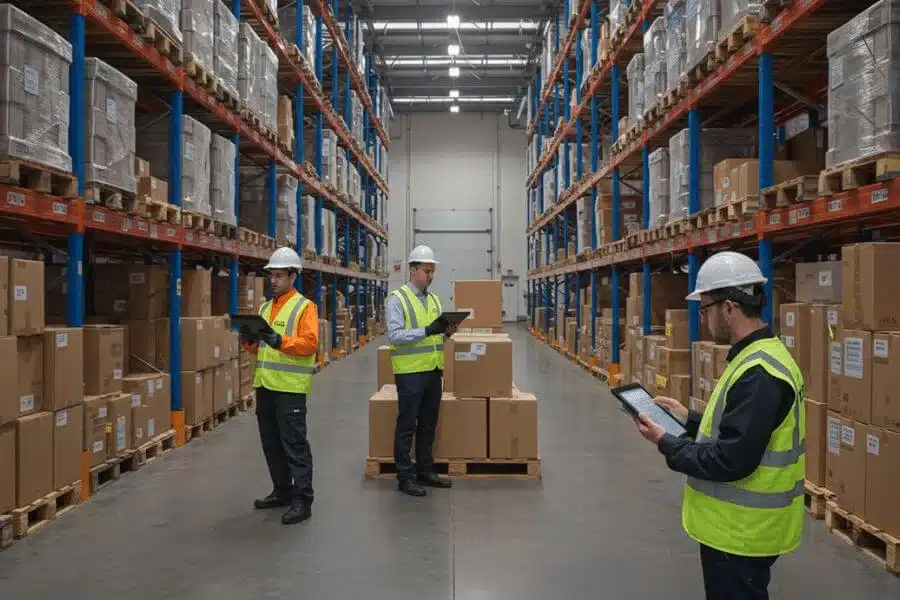
Seamless Transition From Storage to Pick & Pack
Picking is fed by optimized storage and WMS directs the paths to before causing delays.
WMS-Driven Picking Accuracy
Scans verify the right items, and its accuracy reaches to 99 percent to reduce errors.
Batch Picking for High-Volume Orders
Similar group orders to be efficient and fast-track high volume days.
Real-Time Tracking and Exceptions Handling
Scanning of shelf all the way to shipment; flagging exceptions such as damaged goods to resolves fast.
Why Strong Warehousing = Fewer Returns & Complaints
A good stock management will guarantee that the correct product is shipped in good condition reducing returns 15-25% and increasing satisfaction.
China 3PL Warehouse Advantages (Compared to Local Warehousing)
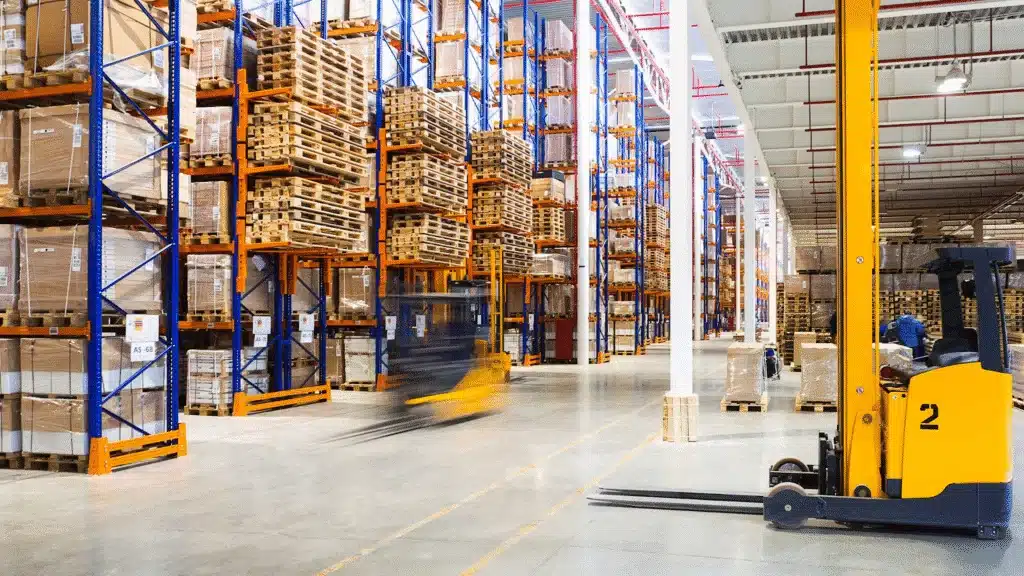
Lower Storage Cost
The save of 40-60 is high in china with a local price of $25-45 being compared to the Chinese price of $8-15/CBM, which is best suited to holding buffer stocks.
Labor Efficiency → Lower Pick-Pack Cost
Precise work at a low cost (0.50-2/order) will not come at a high price.
Proximity to Manufacturers → Fewer Transfer Shipments
Direct to factory saves 20-30 percent of transit expenses.
Better for FBA Prep
On-site preparation meets Amazon requirements at a quarter of the U.S. costs.
Consolidation Reduces International Shipping Cost
Ship in bulk to save on cross-border, 1-3/unit.
Ideal for Multi-Channel Sellers
Single storage is synced in Shopify and Amazon, which simplifies the management.
Common Warehousing Mistakes Sellers Make
Not Providing Correct SKU Data
Difficulties with wrong data shall result in discrepancies; accurate information in the beginning will avoid this.
Ignoring Carton Label Requirements
Don’t take long time to receive; standardize with ASNs.
No Forecasting → Stockouts
Reactive purchasing lacks sales; make predictions based on data.
Poor Reorder Planning
Slow-moving reorders hold up cash; predetermined levels.
Not Checking WMS Reports Regularly
Unnoticed insights enable discrepancies; look over one week.
Fragmented Storage Across Multiple Warehouses
Complicates and increases costs; decentralize where feasible.
Best Practices for Managing 3PL Warehousing
Keep SKU Data Clean and Consistent
Normalize names and refresh regularly.
Send ASN Before Shipments Arrive
Give pre-notification to receive amicably.
Use Standardized Packaging
Adhere to 3PL standards to eliminate the rework.
Monitor Inventory Reports Weekly
Catch issues early.
Share Sales Forecasts With 3PL
Aid planning for peaks.
Run Quarterly Inventory Audits
Ensure long-term accuracy.
Conclusion: Efficient 3PL Warehousing Is the Core of Ecommerce Scalability
As the entry gate with accuracy, storage with order and security, and stock management with perpetual preparedness, they are the steps to the consistency of successful operations. At BM Supply Chain, we have observed that low cost efficiency, reduced errors and enhanced customer satisfaction are the results of high quality 3PL Fulfillment warehousing- results in brand build in competitive markets. Your practical lesson: Have proper inventory SOPs, learn the WMS features and learn to focus on forecasting to make warehousing a strategic asset.