In the competitive world of apparel eCommerce, return rates can eat into your profits faster than you think. Apparel is one of the highest-return categories in online retail, often ranging from 20% to 40%. The good news? Many of these returns are preventable with smarter quality control (QC) and fulfillment processes. Problems such as inappropriate packaging sizes or broken packages do not necessarily need to be unavoidable. This guide provides practical actionable measures to be taken by DTC brands, Amazon sellers, and Shopify store owners to minimize the returns of apparel by making specific improvements. By investing in them, you will be able to reduce expenses, increase customer satisfaction, and maintain your bottom line.
Why Apparel Returns Are So High
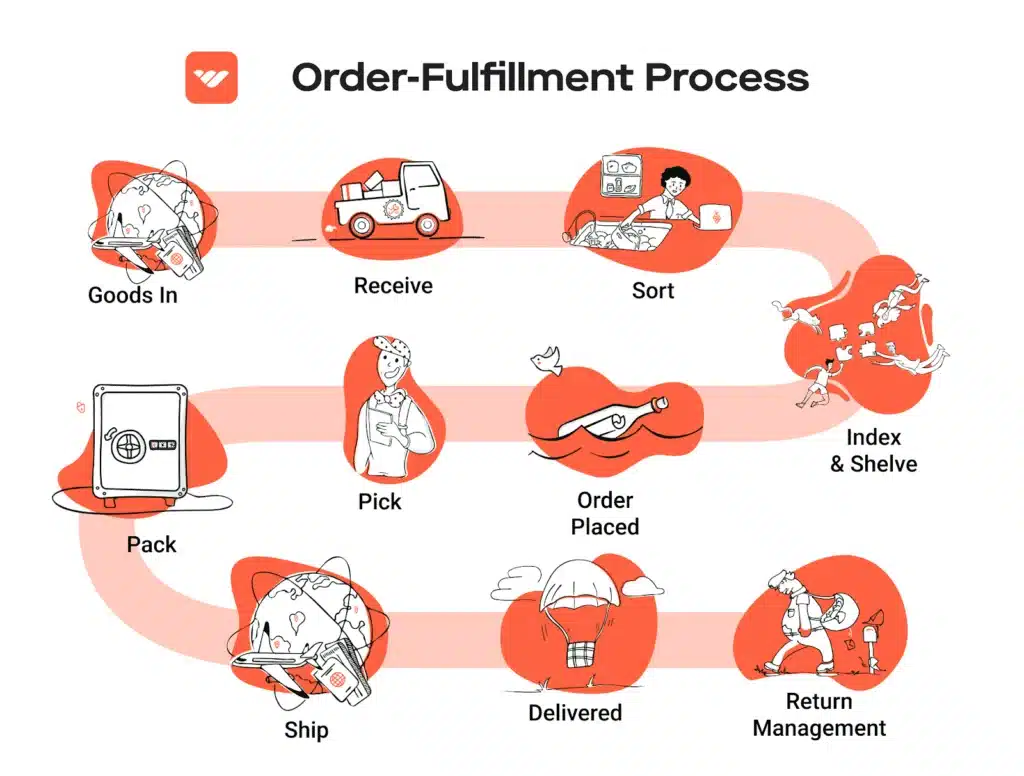
To fix them, the first step would be to understand their root causes. The returns on apparel are increasing because of the manageable factors that are related to production, handling, and delivery. The following are the most prevalent offenders, according to industry statistics of thousands of sellers:
- Incorrect sizing
- Misplaced color or variation delivered.
- Stitching or defect in fabric.
- Poor packaging of goods which has resulted to damaged or wrinkled items.
- Mislabeling errors
- Poor quality of products.
- Misleading product image/ descriptions.
Improved QC and fulfillment processes can help in dealing with up to 70% of the apparel returns. In the case of DTC brands, it will result in a reduced number of refunds and an increase in repeat customers. The sellers on Amazon are also under more intense scrutiny whereby high return rates can devastate your seller performance and Buy Box eligibility. Lack of accuracy in fulfillment of apparel can significantly enhance such problems making small negligence to a huge economic blow.
1. Strengthen Apparel QC (Quality Control)
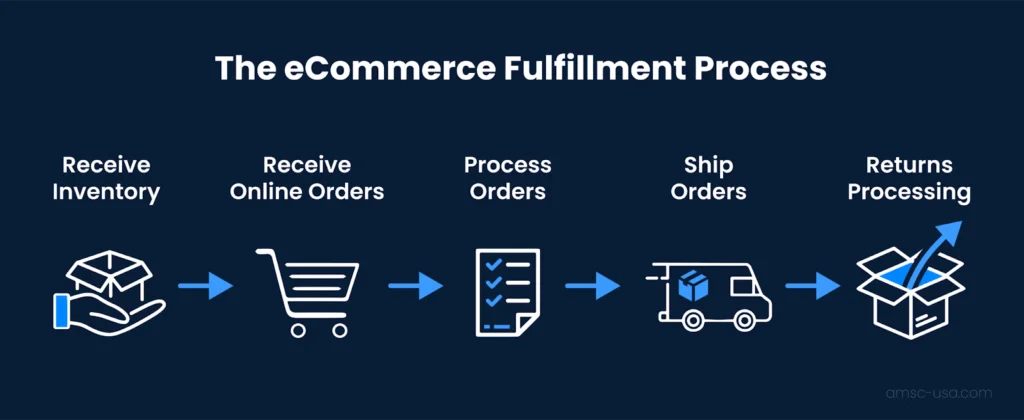
The frontline to defending against defects that result in returns is a strong QC process in apparel. Rushing inspections is asking to cause issues such as poor stitching or colour errors, which leaves consumers angry and sends the product back. According to fulfillment experts that have audited thousands of shipments, a systemized strategy can save up to 30% in the returns due to size and Apparel Fulfillment.
A. Implement a Multi-Stage QC Process
Divides QC into phases to cover it fully. Begin at receiving and proceed to packing:
- Checking of fabric (tear, stains, loose threads, etc.)
- Stitching quality check
- Measurement accuracy vs size chart.
- Color consistency
- Accuracy of embroidery and print.
- Packaging condition
Incidentally, when checking fabric, brightness can be used when looking at the fabric in order to detect slight stains- typical in cotton blends. When checking the quality of stitches, pull tug seams to check the durability, particularly on activewear. Never compare measurements to your size chart: even a 1-inch difference can result in a refund. This multi stage arrangement helps to identify problems at their early stages before they reach the customers.
B. Use a Standardized QC Checklist
It is essential to be consistent, and in this case, you should design a checklist that suits your clothing line and educate your employees about it. Include these essentials:
- Length measurements
- Sleeve measurements
- Chest/waist/hip size checks
- Color shade comparison
- Fabric stretch tests
When dealing with stretchy products such as leggings, fabric stretch testing will be to stretch and test the elasticity without twisting. Record document data electronically. Checklist-based brands record less of the clothing quality check oversights, which has a direct negative effect on the returns due to quality complaints.
2. Improve Accuracy in Fulfillment Workflows
The perfect products may also result in returns in case the performance of fulfillment is poor. According to eCommerce analytics, a half of cases returns due to the implementation of fulfillment errors. Efficiency in picking and packing will make sure that the correct item comes out in excellent conditions.
A. Ensure Correct SKU Picking
The problem of mis-picks in apparel is widespread because of the same SKUs in different sizes and colors. Prioritize:
- Correct size
- Correct color
- Correct variation
Apply zoned warehouse layouts, sort by style then by size, to reduce grabs, 50% of returns are related to picking errors and as such investing in training helps counter against order specifications.
B. Use Barcode Scanning for Every Item
Tech will ensure precision is easy. Implement:
- Barcode verification
- Scan-to-pack systems
- SKU-level accuracy
Strict scan at pick, pack and ship levels. As part of DTC fulfillment, connect to Shopify APIs to sync on-demand. This immediately detects mismatches such as sending a medium when large apparel should be returned, one slices analysis headaches.
C. Implement Double-Check Before Shipping
Add a final safeguard:
- Pre-dispatch QC
- Order verification
- Packing confirmation
Check invoice with a second member of the team who packs the order. This is a fast act, hence eliminating the error in fulfillment that results in returns, sparing you the cost of restocking.
3. Improve Folding, Bagging & Packaging
Packaging is not merely protection it is presentation. Wrinkles or damage due to which items appear to be of low quality are some of the packaging errors that lead to returns. Streamline these processes to make arrivals come off.
A. Fold Apparel Properly
Creases are avoided in folding:
- Smooth out wrinkles
- Uniform folding size
- Close folds should be avoided, resulting in creasing.
In the case of shirts, lay flat, fold sleeves in then thirds. Standard sizes (e.g. 10×12 inches) are also useful, and they fit bags in a tidy way, which helps in efficiency.
B. Use the Right Polybags
baggage insurances against transit ills:
- Correct polybag size
- Proper sealing
- Moisture protection
Select 2-mil thick bags that are of just the right size without any extra air. Humidity damage is of the leading causes of returns, thus seal tightly and include desiccants when flying in the humid areas.
C. Add Protective Layers for Delicate Fabrics
For vulnerable pieces:
- Tissue paper
- Mesh sleeves
- WrappingAccessory of embroidered products.
Silks to be worn in the form of wraps; tops of beads to be worn with mesh. This protective clothing is recycled with the help of QC strategy to keep products clean.
4. Provide Accurate Product Information
Mismatched expectations usually result in returns. Fight this off through openness:
- Accurate size charts
- Realistic product photos
- Fabric descriptions
- Color warning messages (e.g. shade differences).
Take multi-angle images in the natural light. Deceptive product images raise the returns by 22 percent. Provide information such as fabric such as 100% cotton, pre-shrunk, so that people have a realistic idea of what to expect.
5. Improve Communication With Customers
Active information fosters confidence and prevents turnover:
- Clear delivery times
- Guidelines on sizing before purchase.
- Accuracy of order confirmation.
Offer:
- Fit guides
- User-generated photos
- Model measurements
Mailing confirmations about sizing tips minimize after sales insecurities.
6. Analyze Return Reasons and Optimize Processes

Data drives improvement. Regularly review:
- Return reason analytics
- SKU level returns rate reporting.
- Pattern identification
Assuming that M size contributes 70% of returns, then call it so. Modify QC depending on trends, such as increasing color checks of high-return dyes.
Final Thoughts
The majority of apparel returns can be eliminated through rigorous procedures. The keys? Good QC, correct delivery and good packaging. Through them, DTC and marketplace sellers will be able to reduce losses, build loyalty, and grow sustainably.
Strong customer loyalty and lower costs of refunds are achieved when the brands invest in good QC and fulfillment workflows. At BM Supply Chain, we are experts in custom-made solutions, either in harsh QC inspections or in uninterrupted deliveries, to enable the apparel brands like yours to address these issues squarely.