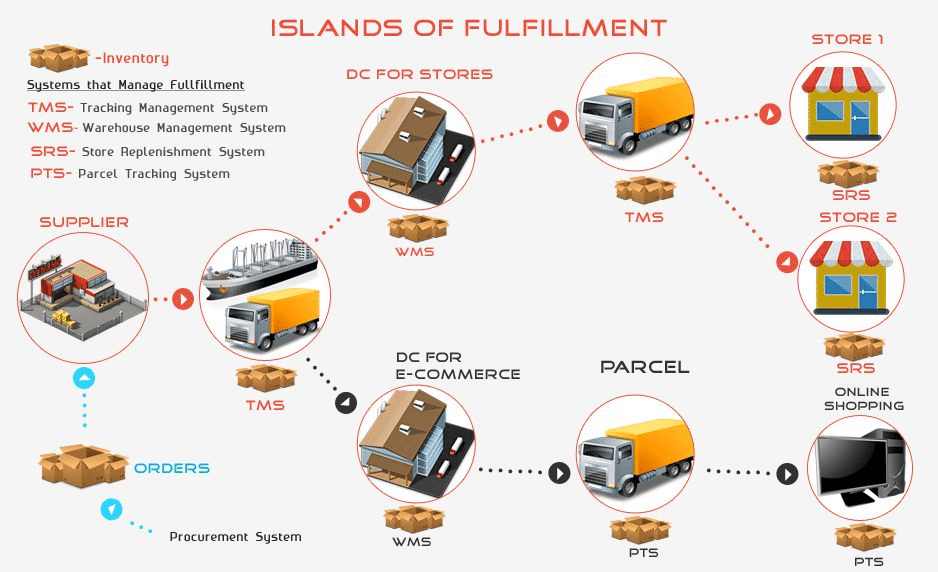
The rationale behind logistics and warehousing in the apparel industry is more than likely to be the highest SKU combinations of sizes, colors, and designs, the highest return rates due to incorrect fit, and a high level of quality requirement to eliminate defects such as loose threads, color discrepancies, etc. A dedicated apparel 3PL intervenes to solve these challenges and provides professional folding to avoid wrinkles, secure bags to protect against damage, and thorough VC to spot defects and simple dropshipping to meet customer demands in a lean inventory. These four significant processes, namely: folding, bagging, QC, and dropshipping, are broken down and illustrated in this guide how they protect the image and activities of your brand. In the case of apparel brands, the correct 3PL does much more than deliver the orders to a person, it ensures the quality of products, their presentation, and customer experience.
Why Apparel Brands Need Specialized 3PL Services
Extensive SKU Differentiations (Size, Color, Style)
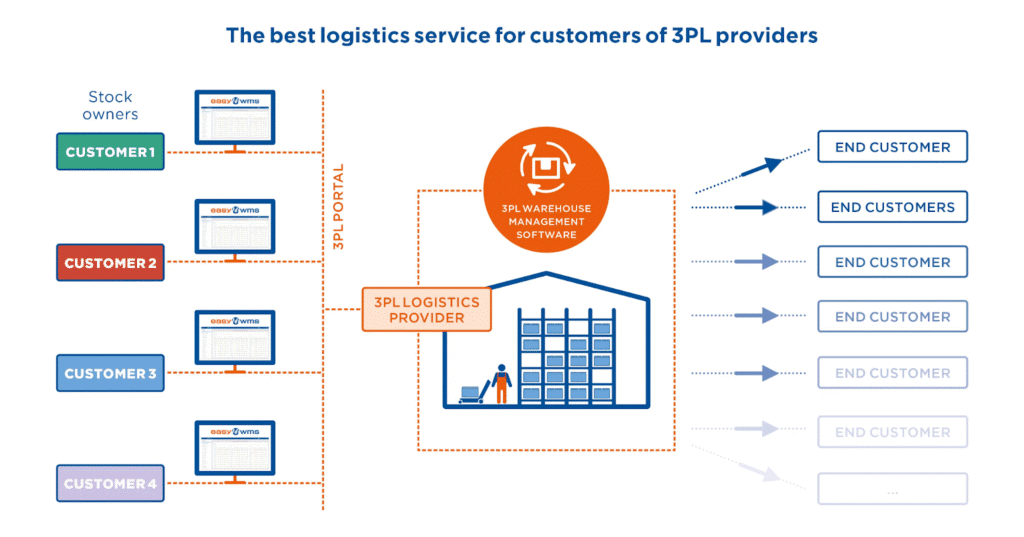
Clothing lines tend to take off with hundreds of SKUs, such as small black tees versus huge red, fall and spring, so in the absence of a good system, inventory tracking becomes a nightmare. An effective apparel 3PL operates sophisticated WMS to handle this complication so that the appropriate variant is shipped each time.
Weakness of Clothing Presentation (Wrinkles, Deformation)
Clothes are easily creased when handled and ill storage can stretch or distort objects such as knitwear. Fashion fulfillment centers are specialized in nature and implement soft processes to ensure that fresh out of shop appearance, which is directly related to unboxing satisfaction.
Better Return Rates in Fashion Ecommerce.
Clothing returns are at 20-30% based on the sizing problem or the perceived quality problem. This can be minimized by an apparel fulfillment center that has a good QC and package, which identifies issues early and avoids the cost of reverse logistics.
The Packaging has a Direct Impact on the Customer Perception.
The initial point of contact is the package, which is an eye screamer: sloppy bagging is cheap, whereas branded and protective wrapping raises your brand. Correct clothing satisfaction makes packaging a promotion tool.
Apparel Shipping Requirements in the World.
International freight transfers costs, policies, and transportation hazards such as humidity. China 3PL of fashion brands is very good in this aspect in that near manufactures are grouped together to make global delivery efficient and compliant.
Folding: How 3PLs Prepare Apparel for Perfect Presentation
Folding Methods that Apparel Warehouses use.
3PLs use board folding where a cardboard template is used to make clean creases, or roll folding where it can be used on larger pieces to reduce the bulk. These approaches have uniformity between batches.
The Benefit of Correct Folding in Reducing Wrinkles and Damage.
Fabrics are well folded avoiding permanent creases during storage or transportation. This will prevent deformation that causes customer complaints of items received in wrinkled form in a busy warehouse.
Folding Styles of Shirts, Dresses, Activewear, Knitwear.
Shirts are folded at the retail level (collar up, sleeves folded), dresses are folded over (flow not disturbed), active clothing, such as leggings are rolled to fit in smaller spaces, or knitwear will not be stretched in tight creases (trained by type of fabric).
Luxury, delicate and bulky garments Special Folding.
Luxury silk blouses may have tissue interlacing; delicate fabric such as lace is wearied loose; bulk coats may be hung or folded flat. They avoid snags or compression, which is vital to upscale brands.
Folding SOP Examples
An example SOP rule will tell: Fold shirts with arms crossed behind, board centered, and not more than 2 creases. Providing this to your 3PL guarantees that it aligns with what we have done to clients in order to reduce the wrinkle-related returns by 15%.
Bagging: Protecting Apparel From Dust, Moisture & Handling Damage
Poly-bagging Requirements (Amazon / Shopify Standards).
Amazon requires tackling polybags of non-packaged goods, which are big enough to fit without any leftover air; Shopify sellers do the same to preserve the goods. Bags should be of minimum thickness of 1.5 mil to be subjected to handling.
Premises of Suffocation & Barcode Location.
Bags larger than 5 inches must have warning such as To avoid danger of suffocation, keep away from babies; the barcodes must be placed on the outside so that they can be scanned according to FBA regulations.
The reason why Bagging Enhances Customer Experience.
It maintains cleanliness and freshness of clothes, which improves that newness effect on arrival – clients notice this, and they will make improved reviews.
Professional Branding Packaging.
Use branded poly bags or go green with logos, making protection branding.
The Effect of Proper Bagging in minimizing the returns.
It prevents dust or tears damages by 10 to 20% as demonstrated by our apparel warehouse operations where bagging procedures are reduced 10 to 20% in the number of returns with fashion customers.
Quality Control (QC): Making Apparel to Customer Expectations.
The Question What QC would Like in a 3PL that is apparel-centric.
QC includes the checking of spots or discoloration, checking of stitches to check whether they are loose or uneven, checking the consistency of color across batches, checking the size with charts, checking the accuracy of labels and tags, checking their attachment.
Types of Common Apparel Defects to be spotted by the QC.
Stained colors because of bad dyeing, non-matching sizes, ripped hems, or wrong labels, they pass through factories, but they are detected during quality control of warehouses.
QC Checklist Examples
An elementary list: “Check 1/10 batch of stains; take 5 samples of each size; check zippers/buttons. Make it to your line, such as additional fabric pull tests on activewear.
The Reason Why QC in the Warehouse is Necessary (Not Just in the Factory).
Transit damage is not detected in factory QC; warehouse inspections offer a end gate, where only flawless goods are shipped- essential in apparel where one defect generates returns.
Dropshipping for Apparel Brands: How It Works with a 3PL
Real-Time Inventory Syncing With Shopify / WooCommerce
The API integrations make stock updates across platforms in real-time, ensuring there is no oversell of size-specific items.
Automatic Order Routing & Shipping Rules
Orders are directed to the closest warehouse, and specifications such as express to U.S., postal to EU are rules that assure cost-speed ratio.
Batch Processing for High-Volume Brands
Combine orders into groups to make them efficient, which are best suited to flash sales in the apparel dropshipping.
Tracking Updates Sent Directly to Customers
Buyers are kept informed with auto-emails that contain links and as a result, there are fewer enquiries.
Scaling Instagram/TikTok-Driven Apparel Stores
Social media hype peaks demand; 3PL dropshipping manages the demand without you being tied to inventory.
The reasons why Apparel Dropshipping is not the same as General Products.
Fits vary heavily require accurate QC and sizing data, as well as, quicker turnover to keep pace with the trends- general products do not require the same.
Additional Apparel-Focused 3PL Services

Steam Ironing & Wrinkle Removal
The items that are creased are revived through post-storage steaming which gives the items a clean delivery.
Re-Bagging & Re-Folding for Returns
Inspection, refolding and rebagging of viable stock are process returns.
Hangtag Application
Apply price or care labels properly to be displayed in the stores.
Barcode & Size Label Replacement
Correct or labeling to fit the market.
Kitting: Outfits, Sets, Bundles
Buy tops and bottoms in sets and provide individual packages.
Custom Branded Packaging & Inserts
Include note of thanks or size charts in branded envelopes.
How China 3PL Improves Cost Efficiency for Apparel Sellers
Lower Storage Cost for Bulky Garments
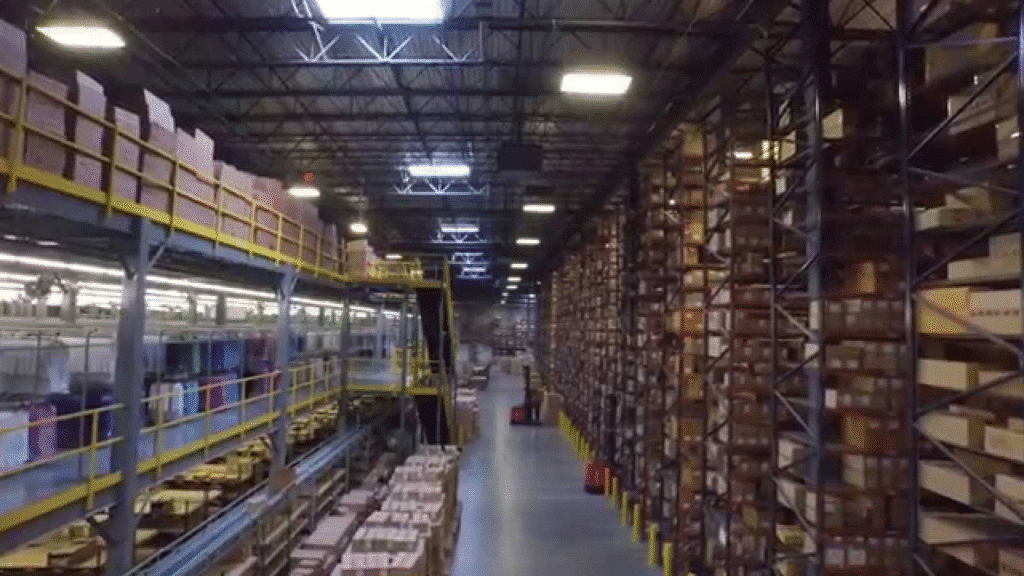
In China, 8-15/CBM/month is much lower than in other countries, which is excellent when the apparel to be hung in space is a space-hog.
Lower Labor Cost for Folding & Bagging
Effective teams can perform the labour-intensive activity 40-60 per cent cheaper.
Close to Manufacturing Hubs (Factory → Warehouse → Customer)
Reduces transits and reduces damage and fees.
Better QC Before Global Shipping
Identify the problem at an early stage, minimizing international returns.
Consolidation Reduces Shipping Cost for Multi-Item Orders
Group packages of large discounts, 20-30 percent.
Common Mistakes Apparel Brands Make with 3PLs
Not Providing Exact Folding or Packaging Instructions
Imprecise specifications cause discrepancies in presentation; elaboration SOPs.
SKU & Size Chaos Due to Poor Inventory Mapping
Incompatible information results in misplaced deliveries; audit associations.
Ignoring Quality Control Requirements
Defects beckon skipping of QC; check beckon.
No Forecasting → Seasonal Stockouts
Fashion such as summer dresses are out of stock; forecast using statistics.
Underestimating Return Volume & Handling Complexity
High returns overwhelm; reprocessing plan.
Best Practices for Partnering with a 3PL as an Apparel Brand
Create Clear Folding & Bagging SOPs
Use photos as a style in documents.
Provide Size Charts & Garment Handling Notes
Information about what not to wear.
Use Real-Time Inventory Sync
Standards are achieved through random checks.
Schedule QC Audits
Stock buffers for holidays.
Plan Ahead for Peak Season Drops
Examine trends to be managed proactively.
Use Data to Forecast Returns & Restocking
Analyze patterns for proactive management.
Conclusion: Apparel-Focused 3PL Services Protect Quality and Scale Growth
A tailored apparel 3PL delivers immense value by safeguarding quality through meticulous QC, enhancing presentation via expert folding and bagging, and enabling efficient dropshipping that minimizes inventory risks and cuts returns. These processes—folding for pristine arrival, bagging for protection, QC for flaw detection, and dropshipping for agility—form the backbone of low-cost, high-efficiency operations. As a supply chain partner like BM Supply Chain, we’ve witnessed how they accelerate brand growth by freeing you to focus on design and marketing. In a professional nod, remember to build detailed SOPs and select a 3PL with proven apparel expertise—it’s the smart way to nurture your brand’s success.