
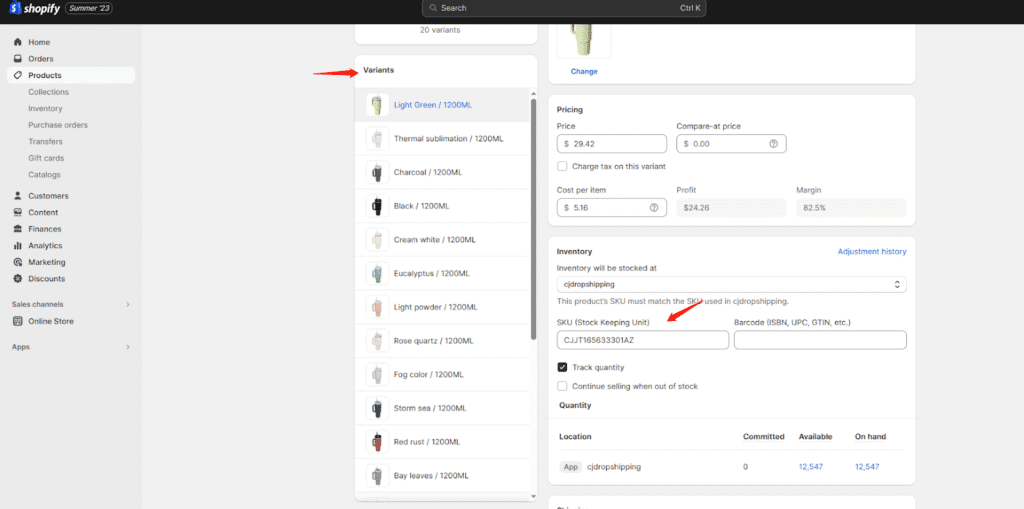
Stock out of stock and insufficient inventory are some of the most expensive traps in ecommerce that can make you lose business, disappoint clients and the traps that cost you unnecessary money that would otherwise be on your bottom line. The inventory sync is the backbone of the contemporary online stores as it synchronizes stock levels across your online stores, warehouses, and channels in real-time. It is most simply defined as the system of coordinating inventory levels between your Shopify or WooCommerce front office, and third-party services such as a 3PL WMS such that all sales, returns, or restocking interactions are automatically updated. Shopify and WooCommerce sellers run the risk of overselling, delays, revenue losses, and having poor customer experiences without real-time inventory synchronization.
What Is Inventory Sync? A Simple Explanation
Definition of Inventory Sync
Inventory sync is the automatic coordination of inventory information between your channels of sales, such as your online store, and the warehouse management system (WfES) where real products are stored. It is a two-way matter: Sales reduce stock, whereas inbound deliveries or returns restore it, and everything is in balance.
How It Works
Once one of your orders is received in your Shopify cart, it will cause all the systems connected to it to reduce the amount of stock they have access to through APIs or webhooks. The reverse happens with returns, which take levels up and manual changes, such as a warehouse figure, drive changes onto your storefront. This cycle is based on the safe links, so the confusion of outdated information is avoided.
Platforms Commonly Using Inventory Sync
Shopify is ahead in that it has built-in API functionalities that can be used to support a smooth Shopify inventory sync, WooCommerce has its own REST API that can be used to support WooCommerce inventory sync. Amazon is multi-channel seller integrated, and TikTok Shop and eBay are gifted with the unified appearance that will not interrupt other sales.
Why Inventory Sync Is Essential for Modern Ecommerce Stores
1. Prevents Overselling
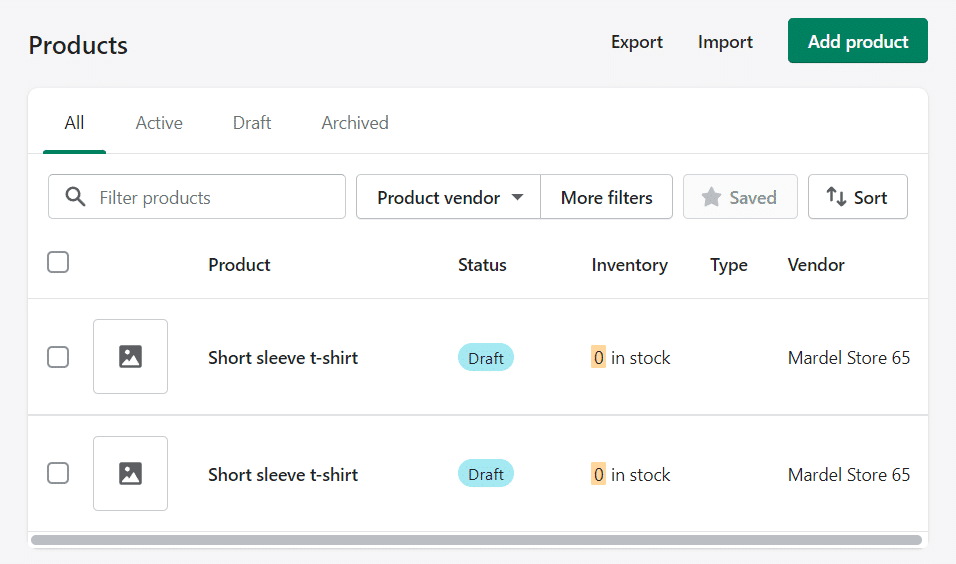
The real-time updates update the stock once an item is sold and prevent the embarrassment of having to cancel the order due to a lack of the product- this is one of the most frequent problems that kills trust.
2. Reduces Stockouts
Low-stock notifications provide you with time to make replenishment, ensuring that popular products are in stock, and sales are not stagnant due to reactive shopping.
3. Enables Multi-Channel Selling
Use a common inventory between Shopify, Amazon, and others without the need to maintain multiple stock quantities or risk differences.
4. Improves Order Accuracy
Manual adjustments are removed and this reduces errors in making wrong deliveries or in delays- which I can tell you is a silent guardian of human error.
5. Enhances Customer Experience
Correct availability will result in reduced number of backorders or surprises resulting in smooth transactions and positive reviews which increases your stores visibility.
6. Supports Scaling
Anything beyond 20-30 orders per day, manual management cracks, and sync automation manages the growth, so you can focus on strategy instead of spreadsheets.
How Inventory Sync Works Between Shopify/WooCommerce and a 3PL
1. API Integration
Order and inventory scopes in the Shopify Admin API are managed using secure keys and WooCommerce the REST API works in the same way where read/write access permissions are required to make data flow safely.
2. WMS (Warehouse Management System) Sync
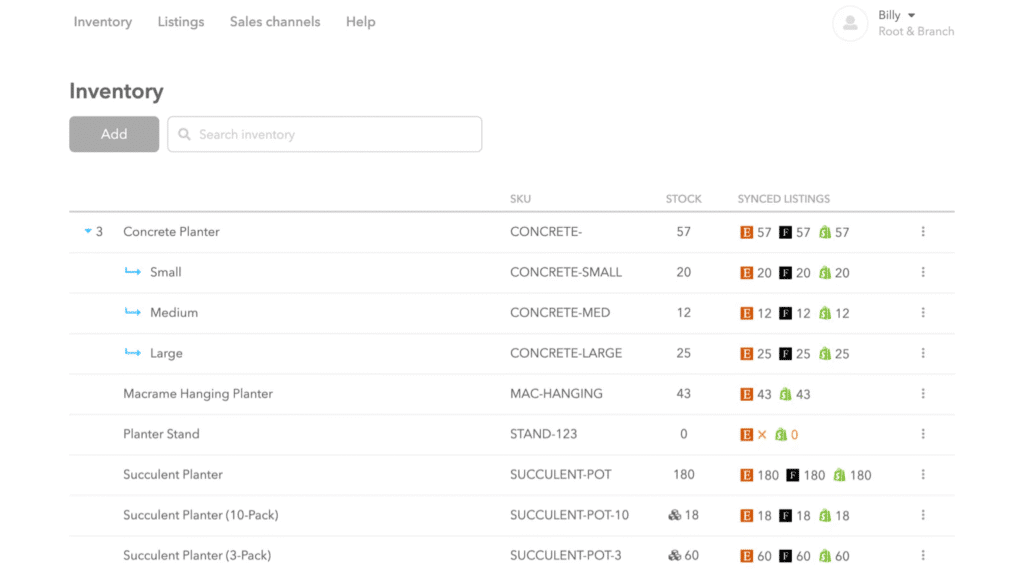
The WMS of the 3PL is the hub of the truth, which takes sales data out of your site and updates it back—forming a single loop in terms of ecommerce inventory management.
3. Sync Triggers
Stocks are subtracted on new orders, and added on returns, and all the channels are updated by manual adjustments, such as cycle counts, and transfer of stock between warehouses appears everywhere.
4. Real-Time Tracking
This will help keep your storefront in its actual state, and web hooks will alert to changes to reflect them instantly.
Common Inventory Sync Features Offered by China 3PLs
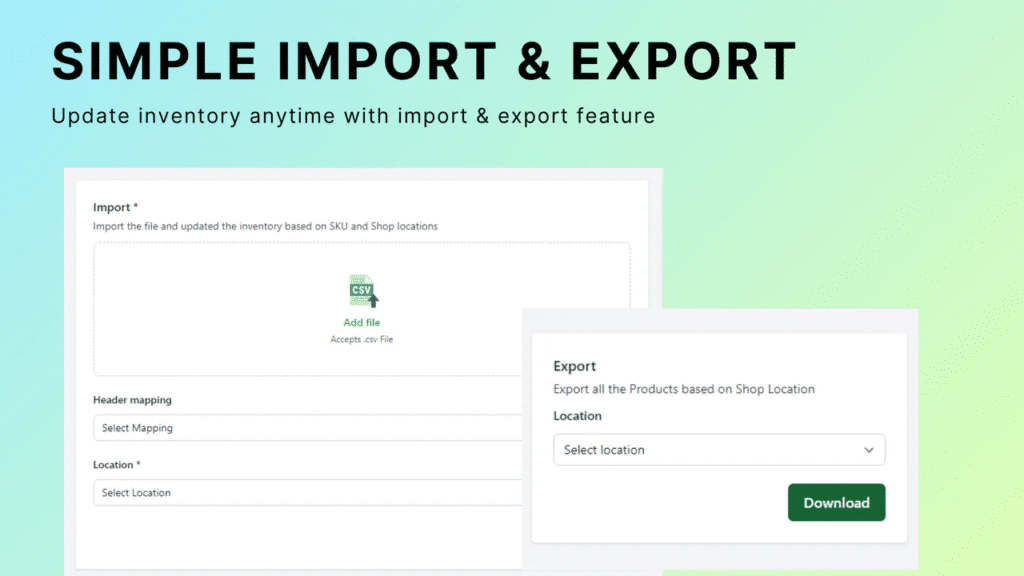
Real-Time Stock Updates
Through immediate deductions made after sale, maintaining boundaries at par.
Multi-Warehouse Visibility
See multiple location stocks in a single dashboard, which is perfect in global operation.
Automatic SKU Mapping
Connect versions without mistakes.
Batch Sync for High-Volume Sellers
Make thousands of updates simultaneously.
Low-Stock Alerts
Proactive restocking is notified with custom thresholds either by email or app.
Channel-Specific Rules (Shopify-Only Stock, Amazon-Only Stock)
Assign one inventory to each platform.
Inventory Aging & Velocity Analytics
Promote slow-movers and forecast fast-sellers.
Inventory Problems Shopify & WooCommerce Sellers Face Without Sync
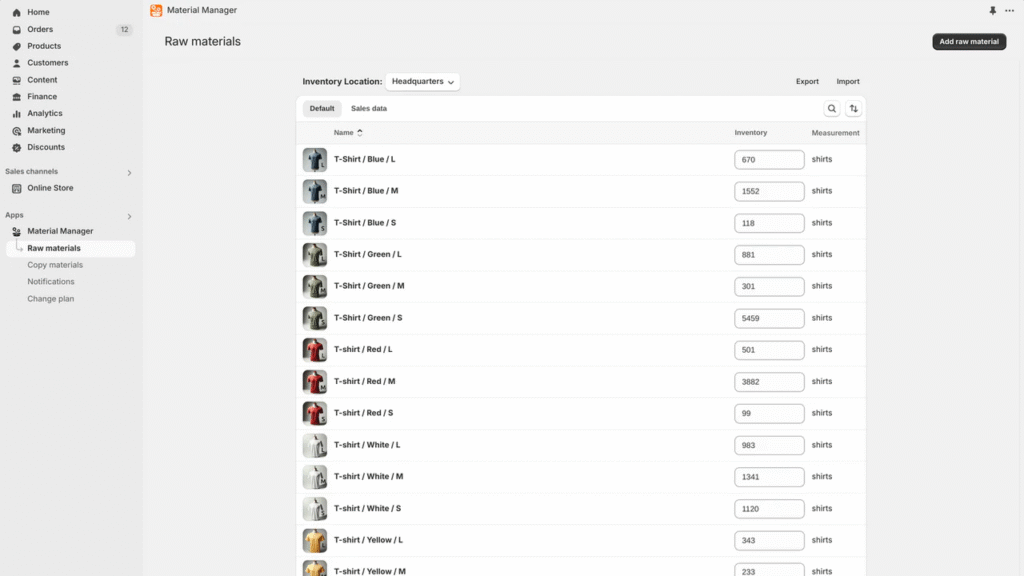
Overselling → Order Cancellations → Negative Reviews
Imagine an overheating tee: Suddenly with no synchronizing, you sell 10 more than you have, and people are walking around with canceled orders and negative reviews such as Not in Stock after purchase – this is a blow to your scores and credibility.
Lost Revenue Due to Stockouts
The customers perceive sold out too frequently, cart abandonment increases 20-30 percent, and the rival takes the purchase.
Disorganized SKU Databases
Options such as sizes/colors become confused leading to picking mistakes and refunds.
Human Error in Manual Updates
Lost spreadsheet record denotes the doubleselling, which is compounded by magnitude.
Difficulty Scaling to Multiple Platforms
The addition of Amazon causes silos, causing unstable stock and headache operations.
Incorrect Forecasting → Overstock & Increased Storage Costs
The speculative approach results in unnecessary amounts of money being tied up in fee charges- I have seen sellers in BM Supply Chain reduce this waste by 25 percent with synchronized data insights.
How China 3PL Improves Inventory Sync Accuracy
Barcode Scanning for Every Movement
The receiving, picking, and shipping scans are also done in order to achieve accuracy, reducing the number of miscounts.
Cycle Counting & Periodic Audits
Frequent spot-checks identify any discrepancies at an early stage, with 99% accuracy.
Unified Inventory for Shopify, WooCommerce, Amazon
All are synchronized under one system, making it easier to have multi-channel inventory.
Better Forecasting Using Sales Velocity
Analyze trends to anticipate needs not to over/understock.
Real-Time Stock Deduction Upon Pick & Pack
The updates occur at the floor of the warehouse, which is reflected immediately online.
Efficient Warehouse Layout → Fewer Picking Errors
Optimized areas minimize the number of walks and mix-ups and improve the syncing of stocks.
What Causes Inventory Sync Errors (and How to Fix Them)
Incorrect SKU Mapping
Variants do not match- correct by auditing and standardization of codes at setup.
Duplicate SKUs on Shopify/WooCommerce
Generates ghosts–fixes on unique identifiers and platform cleanups.
API Rate Limits
Delay syncs- plan batches or upgrade plans.
Warehouse Miscounts
Mistakes creep in- introduce barcode requirements and training.
Manual Edits Breaking Sync
Approval made by overrides makes systems
Poor-Quality WMS or Slow Providers
Low-Quality WMS or Sluggish Providers.
Best Practices for Perfect Inventory Sync
Use Standardized SKU Naming
There is no confusion because of consistent formats such as “PRODUCT-COLOR-SIZE.”
Audit Inventory Weekly or Bi-Weekly
Spot checks keep data clean.
Use a Single WMS as the “Source of Truth”
Control has to be centralized to be accurate.
Avoid Manual Stock Edits Whenever Possible
Allow automation to prevail to reduce the number of errors.
Test API Sync Before Black Friday or Big Launches
Test spikes to make sure it is robust.
Share Sales Forecasts With Your 3PL
Aid warehouse prep for peaks.
Who Needs Inventory Sync the Most?
Sellers Operating on Multiple Channels
Combines Shopify, Amazon, eBay- sync.
Brands Shipping Globally
Delays across boundaries enhance errors; sync assuages.
Stores With 50+ SKUs or Variants
Things are too complicated not to be automated.
Fast-Moving Inventory Brands
High turnover should be immediate.
Dropshipping Sellers With Fast Order Flows
Monolithic stock would need perfection in terms of updates.
Growing Shopify/WooCommerce Stores
Manual failures increase–sync scales.
Conclusion: Inventory Sync Is a Core Requirement for Scaling Shopify/WooCommerce Brands
Inventory sync is the foundation of the expansion of your brand, the operation of automation that will make all operations run smoothly and make customers satisfied. In its absence, sync errors are synonymous with increasing costs, positive feedback and halting growth. Finally, automated inventory sync is the secret of success on Shopify and WooCommerce, which transforms possible mess into a stable performance. To a practical conclusion: Have a consistency check of your SKUs, install a powerful WMS, allow automatic syncing and ensure that you check your API connections on a regular basis, steps that have made many sellers at BM Supply Chain successful.