
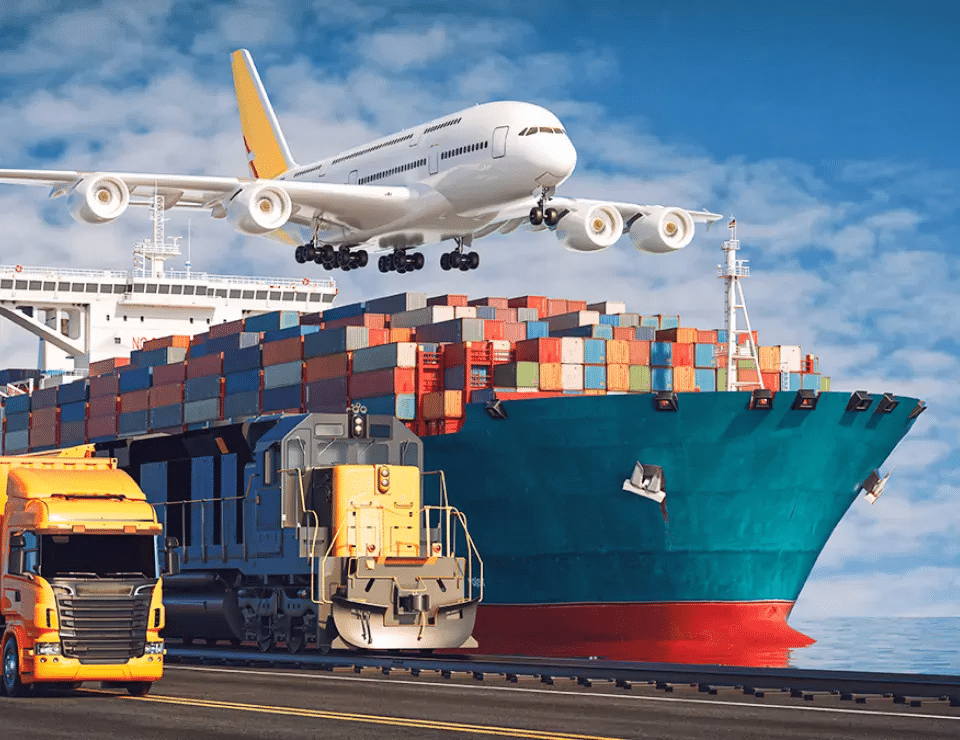
The sellers of cross-border ecommerce tend to lose themselves in the maze of worldwide shipping choices, not knowing which approach will suit their interests without plunging their profits or risking customer dissatisfaction. The type of shipping method used significantly determines the timing of delivery, total expenses, profit margins, and the most important customer satisfaction that leads to repeat business and reviews. This guide is a demystifier that can help you find the right one among four main methods, namely, express, the budget-friendly lightweight haul, air freight, and the bulk cost-crushers, by matching them to your needs. The proper global shipping technique is not about which is quickest or the cheapest, but rather about the correspondence of the price, speed and reliability with your product and client anticipations.
Why Understanding Global Shipping Options Matters
Shipping Cost Is Often 20–50% of Total Product Cost
In international transportation, logistics can consume 20-50 percent of the landed cost of your product, particularly with low-margin products such as clothes or accessories. Getting this wrong adds money onto it and then have to raise prices and that puts off purchasers- I have helped sellers at BM Supply Chain who have reduced this by streamlining processes, reclaimed profit without affecting service.
Delivery Time Heavily Influences Reviews and Conversions
The delay in the form of one day can reduce conversion rates by 7, according to the industry statistics, since shoppers require 3-7 day international deliveries. Slow shipping creates a bad review such as; it took me a long time to get, which is not good on social media, such as Amazon or Shopify.
Incorrect Shipping Method Can Destroy Profit Margins
Choosing express because of large package goods damages profits with a high per-kg charge whereas the use of sea because of urgent goods causes stockouts and missed sales. Alignment is the magic, the misplaced decisions add up to 10-30 percent of the margin loss in the long term.
Different Markets Require Different Logistics Strategies
The U.S. customers are speedy and prefer express; the EU customers are willing to wait longer to have environmentally friendly sea food. Logistics Tailoring through China 3PL logistic will help to avoid the traps of customs that are not expected.
Express Shipping: Fastest but Most Expensive
What Express Shipping Is
Express includes high quality automobile companies such as DHL, UPS, FedEx, or SF Express, which have door-to-door capabilities with special handling and priority delivery routes to facilitate quick worldwide access.
Average Delivery Time
Get to 3-7 days to major markets, such as the U.S., Europe or Australia – ideal for time-sensitive requirements.
Cost Structure
It costs between 15-40 per kg plus fuel surcharge (5-15) and remote location charges (10-50). The dimensional weight is frequently used and it increases the prices of the large packages.
When Express Is Ideal
Applicable to the high value goods such as electronics or jewelry, small packages of less than 1kg, urgent delivery in time of promotions or during Amazon FBM to match the expectations of Prime.
Pros & Cons
Advantages: Extremely fast, very reliable and end-to-end tracking. Cons: High prices may kill the margins of the low value products, and it is not sustainable in bulk or everyday products.
Postal Shipping: Most Economical, Best for Lightweight Goods
What Postal Shipping Is
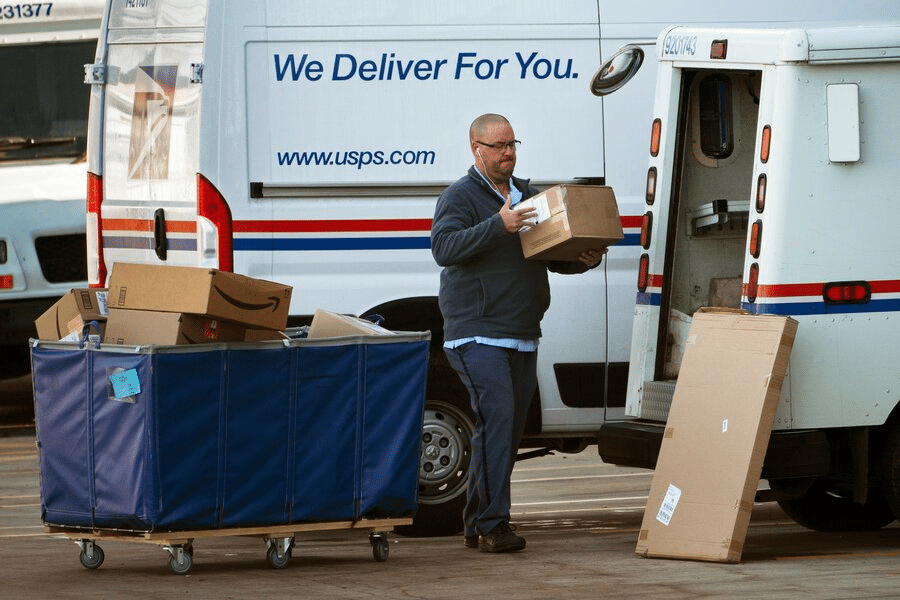
Postal uses national networks such as China post, USPS, Royal mail, Canada post, or Australia post, where they do last mile with local mail delivery to have a cheap global coverage.
Average Delivery Time
The duration is usually 7-20+ days, depending on the destination – slower but less urgent routes.
Cost Structure
Extremely cheap with prices ranging between 3-10 per package good in 0.05-1kg loads with flat or weight charges and low surcharges.
When Postal Is Ideal
Most suitable with low-priced items such as accessories, non-urgent items like t-shirts that are lightweight and dropshipping where speed is not a priority.
Pros & Cons
Debits: Cheap as dirt and even in out of the way places. Cons: slower delivery due to simple tracking that poses a threat to customer impatience.
Air Freight: Best for Mid-Weight Products With Balanced Speed & Cost
What Air Freight Is
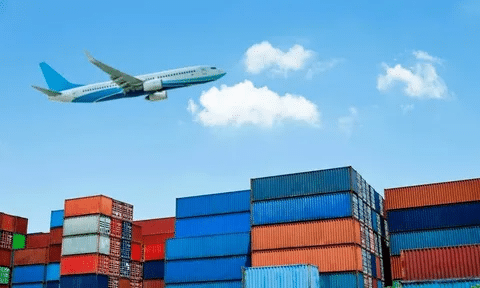
Air freight expresses are transported by the airline cargo of airlines, frequently combined with local couriers, the last-mile express, a compromise between sea and express.
Average Delivery Time
7-12 days, which provides faster turnaround than sea without express premiums.
Cost Structure
Between 4-8 per kg, which is cheaper than the express but more expensive than the sea, is offered to shipments between 10-500kg including volume discounts.
When Air Freight Is Ideal
Ideal in restocking inventory and in mid-sized shipments such as beauty kits, products of high value and moderately fast speeds need or higher volume ecommerce brands.
Pros & Cons
Advantages: Good ratio of speed to price, expandable with increasing orders. Disadvantages: It is not cost-effective in the case of small deliveries, and it may have weather delays.
DDP Sea Freight: Cheapest for Bulk but Slowest
What DDP Sea Means
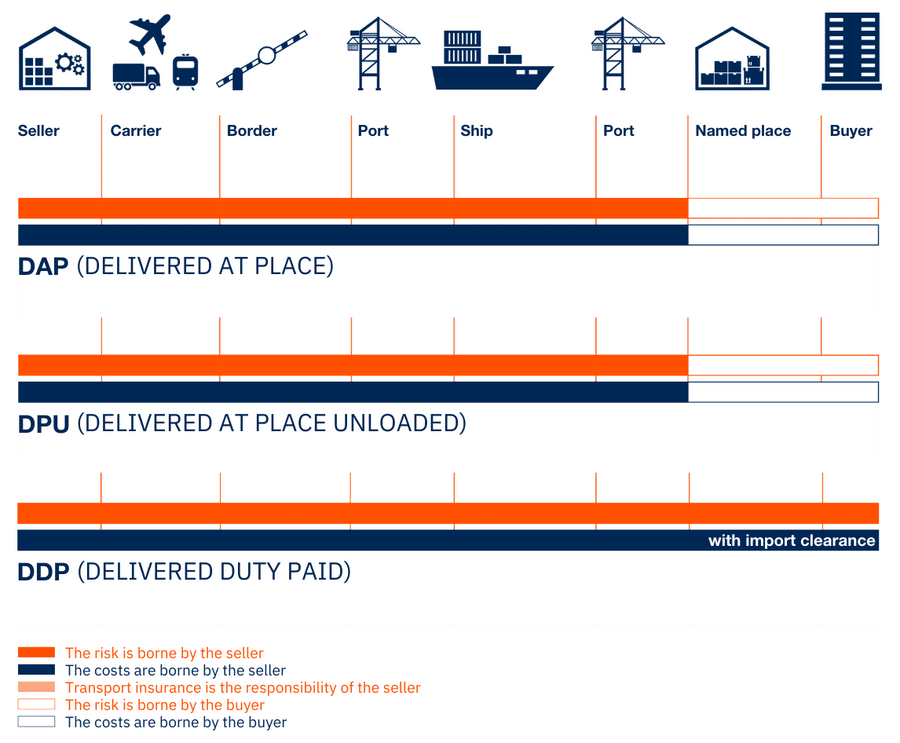
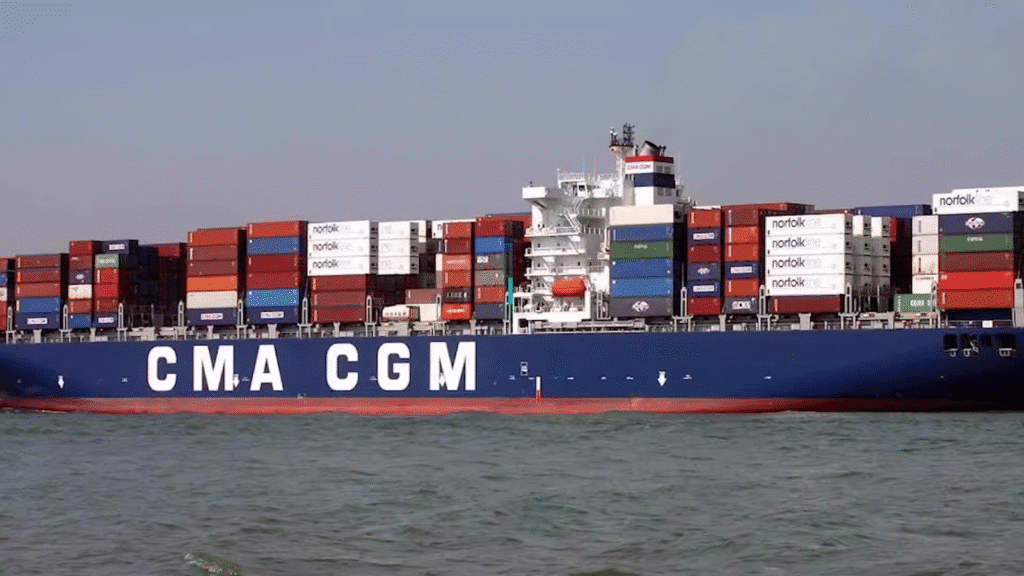
DDP (Delivered Duty Paid) ocean freight implies that the shipment firm should keep all the duty and taxes and goods should be delivered by container ships- buyer enjoys hassle-free delivery.
Average Delivery Time
Depending on the routes such as China to U.S. West Coast (faster) vs. East Coast, 25-45 days.
Cost Structure
Minimal at $0.50-2 per kg or 100-200 per CBM to bulk in size with consistent all-in charges.
When DDP Sea Is Ideal
Good when the products are heavy such as furniture, large inventory replenishment, low-urgency products or increasing a brand with consistent demand and good forecasting.
Pros & Cons
Advantages: very low in bulk, and there is fixed responsibility in budgeting. Cons: Long lead times are planning intensive, however, cannot be applied to trends or perishables.
Comparison Table: Express vs Postal vs Air vs DDP Sea
| Shipping Method | Timeframe | Weight Range | Ideal Product Type | Cost Level | Tracking Quality | Suitable Seller Type |
| Express | 3-7 days | <5kg | High-value, urgent (e.g., electronics) | High | Excellent, real-time | Small-mid scale, FBM-focused |
| Postal | 7-20+ days | 0.05-2kg | Low-value, lightweight (e.g., accessories) | Low | Basic | Dropshippers, budget sellers |
| Air Freight | 7-12 days | 10-500kg | Mid-value, volume (e.g., beauty products) | Medium | Good, end-to-end | Mid-large scale, replenishment |
| DDP Sea | 25-45 days | >100kg | Heavy, bulk (e.g., apparel stock) | Very Low | Moderate | Large scale, inventory-heavy |
This table indicates the suitability of each approach to various situations in international ecommerce delivery approaches.
How China 3PL Optimizes These Shipping Methods
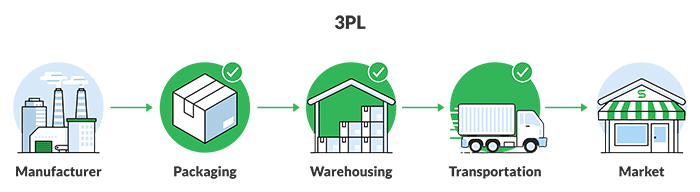
Order Consolidation Before Shipping
By combining several orders into a single consignment, China 3PLs reduce the unit costs- express vs postal shipping savings can run as high as 20 percent.
Carrier Rate Negotiation (Lower Cost)
They can use volume to negotiate discounted rates such as 15-30% off DHL or postal, and save some to you.
Smart Routing Based on Weight & Destination
Algorithms use the best lines: postal light U.S. and air mid-EU based on cost and speed.
Real-Time Tracking Updates
Integrated systems offer a single tracking of the methods and minimise customer enquires.
Faster Dispatch Through Streamlined Warehouse Operations
Close to factories implies faster preparation, bringing even DDP sea arrangements to a faster pace.
DDP Tax Handling for Key Regions
The knowledge of EU/U.S responsibilities would guarantee there are no surprises in terms of air freight and sea freight decisions.
How to Choose the Right Shipping Method for Your Business
Consider Product Value
High-value? Go express to reduce loss risks; low-value? Postal preserves margins.
Consider Weight & Package Dimensions
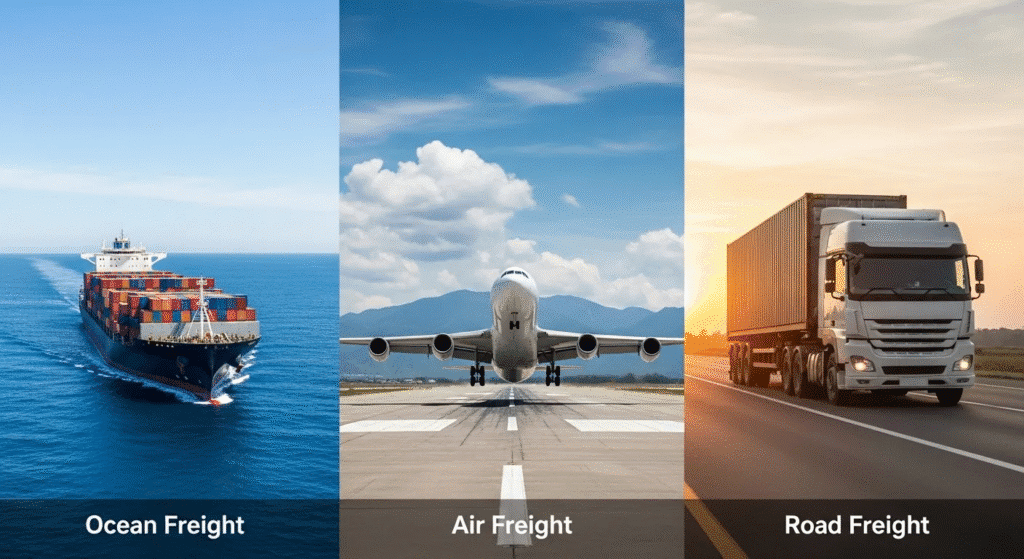
Light/small: postal or express, mid-heavy: air, bulk: DDP sea.
Analyze Profit Margins
Close margins go to postal/sea; high quality products go to express.
Know Customer Regional expectations.
Understand Customer Expectations by Region
Apply Hybrid Strategy of Shipping (Express + Postal + DDP Combined).
Use a Hybrid Shipping Strategy (Express + Postal + DDP Combined)
Blend to suit all–mix versatile, express VIPs, postal regular, sea stock.
Test Multiple Lines to Find Best Speed-Cost Ratio
Pilot deliveries to check actual performance and perfecting with time.
Real-World Examples
Lightweight Accessories → Postal
A jewelry vendor shipping 0.2kg earrings to the U.S. uses postal at 4-6, which takes 10-15 days, which is affordable in case of 10-dollar jewelry, and keeps 40% margins.
Premium Electronics → Express
In the case of $200 smartphones, express at 20-30 is the correct product price as it is 4-day delivery, which is worth a lot and less chances of returns.
Mid-Weight Beauty Products → Air Freight
A cosmetics brand replenishing 50kg kits uses air of $5/kg, 8-day shipping- 1/2 of the express premium to match seasonal traffic.
Large Restocking Orders → DDP Sea
A wholesaler of apparel delivers 500kg tees through DDP sea at a cost of 1/kg, 30 days-which is a good fit when there is predictability in the stock, which reduces the cost by 60 percent compared to air.
Conclusion: Each Shipping Method Plays a Different Strategic Role
There is no universal shipping solution to the world, express provides urgency to high stakes products, postal ensures the light weight budgets do not break, air-bridges provide speed and volume to middle-tier consumption and DDP sea is bulk efficient to plan long-haul. The determinant of success will be the balance between cost, speed, weight, and customer expectations to develop a strategy that drives growth. This is how sellers have flourished as advisors at BM Supply Chain. Actionable recommendation: Use express when there is urgency, postal when the shipment is lightweight, air when replenishing, sea when shipping is in large quantities, begin with a cost audit to streamline your combination.