The reason why a 3PL bankruptcy is not merely a financial incident is because it is possible that the business will be put in a state of inventory lock down making it impossible to sell overnight unless contingency plans were put in place.
The ecommerce brands are directly affected when a third-party logistics provider creates bankruptcy or abruptly closes down and interrupts the operation of the ecommerce brands. The processing of orders is frequently interrupted within hours or days, warehouse access is closed by law or administrators, and co-ordination among carriers is not possible without the specific guidance. A significant number of brands expect inventory in a warehouse to be readily available on command at any given time. Factually, even where there is clear ownership, financial or legal quarrels might interiminate access to the inventory even at times when it is considerably evident that the latter has been performed.
In the case of unforeseen warehouse closure, brands that have the right plans of 3PL exit safeguard their inventory, cash flow and customer obligations.
Immediate Operational Consequences of a 3PL Bankruptcy
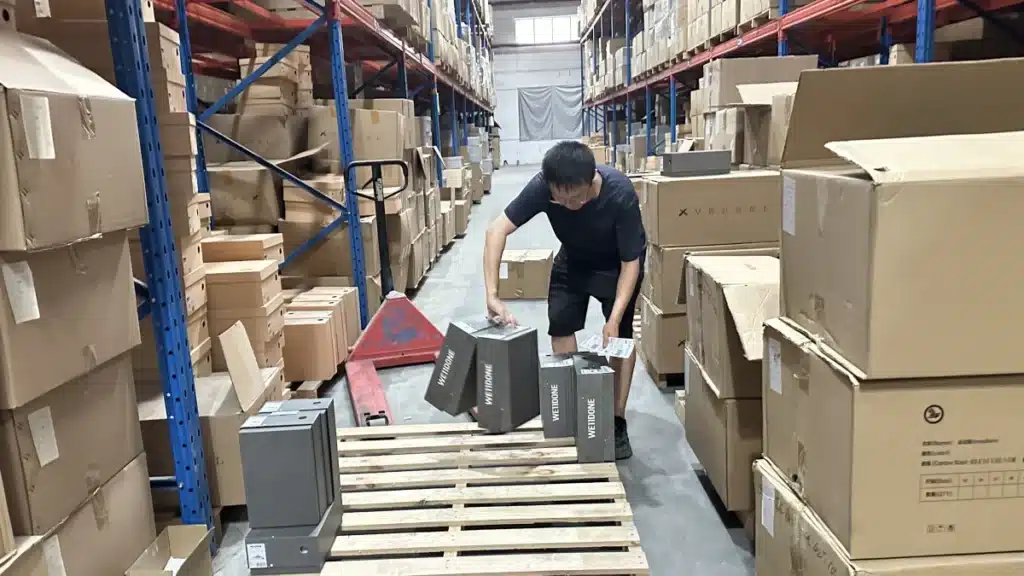
With the moment a 3PL goes into bankruptcy or stops, delivery comes to a halt in the ways of direct impact on revenue and client trust.
Processing of orders is usually put on hold when the systems crash or personnel rearrange their priorities to winding down. Warehouse control will be under lock-down by the appointment of a court and it may not be physically accessed. Carrier pickups default when an access authorization is not released, and the shipments are in stranded position. Inventory reconciliation becomes very sluggish because records start competing or becoming unavailable.
The following describes the most frequently occurring immediate concerns:
| Immediate Issue | Business Impact |
| Order halt | Revenue stop |
| Inventory access restriction | Stock freeze |
| Carrier coordination breakdown | Shipping delays or cancellations |
| Staff departure | Processing delay |
| Data access loss | Visibility blackout |
Even these disruptions multiply rapidly: unfulfilled orders means chargeback and negative reviews as well as lost repeat business. Little as a few days of no fulfilment can wipe weeks of marketing profitability even in high-velocity ecommerce.
What Happens to Your Inventory Legally?
A 3PL Inventory may not bestow direct ownership of the inventory and the instant ownership rights upon the time of bankruptcy of the latter, even though the legal system favors the creditors and the equity of the procedure.
Although you will still be the owner of your goods (being bailees 3PLs are in possession, but not ownership), efficient recovery will be determined by contractual provisions, any unpaid expenses, and a bankruptcy. A large portion of contracts contain warehouse lien rights, in which case the 3PL (or its trustee) is entitled to hold goods pending unpaid storage, handling, or other charges. Inventory can fall into the conditions of automatic stay in bankruptcy court where it cannot be released until it is resolved.
Major legal aspects and the risk associated with them are:
| Legal Factor | Risk Level |
| Clear ownership contract | Lower |
| Ambiguous storage terms | Higher |
| Outstanding warehouse fees | Possible lien |
| No retrieval clause | Delay risk |
That is not legal advice, specifically to certain situations, seek qualified counsel. The main message is: the strong and very express contractual language specifying on ownership and right to retrieve greatly minimize the complexity of legal action.
Early Warning Signs of 3PL Financial Distress
Early detection of a financial distress will enable the brands to implement emergency programs before a complete closure is effected.
The inconsistencies of operations have been made prior to making public filings. Check the 3PL delayed payments, and this is an indicator of cash strains. Staff turnover interrupts the implementation and knowledge retention. Service quality standards can drift — pick rates are reduced, error rates are increasing, or unaccounted idle periods. Unforeseen restructuring of fees or being asked to make advance payments is an indicator of pressure. Issues are also complicated by barriers in communication like the latency in responsiveness or avoidance related to capacity.
Common indicators include:
| Warning Sign | What It May Indicate |
| Late carrier payment | Cash flow strain |
| Service decline | Operational stress |
| Fee restructuring | Financial pressure |
| Leadership change | Structural instability |
| Communication gaps | Internal uncertainty |
Frequently checking these indicators, and, where possible, periodically checking financial health, can aid the brands to become not reactive but proactive in managing risk.
Designing a 3PL Exit Strategy in Advance
The best defense against inconvenience begins well before inconvenience strikes: create emergency escape clauses in any 3PL contract at day one.
Provide explicit termination specification employing quantifiable transition support with decent termination periods (4-60 days). Definitely state, and do not leave ambiguous as to what inventory is owned. Get access to order history, inventory, and tracking, on a regular basis (to export). Find alternative warehouse solutions before they are required, preferably with backup agreements being negotiated in advance. Create guidelines to be followed in the event of emergency relocations such as schedules, persons to handle the moves and the budget to be spent.
Important components of an effective exit strategy:
| Exit Strategy Element | Purpose |
| Clear ownership clause | Legal protection |
| Data export rights | System continuity |
| Alternate 3PL shortlist | Rapid transition |
| Retrieval protocol | Access control |
Exit planning should be treated as normal governance and not treated as an expression of distrust which resilience will be injected into the supply chain.
Multi-Location Fulfillment as Risk Mitigation
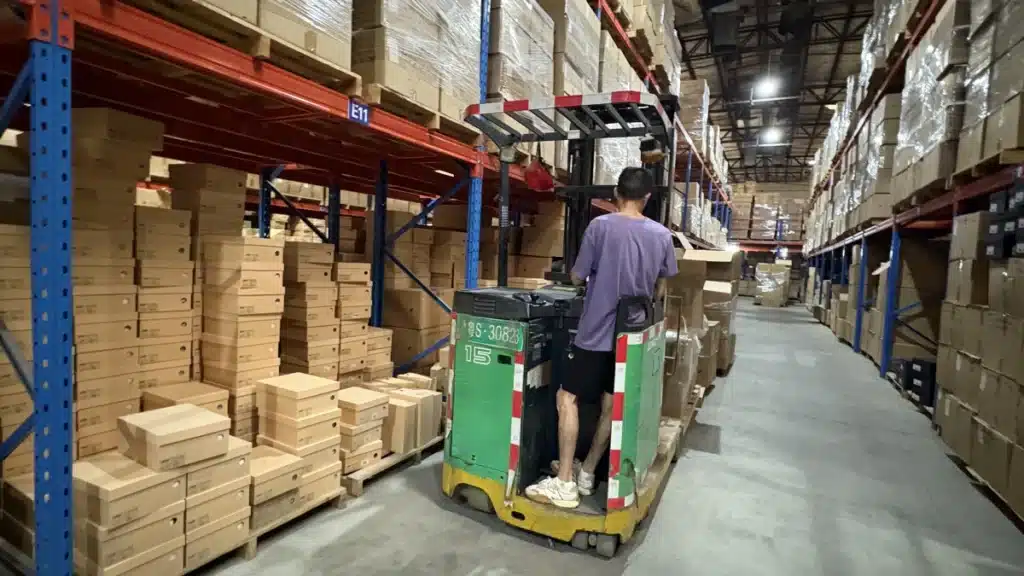
The use of a single fulfillment place causes unnecessary concentration risk – having the storage diversified on more than a single location serves as a buffer measure.
It is possible to geographically separate inventory and brands not to be completely locked in case a facility encounters any problems. Cross region storage helps to reroute orders to operating locations and preserve some of them in between. The use of a China 3PL in a distributed model will minimize the concentration risk further and provide a buffer inventory that is nearer to the manufacturing sources and enable a quicker rerouting of international or domestic orders.
This methodology provides confinement, yet it is scalable because likely solitary failures are managed down to minor modifications.
Data Protection and System Continuity
Even in an emergency of 3PL, the availability of proper independent data makes decision-making possible.
Carry out monthly reconciliation of inventory in order to identify discrepancies early. Incorporate API backups of standard exports of important data. Retain access to SKU-level reporting off the 3PL platform. Maintain separate records of shipments, adjustments and recipts.
Professional data controls and their advantages:
| Data Control Practice | Risk Reduction Benefit |
| Monthly inventory audit | Reduced discrepancy |
| Data export access | Visibility continuity |
| Backup fulfillment plan | Operational resilience |
Such practices guarantee the brands of having a command on the important information despite the level of partnership.
Cost Implications of Switching 3PLs
Emergency transitions are real financial instabilities – the best way to contain them is to plan ahead.
The freight charges are usually quite high in providing inventory relocation, particularly expedited relocations. Re-integration of systems is a process that requires IT resources in terms of API mapping and testing. Service failures may cause dissatisfaction with customers and missed sales. Termination of contract can provoke penalties in case of notice time slip.
Typical transition costs:
| Transition Cost | Short-Term Impact |
| Inventory transfer | Higher freight |
| System re-integration | IT expense |
| Temporary delay | Customer dissatisfaction |
| Contract termination | Possible penalty |
It should be budgeted in advance and bargaining good terms of departure turns the unpredictable to planned costs.
Common Mistakes Brands Make
There are a number of common pitfalls that increase the harm in an event of 3PL failure, as experience demonstrates.
- Omitting comprehensive review of the contract before signing, not specifying ownership and retrieval terms.
- Inability to recognize and recruit alternate providers before they are required.
- Excessive concentration of inventory in a single place or with a single supplier.
- Not paying enough attention to the warning signs till it is about ready to disrupt the whole process.
- Failing to back up data on a regular basis and keep independent records.
This elimination of the same prevents options and reduces recovery time.
Conclusion — Exit Planning Is Risk Insurance
The incidence of bankruptcy of 3PL is not very high, but even in the case of 3PL bankruptcy, the effect on the ecommerce functions may be devastating in absence of prior preparation. Inventory security, cash flow consistency, and continuity of fulfillments need planning and not a response. Multi-location fulfillment along with diversification makes company vulnerable less and consistency presented by legitimate contracts and constant access to data.
An exit strategy will not create a lack of trust, but is a sign of professional supply chain governance. Brands that explain ownership and store in a diverse place, as well as those that keep aside the visibility of their system, will manage to sustain the business even when the logistics partner in question fails down the line.