
Slow shipping is a common concern that is likely to be called one of the frequent pain points in ecommerce across the borders, particularly when sourcing and fulfilling in China. But the important lesson is this; the majority of these complaints are not due to actual failure to deliver, but to the fact that there has been a mismatch in expectations regarding the transit time which may take between 3-5 days in the case of express couriers or 15-40 days in the case of normal sea or postal services depending on the mode and the destination.
With proper professional response, a bad customer can become a good customer – or at least avoid the negative feedback and loss of lifetime value. The expectations and communication may either destroy brand loyalty or build long term loyalty, based on the customer complaints about China taking long to deliver the goods.
Most of the brands falsely perceive as mere logistic problems. They are in fact usually expectation as well as transparency issues. Through confronting the root cause directly and responding rationally and clearly using data backed arguments, the operators of ecommerce can save their brand and minimize friction in the future.
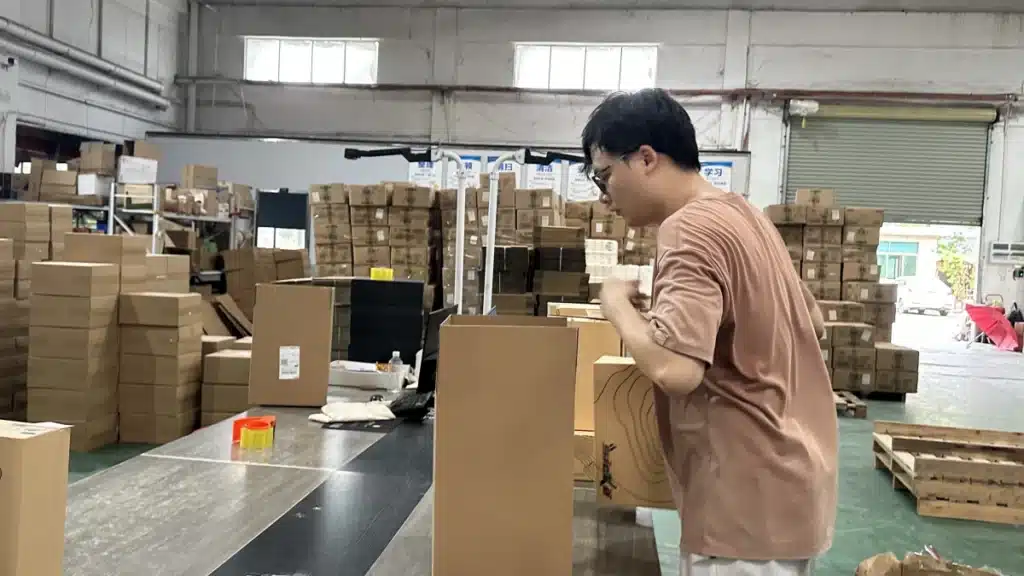
Why Customers Complain About Slow Shipping
Complaints of slow shipping are not often based on an actual loss of the package permanently, but rather are grounded in the discrepancy between customers expectations and the reality of international shipping.
Today the customers compare themselves to domestic services such as 1-2 day delivery on Prime by Amazon. When the time to receive a package shipped to China is 10 to 30 days (which is typical of cheaper solutions), it seems outrageous, even when the delivery company is dependable. Combine non clear tracking, variability in customs and long last mile routes, and frustration sets in very fast.
The most prevalent root causes and their downstream effects are listed below:
| Root Cause | Customer Perception | Business Risk |
| Long transit time | “This brand is slow” | Lower repeat purchase rate |
| No proactive updates | “My order is lost” | Increased refund requests |
| Customs delays | “Poor logistics” | Negative reviews |
| Unclear ETA at checkout | “Unreliable brand” | Higher support burden |
| Cross-border complexity | General confusion | Overall trust erosion |
The knowledge of these triggers can be used to change the defensive emphasis to active education and prevention.
Step 1: Respond Immediately and Calmly
The one best response that can be made to the issue of slow shipping is to respond more quickly: hours, not days.
The prompt and sympathetic response demonstrates that the customer is significant and the emotional level does not rise, preventing the spread to the open sources such as social networks or reviewing platforms.
Precepts: Recognize the emotion and neither blame nor accept blame. Blame not on the carrier, customs, or on China as a whole in general, this does not put the responsibility on your brand and destroys trust.
Follow this useful reaction model:
- Acknowledge the concern
- Confirm order details
- Give up to date tracking visibility.
- Discuss practical timeframe considering data.
- Re-assurance of follow-up and follow-up.
Example template (slight delay scenario):
Hi [Name], I am glad to hear from you, I know how irritating it can be when an order is not delivered as fast as it could be. I have taken up your order [number] and verified that it is being shipped by [carrier]. The current scan reveals that it is traveling through [status quo], carrier ETA of 3-5 more business days on the current trends. We are keeping a keen eye on it and we will inform you as soon as there are any changes. Meanwhile, will you tell me whether there is any other service I can render you?
It is a calming strategy, not too apologetic or offering too much that is impossible.
Step 2: Reset Expectations with Transparency
After the first recognition has been achieved, the second thing is to refreeze the expectations with facts, and not empty promises.
Cross-border shipping is a multi-phase operation consisting of factory-to-warehouse, export clearance, international transit, import customs and last-mile delivery. Every step is variable in nature, as 2-10 days can be unexpectedly added due to customs inspection, and carrier scan delays may occur.
Replacing the general statement It should arrive soon with details would alleviate more anxiety:
| Communication Style | Result |
| “It should arrive soon” | Increases frustration |
| “Current carrier ETA is 3–5 days based on scan data” | Builds credibility |
| “We are monitoring your package daily” | Restores trust |
| “If no update in 48 hours, we will intervene” | Reduces anxiety |
Being upfront (preferably at checkout) with a realistic delivery window and stressing it when delays occur avoids surprises. Include share tracking links and clarify the meaning of various status messages – customers feel that they have more control.
Step 3: Offer Controlled Compensation (When Appropriate)
Rewarding has to be sensitive rather than mechanical. Excessive compensation is a waste of margins that may not be necessary to increase retention, and under-responsiveness would lead to churn.
Apply a decision model on the severity of delay:
| Scenario | Recommended Action |
| Minor delay (2–3 days) | Reassurance + proactive updates |
| Moderate delay (5–7 days) | Small goodwill coupon (10–15%) |
| Severe delay (10+ days or lost) | Reship at no cost or full refund + goodwill gesture |
Always attach gestures to the long term value: a small coupon on future purchases will help retain the customer better than a single refund on one transaction which ends the relationship.
How Fulfillment Strategy Reduces Complaint Frequency
Handling of complaints begins at the point of smarter fulfillment design before the complaint actually comes in.
A significant portion of orders can have their transit time reduced to 3-7 days by pre-positioning inventory near the key markets (through regional warehouses or China 3PL fulfillment services). Scanning gaps and surprises at the customs are minimized by selecting lanes and carriers with sound tracking.
Integration of real-time tracking and automated delay notifications makes possible proactive outreach: We saw a small delay in customs, so here is the update and the way out of it. This changes the attitude of being reactive to being reliable.
The unnecessary amount of manual errors is also reduced through automation using APIs, and issues are detected early through proactive monitoring.
Communication Templates for Slow Shipping Scenarios
The following are templates that are ready to be customized and yet professional:
1. Slight delay (3–5 days beyond estimate)
Hello [Name], I am responding to your order number order [number] message. The package is on track and slightly behind the initial projection because the package volume is more than usual. Recent carrier information indicates that the delivery will take place within 3-5 business days. We are closely monitoring it and we hope to be patient.
2. Customs delay
Hello, [Name], I have trucked your shipment, #[number]. It is at the destination country and it is at customs clearance, a normal procedure which may require 2-7 days depending on the level of overall inspections. We will be informed as soon as it clears and goes into final delivery. Thank you. I am grateful you understand me.<
3. Carrier scanning gap
Hi [Name], order number [number]: the most recent scan was at date/location and carriers can have short update lag on international legs. The package is trailed according to routing information, and ETA [date range]. In the meantime, should there be no movement in the next 48 hours we will call upon the carrier itself on your behalf.
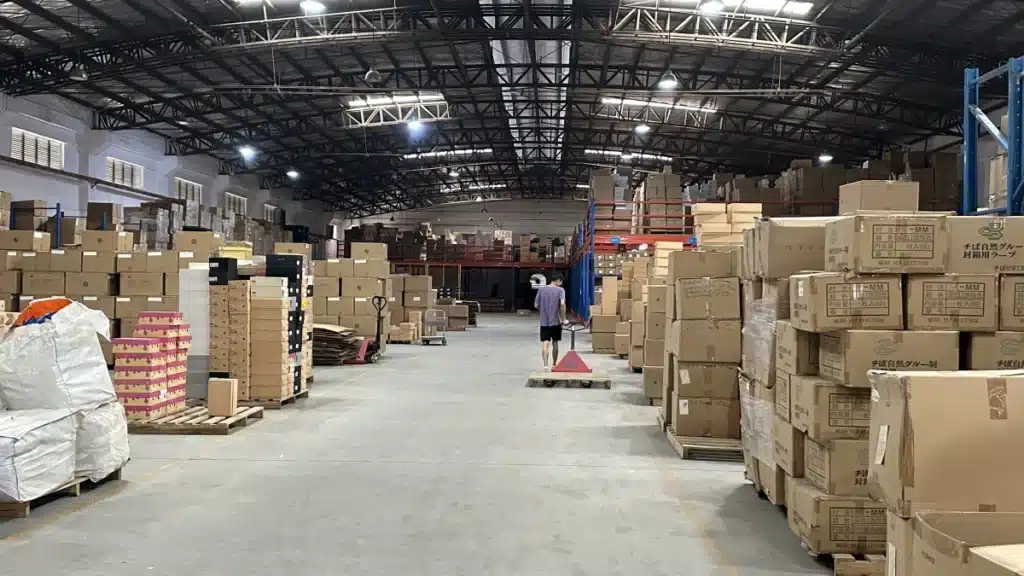
Common Mistakes Brands Make When Handling Complaints
Even the most practice teams fall into such traps:
- Trying to put the blame on the carrier, customs, or China, this puts the blame elsewhere and ruins brand image.
- Excessively promising (It will be there tomorrow) – provides larger disappointment.
- Delay of 24+ hours to act- allows frustration to accrue in public view.
- Refunding all complaints automatically – this is training customers to get free money, which is damage to margins.
- Generic, copy-paste responses — are cold and unfriendly.
These should be avoided by remaining calm, specific and brand-protective.
Turning Complaints into Retention Opportunities
When managed effectively, a shipping delay complaint is an act of trust.
Statistics indicate clear resolution is able to restore loyalty – even improve it. Customers rate experience better when they experience consistent and honest communication than when all things would come exactly as they would, but in a cold and impersonal ways.
| Handling Quality | Long-Term Impact |
| Defensive or blaming | Negative review, churn |
| Delayed or ignored | Lost customer |
| Transparent and structured | Trust recovery, repeat purchase |
| Overcompensation | Margin loss without loyalty gain |
| Balanced resolution | LTV preserved or increased |
Professional recovery is reliable – an effective dissimilarity in competitive ecommerce.
Conclusion — Expectation Management Is More Powerful Than Speed Alone
Finally, the process of dealing with customer complaints of slow Chinese shipping is an organized process which is based on realistic delivery schedules, good communication and proactive fulfillment decisions.
Brands that set the expectations at checkout, react to delays with calm and transparent response, and invest in a smarter cross-border fulfillment strategy receive less complaints in general, and experience better retention when they do.
Speed is also important, but expectation management can be far more effective at guarding customer trust and long-term value.