Pick and pack fulfillment operates under an organized chain of activities in the warehouse with the reception of products in the warehouse followed by their storage, selection, packing, and finally shipping in accordance with client orders.
This process in practice determines the efficiency of an eCommerce business in terms of being able to manage the amount of orders and do it with accuracy and delivery speed.
Numerous enterprises believe that fulfillment does not require much more than packing and shipping. Factually, every step as far as the inventory arrangement to the accuracy of picking have a direct influence on operational performance and customer satisfaction.
Pick and pack fulfillment is a formalized, step-by-step operational process that guarantees the correct, efficient and consistent manner in which orders are handled at scale.
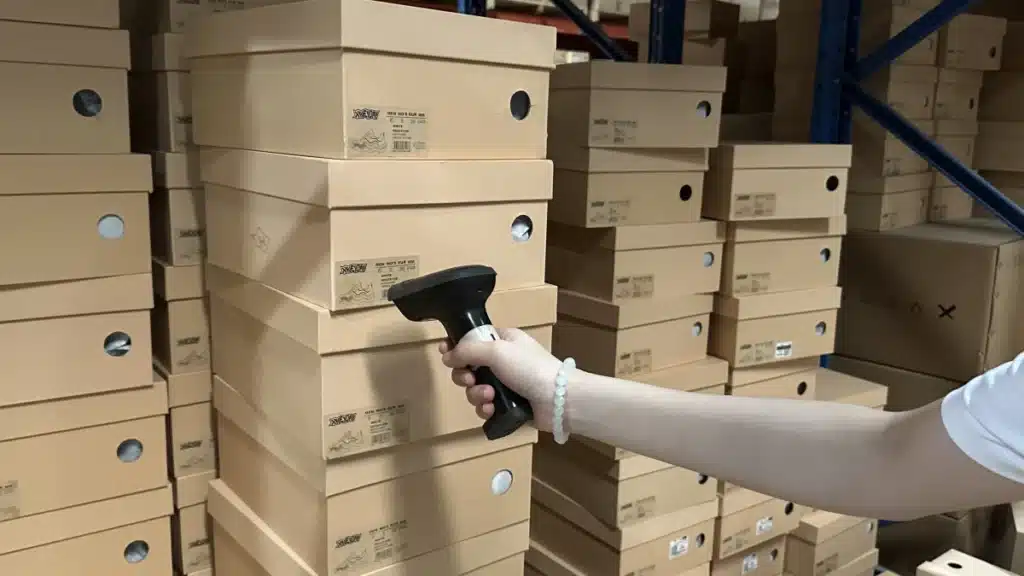
Overview of the Pick and Pack Workflow
An appropriate pick and pack workflow would help in maintaining consistency, decrease the error rate, and scale operations. With all the stages interlinking well, the whole system functions as a well oiled machine. This is particularly important to businesses that are developing eCommerce sellers who must process hundreds or thousands of orders each day without compromising on the quality or speed.
Core Workflow Stages
It has six distinct steps. Each of them is based on the one before it in order to get trustworthy output.
| Stage | Function | Key Outcome |
| Receiving | Accept incoming inventory | Accurate stock levels |
| Storage | Organize inventory | Faster picking |
| Order Processing | Sync orders | Reduced manual input |
| Picking | Retrieve products | Order accuracy |
| Packing | Prepare shipment | Product protection |
| Shipping | Dispatch orders | Timely delivery |
All the stages required have to be effective to enable the whole system to work effectively. Disconnections and failures of any connection lead to delays, mistakes and additional expenses.
Step 1: Inventory Receiving
This starts when goods reach the warehouse through the suppliers or manufacturers. All of that is established by this initial checkpoint.
Key Activities in Inventory Receiving
- Checking on received goods as being worn out or loose.
- Checking quantities and SKUs with purchase orders.
- Recording inventory into the warehouse management system (WMS)
Efficient operations departments have checks that are conducted as soon as the product arrives. They incorporate barcode readers and electronic lists to recognize discrepancy prior to the stock reaching the main warehouse floor.
Why Accurate Receiving Matters
Proper receiving eliminates receiving problems downstream like receipt error or deadlines. Any miscount here might be seen to result in overselling, backorders or exasperated customers a few weeks down the road. The returns to business ventures that take time during this period are less and the day to day running of the business are less cumbersome.
Step 2: Storage and Inventory Organization
Products are received and stored in special warehouse locations. The right positioning makes a haphazard storage unit a good picking space.
Key Activities in Storage and Organization
- Sorting products by SKU and category.
- Designating the best places to store depending on velocity.
- Labeling the shelves, bins and pallets.
Storage Strategy Comparison
| Storage Strategy | Benefit |
| SKU-based organization | Faster retrieval |
| Barcode labeling | Error reduction |
| Zoning system | Improved workflow |
Picking speed is greatly improved and mistakes are minimized by well-organized inventory. The items that move fast remain in the close proximity of packing tanks, and slow items are in higher or deeper shelves. This rational arrangement conserves time which is saved in a daily basis, and reduces fatigue of pickers.
Step 3: Order Sync and Processing
Orders are automatically received from eCommerce platforms or marketplaces. Scaling business businesses will normally use pick and pack fulfillment services offered in China to automate the order synchronization process and minimize the number of hands on the ground.
Key Activities in Order Processing
- Shopifying or Amazon-importing orders.
- Authenticate order details and marking up problems.
- Producing correct picking lists or computer routes.
Why Automation at This Stage Is Critical
Robotization minimizes human error and increases the speed of processing. In its absence, teams lose time in data copying among systems, in most cases, leading to the generation of errors. Real-time sync This makes orders proceed immediately when a customer clicks the place order button, keeping orders fulfillment times short even during high season.
Step 4: Picking the Products
The retrieval of items in a record that are ordered is referred to as picking. It is commonly the most tedious and susceptible step of the whole workflow.
Common Picking Methods
| Method | Description | Best For |
| Single Order Picking | One order at a time | Low volume |
| Batch Picking | Multiple orders together | Medium volume |
| Zone Picking | Divided warehouse zones | High volume |
Why Picking Accuracy Is Non-Negotiable
Picking accuracy is important- any little error will result in returns and customer dissatisfaction. The voice directed system or mobile applications that modern warehouses have are systems or apps that direct pickers to take the shortest path. These machines do not only increase speed but also reduce picking inaccuracies to less than 0.1 per cent.
Step 5: Packing the Orders
Upon picking, products are ready to be shipped. This step ensures product protection and a good unboxing experience.
The main involvements in Packing.
Key Activities in Packing
- Choosing the appropriate packaging materials of every product.
- Safekeeping or making sure that products are not ruined during transportation.
- The inclusion of shipping labels, invoices and documentation, as needed.
Packing Considerations That Matter
| Factor | Impact |
| Packaging quality | Product protection |
| Branding | Customer experience |
| Weight optimization | Shipping cost |
Careful packing will do more than save damage. It is also useful in managing shipping cost and brand loyalty whereby the box will be received in good shape.
Step 6: Shipping and Delivery
The last stage is to send orders to consumers. The emphasis at this stage is brought to speed and visibility.
Key Activities in Shipping
- Choosing the most adept shipping approach and carrier.
- Creation of tracking numbers and labels.
- Synchronization of order position of all the sales channels.
Why Shipping Efficiency Affects Everything
The efficiency of shipping influences the speed of delivery and customer satisfaction. Buyers are assured of quality carriers and real time tracking. When the pick and pack processes go without issues up to this point, delivery rates remain on-time and review scores increase.
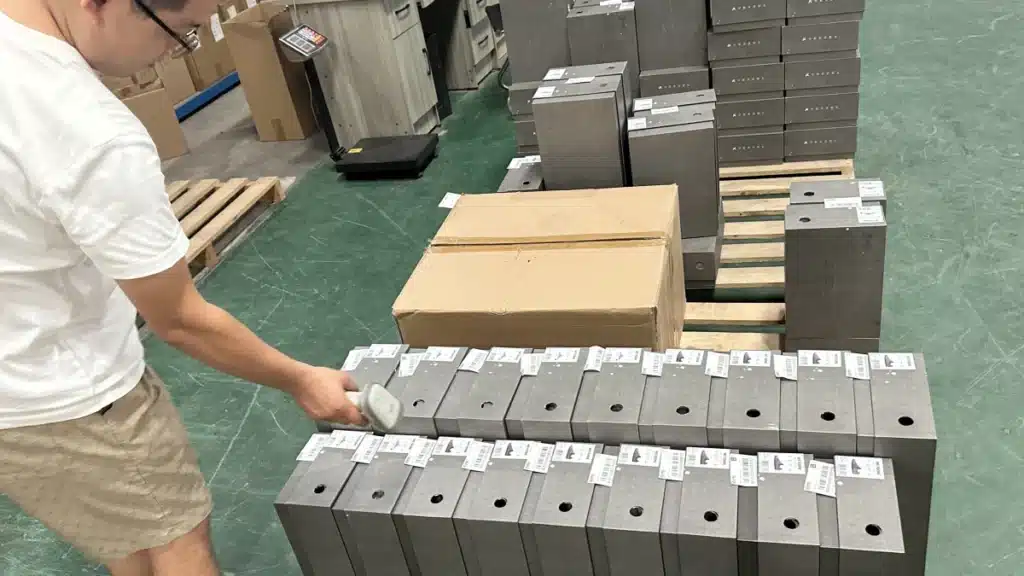
How Workflow Efficiency Impacts Business Performance
Organized pick and pack operational flow has direct impacts on operational success. How well the above steps fit tends to be the distinction between good and great realization.
Key Impacts on Business Results
| Factor | Business Impact |
| Accuracy | Fewer returns |
| Speed | Faster fulfillment |
| Scalability | Supports growth |
| Cost | Lower operational expenses |
With a streamlined workflow, the company can manage seasonal demand without recruiting seasonal employees or haste orders. This stability provides competitive advantage in the current dynamic eCommerce world.
Common Bottlenecks in Pick and Pack Operations
Most of the businesses have common operating problems and most of these problems have been experienced when the volume of orders increases.
Typical Issues That Slow Teams Down
- Ineffective inventory management with time consuming search time.
- Hand-processing of orders with the introduction of errors in the data-entry.
- Ineffective picking hours that are time consuming.
- Poor packing criteria that results to claims of damages.
These bottlenecks tend to add cost and customer dissatisfaction. The silver lining lies in the fact that they are remediable by making the processes more transparent, some with more advanced technology and workflow inspections.
Conclusion — A Structured Workflow Is Essential for Scaling
Pick and pack fulfillment is a coordinated system; all steps play a role towards the big picture. As all steps, including receiving and shipping proceed with accuracy, the outcome speaks volumes: more accurate outcomes, reduced turnaround, and satisfied customers.
Organized workflow guarantees precision, high performance, and scalability whereas ill-planned processes may cause wastage and workflow difficulties.
The value of pick and pack fulfillment is especially crucial to every company hoping to establish a strong and efficient logistics service. Whether you operate a small Shopify business or an expanding Amazon brand, investing in a repeatable process that can be clearly perceived is a multiplier with the amount of orders you receive. The businesses that prosper are the ones that consider fulfillment to be a strategic advantage, as opposed to a critical cost requirement. Adhering to the measures, described within this post and further perfecting each of them, you set your operation into a path to a long-term victory on competitive markets of eCommerce.