
Introduction
Switzerland is a good place for Chinese exports because it is a major business center and has a strong economy. The Chinese often look for the cheapest way to ship goods. Switzerland does business with China worth billions of dollars every year. It’s important for both businesses and people to know how shipping works in both countries. You need to plan ahead and know how to deal with the problems that come up when shipping things like electronics, textiles, machinery, and consumer goods across borders.

When you travel between China and Switzerland, you need to think about a few things, like the shipping method and option you choose, the cost, following the customs rules, making sure your goods are safe and arrive on time. This detailed guide will teach you everything you need to know about the different ways to ship between China and Switzerland, including how much they will cost, so you can make smart choices that will save you money and time.
Shipping Mode and Cost Overview

The shift modes that include shipment modes should be understood to make cost effective and cost efficiency decision. The methods have varying benefits regarding speed, cost, and cargo carrying.
1. Less than Container Load (LCL)
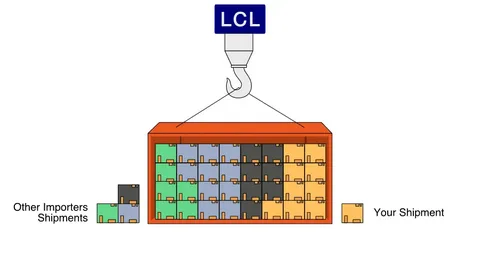
LCL shipping works great for small package shipments that don’t require a whole container. This method of shipping allows your items to share space with other shipments and is cost-effective for small quantities. The average size of an LCL cargo is 1-15 cubic meters.
The typical LCL transit time between China and Switzerland is 25-35 days, with an average shipping price ranging from $50 to $150 per cubic meter, depending on the port of origin and destination. The technique is suitable for businesses who are experimenting with new items or have erratic shipping needs. LCL cargo, on the other hand, must be handled further in the consolidation points, exposing them to further risk of damage and increasing transit time, while also taking into account customs procedures.
2. Full Container Load (FCL) – 20-foot Container
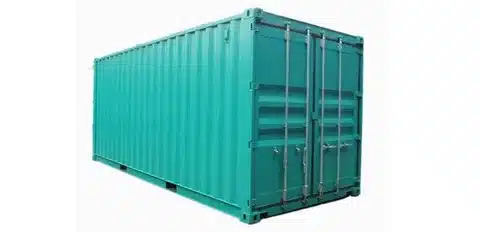
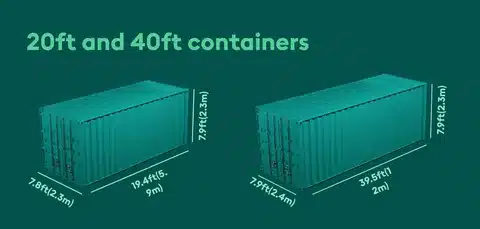
Depending on how dense the contents are, a 20-foot container may hold around 33 cubic meters of freight and carry up to 28 tons. This is safer and faster since your things aren’t jumbled with other people’s.
Shipping containers between China and Switzerland The cost for a 20-foot container is between $2,500 and $4,500, and it takes 20 to 30 days for it to get there. The method is safer for your things and more reliable. When you need at least 70% of the container area filled, this is the cheapest option.
3. Full Container Load (FCL) – 40-foot Container
The 40-foot container can hold about 67 cubic meters and carry 26 tons of weight. This is the cheapest and safest way to ship a lot of things at once.
It will cost between $3,500 and $6,500 to ship a 40-foot container from China to Switzerland, depending on the route. The time it takes to get there will be about the same as for a 20-foot shipment. The 40-foot container is a good choice for businesses that are already doing well and need to move a lot of goods on a regular basis. Since the cost per cubic meter is lower than that of other smaller containers, this is the best choice for shipping a lot of stuff, especially when you think about how big the shipment is..
4. Express Shipping

There are expedited shipping choices like DHL, FedEx, or UPS that deliver the fastest, taking 3 to 7 days to go from China to Switzerland. This is great for urgent deliveries, when you’re hauling something of significant value, or when your business needs it.
The cost of express shipping varies a lot based on the weight, size, and urgency of the package. On average, it costs $20 to $50 per kilogram. Services of a higher quality may cost more, but they may also offer next-day or 48-hour delivery. Express shipping is easy since it includes door-to-door delivery, complete tracking, and quick delivery periods. It costs extra, but it’s worth it.
5. Air Freight

Air freight is a balance between speed and cost. It will take 5 to 12 days to go from China to Switzerland. This method works well for medium-priority goods that is too big or too many to send by express delivery but has to get there faster than by sea freight.
The cost of air freight is generally between $4 and $12 per kilogram, depending on the route, weight, and volume. Airlines normally provide better pricing for larger cargo, while smaller shippers can employ consolidation services to get lower costs. Air freight also requires extra ground transportation on both ends. The customs declaration form should be included in the total delivery time and cost.
Estimating Shipping Costs and Budgeting Effectively
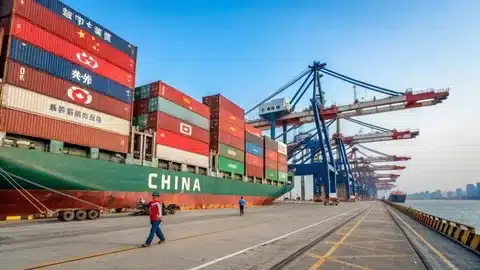
Cost estimation is essential in keeping the profit margins and competition prices healthy, particularly when you need to pay duties . A number of tools and strategies will assist you in budgeting to ship China to Switzerland.
Online Cost Calculators:
Many freight forwarders and shipping businesses provide online calculators that may give you an instant estimate of how much your cargo will cost based on the parameters you give them. These tools can help you get a general idea of how much your shipping will cost, but they may not include all the fees and other costs that may apply.
Large logistics companies and freight comparison websites provide you examples of these kinds of popular online calculators. When you use these tools, make sure you enter the right size, weight, and destination. Keep in mind that internet quotations are typically just beginning pricing. The final prices may be different based on addons, seasonal rates, and the route.

Freight Forwarder Quotes:
Working with competent freight forwarders gives you a better pricing and experience. Professional forwarders can see ways to save money, suggest the best route, and find their way through the confusing customs restrictions.
When you make a bid, include as much information as you can about your cargo, such as its exact size, weight, a description of the goods, and any special handling needs it may have. Get quotations from several forwarders for the same service so you can compare pricing and other services they provide. Think about things like the forwarder’s reputation, insurance benefits, and tracking.
Key Budget Considerations:
You should also think about customs fees, VAT, insurance, storage fees, and demurrage fees in addition to the basic shipping costs. You need to figure out these extra costs ahead of time so that they don’t add up to a lot when you ship something and so that customers are happy.
When you plan your shipment, keep in mind that prices change with the seasons, especially during busy times like Christmas or Chinese New Year. The exchange rate between your currency and the Chinese Yuan, Swiss Francs, or US Dollars may also change the total amount you have to pay. Add some extra money to your budget to cover any extra costs or delays that might happen during delivery.

Customs Duties and VAT Considerations
Even though Switzerland is not a member of the EU, importers nonetheless need to know about the country’s own norms and customs legislation. Compared to most other nations, the customs duty rate in this country is rather low. It is very essential to know how customs works, but you must follow the rules exactly.
The kind of product you buy will determine how much Swiss customs duty you have to pay. Most things that are made cost between 2 and 7. Some items can obtain better treatment because of trade agreements. Switzerland also imposes an 8.1% VAT (Mehrwertsteuer/Taxe sur la valeur ajoutee) on most items that come into the country. The whole amount of the products, including shipping and customs, is what this tax is predicated on.
Some items need extra regulations or special licenses to be submitted. For example, some devices would have to fulfill particular safety and labeling regulations. Food, cosmetics, and medical equipment are the most delicate categories that necessitate tight guidelines that must be followed to the letter to prevent humiliating delays or even being turned away at the port.
The Growing Trade Between China and Switzerland
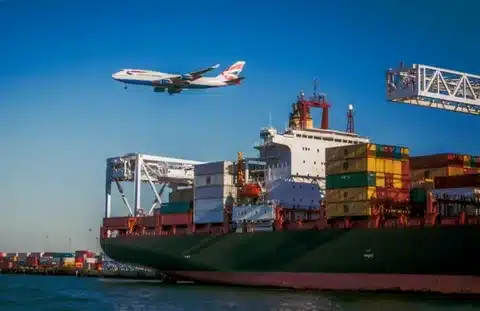
Over the past 10 years, trade between China and Switzerland has grown a lot. Switzerland was one of the first European countries to negotiate a free trade deal with China in 2014. This agreement has been very important for increasing commerce between the two countries.
As a result of this growing commercial cooperation, the two countries have improved shipping infrastructure and lower prices. The Rhine River has made big ports like Basel in Switzerland, which is a highly significant inland port, bigger so that they can handle the lowest shipping alternatives for more goods going to and coming from Asia. The Belt and Road Initiative has also led to the opening of new transportation channels and ways to move products more quickly.
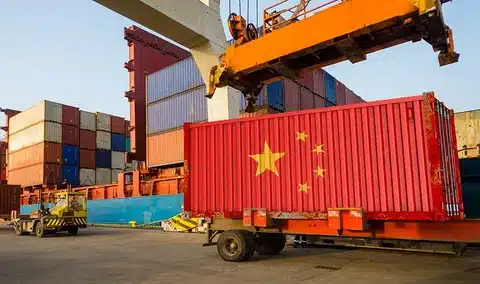
Swiss companies are becoming more and more reliant on Chinese manufacturers for things like electronics, cloth, and consumer goods. China also imports Swiss equipment, medicines, and luxury items. This is a one-to-one trading partnership that gives firms who ship both directions reliable shipping services and good costs.
Shipping Methods from China to Switzerland
1. Air Freight
When it comes to exporting high-value or time-sensitive products, air freight is still the best way to go. You can connect big international airports like Zurich and Geneva to Chinese airports like Shanghai Pudong, Beijing Capital, and Guangzhou Baiyuan.
Air freight offers several benefits, such as being fast, safe, and having a low chance of damage because it is handled for a short period. Still, there are limits on size and weight, and it costs a lot to move huge or heavy things, like a radar detector shipping calculator. Another restriction that airlines impose is on the kinds of commodities that may be shipped, such dangerous materials and large objects that need to be delivered quickly.
2. Sea Freight
For large cargo, moving by sea is the cheapest option. Switzerland is landlocked, so commodities are normally carried to big European ports like Hamburg and Rotterdam. From there, they are sent by train or truck to their final destination in Switzerland.
The main advantage of sea freight is that it is cheap for huge amounts. But you should still think about the lengthier travel time, the weight of the box, and any delays that could happen because of the weather. Shipping via sea is also more versatile when you need to move a large or heavy load that can’t be flown to Switzerland.
3. Express Shipping (Courier Services)
Express services make it easy to get your package from one door to the next, and they also handle all the customs paperwork. This is the best way to send papers, samples, small packages, and urgent shipments during business hours when time is more important than money.
Express shipping is the fastest and most reliable way to get your package. It has also handled customs clearance as a service in most cases. Costs can be very high compared to other options, and weight limits may mean that it can only be used for big loads.
Shipping Costs from China to Switzerland
1. Air Freight Costs
There are a number of things that affect the cost of air freight between China and Switzerland, including the price of fuel, the time of year, and the type of cargo. The prices are usually between $4 and $12 per kilogram, and customs clearance for light and heavy items uses volumetric weight to figure out how much they weigh.
During the busy season (October to January), prices can be 30–50% higher than during the slow season because of the high demand for Christmas gifts and the need to ship things by Chinese New Year. Airlines also charge extra fees for fuel, security, and peak season demand, which can greatly affect the total cost without affecting the customs value.
2. Sea Freight Costs
When sending large amounts of goods, sea freight offers the best prices. LCL rates are usually between $50 and $150 per cubic meter, while FCL rates are usually between $2,500 and $6,500, depending on the size of the container and the route.
There may be extra costs like fees for handling at the terminal, fees for paperwork, and fees for moving goods within the country. These fees can add 20% to 40% to the base shipping and freight prices, so you should always ask for an all-inclusive quote when comparing prices.
3. Express Shipping Costs
The cost of express shipping is high, and it depends on the level of service and the carrier. Standard express services cost between 20 and 50 kg/kg, while premium services can cost 50 to 100 kg/kg or more, depending on whether they deliver the same day or the next day.
Volume breaks are common with regular shippers, and some carriers offer specialized services for certain industries at rates that can be negotiated. The break points of 10 kg, 21 kg, 45 kg, and 100 kg could help you save money on properly packaged shipments.
Customs and Import Regulations
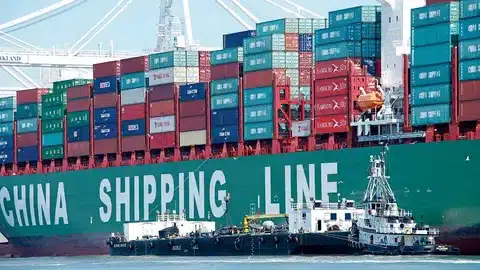
1. Customs Declaration
To make sure that things go smoothly and that you don’t have to pay any fines, it’s important to fill out the right customs forms. When sending packages, every shipment must include detailed commercial invoices that list the items, their quantities, their values, and their countries of origin.
Commercial invoices, packing lists, bills of lading, air waybills, and any other necessary certificates or permits must be included in the documentation. Electronic declaration systems are quick and accurate, but accuracy is the most important thing to avoid delays or extra checks.
2. Customs Duties and VAT
Compared to most other countries, Switzerland’s customs duties are very low, usually between 0 and 7 percent depending on the type of product. Most goods have an 8.1% VAT, which is charged on the total value of the goods plus shipping and duties.
Some trade agreements or meeting a certain set of requirements can make it possible for some goods to be treated as duty-free. Under certain conditions, temporary imports for exhibitions or demonstrations can also be duty-free.
3. Prohibited and Restricted Items
Switzerland does not let a lot of things into the country, including drugs, guns, and animal products, to name a few. Some items, like electronics (CE marking), food (health certificates), and drugs (import licenses), may need special permits or certifications.
Before you ship, make sure that your goods follow all of Switzerland’s rules and get any permits or certificates you might need. If you don’t do this, you could face delays in shipping, fines, or having your goods taken.
Packaging and Labeling Requirements
Good packaging not only protects your goods while they are being shipped, but it also makes sure that the rules for carriers and customs are followed. Ship based on the type of shipping method used, taking into account things like humidity, temperature changes, and how the package is handled during transport.
Destination addresses, handling instructions, and any required markings on certain products are all things that must be on labels. You need to label and document dangerous items correctly, and you need to put delicate items in packaging that is safe and has the right warnings on it.
When traveling from China to Switzerland, think about the weather conditions along the way, like how the temperature and humidity might change. Packaging should also make it easy for customs to check things if they need to, and it should be easy to get to documents and samples of products.
Best Practices for Shipping from China to Switzerland
A lot of planning and care must go into shipping for it to work. Start by making sure that you and your Chinese suppliers are on the same page about shipping terms, packaging needs, and delivery times.
Work with experienced logistics partners who are familiar with the Swiss import and Chinese export processes. You can use this information to avoid costly mistakes and make the process of clearing customs go more smoothly.
Send out shipments early, especially when the season is at its busiest or when the items are complicated and may need more paperwork or inspection. Add some extra time to your delivery schedules in case there are delays.
To save money, use consolidation services to ship smaller lots when it’s possible. Also, look into other routing options that might be cheaper or have shorter transit times. People who ship a lot can get volume discounts or special service.
Conclusion
There are many options for shipping from China to Switzerland that can meet different business needs and budgets. It depends on knowing the cheapest ways to ship things, accurately estimating the cost, following customs rules, and working with trusted logistics partners.
No matter what kind of transportation you choose—sea freight, which is cheap; air freight, which is fast; or express shipping, which is easy—you should plan and get ready well in advance. When choosing how to ship something, think about things like the cost, the time it will take to get there, the type of cargo, and the rules set by the government.