Introduction: Why International Shipping Terms Matter
International shipping is the backbone of business in today’s interconnected global marketplace. It makes it possible for trillions of dollars in trade to happen every year across six continents. Cross-border logistics, on the other hand, are very complicated and can be very hard for businesses of all sizes. This is especially true when they have to deal with shipping terms that are new to them and that set out the responsibilities, costs, and risks between buyers and sellers in international trade agreements. A freight forwarding expert can help make these terms clearer.
It’s not enough to just memorize the definitions of international shipping terms; you need to understand them. This is a basic business skill that can have a big effect on your company’s profits, operational efficiency, and competitive position in global markets. Companies that know these terms well say they have lower shipping costs, fewer problems with suppliers, better cash flow management, and more power to negotiate with logistics partners.

On the other hand, businesses that don’t have all the information they need often have to deal with unexpected costs, late shipments, problems with customs officials and authorities, and strained relationships with international trading partners.
If you don’t understand shipping terms, it can cost you a lot of money. For instance, if you don’t understand the difference between CIF and FOB terms, you could end up paying thousands of dollars in extra freight charges, insurance gaps, or demurrage fees. When added up over many shipments in a fiscal year, these costs that the buyer has to pay can really cut into profit margins and make it hard to meet working capital needs.

This all-encompassing guide meets the needs of a wide range of people who are involved in international trade. When e-commerce companies want to sell their products in other countries, they need to know how to negotiate with suppliers and keep logistics costs down. Freight brokers often help traditional importers and exporters get a better understanding of their supply chain operations so they can reduce their risk exposure. Logistics professionals need to be able to talk to clients and carriers clearly and use the same words. Students who want to work in international business need to learn the basics that will help them grow as professionals.
What Are International Shipping Terms?
International shipping terms are a sophisticated set of standardized expressions that accurately specify the division of obligations, expenses, and hazards connected with delivering products across international boundaries under various free trade agreements between buyers and sellers. These phrases serve as a universal business language, removing ambiguity, lowering transaction costs, and ensuring that all parties understand their unique responsibilities across complicated multimodal transportation systems.

The International Chamber of Commerce (ICC) publishes and maintains Incoterms (International business Terms), a rigorously developed collection of predefined business norms that serve as the foundation of current international shipping terminology. These standardized phrases serve several key tasks in international trade, including clarifying transportation responsibilities, allocating shipping expenses between parties, defining risk transfer points, specifying maritime insurance duties, and establishing customs clearance procedures.
The Evolution of Incoterms
The evolution of Incoterms reflects the increasing sophistication of international trading procedures. The notion began in 1936, when the International Chamber of Commerce developed these phrases to address growing misunderstanding and costly conflicts caused by differing national interpretations of basic economic terminology. Early international traders learned that phrases like “free delivery” or “delivered” meant quite different things in many nations, including the foreign one, resulting in costly misunderstandings and legal disputes.
The original 1936 Incoterms featured six core phrases intended for maritime transport, which dominated international trade at the time. Following changes in 1953, 1967, 1976, 1980, 1990, 2000, 2010, and most recently 2020, these terminology have been regularly updated to reflect growing transportation technology, changing trade patterns, increased security concerns, and new regulatory regimes.
Incoterms 2020
Which went into force on January 1, 2020, is the most recent version. It has a number of important changes that are meant to reflect how trading works today. Some of the most important changes are clearer instructions on what a bill of lading needs to include, more information on how much insurance to get, up-to-date information on how to split up security costs, and better agreement with modern shipping practices like shipping line containerization and intermodal transportation.
The Structure and Purpose of Modern Incoterms

Incoterms have several functions that go beyond just dividing up costs. They decide who is responsible for export licenses and customs procedures, who pays for and arranges different parts of the transportation, who buys cargo insurance and at what levels of coverage, when and where the risk of loss or damage passes between parties, and who handles customs clearance and customs duty payments for imports.
This standardization is very important for making international commerce work better since it makes the law clear, cuts down on negotiating time, cuts down on misconceptions, lets companies figure out costs correctly, and makes it easier to settle disputes. Without these standardized terminology, every foreign transaction would need a lot of back-and-forth and paperwork to make sure everyone knew what their fundamental obligations were, which would make the process more expensive and complicated.
The 11 Official Incoterms 2020 Explained in Detail
E Terms: Ex Works Category
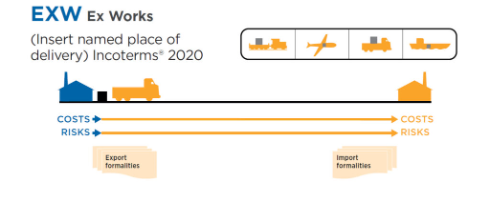
EXW (Ex Works) – Minimum Seller Responsibility
Comprehensive Definition:
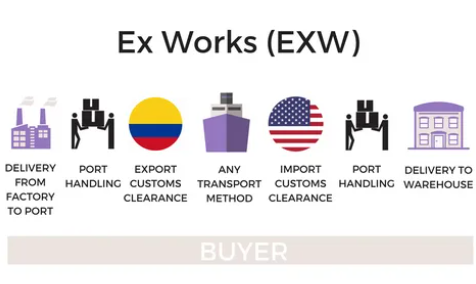
Under Incoterms 2020, vendors’ most basic duty is to provide goods “Ex Works.” The seller’s job is done when the items are ready for pickup at their store, factory, warehouse, or any other place they have indicated. The buyer is responsible for all fees and duties related to shipping, insurance, customs clearing for exports, customs clearance for imports, and delivery to the ultimate destination.
Detailed Practical Applications:
EXW is a good choice for domestic suppliers that are new to international trading and want to reduce their exposure to export procedures and problems with international logistics. This phrase is useful when buyers have good relationships with competent freight forwarders and want to be in charge of the whole logistical chain, from the point of origin to the point of destination, including managing the export cargo.
Real-World Example:
On EXW terms, an electronics company in Shenzhen, China offers smartphone accessories straight from their manufacturing. The buyer, a distributor in Germany, has to pick up the goods from the factory, deal with Chinese export customs, book international freight, buy insurance, take care of import customs clearance in Germany, pay all duties and taxes, and arrange for the goods to be delivered to their distribution center. The seller’s job is done once they make the items available and give the buyer the relevant business papers.

Cost Implications:
EXW usually leads to lower quoted product prices because sellers don’t include any shipping costs. However, buyers need to carefully consider all of the costs that come with getting the product to them, such as delivery duty paid and other fees like freight, insurance, customs brokerage, duties, and possible demurrage charges for shipments that are less than a full container load. Export documentation fees, local trucking from the seller’s location to the port, and possible delays if the buyer’s logistics providers don’t know where the goods are coming from are all examples of hidden costs.
Risk Considerations:
Under EXW terms, the buyer takes on the most risk, which could include problems with getting an export license, delays in transportation, damage or loss of cargo, changes in currency that affect shipping costs, and having to follow rules. Buyers should make sure that their freight forwarders have a strong local presence at the origin to handle these issues well.
F Terms: Free Alongside Ship, Free on Board, and Free Carrier
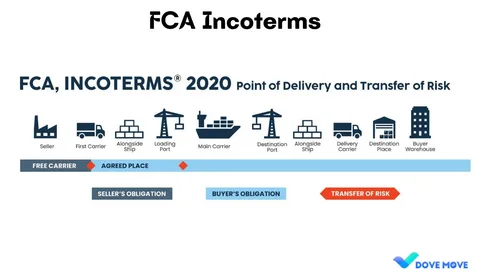
FCA (Free Carrier) – Versatile Modern Term
Comprehensive Definition:
Free Carrier says that the seller must deliver goods that are ready for export to a carrier chosen by the buyer at a certain place. The seller’s place of business, a terminal, or another agreed-upon location can be this one. When goods are delivered to the first carrier, the buyer takes on the risk. This makes FCA very flexible for different types of transportation.
Detailed Applications:
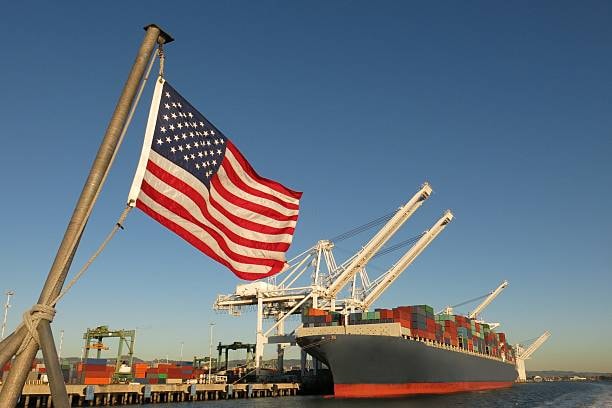
FCA is becoming more popular as the most flexible Incoterm for modern multimodal shipping. It can handle air freight, ocean freight, rail transport, trucking, and combinations of these. The term works best for container shipments, which are when goods are sent to container freight stations or container yards instead of directly to ships.
Practical Implementation:
According to FCA rules, sellers must get export licenses, go through all the necessary customs procedures, deliver goods to the right carrier at the right place, give commercial invoices and any other documents needed for export clearance, and make sure that goods are properly packaged for shipping abroad. Buyers make arrangements and pay for shipping, main carriage, insurance, customs clearance at the border, and final delivery.
Strategic Considerations:
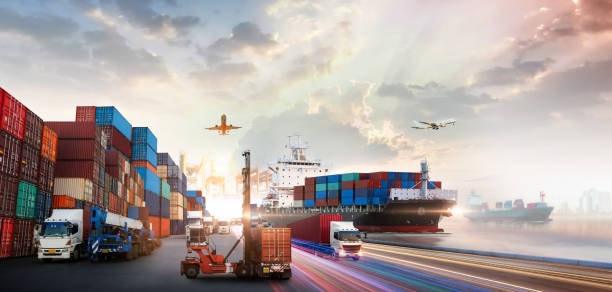
FCA offers an excellent balance of responsibilities for both parties. Sellers maintain control over export procedures where they have local expertise, while buyers control main transportation arrangements where they may have better rates or preferred carriers. This division often results in optimal cost allocation and risk management.
FAS (Free Alongside Ship) – Traditional Maritime Term

Comprehensive Definition:
With Free Alongside Ship, sellers must bring goods to the named port of shipment and put them next to the ship. The seller is responsible for clearing customs for export and getting the goods to the port, but not for loading costs or any other responsibilities that come up after that. When goods are put next to the ship, the risk moves.
Specific Maritime Applications:
FAS is still useful for break-bulk cargo, heavy machinery, and goods that need special loading equipment. The term works for transactions where buyers want to be in charge of loading the ship, maybe because they have special needs for handling cargo or because they like a certain stevedoring company.

Operational Details:
Sellers must arrange for inland transportation to the discharge port, go through all the steps for exporting goods, get the right export documents, and put the goods next to the right ship. Buyers pay for loading, ocean freight, insurance, discharge operations, import procedures, and making sure the goods get to their final destination.
Modern Relevance:
FAS is still used in specialized industries like project cargo, bulk commodities, and oversized equipment, even though it is less common in containerized trade. The term makes it clear who is responsible for loading and what the costs will be.
FOB (Free on Board) – Popular Traditional Term

Comprehensive Definition:
Free on Board requires sellers to deliver goods on board the vessel at the named port of shipment. The seller bears all costs and risks until goods cross the ship’s rail, including loading expenses. This traditional term remains popular despite its limitations with containerized cargo.
Container Trade Considerations:
FOB’s use of the phrase “ship’s rail” to talk about goods crossing it is unclear in container shipping, where goods are usually delivered to container terminals instead of directly to vessels. In modern practice, delivery is when the shipping line accepts containers at the container yard.

Comprehensive Responsibilities:
Under FOB terms, sellers are responsible for getting the goods to the port, completing export customs procedures, paying for loading costs like stevedoring and terminal handling, and making sure the goods are properly stored and secured. Buyers are responsible for paying for ocean freight, insurance, unloading costs, import procedures, and the cost of getting the goods to their final destination.
Industry Applications:
FOB is still common in many fields, especially in traditional manufacturing, bulk goods, break-bulk cargo, and other areas. Many international traders who deal with dangerous goods are comfortable with the term because they know it well and there are already legal precedents for it.
C Terms: Cost and Freight, Cost Insurance Freight, Carriage Paid To, Carriage Insurance Paid
CFR (Cost and Freight) – Seller Pays Transportation
Comprehensive Definition:
Cost and Freight makes sellers pay for shipping to the named port of destination, but buyers take on the risk when the goods are loaded at the port of shipment. This makes it necessary to pay close attention to insurance arrangements because it separates cost responsibility from risk assumption.

Risk-Cost Separation:
The main thing that makes CFR different is that sellers pay for shipping and buyers take on the risks of shipping. Because buyers take on risk once the goods are loaded, they must buy insurance for the ocean voyage. However, sellers choose the carrier and route.

Practical Applications:
CFR works well when sellers have good relationships with ocean carriers and can get good freight rates. Buyers, on the other hand, would rather arrange their own insurance. This term works for situations where buyers have certain insurance needs or preferred providers but want sellers to take care of transportation.
Documentation Requirements:
Sellers must give buyers clean bills of lading, commercial invoices, packing lists, and any other paperwork needed to clear the goods for import. The bill of lading is an important piece of evidence that goods are being loaded onto a ship and that the risk is being transferred.
CIF (Cost, Insurance, and Freight) – Comprehensive Seller Service
Comprehensive Definition:
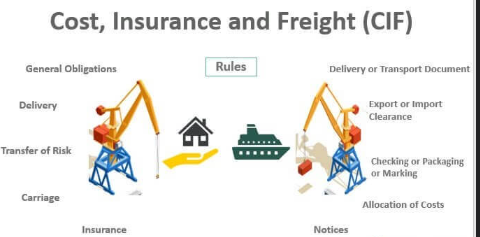
Cost, Insurance, and Freight is one of the most popular Incoterms around the world. Sellers pay for shipping and insurance to the destination port, but buyers take on the risk once the goods are loaded at the origin port. This could make things more complicated when it comes to insurance claims and coverage.
Insurance Obligations:
Under CIF terms, sellers must get marine cargo insurance that covers at least 110% of the invoice value with Institute Cargo Clauses (C) or a similar type of coverage. But this minimum coverage might not be enough for all buyers, which could leave gaps in protection for high-value or sensitive cargo.
Global Popularity:
CIF is popular because it offers a full range of services, including handling most of the logistics for shipping internationally. This makes it a good choice for buyers who need to use a whole container but don’t have much experience with international shipping. But both sides need to know how to separate risk from cost to avoid confusion about insurance claims and responsibilities.
Operational Implementation:
Sellers book ocean freight, handle all the paperwork for exporting, buy the minimum amount of insurance needed, and send all the paperwork, including insurance certificates. Buyers take care of customs clearance for imports, pay duties and taxes, set up transportation from the port of entry, and handle any insurance claims for damage that happens during transit.
CPT (Carriage Paid To) – Multimodal Flexibility
Comprehensive Definition:
Carriage Paid To obligate sellers to pay for shipping to the named destination, and risk transfers when goods are delivered to the first carrier. This term is very flexible for multimodal transportation, which can include trucking, rail, air, and ocean transport all at the same time.
Multimodal Applications:
CPT works best in modern supply chains that use more than one mode of transportation. Sellers can set up door-to-door transportation services, and buyers take on risk early on, which makes it possible to find cost-effective solutions for complicated routing needs.
Geographic Flexibility:
CPT is better for landlocked countries or final destinations that are far from ports than maritime-specific terms. The word is also good for air freight, trucking, rail transport, or a mix of the three.
Risk Transfer Precision:
The risk transfer point at delivery to the first carrier makes things clear for insurance purposes. Buyers know exactly when they are responsible and can get the right coverage for that time.
CIP (Carriage and Insurance Paid To) – Full Service Multimodal

Comprehensive Definition:
Paid for shipping and insurance To combine CPT’s duty to pay for transportation with the need for insurance. Sellers pay for shipping and insurance to the named destination, and the risk passes to the first carrier when the goods are delivered.
Enhanced Insurance Requirements:
Incoterms 2020 upgraded CIP insurance requirements to Institute Cargo Clauses (A) or equivalent all-risks coverage, representing more comprehensive protection than CIF’s basic Institute Cargo Clauses (C) coverage, especially when integrated with an automated export system . This enhancement reflects the term’s use for higher-value shipments.
Premium Service Positioning:
CIP stands for “premium service,” which means that sellers offer full logistics solutions, including better insurance coverage. This position makes it appealing for high-value items, delicate equipment, or situations where buyers want all-in-one logistics services.
Strategic Applications:
CIP works well for relationships where sellers want to offer full-service solutions and buyers want to be protected from all risks and have easy access to them. The higher insurance requirements make it especially good for electronics, machinery, and other high-value manufactured goods.
D Terms: Delivered at Place, Delivered at Place Unloaded, Delivered Duty Paid
DAP (Delivered at Place) – Seller Controls Delivery
Comprehensive Definition:
Sellers must deliver goods to the buyer’s named place of destination and make them available for pickup. Sellers are responsible for all transportation costs and risks, except for customs clearance, duty payments, and unloading the goods from the vehicle that brought them.
Maximum Seller Responsibility:
DAP means that the seller is almost completely responsible for everything, including handling export procedures, international shipping, and delivery to the right place. This setup gives buyers a set price for delivery and very few logistics duties.

Destination Flexibility:
The named place can be anywhere, like the buyer’s home, a terminal, or another specific place. Because of this flexibility, DAP can be used for a wide range of delivery needs and modes of transportation.
Import Responsibilities:
Buyers are still responsible for paying customs duties and taxes, getting import licenses or permits, and clearing customs when the goods arrive. This division knows that buyers usually know more about local import rules and have worked with customs brokers before.
DPU (Delivered at Place Unloaded) – Including Unloading Service
Comprehensive Definition:
Delivered at the Place Unloaded adds unloading duties to DAP requirements, making them more strict. Sellers must bring goods to the named destination and unload them there, covering all costs and risks except for customs procedures and duty payments.
Unloading Considerations:
Because sellers are responsible for having the right equipment and access, the unloading requirement makes choosing a destination very important. The named place should be a place where sellers can safely and quickly unload their goods.
Practical Applications:
DPU is a good option for heavy machinery, bulk goods, or when buyers can’t unload the goods themselves. The term is appropriate for transactions where sellers have special tools or knowledge for safely unloading goods.
Risk Management:
When giving DPU terms, sellers need to think carefully about how to unload and what problems might come up. Some of these are how easy it is to get to the destination, what equipment is needed, how many workers are available, and any possible delays that could affect unloading operations.
DDP (Delivered Duty Paid) – Maximum Seller Responsibility

Comprehensive Definition:
Under Incoterms 2020, Delivered Duty Paid is the most responsibility a seller can have. Sellers bring goods that have been cleared for import to the specified location in the destination country, covering all costs and risks, such as duties, taxes, and other import fees.
Comprehensive Service:
With DDP, buyers don’t have to worry about anything when it comes to international delivery. Sellers take care of everything, from export procedures to international shipping to customs clearance to paying duties and taxes to the final delivery. Buyers get goods that are ready to use with very little involvement in the logistics process.

Regulatory Complexity:
DDP requires sellers to navigate foreign import regulations, tax systems, and customs procedures. This complexity makes the term challenging for sellers unfamiliar with destination country requirements or lacking established local partnerships.
Strategic Considerations:
While DDP maximizes buyer convenience, it may not always optimize total costs or delivery speed. Sellers may add margins to cover regulatory risks and unfamiliar procedures, potentially resulting in higher total costs than alternative arrangements with buyer-managed import procedures, including potential bonded warehouse fe .
Advanced Shipping Terminology and Industry Acronyms

Transportation and Logistics Acronyms
Container and Terminal Operations

CFS (Container Freight Station)
Denotes specialist facilities that are responsible for the consolidation and deconsolidation operations that are performed on less-than-container-load (LCL) cargo. These facilities significantly contribute to the success of worldwide supply chains by consolidating the cargo of numerous shippers into complete container loads. As a result, the costs of transportation for smaller shipments are reduced on a per-unit basis. CFS activities consist of reception of cargo, inspection of cargo, consolidation of freight, documentation of cargo, and coordination of delivery.
CY (Container Yard)
Designated areas inside port terminals that are used for the storage, handling, and transportation of entire container cargoes before they are transferred to various means of transportation. Through the provision of a location where trucks and trains may load, inspect, and temporarily store items, container yards facilitate the rapid movement of goods during transportation. Container yards of the modern era make use of cutting-edge tracking technology and automated gear in order to expedite the process and reduce the amount of time it takes to move goods around.

TEU (Twenty-foot Equivalent Unit)
Used as the conventional way to measure terminal throughput and container capacity. This measure makes it possible to compare the sizes of vessels, the capacity of terminals, and the quantities of cargo in a common way, no matter what the actual dimensions of the containers are. For planning reasons, a 40-foot container holds two TEUs, while a 45-foot container holds 2.25 TEUs.
Dwell Time
It monitors how long containers stay at terminals between arrival and departure. This is an important metric of port efficiency and supply chain speed. Longer stay durations raise storage costs, cause terminal congestion, and may lead to demurrage fees. An automated identification system might help lower these expenses. The speed of customs processing, the availability of trucks, the quality of documentation, and changes in seasonal demand all impact dwell time.
Documentation and Regulatory Terms

BOL (Bill of Lading)
It is the most significant paper in international shipping. It has three vital purposes: it is a receipt for goods provided to the carrier, a contract of carriage that sets the terms and conditions, and a document of title that allows ownership to change hands. There are three main types of bills of lading: straight (non-negotiable), order (negotiable), and bearer. Each has its own legal effects on cargo management and finance arrangements.
AWB (Air Waybill)
This document functions similarly to ocean bills of lading for air freight, however it is only used as a receipt and a contract of carriage; it is not used as title papers that may be negotiated. Each and every piece of information that is required for international air travel is included on air waybills. This includes detailed instructions for the route, special requirements for handling, declarations of hazardous materials, and information on customs.
Sea Waybill
This provides non-negotiable alternatives to standard bills of lading, which speeds up the process of releasing goods by removing the necessity that physical documents be shown. Sea waybills are effective when the ownership of the cargo does not change while it is in route and when buyers have established credit relationships with sellers. This prevents delays in the documentation process and the expenses that are connected with it.

Commercial Invoice
It is important paperwork for figuring out customs value, duty, and trade data. Accurate commercial invoices must have full descriptions of the products, harmonized tariff classification numbers, information about where the products came from, unit values, and total transaction values. Mistakes can cause delays at customs, fines, and holds on shipments.
Customs and Regulatory Compliance
HTS (Harmonized Tariff Schedule)
This gives traded commodities a standard way to be classified, which makes it possible for all nations to use the same method for calculating duties and compiling trade data. To properly classify HTS, you need to know a lot about the goods and the regulations for classification. If you don’t, you might end up with duty changes, fines, and breaches of compliance.
AES (Automated Export System)
This is how the US keeps track of export transactions and makes sure that companies follow export control rules. Before cargo leaves, AES forms must be filled out. These filings must include specific information about the goods, the destination, the export licensing requirements, and the shipper’s identifying information.

C-TPAT (Customs-Trade Partnership Against Terrorism)
This offers voluntary security certification programs that help importers, exporters, brokers, and logistics providers that meet certain requirements. In exchange for putting in place strict security measures throughout their supply chains, C-TPAT members get fewer customs checks, faster processing, and other perks.

ISF (Importer Security Filing)
This requires importers to give US Customs precise information about the cargo and ship at least 24 hours before the ship leaves a foreign port. If you break the ISF rules, you might face fines and cargo holds. This is why it is important to file your paperwork correctly and on time.
Specialized Shipping Services and Methods

Container Shipping Variations
LCL (Less than Container Load)
Services help shippers who don’t have enough cargo to fill a whole container. LCL shipments are consolidated at the ports of origin and deconsolidated at the ports of destination. This takes longer to handle but lowers the cost of shipping each item. LCL services are appropriate for regular little shipments that don’t have to be delivered at a certain time.
FCL (Full Container Load)
This offers exclusive use of containers no matter how much cargo is actually in them, which means shorter transit times, less handling, better security, and easier paperwork than LCL services. FCL shipments proceed straight from the point of origin to the destination without any stops along the way, which lowers the risk of damage and contamination.
Break Bulk Cargo
This means that things are moved one at a time instead of in containers. This includes heavy machinery, project parts, commodities, and large pieces of equipment. Break bulk activities need particular handling equipment, security techniques, and paperwork processes. This frequently means longer transport times and greater prices than containerized options.
RORO (Roll-on/Roll-off)

Services can handle wheeled cargo like vehicles, trailers, and mobile equipment that can be driven onto ships. RORO operations are good for shipping cars, construction equipment, and cargo that doesn’t need much handling while it’s being transported.
Specialized Transportation Services

Intermodal Transportation
Combines different ways of getting around, like trucking, rail, ocean, and air travel, to get the best price, speed, and coverage. Different carriers need to work together very carefully for intermodal services, and there may be extra handling and storage needs in the middle.
Door-to-Door Service
Offers full logistics services from picking up at the origin to delivering to the final destination, so shippers don’t have to worry about coordinating anything. These services usually cost more than port-to-port options, but they are more convenient and put all of the responsibility for the entire transportation process in one place.
Expedited Services
Put speed ahead of cost optimization by using faster ways to get things there, shorter transit times, and better handling methods. Expedited services are for urgent shipments, production line needs, and deliveries that need to be made quickly and cost a lot.
White Glove Service
This includes special handling, delivery inside, unpacking, installation, and getting rid of trash for shipments that are worth a lot of money or are fragile. These high-end services are great for furniture, electronics, art, and other things that need to be handled with care and delivered in a special way.
Practical Implementation Strategies for International Shipping Terms
Selecting Optimal Incoterms for Different Business Scenarios
New Exporters: Risk Minimization Strategies
When choosing Incoterms, businesses that are starting to expand internationally should put learning opportunities and limiting risk at the top of their list. EXW (Ex Works) is the safest way to start because it limits the seller’s responsibilities under the delivery duty unpaid term and lets buyers handle international logistics through their own networks. This method lets new exporters focus on the quality of their products and their relationships with customers while they learn about the rules of international trade, like how to fill out a customs declaration, at their own pace.
FCA (Free Carrier) is the next level up. It requires sellers to take care of export customs procedures while keeping their exposure to the problems of international shipping to a minimum. This setup helps buyers keep control over their main carriage arrangements, where they might get better rates or prefer certain carriers.
New exporters should stay away from DDP (Delivered Duty Paid) terms until they fully understand the rules, taxes, and import procedures of the country they are sending goods to. DDP can be very complicated and risky for new international traders, which can put them in a lot of financial danger.
Start with EXW for the first shipments, then move on to FCA once you know how to export. For larger shipments where the freight rate is better, consider CFR or CIF. Only consider DDP once you know the destination market well and have reliable local partners.
Established Importers: Cost Optimization Strategies
To get the best total landed costs, experienced importers should use their knowledge of logistics and their established relationships with carriers to choose the best Incoterm. FCA (Free Carrier) is often the best option because it lets importers use their preferred freight rates while sellers take care of export procedures where they know what they’re doing.
CFR (Cost and Freight) can be better when suppliers have better freight rates because they have volume commitments or good relationships with carriers. Importers need to make sure they have enough insurance, though, because the risk moves to the buyer at the point of origin and the seller chooses the carrier and the route.
CIF (Cost, Insurance, and Freight) is easy to use, but you need to make sure that the insurance coverage is good enough. The minimum insurance requirements may not be enough for certain types of cargo, especially for high-value or sensitive items that need extra protection.
When making decisions, look at the total landed costs instead of just the prices of the products. Also, think about the insurance needs and whether the coverage is enough. Check the supplier’s ability and reliability for logistics management, and be ready to change the terms if the shipment’s characteristics or market conditions change.
Small Business Optimization: Balancing Cost and Convenience
Small businesses have a hard time finding the right balance between cutting costs and managing limited resources for international shipping. CIF (Cost, Insurance, and Freight) often offers the best solutions by combining low freight rates from competitive suppliers with insurance coverage. This doesn’t require much knowledge of logistics or customs broker relationships.
DDP (Delivered Duty Paid)
It can explain why small businesses that don’t have customs brokerage relationships or know how to import goods should pay more. Even though the total costs may be higher, delivered pricing makes cost accounting easier and lessens the burden on administrators.
LCL Consolidation Services:
Small businesses that don’t ship enough to fill a whole container should look for suppliers that know how to do LCL and have established networks for consolidation. Through good consolidation programs, experienced suppliers can optimize routes and lower transportation costs per unit.
Building Partnerships:
Make connections with knowledgeable freight forwarders and customs brokers who can help you choose the right Incoterms, understand the paperwork you need, and follow the rules. As shipping volumes and complexity grow, these partnerships become more and more important.
Advanced Risk Management Strategies
Insurance Considerations Beyond Basic Coverage
Standard Incoterm insurance requirements don’t always protect certain types of cargo or value levels well enough. Institute Cargo Clauses (A) offer full all-risks coverage for manufactured goods, electronics, and high-value shipments. Institute Cargo Clauses (C) offer basic named-perils coverage for commodities and bulk cargo.
Options for Improving Coverage:
Think about adding coverage for shipments that go through dangerous areas, extending coverage periods for goods that need to be stored for a long time, covering sue and labor costs for salvage operations, and looking into business interruption coverage for important supply chain problems.
Evaluating Self-Insurance:
Companies that ship a lot of things should look into self-insurance for regular shipments while keeping commercial insurance for high-value or important shipments. This method can lower the overall cost of insurance while still protecting against big risks.
What You Need to Write Down:
Make sure that your insurance policies meet your Incoterm obligations and cover the entire journey of the goods. When insurance coverage and Incoterm responsibilities don’t match up, it can leave gaps in protection and make it harder to file claims.
Managing currency and financial risk
When you ship goods internationally, you have to think about more than just the currencies and when to pay. These factors also affect your choice of Incoterms. When buyers arrange transportation directly, EXW and FCA terms usually mean that payments need to be made faster. When payment is due upon arrival, CIF and CFR terms usually allow payment against documents.
Hedging Strategies:
Use forward contracts to lock in exchange rates for future shipments. Think about natural hedging by choosing the currency in which you pay your suppliers. Look into currency options that protect you from bad movements, and think about how Incoterm selection affects the timing of currency exposure.
Integrating Payment Terms:
To get the best cash flow and lower financial risks, make sure that your payment terms and Incoterms match. Letters of credit protect both parties, but they also add costs and make things more complicated. Open account arrangements are easier, but they also make credit risks higher.
Optimizing Working Capital:
When looking at the total cost of a transaction, think about how different Incoterms will affect cash flow. Even if the quoted prices for products are lower, terms that require payment in advance for shipping costs may put a strain on working capital.
Technology Integration and Modern Shipping Practices
Digital Documentation and Tracking Systems
Digital documentation systems, electronic bills of lading, and real-time tracking are becoming more and more important for international shipping today. These tools make it easier to see what’s going on and speed up processing times. Electronic Bills of Lading cut down on the costs of sending physical documents and speed up the release of cargo. This is especially helpful for CIF and CFR shipments, where sellers are in charge of the paperwork.
API Integration: Advanced shippers use application programming interfaces (APIs) to connect their enterprise resource planning (ERP) and customer relationship management (CRM) systems with their carrier tracking systems. This integration makes it possible to automatically update statuses, manage exceptions before they happen, and improve customer service.
Blockchain Applications: New blockchain technologies promise to change the way international trade is documented by providing unchangeable records, lowering the risk of fraud, and allowing smart contracts to be automatically executed for Incoterm compliance and payment triggers.
Internet of Things (IoT) sensors let you keep an eye on temperature, humidity, shock, and location in real time while things are being shipped around the world. This feature is especially useful for shipments of drugs, food, and electronics that need to have their environmental controls checked.
Artificial Intelligence and Predictive Analytics
Route Optimization:
AI algorithms analyze historical shipping data, weather patterns, port congestion levels, and carrier performance metrics to optimize routing decisions and predict potential delays. This capability enhances CFR and CIF arrangements where sellers control transportation routing.
Demand Forecasting:
Machine learning models process sales data, seasonal patterns, and market trends to improve demand forecasting accuracy, enabling better inventory planning and shipping schedule optimization.
Risk Assessment:
AI systems evaluate supplier performance, carrier reliability, route risks, and political stability factors to provide comprehensive risk assessments for different shipping options and Incoterm selections.
Cost Optimization:
Automated systems analyze freight rates, fuel surcharges, accessorial charges, and total landed cost components to recommend optimal Incoterm selections and carrier choices for specific shipments.
Industry-Specific Applications and Best Practices
E-commerce and Retail Applications
Direct-to-Consumer Shipping Strategies
E-commerce companies that sell to customers in other countries have to deal with special problems when it comes to balancing shipping costs, delivery speed, and customer experience expectations. DDP (Delivered Duty Paid) terms are the best for customers because they don’t have to worry about surprise duty and tax charges when they get their package, whether they are local or foreign buyers. However, they require a deep understanding of the import rules and tax systems of many countries.
Managing Duties and Taxes: Set up systems for calculating duties and taxes that give accurate estimates during checkout, build relationships with customs brokers in important destination markets, think about duty drawback programs for returned goods, and look into bonded warehouse arrangements for inventory positioning in free trade zones.
Returns Management: Make clear rules for international returns, such as who is responsible for shipping, how customs works for returned goods, restocking fees to cover the costs of moving freight, and working with local fulfillment partners to check and process customs duties.
Regional Fulfillment Strategies: Set up fulfillment centers in important markets to cut down on shipping times and costs, use local inventory to speed up delivery, use regional pricing strategies that take into account local logistics costs, and work with local logistics companies to make last-mile delivery as efficient as possible for both local and foreign buyers.
Marketplace Integration Considerations
Integration with Amazon FBA: Amazon’s Fulfilled by Amazon program has specific shipping and preparation requirements that affect the choice of Incoterms and how suppliers work together. Knowing about FBA prep requirements, labeling standards, case pack configurations, and delivery times can help you negotiate better with suppliers and save money on export administration regulations.
Multi-Channel Inventory Management: Manage the distribution of your inventory across several sales channels, such as direct-to-consumer websites, third-party marketplaces, and retail partners. To make this work, you need advanced inventory management systems and shipping options that can change.
Requirements for Different Platforms: Different e-commerce platforms have different requirements for shipping documents, return processing, and customer service. These affect the best Incoterm choice and the choice of logistics partner for container-loaded freight.
Manufacturing and Industrial Applications
Raw Material Sourcing Strategies
Manufacturing needs dependable, affordable supply chains for raw materials that keep inventory costs down while also making sure the supply is safe. When it comes to bulk raw materials, CFR (Cost and Freight) terms often work well because suppliers have better freight rates. However, manufacturers prefer to control insurance coverage based on their risk management policies for inland waterway transport.
Supplier Development Programs: Build long-term relationships with important suppliers by doing things like checking their logistics capabilities, auditing their quality systems, evaluating their financial stability, and coordinating their capacity planning. These connections make it easier to negotiate better Incoterms and shipping arrangements for containers owned by the shipper.
Just-in-Time Considerations: JIT manufacturing needs exact delivery times and dependable supply chains, which may make premium Incoterms like DDP worth the extra money. The higher logistics costs can be offset by better working capital efficiency, which makes it easier to plan ahead and lowers the amount of inventory needed.
Integrating quality control: Make sure that quality inspection procedures are in line with Incoterm responsibilities so that faulty materials are found before the risk is passed on. This coordination could affect the timing of inspections, the choice of location, and the bunker adjustment factor for documentation needs.
Project Cargo and Heavy Equipment
Specialized Handling Requirements: Heavy equipment and project cargo often need special transportation equipment, routing coordination, and permits that affect the best Incoterm choice. FCA (Free Carrier) terms let buyers work with specialized carriers while sellers take care of the paperwork for exporting.
Installation and Commissioning: For complicated equipment, installation and commissioning services may be needed that go beyond normal shipping terms. To avoid gaps in coverage and service delivery, make sure these services are in line with Incoterm responsibilities.
Heavy equipment and project cargo often need a lot of paperwork, like technical specifications, operating manuals, spare parts lists, and compliance certificates. Make sure that the responsibilities for documentation match the choices for Incoterms and the delivery needs.
Food and Pharmaceutical Cold Chain Management
Temperature-Controlled Shipping Requirements
Cold Chain Integrity: When transporting food and pharmaceutical products around the world, the temperature ranges must stay within certain limits. This affects insurance requirements, carrier selection, and paperwork needs. CIP (Carriage and Insurance Paid) terms with better insurance coverage are better for shipments that need to stay at a certain temperature.
Regulatory Compliance: The FDA, USDA, and other government agencies have rules about imported food and drugs that must be followed. These rules include registering the facility, giving notice ahead of time, and following inspection procedures. Make sure these requirements work with Incoterm duties and the steps for clearing goods through customs.
Validation and Documentation: Keep detailed records of temperatures, calibration certificates, and how things are handled all the way through the cold chain. These requirements could affect the best places to hand over things and how responsibilities are divided between the parties.
Fast processing: Perishable goods often need faster customs clearance and priority handling, which may mean paying extra for logistics and hiring specialized service providers.
Automotive Industry Applications
Just-in-Sequence Manufacturing
Supply Chain Synchronization: For car manufacturing to work, multiple suppliers and production schedules must be perfectly timed with each other. DDP (Delivered Duty Paid) terms can give just-in-sequence production systems the predictability and timing control they need.
Quality System Integration: Automotive quality systems need a lot of supplier audits, programs for continuous improvement, and systems for tracking defects that all need to work with international logistics plans and Incoterm responsibilities.
Packaging and Handling: Automotive parts often need special packaging, protection, and handling procedures that affect how they are shipped, which carrier is chosen, and how costs are split between the parties.
Compliance with Regulations: Automotive products must meet safety standards, emissions standards, and certification requirements in the markets where they are sold. Make sure that the documentation and approval processes are correct by coordinating these compliance duties with Incoterm duties.
Regional Trade Agreement Implications
USMCA (United States-Mexico-Canada Agreement) Considerations
Rules of Origin Requirements: The USMCA has specific rules about where goods come from that decide who gets preferential duty treatment. Knowing these requirements affects the choice of Incoterms and the responsibilities for documentation, especially for automotive, textile, and agricultural products where figuring out where they came from can have a big effect on the total landed costs.
Transportation Across Borders: The USMCA makes it easier for trucks and trains to cross borders, which may make FCA (Free Carrier) terms better for overland shipments. The transportation parts of the agreement make it easier for shipments that meet certain criteria to cross the border and take less time to get there.
Temporary Entry Provisions: Business travelers and service providers benefit from easier temporary entry procedures that can make it easier to get technical support, installation services, and training programs for international equipment sales using different Incoterms.
Dispute Resolution Mechanisms: USMCA has set rules for resolving disputes that can change the way contracts are negotiated and how risks are shared when choosing the right Incoterms for different types of transactions.
European Union Trade Considerations
Benefits of the Single Market: EU internal trade has simpler customs procedures and rules that make it easier to choose the best Incoterm for shipments within the EU. Because VAT systems and customs procedures are the same across the EU, DDP (Delivered Duty Paid) terms make more sense.
Authorized Economic Operator (AEO) Programs: EU AEO certification makes customs easier by lowering the number of inspections, giving priority treatment, and making procedures easier. This can affect logistics arrangements and Incoterm negotiations with certified trading partners.
REACH and RoHS Compliance: The EU’s chemical registration (REACH) and hazardous substance restrictions (RoHS) create specific compliance obligations that must be coordinated with Incoterm responsibilities for product registration, testing, and documentation requirements.
Brexit Effects: After Brexit, trade between the UK and the EU requires more customs procedures, paperwork, and possible delays. These factors affect the choice of Incoterms and the distribution of risk in UK-EU trade relationships.
Asia-Pacific Trade Dynamics
CPTPP (Comprehensive and Progressive Trans-Pacific Partnership): This agreement makes it easier for Pacific Rim countries to trade with each other by lowering duties, making customs procedures easier, and adding more trade facilitation measures.
ASEAN Integration: The Association of Southeast Asian Nations has a number of trade agreements and programs that can affect how goods are shipped, how customs work, and which Incoterms are best for regional trade.
China’s Belt and Road Initiative is a program for building new roads and improving logistics that could make overland transportation more popular and affect the best routing and Incoterm selection for trade between China and Europe.
Digital Trade Agreements: New digital trade rules in different regional agreements deal with data flows, electronic documents, and digital payment systems that can make international shipping more efficient and affect how Incoterms are best used.
Emerging Trends and Future Developments
Sustainability and Green Logistics
Carbon Footprint Management
Environmental Impact Assessment: As people become more aware of the environment, they want shipping options that are good for the environment, take into account carbon emissions, fuel efficiency, and environmental protection during international shipping. With CIP (Carriage and Insurance Paid) terms, buyers can say what environmental standards they want and which carriers they prefer that have strong sustainability programs.
Green Shipping Initiatives: More and more international shipping companies are offering services that are carbon-neutral, use alternative fuels, and optimize routes to have less of an impact on the environment. These programs could affect which carrier you choose and may even make higher prices reasonable for shippers who care about the environment.
Regulatory Changes: New environmental rules like carbon taxes, emissions trading systems, and fuel quality standards create new compliance requirements that need to be taken into account when deciding who is responsible for what under different Incoterms.
Supply Chain Transparency: Customers and regulators are asking for more information about the environmental effects of the supply chain. This means that tracking, reporting, and documenting must be better throughout international shipping.
Putting the Circular Economy Together
Reverse Logistics: To follow the principles of a circular economy, there must be efficient systems for returning, recycling, and remanufacturing products. When choosing Incoterms, you need to think about the costs and responsibilities of reverse logistics for full lifecycle management.
Packaging Optimization: Requirements for sustainable packaging can affect how well goods are transported, how well they are protected, and how much each trading partner is responsible for disposing of them. This can affect the best choice of Incoterm and how costs are shared between trading partners.
Extended Producer Responsibility: Regulatory trends toward extended producer responsibility for product lifecycle impacts may affect the choice of Incoterm and how costs for packaging, disposal, and environmental compliance are divided.
Digital Transformation and Automation
Blockchain and Smart Contracts
Automated Compliance: Smart contracts based on blockchain can check for compliance with Incoterms, process payments, and exchange documents automatically. This lowers costs and makes international trade processes more accurate.
Supply Chain Transparency: Distributed ledger technologies make it possible to keep records of ownership transfers, condition monitoring, and compliance verification that can’t be changed. This builds trust and cuts down on disagreements in international shipping deals.
Trade Finance Integration: Blockchain platforms are adding more and more trade finance services, such as letters of credit, documentary collections, and supply chain financing. These services can make international payments easier for different Incoterms.
Regulatory Acceptance: The government’s acceptance and use of blockchain-based trade documentation systems will affect how digital documentation is used for international shipping compliance.
Artificial Intelligence Applications
Predictive Analytics:
AI systems analyze vast datasets to predict shipping delays, optimize routing decisions, and recommend optimal Incoterm selections based on historical performance data and current market conditions.
Automated Documentation:
Machine learning algorithms can generate shipping documentation, customs declarations, and compliance certifications automatically, reducing manual errors and processing delays for international shipments.
Dynamic Pricing:
AI-driven pricing systems can automatically adjust shipping rates and Incoterm recommendations based on demand patterns, capacity availability, and market conditions to optimize profitability and customer service.
Risk Assessment:
Advanced analytics systems evaluate supplier performance, carrier reliability, route risks, and regulatory compliance factors to provide comprehensive risk assessments for different shipping options and Incoterm selections.
Regulatory Evolution and Compliance
Trade Security Enhancement
Advanced Screening Programs:
Government security initiatives including additional cargo screening requirements, enhanced documentation standards, and advanced risk assessment systems influence optimal Incoterm selection and compliance strategies.
Supply Chain Security:
Regulatory requirements for supply chain security including C-TPAT, AEO programs, and similar initiatives create compliance obligations that must be coordinated with Incoterm responsibilities and logistics arrangements.
Cybersecurity Requirements:
Growing cybersecurity threats and regulatory responses create new compliance obligations for digital documentation, data protection, and system security that influence international trade processes.
Trade Facilitation Agreements:
WTO Trade Facilitation Agreement implementation creates standardized customs procedures and reduced bureaucracy that can influence optimal Incoterm selection and logistics arrangements.
Environmental Regulation Expansion
Carbon Border Adjustments:
Emerging carbon border adjustment mechanisms in major markets create new compliance obligations and cost considerations that must be factored into Incoterm selection and pricing strategies.
Plastic Waste Regulations:
International agreements on plastic waste management create new restrictions and requirements for packaging materials and disposal responsibilities that influence logistics arrangements.
Chemical Regulations:
Expanding chemical registration and safety requirements in various markets create compliance obligations that must be coordinated with Incoterm responsibilities and documentation requirements.
Strategic Implementation Framework
Assessment and Planning Phase
Current State Analysis
Logistics Capability Assessment:
Evaluate internal logistics expertise, established carrier relationships, customs brokerage capabilities, and international trade knowledge to determine optimal Incoterm selections for different transaction types.
Cost Structure Analysis:
Analyze current shipping costs, insurance expenses, customs fees, and administrative costs across different Incoterms to identify optimization opportunities and cost reduction potential.
Risk Profile Evaluation:
Assess risk tolerance levels, insurance requirements, financial capabilities, and operational flexibility to determine appropriate risk allocation through Incoterm selection.
Supplier and Customer Analysis:
Evaluate trading partner capabilities, preferences, and requirements to optimize mutual benefits through strategic Incoterm selection and logistics coordination.
Strategic Planning Development
Market Entry Strategies:
Develop phased approaches for international market entry that gradually increase logistics complexity and Incoterm sophistication as experience and capabilities develop.
Supply Chain Optimization:
Design integrated supply chain strategies that coordinate Incoterm selection with inventory management, demand forecasting, and customer service requirements.
Risk Management Integration:
Develop comprehensive risk management strategies that coordinate insurance coverage, financial hedging, and operational contingency plans with Incoterm responsibilities.
Performance Measurement:
Establish key performance indicators for international shipping including cost per unit, transit time reliability, damage rates, and customer satisfaction metrics across different Incoterms.
Implementation and Execution
Training and Education Programs
Internal Team Development:
Provide comprehensive training for sales, procurement, logistics, and finance teams on Incoterm implications, cost calculations, risk considerations, and implementation best practices.
Supplier Education:
Educate key suppliers on Incoterm requirements, documentation standards, and performance expectations to ensure successful implementation and avoid misunderstandings.
Customer Communication:
Develop clear communication materials explaining Incoterm implications for customers including cost structures, delivery expectations, and responsibility allocations.
Continuous Learning: Establish ongoing education programs to stay current with Incoterm updates, regulatory changes, and industry best practices for international shipping management.
Systems and Process Integration
ERP System Configuration:
Configure enterprise resource planning systems to properly account for different Incoterm cost allocations, automate documentation requirements, and track performance metrics.
Documentation Standardization:
Develop standardized documentation templates, process workflows, and quality control procedures that ensure consistent Incoterm implementation across all transactions.
Supplier Integration: Establish electronic data interchange (EDI) connections and API integrations with key suppliers to streamline documentation exchange and status tracking for various Incoterms.
Customer Portal Development: Create customer portals providing real-time shipment tracking, documentation access, and delivery status updates for enhanced service levels regardless of selected Incoterms.
Monitoring and Optimization
Performance Tracking and Analysis
Cost Analysis:
Regularly analyze total landed costs across different Incoterms to identify optimization opportunities and ensure pricing competitiveness in target markets.
Service Level Monitoring:
Track delivery performance, damage rates, customs clearance times, and customer satisfaction scores to evaluate Incoterm effectiveness and identify improvement opportunities.
Supplier Performance Evaluation:
Monitor supplier performance across different Incoterms including documentation accuracy, shipping compliance, and problem resolution effectiveness.
Market Feedback Integration:
Collect and analyze customer feedback regarding shipping arrangements, delivery experiences, and service preferences to optimize future Incoterm selections.
Continuous Improvement Programs
Best Practice Sharing:
Establish internal knowledge sharing programs to disseminate successful Incoterm implementations and lessons learned across different business units and markets.
Supplier Development:
Work with key suppliers to improve their logistics capabilities, documentation accuracy, and overall performance under various Incoterm arrangements.
Technology Enhancement:
Continuously evaluate and implement new technologies including tracking systems, documentation platforms, and analytics tools to enhance Incoterm effectiveness.
Process Refinement:
Regularly review and refine internal processes for Incoterm selection, implementation, and monitoring based on performance data and changing business requirements.
Conclusion: Mastering International Shipping Terms for Competitive Advantage
Knowing how to use international shipping terms is more than just being good at paperwork; it’s a key competitive advantage in today’s global marketplace. Companies that know Incoterms inside and out and use them wisely always do better than their competitors because they save money, lower risks, improve customer service, and build stronger relationships with suppliers.
New rules, technological advances, sustainability requirements, and changes in the market are making international trade more complicated all the time. However, businesses that have a deep understanding of shipping terms and the ability to implement strategies are more likely to thrive in this complicated environment than just survive it. This complete guide gives you the frameworks, strategies, and best practices you need to turn international shipping from something you have to do into something that sets you apart from your competitors.