
You have worked out an excellent shipping charge to transport your cargo to Los Angeles, China and then you get an invoice with some unfamiliar terminal handling charge that you were not fully informed about before. Sound familiar with unexpected freight charges ? You’re not alone.

One such cost hidden in the disguise of a Charge that many businesses are not aware of is the costs incurred from Terminal Handling Charges at the freight terminal that cost a business thousands of dollars on shipping budgets when a company is aware of them. We will unravel all you should know about THC in shipping and how to lower port charges successfully.
What Are Terminal Handling Charges (THC)?
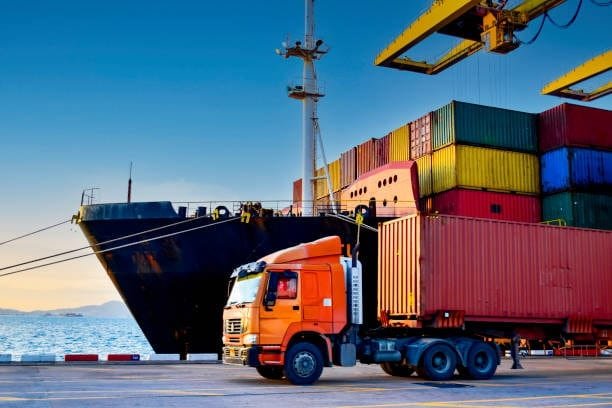
Terminal Handling Charges refer to required charges which are paid to vessel operators and port terminal shipping terminals to handle your containers in ports. You can imagine it is the service fee to push your cargo through the terminal infrastructure.
Such charges are also referred to as:
- Container Service Charges (CSC)
- Terminal Service Charges, TSC.
- Port handling fees
- Container handling fees

THC is the umbrella of services that ensure that the global trade goes on smoothly in the port terminals at the destination port globally. All containers that are passed through the international shipping experience such charges at some stage of the transit.
Why THC Matters in Modern Logistics
Shipping THC from various shipping companies is an important factor in your total logistics, shipping costs, and supply chain performance. These charges are critical to understand to have correct budgeting and pricing.
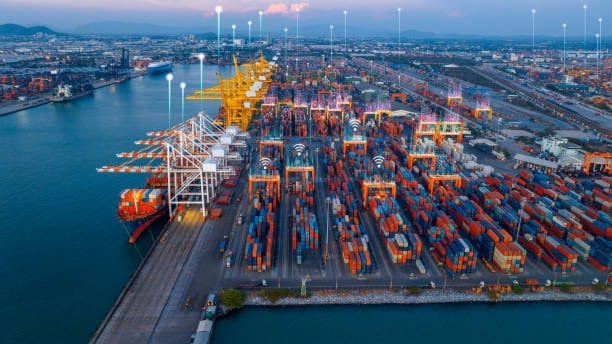
Critical Port Operations Covered:
- Placing and removing containers in vessels.
- Storage and stacking of containers in terminals.
- Utilization of equipment (cranes, forklifts, reach stackers)
- Documentation processing and security.
- Container tracking and gate operations.
Business Impact Analysis:
- Can be 5-15 percent of all shipping expenses.
- Impacts on supply chain budgeting.
- Shapes port and route choice.
- Has effects on the cash flow planning of the importers and exporters.
- Decide the competitive edge in the pricing strategies.
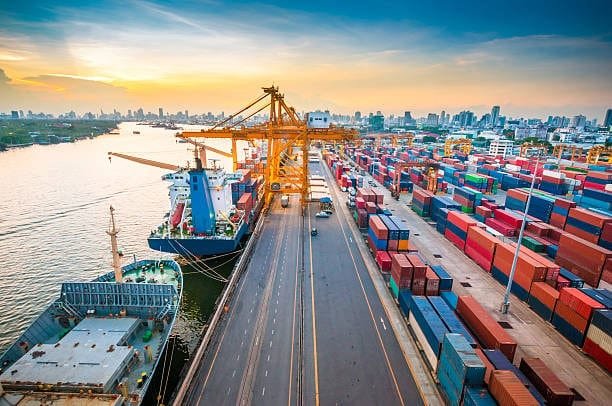
Knowing THC will enable you to decide intelligently on the shipping process, routes, terminals, and logistics strategy in general.
Different Types of Terminal Handling Charges
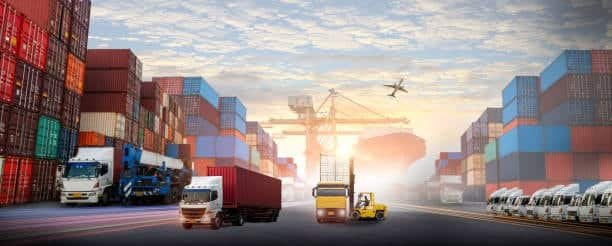
Origin THC OTHC Where it came from THC is charged at the port of departure, and all activities related to handling containers are included before the ship is loaded. This includes checking in at the gate, processing paperwork, checking security, and putting containers in the right place for loading.
DTHC (Destination THC) At the arrival port, Destination THC is used to handle cargo traffic containers after the vessel has been unloaded. These are the tasks involved in unloading, putting the containers in the yards, keeping records, and getting the containers ready to be picked.
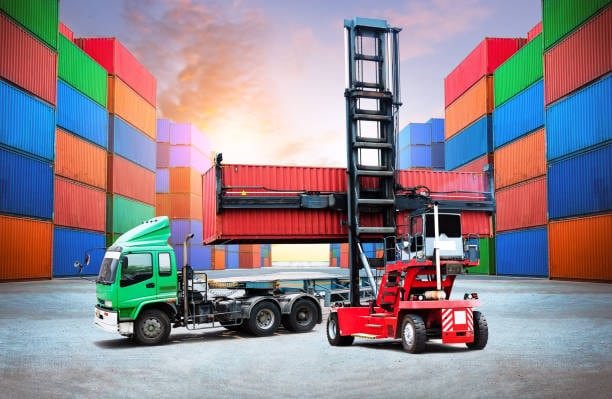
Transshipment THC – Used when containers are moved from one ship to another in a port in between. Common in hub ports like Singapore, Dubai, and Rotterdam. These fees depend on how complicated the work is and how long it takes to move.
Handling with care THC – Special charges are used to show containers that need to be handled differently, like dangerous goods, oversized items, or shipments that need a temperature-controlled terminal.
Who is responsible for paying – Your shipping contracts (Incoterms) and the rules set by terminal authorities will determine who is responsible for paying these fees. To avoid conflict, responsibility should always be made clear before shipments.
Comprehensive Breakdown: What’s Included in THC
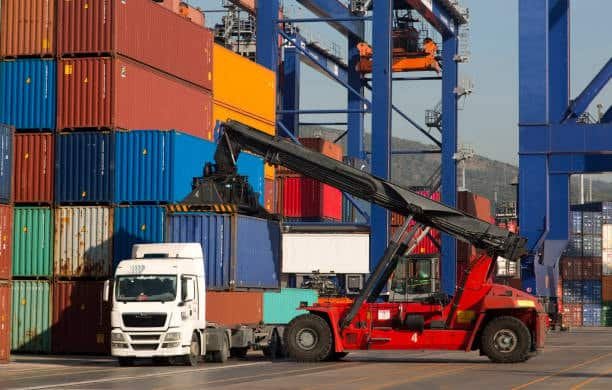
Your Terminal Handling Charges normally cover a large scope of services and operations:
Container Physical Handling:
- Exchange of crane activities.
- Container lifting, positioning and stacking.
- The transfers between the terminal areas.
- Purposeful machines to large or cumbersome boxes.
Administrative and Documentation Services:
- Processing Gate-in and gate-out.
- Checking and processing of documentation.
- Co-ordination of customs clearance.
- Electronic data interchange services (EDI).
- Status and container tracking.
Security and Inspection Services:
- Security checks.
- Container inspections at the physical level.
- Seal confirmation and use.
- Customs study offices.
Equipment and Facility Usage:
- Space allocation to terminals.
- Weighing and measurement service.
- Reefer container connector power connections.
- Goods handling equipment that is dangerous.
Current THC Pricing Structure and Market Rates
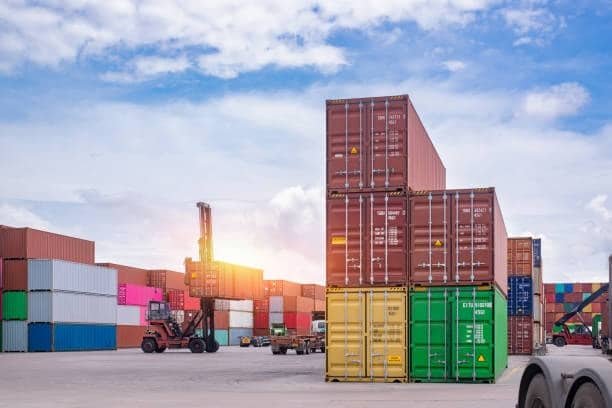
Depending on the geographical position, terminal efficiency, and the state of the local market, the fees charged as THC prices differ radically:
Container Size Pricing Examples:
- 20ft container: $150-$450 per terminal
- 40ft container: $200-$650 per terminal
- 45ft container: $250-$750 per terminal
- High cube containers: Extra charge of $25-50.
Regional Cost Variations:
- Asian Ports: Competitive rates of THC offered by these ports are generally cheap (120-350).
- European Ports: Mid-range prices and the efficient operations (200-500 dollars).
- Ports in North America: The rate of higher THC because of labor costs (250-650).
- Emerging Markets: quite fluctuating depending on infrastructure (100-600)
Factors Influencing THC Rates at different terminals by shipping company :
- Infrastructure and automation of ports.
- Local worker expenses and labor contractual agreements.
- Competition and market forces in the terminals.
- Seasonal changes and volumes of cargo.
- Government laws and port agents.
Proven Strategies to Reduce Port Charges
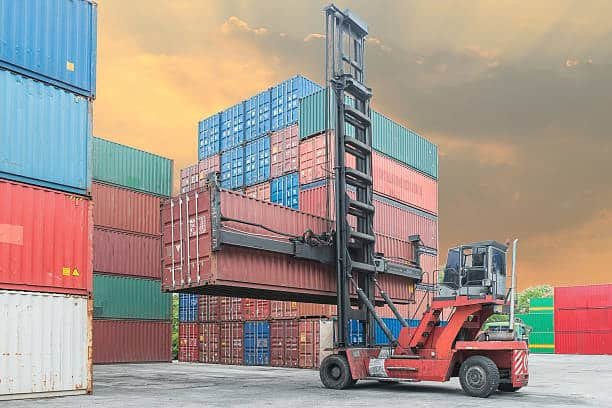
Intelligent cost optimization methods of controlled terminal costs:
1. Strategic Terminal Selection Terminal Select Research and compare ports and terminals within your shipping area. Take into account other nearby ports which might charge lower rates of THC but still provide the same quality of service.
2. Shipment Consolidation Optimization
- Use LCL (Less than Container Load) services to use smaller shipments.
- Bring together several orders in container loads.
- Share container space with other shippers.
- Copy the shipments to use the most containers.
3. Dwell Time Management Reduce container dwell time, to save storage fees, detention charges and demurrage. Introduce effective scheduling of cargo pick up and monitoring of container availability.
4. Container Ownership Strategies Shipper owned containers (SOC) are seen as an answer to avoid reliance on carrier owned equipment and a possible detention charge as well as a way to have more control over container operations and scheduling.
5. Efficient Terminal Selection Select ports that have a modern infrastructure, automated handling systems, and have an increased processing speed. Performance of the terminal-level should be judged by total turnaround time, rather than by THC rates.
Understanding THC in Different Shipping Terms
Incoterms and THC Responsibility:
FOB (Free on Board):
- FOB (Free on Board):
- Seller pays origin THC
- purchaser in place of destination THC
CIF (Cost, Insurance, and Freight):
- CIF (Cost, Insurance, and Freight):
- Origin THC and primary freight are covered by seller.
- Destination THC and local charges paid by buyer.
DDP (Delivered Duty Paid):
- DDP (Delivered Duty Paid):
- Seller the defendant of all the charges of THC.
- Both origin and destination handling is included.
EXW (Ex Works):
- Buyer pays all THC charges
- Seller has little shipping duties.
- Buyer owns whole logistics.
The knowledge of these terms can assist in clarifying who has to pay THC costs and provides a better chance to negotiate contracts.
Impact of THC on Supply Chain Budgeting
Financial Planning Considerations:
Handling of terminals is very expensive and must be strictly budgeted. These charges impact on the timing of cash flow particularly when there is a variation in payment terms between origin and destination THC.
Budget Planning Elements:
- Peak shipping seasonal changes in THC.
- Effects on international charges are on currency exchange rate.
- Surcharges in case of an emergency in the port or strike.
- Volume discount contract negotiation on a long term basis shipping line.
Cost Allocation Strategies:
- Individual THC tracking of different products hazmat cargo.
- Multi-destination shipment analysis of costs on a regional basis.
- Supplier-paid logistical vendor charge-backs.
- Consideration of insurance, in case of THC-related delays, or damages.
Common THC-Related Issues and Solutions

Frequent Problems Businesses Encounter:
Changes in Charges Without Warning: THC rates may go up or down without warning because of changes in the terminal policy, the seasons, or the rules. Solution: Get in touch with the freight forwarders in the right way and ask for early notice before the rate changes.
Delays in Documentation: If the paperwork is late or wrong, it could cost extra THC fees to redo it or store it for a long time. Solution: Use standardization of documentation processes and pre-clearance.
Peak Season Surcharges: Occasionally, terminals can charge more than the usual THC rates. Solution: Schedule deliveries when feasible when demand is low or enter fixed-rate agreements loading onboard.
Effect of Currency Fluctuation: The THC currency charge can change a lot when the exchange rate changes. Resolution: You can use currency to hedge your bets, or you can negotiate the charge in your own currency.
Technology and THC Management
Digital Solutions for THC Optimization:
Current logistics technologies provide a number of tools to optimally regulate and forecast THC expenses port technicians:
Port Management Systems:
- Real time rate comparison among various terminals.
- Thc calculating and budgeting programs.
- Historical cost analysis and Trending reports trans shipment ports.
Integration Capabilities:
- Integration with terminal operating systems by API.
- Automation of documentation and clearance of customs port authority.
- Live container tracking and updates of status port premises.
Predictive Analytics:
- Cost forecasting machine learning algorithms.
- Better planning with seasonal pattern analysis.
- Assessment of risk with regard to extra charges.
These technological applications assist companies in adjusting their decisions related to terminal choice and logistics optimization making.
Frequently Asked Questions About THC
Q: Why do THC and freight rates have different prices? A: THC deals with certain terminal operations that are different at each port and are not directly controlled by the operator of the carrier vessel. Breaking these charges would be clear and would help set better prices for different types of special handling equipment and services.
Q: Is it possible to include THC in shipping costs? A: Yes, some carriers offer rates that include freight and THC, but you won’t have as many options when it comes to choosing the terminal and the container carrier that offers the best price.
Q: How often do rates for THC change? A: THC rates are usually changed once a year or every six months. However, during busy times or when there are delays at the terminal, emergency surcharges may be added with little or no notice.
Q: Can small shippers negotiate THC fees? A: Individual negotiation may not be allowed, but small shippers can get a better rate by using the services of freight forwarders, consolidation options, or shipping cooperatives.
Q: What papers do I need to pay THC? A: A commercial invoice, a packing list, a bill of lading, and any special permits for restricted cargo are all common requirements for terminal handling charges (THC).
Q: How can I fight THC charges that are wrong? A: Call your shipping agent or freight forwarder and have the necessary papers ready. Most problems can be worked out through talking to each other.
Future Trends in Terminal Handling Charges
Industry Evolution and Predictions:
The logistics business is still changing, and there are a number of trends that will affect how THC is run in the future:
Impact of Automation: Over time, more automation at terminals can lower handling costs and keep THC rates steady, even as labor costs rise at traditional ports.
Environmental Rules: New environmental rules can lead to new fees for following the rules about emissions, waste management, and running a business in a way that is good for the environment.
Digital Integration: Links in the supply chain Digital connections between shippers, terminals, and carriers will probably also make THC’s operations easier and reduce the amount of paperwork.
Regional Development: Markets that aren’t as developed are spending a lot of money on port infrastructure, which could provide cheaper alternatives to high-cost established ports.
Conclusion: Mastering THC for Logistics Success
Handling at the terminal Charges, like the ocean freight rate, are a big but manageable part of the cost of shipping goods internationally. The key is to be aware of these costs, make good plans, and use smart optimization techniques.
Companies can save a lot of money on port fees and keep the quality of the services by framing Terminal Handling Charges as a strategic cost instead of a necessary cost. To accurately figure out terminal handling charges, the key is to take proactive control, keep optimizing, and use the tools and relationships you have to lower these important but costly parts of logistics freight terminals.
Remember that every dollar you save on THC, even those that come from reefer containers, will directly affect your bottom line and your position in the global market. Start optimizing your terminal handling fees today to save money on logistics in the short term and the long term at the same port.