
Did you know that more than 80% of international trade is done through containerized shipping for an export order? Even so, many businesses still have trouble figuring out when and how to use the container freight station services effectively, including when to send the goods to the destination port? Learning CFS shipping terms can have a big impact on the bottom line and the efficiency of supply chain management, whether you’re an e-commerce business owner who has to ship lumber to suppliers overseas or a logistics person in charge of a complicated supply chain.
Container Freight Station (CFS) operations are not just logistics math terms. They are also important for logistics professionals who work with less-than-container load (LCL) shipments and need to know about CFS when they ask about LCL delivery from shipping lines. CFS is where you have to move cargo that doesn’t fill a whole container.
What Is a Container Freight Station (CFS)?
A container freight station (CFS) is a special type of warehouse, usually near big ports, where cargo is put together and taken apart. Think of it as the center where separate shipments are put together into export containers or separate consignments are put together into export containers.
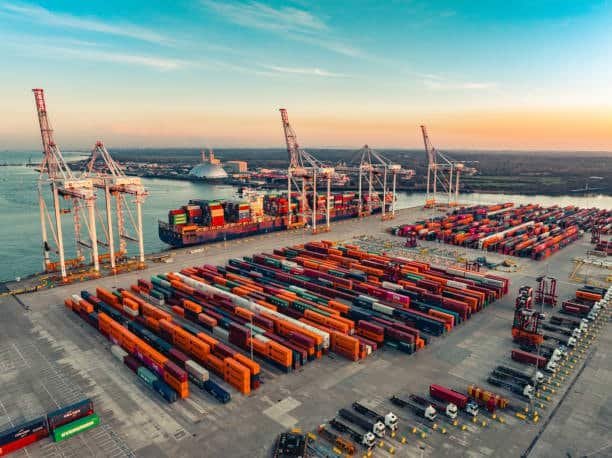
A CFS is not just a place to store things; it’s a busy processing center where goods are sorted, documented, and prepared to make another trip in the supply chain. These facilities mostly deal with lcl shipments, but most of them also offer Full Container Load (FCL) shipments services and can handle full container loads depending on what the service provider can do.
CFS vs. Related Shipping Facilities: Clearing the Confusion
It is important to know the differences between various shipping facilities to make informed logistics decision making, especially regarding the customs clearance procedures and customs authorities involved .
CFS vs. Container Yard (CY)

Container Yard (CY) is an open yard area located on port premises and is mainly meant to store FCL containers and handle them. The key differences include:
- Location: CY is in the port premise whereas CFS may be situated close to ports but not close to the main terminal area.
- Function: CY specializes in container storage and basic handling whereas CFS offers end to end cargo processing.
- Type of cargo: CY is mostly involved in FCL shipments, and CFS in LCL consolamenta and reconcilement.
- Services: CFS includes such supplementary services as customization documents, cargo examination, and specialized service.
CFS vs. Inland Container Depot (ICD)

An Inland Container Depot (ICD) plays similar roles but is not located in port land, and may be linked either by rail or road system:
- Geographic position: ICDs are inland (and can be hundreds of miles away) whereas CFS facilities are near ports.
- Primary purpose: ICDs assist in distributing the cargo to the inland areas and alleviating congestion in ports whereas CFS looks at immediate processing in the ports.
- Connectivity: ICDs are generally focused on rail and road linkages to internal markets.
CFS vs. Bonded Warehouse

A CFS that is a bonded facility has even more regulatory benefits:
- Customs status: Bonded CFS provides goods to stay under the control of customs without paying the duties at once.
- Time flexibility: The businesses are able to postpone tasks to months and even years, which enhances cash management.
- Storage duration: The storage time can be long without creating immediate requirements of customs.
How CFS Operations Work: Step-by-Step Process
Export Process Flow
Export journey via a CFS has a systematic approach that ensures timely final delivery :
- Cargo Receipt: The exporters bring their goods to the specified CFS where a product is first documented and inspected.
- Consolidation Planning: CFS operators combine like-minded cargo according to their destination, shipping line and customs regulations.
- ContainerLoading: Goods are loaded into containers with due care, weight distribution and method of securing being used.
- Documentation: Documentation of all required shipping documents such as bills of lading, packing lists and custom declarations are made and checked.
- Sealing and Transport: Containers are closed and loaded onto the port terminal to be loaded into the vessel.
Import Process Flow
A more complex flow is in the import process which is in the opposite direction:
- Container Arrival: Import containers are received at the CFS at the port terminal.
- Deconsolidation: Opening of containers, separating of individual shipments and arranging.
- Customs Processing: Goods are subjected to the custom inspection and clearance processes.
- Verification of documents: Import documents are reconciled to the physical cargo and customs requirements.
- Release to Consignees: Goods cleared are released to importers or their representatives.
Key Shipping Terms in CFS Operations
Learning bill of lading terms is crucial to dealing with the liability and expectations:
- CFS/CFS: The responsibility of cargo lies between origin CFS and destination CFS and the shipping line facilitates the transportation of containers between locations.
- CFS/CY: This involves movement of shipment between the origin CFS to the destination Container Yard, and is commonly used when a number of LCL shippers are sending to one large consignee.
- CY/CFS: The opposite, i.e. FCL cargo is moved to CFS to undergo deconsolidation and be distributed among several recipients.
Core Functions and Value-Added Services
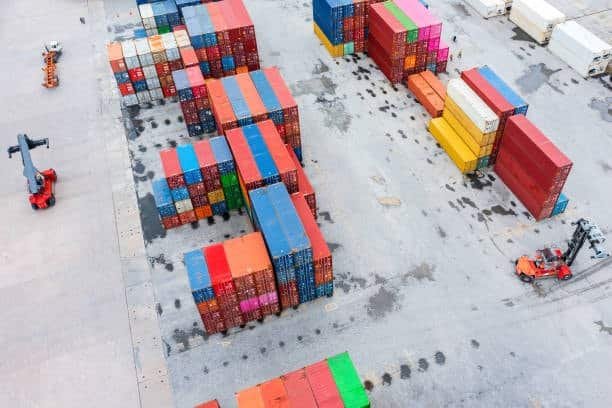
The contemporary CFS facilities are full-service facilities that go well beyond the simple tasks of cargo handling, including the management of shipping bill, container load plan, and empty containers.
Essential Operations
- Professional stuffing and unstuffing of cargo with cargo consolidation and deconsolidation.
- Temporary storage with secure and climate-controlled conditions.
- Preparation of documentation and clearance of customs.
- Professional cargo handling such as the sealing and marking.
- Maintenance of equipment, cleaning and pest control services.
- Port/Rail/road network transportation coordination.
Specialized Services A number of CFS facilities provide high-level services that bring great value:
- Temperature sensitive products cold chain.
- Dangerous substances that are safely handled.
- Oversized or specialized shipments project cargo services.
- Minimized storage time and cost operations through cross-docking.
- Retail ready preparation packaging and labeling.
- Quality check services to make sure that cargo is shipped to destination standards.
Strategic Benefits of Using CFS Facilities
Cost Optimization for LCL Shipments
Businesses that ship smaller amounts that don’t fill the whole container can save a lot of money by using CFS facilities. With this system, companies don’t have to pay for container space that isn’t being used. Instead, they share costs with other freight companies. This can lower freight rates by 40–60% compared to FCL rates on small shipments.
Operational Efficiency and Time Savings
CFS facilities make logistics operations easier by bringing together multiple functions in one place. Consolidating lcl shipments also cuts down on the number of touchpoints in the supply chain, which speeds things up and lowers the risk of making a mistake in paperwork or mishandling cargo, especially for goods that are imported or exported.
Enhanced Security and Risk Management
The CFS operators who work in the professional world use strict security measures like guards around the clock, access control systems, and full insurance. This kind of professional control makes it much less likely that cargo will be stolen or damaged than if it were handled by multiple people.
Port Decongestion Benefits
Customs agents, like those who work for a bonded cfs warehouse, can help with customs and paperwork in ports that aren’t in the main areas. This could help ease traffic and delays at ports. This separation allows ports to concentrate on ship operations while CFS handles the time-consuming cargo processing tasks.
Real-World Applications and Success Stories
E-commerce and Small-Medium Enterprises
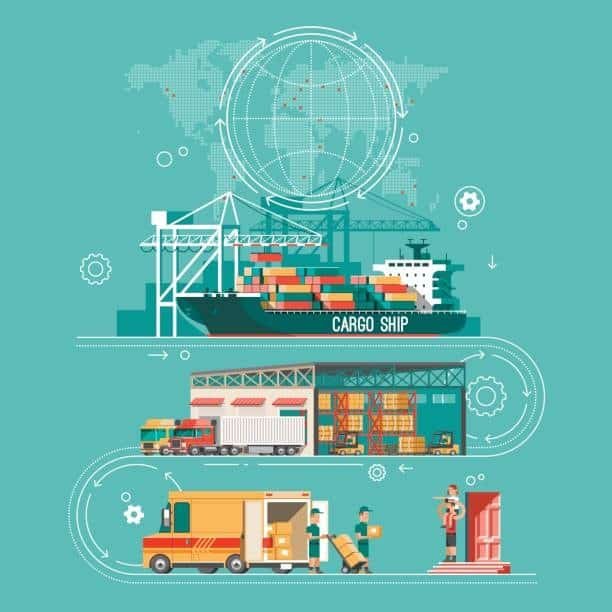
Online stores that get their goods from a variety of suppliers, including multiple shippers, often use CFS services. These stores will combine all of the shipments into one container, which is a good way to handle consolidated shipments. This solution can cut booking costs in half and make it easier to clear customs.
For example, a home goods store that gets kitchen tools from five different suppliers can have all the items sent to a CFS. There, they are put into one or two containers for the final destination instead of five separate LCL shipments.
Large-Scale Logistics Integration
More and more big logistics companies are using an integrated CFS facility with ICDs to create large supply chain networks that often connect to major railway hubs. They usually have rail links, cold storage facilities, and high-tech cargo tracking, and they provide full solutions for supply chains.
Seasonal Business Optimization
Businesses that see seasonal changes in demand use bonded CFS storage to bring in goods when prices are low, when shipping is cheaper, and then clear customs and deliver the goods to customers when demand is high. This strategy can save a lot of money and help you manage your inventory better.
Practical Implementation Guide for Businesses
Assessing Your CFS Needs
Before choosing CFS services, evaluate your shipping patterns:
- Volume analysis: CFS services are the most economical when it comes to shipments less than half a container.
- Frequency patterns: CFS consolidation is commonly beneficial in cases of regular shipments (in the form of small amounts) compared to occasional large shipments.
- Destination requirements: Speculate on whether your customers are capable of consolidated deliveries or they require individual shipment processing customs bond.
Selecting the Right CFS Provider
In considering CFS facilities, the following are very important factors to consider:
- Service scope: Confirm that the facility has all the services needed, including the simplest handling and prescription-specific needs such as temperature management or handling hazardous materials cargo owner.
- Integration of technology: Find out answers to real-time tracking, automated documentation, and API integration of the system.
- Financial terms: Do not only compare the basic handling charges, but also storage charges, documentations charges and any other hidden charge.
- Reliability indicators: Request process performance information on processing time, rate of damage, and custom clearance successful rates.
- Geographic benefits: Take into account distance to your suppliers, customers and transportation systems.
Understanding Liability and Documentation
There should be a clear grasp of the terms of responsibility regarding risk management:
- Check terms of bill of lading diligently, particularly, the difference between CFS/CFS, CFS/CY and CY/CFS arrangements.
- Check insurance coverage during the CFS handling process.
- Know the customs liability, especially to bonded storage.
- Develop effective methods of communication on shipment status and problem solving.
Leveraging Technology for Optimization
New CFS functions are based more on high-quality technology:
- RFID tracking systems offer real-time information on cargo where it is and its condition.
- Paperwork errors and delays in processing are minimised through automated documentation platforms.
- Integration APIs enable your systems to directly connect with the CFS operations shipping process.
- Smartphone apps give real-time access to trackage and status.
Maximizing CFS Value Through Strategic Planning

Consolidation Strategy Development
Establish systemic strategies to cargo consolidation:
- Supplier coordination: Coordinate with a variety of suppliers to detect timing and delivery of products to maximize consolidation.
- Inventory timing: Weigh trade-off between balance storage and the shipping frequency to control the total logistics costs supply chain operations.
- Optimization of routes: Establish the relationship between CFS locations and your overall distribution strategy.
Seasonal and Market Adaptation
Respond to Market changes using CFS capabilities:
- Peak season planning: Use bonded storage to position inventory in advance of seasonal times of high demand.
- Currency hedging: Buy imported goods when the exchange rate is good, through bonded storage to postpone the payment of customs.
- Market testing: Test new markets, with a small first shipment, cost-effectively using CFS.
Future Trends and Innovations in CFS Operations
The CFS business is always changing because technology and trade patterns are always changing:
Digital Integration Higher: CFS facilities are slowly giving customers more advanced digital platforms that connect to their ERP systems. This makes sure that data flows smoothly and processes are automated.
Projects for sustainability: Modern CFS activities are centered on eco-friendly initiatives, including energy-efficient buildings, optimized transportation routes, and reduced packaging waste.
Robots and Automation: To be more efficient and save money, top facilities are using automated sorting systems, robotic cargo handling, and AI-based optimization algorithms.
Conclusion: Making CFS Work for Your Business
Container Freight Stations are the most important players in modern international trade because they offer the most cost-effective solutions for full container load (FCL) and LCL shipments, especially when you think about the different container loads. CFS stands for Container Freight Station. They also offer value-added services that can greatly improve the efficiency of the supply chain. Whether you run a small online store and need to make shipping costs more efficient or a big company that wants to offer a wide range of logistics services, knowing about CFS activities and business planning will give you a big edge over your competitors.
The key to success is finding the right CFS service provider and services for your specific containers business needs, especially if you have more than one consignee. You should think about your shipping habits, choose your partners carefully, and use the technology that is available to you to get the most out of CFS integration container yards.
Are you ready to make your shipping plan more efficient? First, look at your current LCL shipping rates and schedules. Then, look at the CFS facilities that are available along your main trade routes. You could also think about getting in touch with logistics experts who could give you detailed feedback on how CFS services could help your specific business model.
What problems have you had with LCL shipping, and how do you think CFS services can help? Please leave your thoughts and questions in the comments section below. Your feedback can help other logistics professionals improve their own supply chain strategies, which is what cfs fees usually cover.