Apparel fulfillment for Amazon sellers bridges the gap between FBA requirements and direct-to-consumer (DTC) shipping. This guide explains how 3PL services simplify labeling, packaging, and inventory management for apparel brands selling through Amazon and their own stores. Whether you’re navigating Amazon’s strict FBA standards or building a DTC presence, partnering with a trusted 3PL like BM SUPPLY CHAIN can streamline your logistics and boost efficiency.
What Is Apparel Fulfillment for Amazon Sellers?
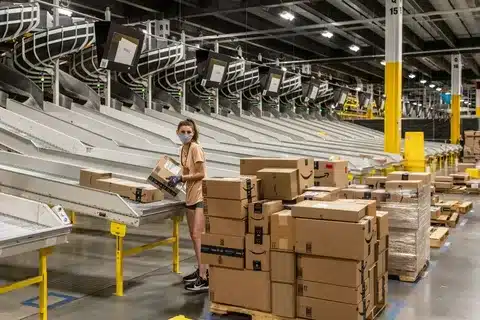
Apparel fulfillment for Amazon sellers refers to the process of preparing, labeling, storing, and shipping fashion products that meet Amazon’s FBA requirements while also enabling brands to manage direct-to-consumer orders from the same warehouse. It’s a dual-purpose solution that supports both Amazon’s Fulfillment by Amazon (FBA) program and DTC channels, such as Shopify or WooCommerce stores. This hybrid approach allows fashion brands to leverage Amazon’s massive reach while maintaining control over their brand identity through DTC sales.
For apparel brands, this process is critical. Amazon’s FBA program demands precise labeling and packaging, while DTC customers expect fast shipping and branded unboxing experiences. A reliable apparel 3PL integrates both channels, ensuring seamless operations and customer satisfaction.
Why Apparel Fulfillment Matters for Amazon Sellers
Apparel fulfillment for Amazon sellers addresses unique challenges in the fashion industry, making it a vital component for success. Here’s why it matters:
- Strict FBA Standards: Amazon requires precise labeling, polybagging, and packaging for apparel, with non-compliance leading to delays or penalties.
- High Return Rates: Apparel has return rates of 20-40% in e-commerce, requiring efficient returns processing to minimize losses.
- Brand Consistency: DTC customers expect custom packaging and a premium unboxing experience, which reinforces brand loyalty.
- Profit Growth with DTC: Selling directly through your own store can increase margins by up to 30% compared to Amazon’s fees, but it demands robust logistics.
Without streamlined apparel fulfillment, brands risk inventory errors, delayed shipments, and inconsistent customer experiences, all of which can harm profitability and reputation.
The Apparel Fulfillment Process for Amazon Sellers
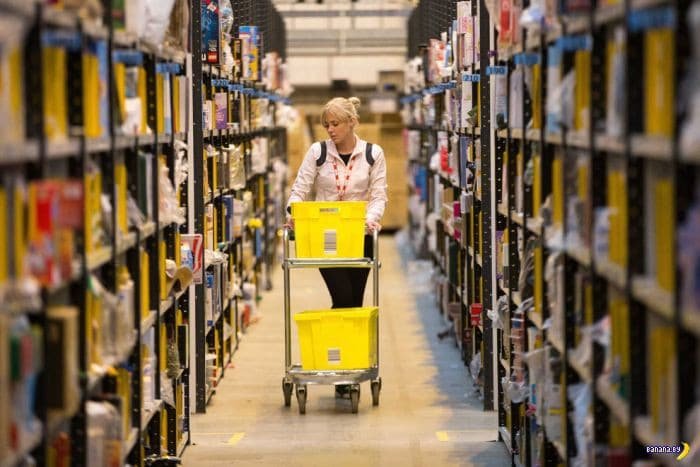
The apparel fulfillment process for Amazon sellers involves several key steps to ensure compliance with FBA and seamless DTC operations. Here’s how it works:
1. FBA Prep & Labeling
FBA prep involves sorting, labeling, and packaging apparel to meet Amazon’s strict guidelines. This includes applying FNSKU barcodes, polybagging delicate items, and ensuring proper sizing labels. BM SUPPLY CHAIN’s expert team ensures every item is FBA-ready, reducing the risk of rejection at Amazon warehouses.
2. Storage & Inventory Sync
A robust warehouse management system (WMS) synchronizes inventory across Amazon and DTC channels. Real-time tracking prevents overselling and stockouts, especially for apparel with diverse SKUs (e.g., sizes, colors). BM SUPPLY CHAIN offers 30-day free storage and API integration for seamless inventory updates.
3. Picking & Packing
Orders are picked and packed based on the sales channel. For FBA, items are prepared for Amazon’s warehouses, while DTC orders receive custom packaging, such as branded boxes or inserts. Accuracy is critical to handle apparel’s complex SKU variations.
4. Shipping & Returns
Optimized shipping ensures fast delivery for both FBA and DTC orders. Real-time tracking provides transparency, while an efficient returns process handles apparel’s high return rates. BM SUPPLY CHAIN’s global logistics network and streamlined returns system keep customers satisfied and costs low.
FBA Prep vs DTC Fulfillment — Finding the Right Balance
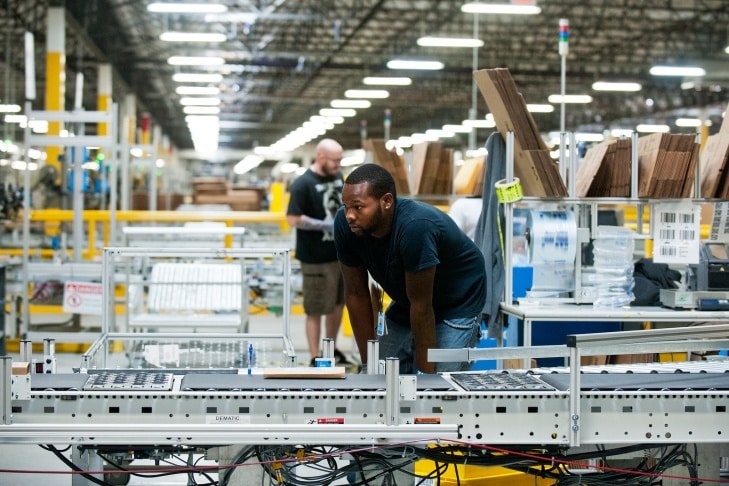
Balancing FBA and DTC fulfillment is key to maximizing reach and profitability. Here’s how they differ and complement each other:
- FBA Fulfillment: Ideal for high-volume products, FBA leverages Amazon’s vast logistics network and Prime eligibility. However, it comes with strict prep requirements, high fees, and limited brand control.
- DTC Fulfillment: Selling through your own store offers greater control over branding, packaging, and customer data. It requires robust logistics to match Amazon’s speed and reliability.
- The Best Approach: Partnering with a 3PL enables “one-warehouse, multi-channel” fulfillment. A single inventory pool supports both FBA and DTC orders, reducing complexity and costs.
For example, a fashion brand using BM SUPPLY CHAIN can store inventory in one warehouse, fulfill Amazon orders with FBA prep, and ship DTC orders with custom packaging—all while tracking everything in real time.
Why Partner with a 3PL for Apparel Fulfillment
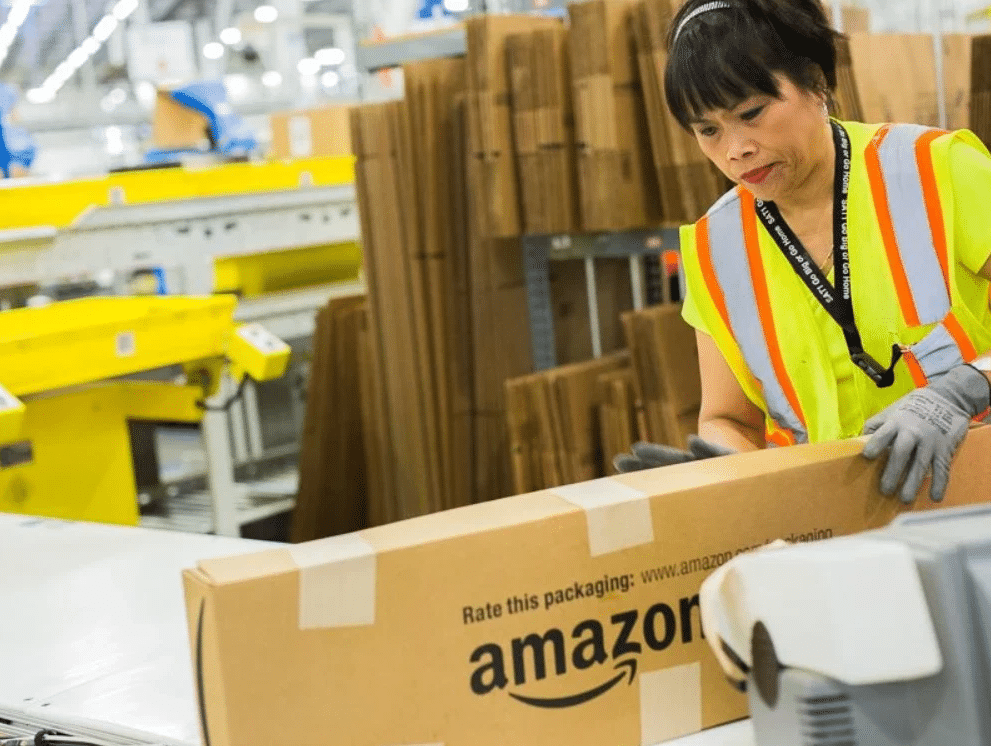
Partnering with an apparel 3PL like BM SUPPLY CHAIN offers significant advantages for Amazon sellers and DTC brands:
- Expert FBA Prep: Professional labeling and packaging ensure compliance with Amazon’s standards, saving time and avoiding penalties.
- Multi-Platform Integration: Seamless API connections with Shopify, Amazon, WooCommerce, and other platforms streamline operations.
- Cost-Effective Storage: Free 30-day warehousing and real-time inventory tracking reduce overhead and improve transparency.
- Custom Branding: DTC orders benefit from branded packaging, labeling, and kitting, creating a premium customer experience.
- Scalable Solutions: Flexible warehousing and global shipping support seasonal peaks and international expansion.
A 2024 study by Shopify found that 65% of e-commerce customers prioritize fast shipping, and 48% value personalized packaging. A 3PL ensures you meet these expectations while focusing on growing your brand.
Conclusion — Streamline Your Apparel Fulfillment Today
Whether you sell on Amazon, your own online store, or both, a reliable 3PL can help you manage apparel fulfillment seamlessly. By combining expert FBA prep with tailored DTC solutions, you can reduce costs, improve delivery speed, and enhance customer satisfaction. Ready to simplify your clothing FBA logistics and scale your DTC presence? Discover how BM SUPPLY CHAIN’s apparel fulfillment services can transform your operations. Contact us today for a free quote and take your fashion brand to the next level.