As an Amazon seller dealing in apparel, nailing your fulfillment process isn’t just about getting products out the door—it’s about avoiding costly rejections, slashing return rates, and keeping your listings healthy. This guide walks you through apparel fulfillment for Amazon sellers, In this fast-moving society of direct-to-consumer (DTC) fashion, how you can have your clothes shipped directly to the customer without a hitch can make or break your brand. This guide contains a step-by-step description of the whole process of fulfilling an order of apparel, and it assists the DTC brands in addressing the typical pitfalls such as high returns, stock accidents, and slow delivery. These workflows will help you increase efficiency, reduce expenses, and retain your clients, no matter whether you are scaling up or only beginning to operate.
Why Apparel Fulfillment Matters for Amazon Sellers
The apparel fulfillment is the entire process of processing clothing and other fashion products when they are received in a warehouse to the final point they reach the customer. It is connected with inventory control, quality control, picking, packing, and shipping which are specially designed as per the specific requirements of the garments such as different sizes, different colors, different fabrics.
This is critical particularly to DTC brands in comparison to traditional retail. DTC business can be lean as they sell online without opening physical outlets and any hitch during fulfillment can directly affect your bottom line, as well as your reputation. Contrary to the general third-party logistics (3PL) operations, which deal with the movement of electronics and books, apparel fulfillment requires a special approach: fabrics wrinkle easily, fit has to be perfect, and such aspects of branding as custom tags introduce the complexity to the matter.
Amazon’s Essential Requirements for Apparel FBA Prep
The typical areas of concern in DTC apparel brands are the handling of several SKUs (stock-keeping units) in terms of styles and sizes, high returns rates based on the fit complications (it often is 20-30 percent in the industry), and seasonal peaks that put pressure on inventory. An effective Apparel Fulfillment process will take these directly on the head which will help to be precise and fast.
1. Polybag Requirements for Apparel
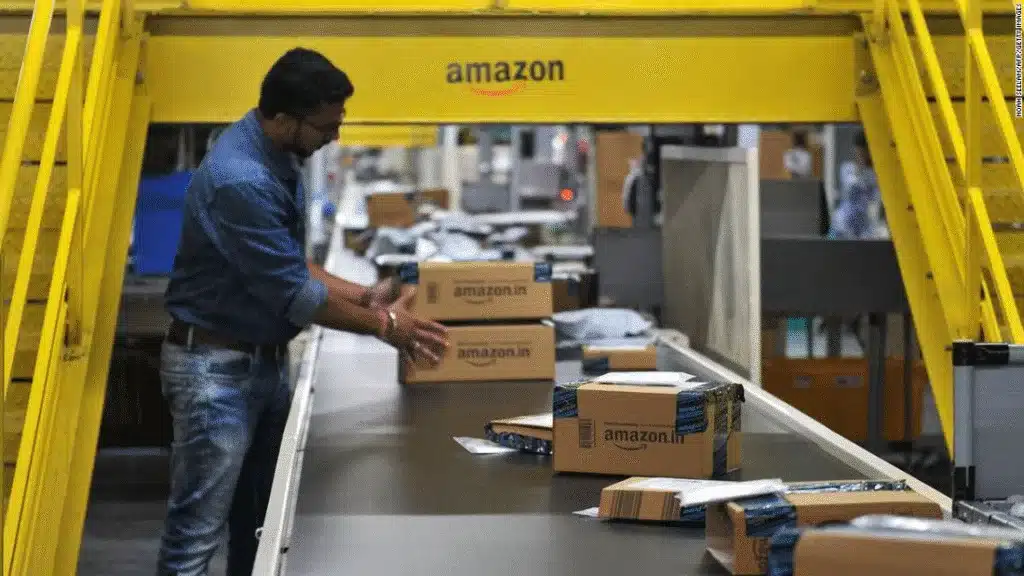
Most apparel is required to have polybags to protect against dust, moisture, and warehouse handling in Amazon. Use self-sealing clear bags of at least 1.5 mil thickness – thinner bags tear up and are flagged. Bags must be made to be snug without having any extra cloth, in the case of a medium t-shirt you want 10×13 inches, but increasing the size depending on the bulkiness of the item such as a jacket.
Critical procedure: In cases where the bag opening exceeds 5 inches, add a warning label that contains the word suffocation. It should contain some writing such as warning: do not keep this plastic bag near babies and kids lest it becomes dangerous by suffocation. Should not be used in play pen, carriages or cribs. Print it boldly and in at least 20-point font and put it in a conspicuous place. Tape or heat no staples. Skipping this? Instant rejection. To illustrate, when packing hoodies, run the rubber test by pulling it softly; a loose one might easily burst along the way and you will end up with spoilt merchandise.
2. Labeling Requirements
Each clothing product will require its FNSKU (Fulfillment Network Stock Keeping Unit) label, the Amazon-specific barcode. Slap it on the outside of the polybag, flat and scannable never on seams or folds where it can wrinkle. Do not add any major details such as size, color, or care, and you should not place your label covering the original UPC this will make scanners confusing and generate errors.
in case of variations, as in a shirt, small/blue and medium/red, they have their own FNSKU to avoid confusion. Pro tip: It is easy to use 1×2.625-inch labels which are easy to read. I have dealt with sellers who did not care about this and were left with no label flags, which they had to re-label at a distance – costly and aggravating.
3. Barcoding & Variation Management
Clothes are created on differences, yet lack of management kills productivity. Each size- color combination is given its own bar code; Amazon considers a large black shirt to be different than a small white shirt. Link them to a single parent ASIN using tools such as the variation wizard of Seller Central; ways to maintain tidy listings.
Common errors are barcode overlaps or batch mixing, such as a scan of such a large medium. To avoid, verify during preparation and use software identifying discrepancies. Good sku management of clothes means that you have the correct inventory and your returns are fewer of the hated item not as described.
4. Tagging & Hang Tags
Choose whether to retain or cutmanufacturer hang tags or not. In the case of a private-label brand, use your own instead of the branding- you can consider the addition of care labels or size stickers. Amazon does not need to get rid of originals, unless they mislead, but in the case of fashion products such as dresses, clean tags contribute to a more positive view of quality.
In the case of reselling, make sure no tags infringe trademarks. A real life example: I have a friend who is a seller; he was caught with IP complaints because of leaving competitor tags on and now they regularly replace them during prep to keep abreast

The Complete Apparel Fulfillment Workflow for Amazon Sellers
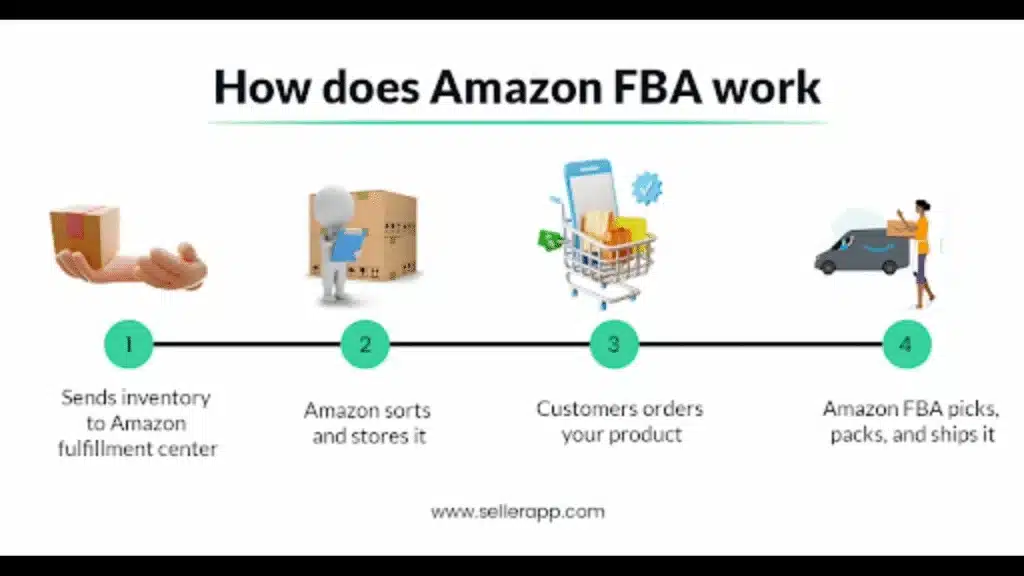
With requirements covered, here’s the step-by-step apparel fulfillment This order will reduce the number of mistakes and will prepare your clothes to be easy to integrate with FBA.
1. Receiving & Inventory Count
Begin with a bang: Once goods have been received at the suppliers, scan at the purchase order. Census by style, size and color. In the case of 500 tees, divide it into subsets such as 100 small/black (checking that there is no shortage).
Check packaging as well, broken boxes usually contain concealed problems. Enter all this into your inventory system at once to be in line with Amazon. This will be a step to identify the discrepancies at the early stage so that you do not over sell and bury your metrics.
2. Apparel Quality Inspection Before FBA Prep
Apparel qc requires quality control in Amazon setups, and there is no bargain on this. Comparison of size checks versus charts- take a sample of each version. Check seams to ensure no loose threads, fabrics to check color fading or unevenness and prints to check alignment.
Check on the stains, odors and wrinkles; any little defect results in returns. On jeans, stretch the material, test zippers and buttons; on activewear, stretch the material. Ambition should be 100 per cent inspection of new suppliers. This intense examination of clothes, amazon step, is so effective that one seller lowered his return rate by 35 percent to 15 percent.
3. Pre-Folding & Steaming (Optional)
Folding and steaming are not compulsory but this increases your game. Fold clothes properly- roll t-shirts so that they can occupy less space, fold pants along their natural creases. Wrinkles can be zapped in a garment steamer; 10-15 seconds each are sufficient.
This eliminates arrived wrinkled complaints particularly on cotton or linen. In the case of luxurious clothing, matching listing photos and enhancing satisfaction is a necessity.
4. Polybagging & Warning Labels
Pack products separately unless Amazon does permit bundling (not common with clothing). Stuff the garment inside and insert any inserts such as size stickers, seal and close. Stick the warning about suffocation to the front side of the bag making sure that it is readable.
Oversized things such as coats should also be packed in bigger bags but not more than 20×30 inches to fit in cartons. Test handling similarity- shake the bag to ensure the bag does not move.
5. Applying FNSKU & Required Labels
Generate FNSKUs using the tools of Amazon or third-party software. Put them in the middle of the polybag not at the edges or seals. In the case of multi-packs, labeling of the outer packaging is only done.
Apply and check the readability by the method of scanning twice. Do not make the usual mistakes such as bubbles under labels which are an abomination to the scanners. This accuracy in the labeling of amazon clothes makes your workflow run smoothly.
6. Preparing for Amazon Carton Requirements
Stuff in solid boxes–not weak boxes. Weight 50lbs per carton; in case of apparel 50- 100 units according to the bulk. Arrange stacking of similar SKUs with paddings to avoid movement.
Place shipping labels on the label cartons with FBA box IDs. Adhere to amazon carton rules: 150 units of the same SKU can be per box, otherwise, it will cause delays in the processing.
7. Final Checking & Shipping to Amazon FCs
Prior to dispatch, recheck: Check items per carton, label checking and weighing. Inbound shipments Book an appointment via Seller Central, if required.
Select shipping prudently- UPS speed, LCL bulk cost savings. After avoidance of rejections, add buffer stock and monitor all the steps. Real time updates are handled with software and reduce the errors by half to pro sellers.
How Proper Apparel Fulfillment Reduces Returns & Increases Customer Satisfaction

Apparel fulfillment gets it right: Comprehensive QC eliminates defects, proper polybagging removes damage, and labeling gets the right item to the right location. The glowing reviews are as a result of customers having raved about wrinkle-free and well-packaged clothes.
This is an increase in your listing health- Amazon favors low return rates, and gives more visibility and Buy Box wins. With a category that has been hit by the lack of quality preparation, it is possible to stand out as a quality prepares to create a long-term loyalty.
Final Thoughts
Fashion on Amazon requires accuracy: The requirements of polybags, FNSKU location, and all little details matter in preventing risks and maximizing performance. This fba prep guide, as applied to clothing sellers, will help you to simplify the operations and concentrate on growth.
A proper fulfillment of the brands through correct apparel also results in a smoother running operations and better reviews by customers. In case you want to delegate the effort, companies such as BM Supply Chain provide custom FBA prep services, such as QC and international shipping, to allow Amazon sellers to grow faster without the pressure.