
The way you fold, bag and package your clothes may end up being the difference between the glowing review and an expensive bounce back in the world of eCommerce fashion. In the case of DTC brands and Amazon sellers, packaging and correct folding is not only about protection but also about providing that wow-experience during the unboxing process and minimal damage during shipping. Misstep it and you are in the business of wrinkles, stains or tear holes that drive up returns to 30 percent. This guide goes directly to the point and provides practical tricks to simplify your work, make platforms work, and keep the customers satisfied.
Why Proper Apparel Packaging Matters
First of all, we can discuss the impact: With appropriate packaging of clothes, wrinkles and damage are reduced directly, so the products are ready to use. It promotes the unboxing process making an ordinary delivery a unique brand experience that motivates social media sharing. Most importantly, it reduces the returns as it concerns such frequent issues as ill-fitting folds or transit accidents.

On top of that, sound practices defend your brand image e.g. crisp clean arrivals that scream quality. They also protect against pollution or liquid in the logistics chains, particularly international deliveries. To DTC sellers using Shopify or Tik Tok Shop, andAmazon FBA pros, ignoring these means higher costs and lost sales. I’ve seen brands cut returns by 20% just by nailing these basics.
Step-by-Step Best Practices for Folding Apparel
Best practices in folding clothes by step-by-step processes.
The first defense of the best practices of apparel packaging is folding. When it is done well then creases are avoided and the bagging is easy. This is the step by step guide on how to do it, which will be most efficient in warehouses.
1. Use a Clean and Flat Surface
Begin with the background: The surface must always be clean and flat, without dust, debris or residues. This helps avoid contamination that might leave delicate fabrics such as silk and cotton stained. Cleanse with a towel in-between sessions- do not use coarse tables, which scratch fabric. In large volume processes, it is preferable to allocate sanitized folding areas to ensure the integrity of fabrics and hygiene.
2. Follow Standard Retail Folding Techniques
Various clothes require special ways of reducing wrinkles. In the case of t-shirts: Lie flat, press wrinkles out, bring the sleeves together and then divide into thirds to create a small rectangle. Pants or jeans? Match edges, fold vertically, then horizontally in half, afterwards join the edges at waist till hem.
Dresses or blouses: Button up, roll along sides and tuck arms, do not create hard creases and tight spaces are rolled. Always re-smooth air pockets to avoid damage of fabric. Such methods of retail inspiration make products appear as if they are fresh in the store, which is very important in the way to fold clothes to be sent in the eCommerce.

3. Ensure a Consistent Finished Size
Goal: Uniformity: Fold to the same size, such as 9×12 inches of most tops, in order to fit into standard polybags. This enhances efficiency in picking in warehouses and easy stacking. Compare with templates when necessary- sizes are not consistent, causing the bags to be bulged and transit changes. In the case of DTC brands, such consistency accelerates the fulfillment process, eliminating the mistakes in the packaging of eCommerce clothes.
Best Practices for Bagging Apparel
After wrapping it up, bagging in a clean state. Bagging clothing will not only keep dust and handling off, however, it will only do so when you adhere to these guidelines.
1. Choose the Correct Polybag Size
Size is a consideration: Choose polybags that are neither tight nor loose: the snugness will not allow the bag to move without compressing. A medium hoodie would need a bag size of 12x 15 inch. Blot any air to prevent ballooning. Wrong sizes? They bring tears or creases and increase it risks of hiking. Best fit to your stock so your apparel can be easily packed.
2. Use Self-Sealing Polybags
Go better: Use a polybag featuring a powerful closing strip to help close the bag easily and securely without the use of tapes. These safeguard clothes during shipping against water and dirt. Also, at least 2-mil thick will be durable. Self-sealers saved me 30 percent of prep time and still adhered to such carriers as the USPS or FedEx in my experience with sellers.
3. Include Required Labels
Do not omit the details: Attach size labels, SKU labels and barcodes to the outside. In the case of Amazon FBA, the place FNSKU labels flat without seams, will not cover important information. Shopify or Tik Tok Shop orders? Make sure that barcode placement is scannable. Adhere to platform guidelines such as Amazon bags being suffocated bigger than 5 inches: WARNING: Do not leave near children. This will avoid rejections and leave your listings in operation.
Packaging Apparel for Shipping (Outer Protection)
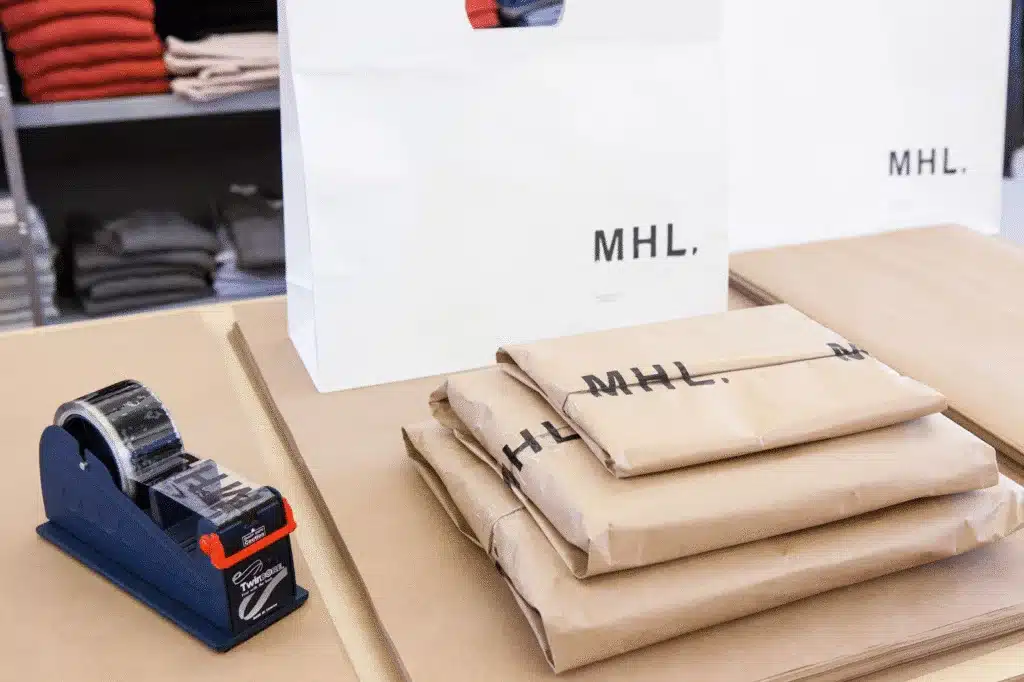
The outer layer is your final barrier. How to pack apparel for shipping varies by item, but focus on robustness.
1. Use Additional Protection for Delicate Fabrics
In delicate material: Use tissue paper to pad against friction, or embellished pieces: Add bubble sleeves. Do not press sequins or prints directly. This added measure averts damage of fabrics such as pulling or fading particularly in long shipments of silks.
2. Choose the Right Mailer or Box
Pair to the merchant: Low-weight tees: water-resistant poly mailers- light and cheap. Bulkier items like coats? Use corrugated boxes to counter weight. Do not use big boxes that can be moved around; use void fill where necessary. Venture into recyclable forms of packaging such as biodegradable mailers to attract environmental conscious customers. Always verify carrier limits e.g. poly mailers less than 15.99 oz by the USPS First-Class.
3. Add Branding Elements
Take it to another level: Add some custom inserts, branded tissue or thank you cards to that personal touch. They do not contribute much to the weight, but increase brand loyalty. Arrange them in a clean manner to prevent a messy look- perfect in repeat business constructions of DTC brands.
Common Mistakes to Avoid
Even the professionals make mistakes – and these are what you have to be careful of, all important to avoid:
- Fabrics of high quality are destroyed by over-tight folding that leaves permanent creases.
- The bags should not be used without a decent seal as that will attract dust and tears.
- Misplaced barcodes cause scan failures and scan delays.
- Putting wet or dry clothes in packages ensures complaints.
- Poor polybag size leads to bursts or inefficiencies.
- Rejection is elicited by disregarding platform regulations such as warnings offered by Amazon.
- Leaving tissue behind in favor of dainties puts it at risk of transit injury.
Notice these early using checklists to ensure a smooth operations.
Eco-Friendly Packaging Options for Apparel
Sustainability sells: Replace polybags with the environmentally friendly recycled polybags, or biodegradable that biodegrade in months. Boxes and recyclable materials such as kraft paper fillers should be used with FSC certified mailers. These are responding to rising demands- Amazon is the one that promotes them, and the shoppers of DTC are fond of the green atmosphere. Go simple: Use compostable bags to try the basics to reduce your carbon footprint without compromising security.
Final Thoughts
Shipping, bagging and outer packaging boilerplate of nailing folding clothes, of cleaning a table surface, of using common techniques, of using the correct size, of using a strong seal, of using protective layers, and even of using eco-options are all pieces of the puzzle that all result in a fantastic outcome. This solution provides improved customer experiences, reduced returns, and brand value.
Customer satisfaction and reliability of shipping are enhanced by the brands which constantly adhere to the correct folding and packing standards. When you are scaling, these details, including bagging customized, shipping the goods worldwide, etc., can be taken care of by a fulfillment expert, such as BM Supply Chain, and you can concentrate on growth.