Uncategorized

shipping containers and trucks at port representing flat rate shipping logistics
Uncategorized

What Is a Flat Shipping Rate? A Complete Guide

A flat shipping rate is a pricing method where sellers charge a fixed, predetermined fee for shipping, regardless of the package’s weight, size, or delivery distance. This guide explains how flat rates work, their advantages, and potential drawbacks for businesses and customers. By offering a consistent shipping cost, sellers can simplify checkout, reduce cart abandonment, and make expenses predictable for both sides. It is especially useful for e-commerce stores shipping items of similar size or weight, as it avoids complex calculations and surprises at checkout. However, flat rates may not always be cost-effective for very heavy, bulky, or low-value orders. The guide also covers when to use flat shipping, how to set the right rate, and strategies to balance affordability and profitability in order fulfillment.


drop shipper managing inventory and preparing orders for dropshipping
Uncategorized

The Complete Drop Shipper Guide for 2025: Everything You Need to Know

The Complete Drop Shipper Guide for 2025 serves as an all-in-one resource for anyone looking to start or optimize a dropshipping business in today’s competitive e-commerce landscape. It covers the fundamentals of how dropshipping works, the benefits and challenges of this business model, and the step-by-step process of setting up a store—from selecting a profitable niche and reliable suppliers to choosing the right e-commerce platform. The guide also highlights the latest trends shaping dropshipping in 2025, including AI-powered product research, automation tools, and emerging global markets. Beyond setup, it dives into strategies for marketing, SEO, social media, and customer retention, while addressing common pitfalls such as supplier issues, shipping delays, and thin profit margins. Ultimately, the guide positions dropshipping as a flexible, low-risk entry point into online business, while emphasizing the need for careful planning, strong branding, and continuous optimization to stand out in 2025’s fast-changing e-commerce environment.

CFR incoterm highlighted with other shipping terms like FOB and CIF
Uncategorized

CFR Incoterm Guide: When Cost Doesn’t Equal Risk

The CFR Incoterm Guide: When Cost Doesn’t Equal Risk explains how Cost and Freight (CFR) works in international trade and why paying for transport doesn’t always mean assuming responsibility. Under CFR, the seller covers the cost of shipping goods to the buyer’s port of destination, but the risk transfers much earlier—once the goods are loaded onto the vessel at the port of origin. This distinction often surprises buyers, as they may assume that because the seller pays for freight, they also carry the risk until arrival. The guide emphasizes the importance of clearly understanding these rules to avoid disputes, unexpected liabilities, or gaps in insurance coverage. It also offers practical advice on when to use CFR, its advantages and limitations, and how businesses can better manage risks through proper contracts, insurance, and communication with logistics partners.

Container loading at port illustrating Freight on Board shipping process.
Uncategorized

Freight On Board Definition: Your Complete Guide to Free On Board Terms in International Trade

Free On Board (FOB) is an essential Incoterm that tells you when the buyer and seller change ownership, risk, and fees in international shipping. When items are loaded at the loading port, purchasers are no longer responsible for them in FOB Origin. This provides them control over the cost but requires them to know logistics. FOB Destination makes the seller responsible until the goods arrive at their destination. This is handy but costs more. The size of the firm, logistics, risk tolerance, and cost preferences will all play a role in choosing substitution variations. Knowing the terminology that goes along with FOB may help you avoid controversy, make better financial plans, and make better shipping selections. Using FOB terminology correctly and precise wording in contracts is the key to a successful partnership in international trading.

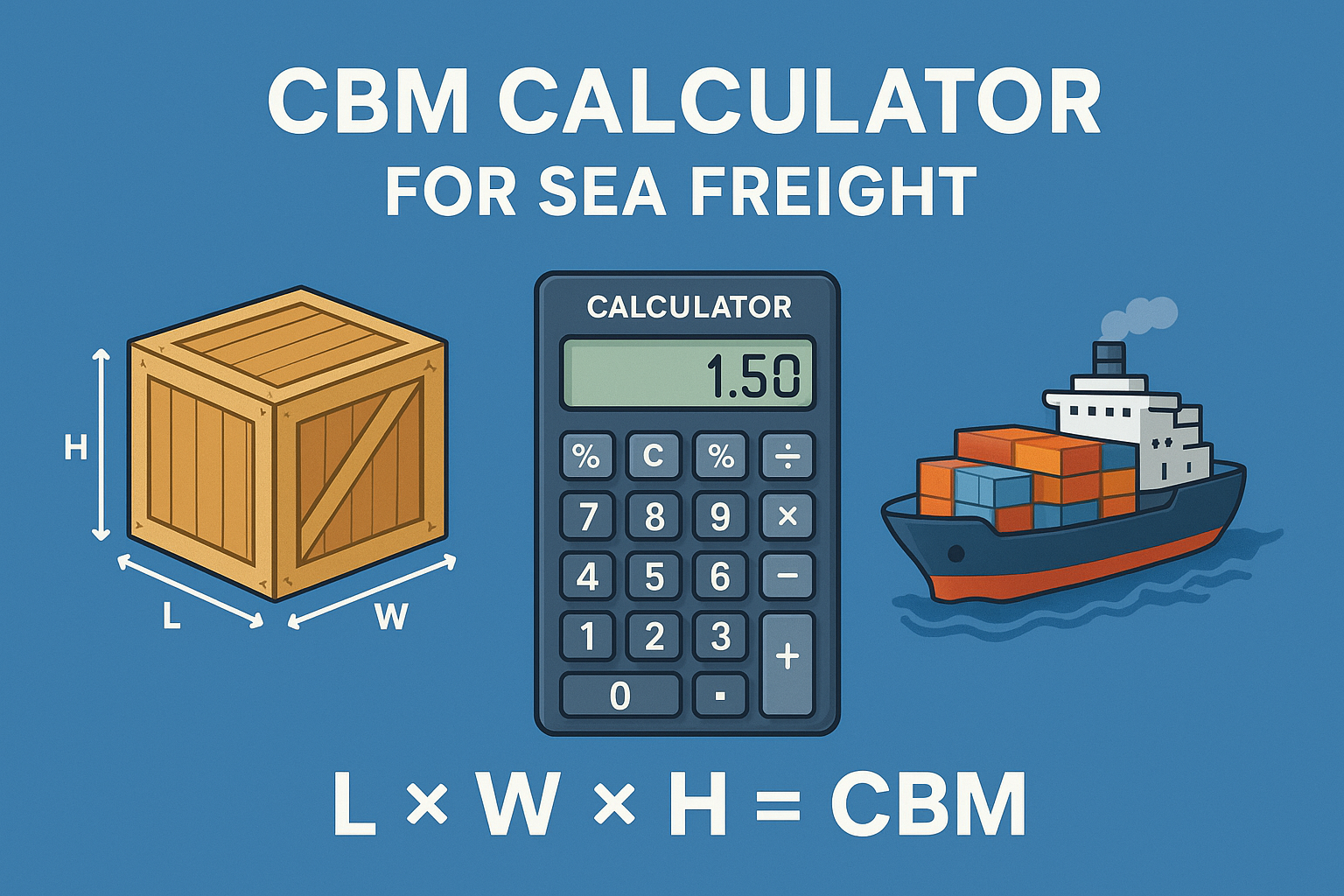
CBM calculator for sea freight showing formula length × width × height for shipping cost conversion to kilograms.
Uncategorized

CBM Calculator for Sea Freight: Converting Volume to Weight for Optimal Shipping

A CBM calculator for sea freight is a vital tool that helps shippers convert the volume of cargo into weight to determine shipping costs more accurately. Since sea freight charges are often based on whichever is greater—actual weight or volumetric weight—calculating CBM (Cubic Meter) ensures businesses can plan shipments more efficiently and avoid unexpected expenses. By inputting dimensions of cartons, pallets, or containers, the calculator provides precise CBM values, which are then converted into chargeable weight according to carrier rules. This process supports optimal space utilization in containers, improves cost estimation, and allows companies to choose the most economical and effective shipping method for their goods.

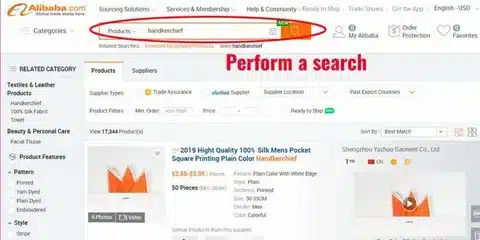
Alibaba search results showing suppliers and product listings for silk handkerchiefs.
Uncategorized

How Much Is Shipping from Alibaba Really Cost? (And How to Save Big!)

This all-in-one guide shows that shipping with Alibaba is cheap, with their postal services costing as little as $3–8 per kg and their more expensive express delivery services costing up to $15–25 per kg. When you order a lot of things, ocean freight is the cheapest choice, costing only 0.30–0.80 per kilogram. Combined shipping options are a good middle ground. Using experienced freight forwarders, consolidating shipments, comparing several quotes, and knowing shipping terminology like FOB, CIF, and EXW are some of the best ways to cut costs. To be successful in long-term importing, you will need to find a balance between cost, speed, and dependability. You need also build solid connections with suppliers and other logistical partners.

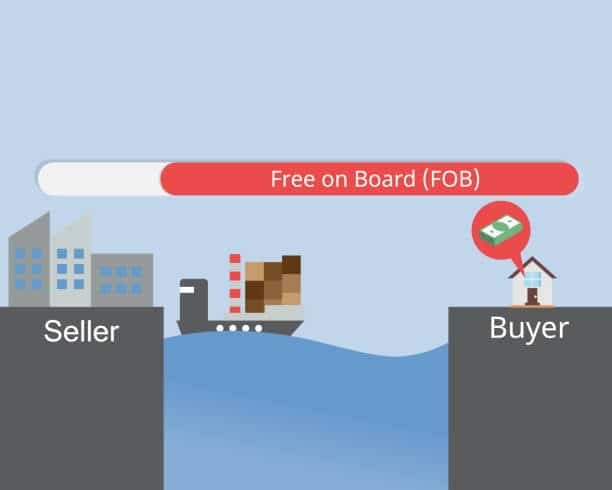
FOB diagram explaining ownership and cost transfer under shipping point vs destination.
Uncategorized

FOB Shipping Point vs FOB Destination: Who’s Really Liable When Things Go Wrong?

When it comes to international trade, there are two very distinct ways that individuals are liable for their actions: FOB Shipping Point and FOB Destination. On the one hand, shipping point conditions confer ownership and accountability on the buyer at the point of origin; on the other hand, they expose the buyer to a larger degree of risk. Because of destination terms, sellers are obligated to protect purchasers while their items are in transit; nevertheless, this comes at an increased cost to the whole transaction. For the purpose of assisting you in carrying out your entire business plan, we recommend that you base your decision for the terms of the FOB shipment on the appropriate balance between the management of risk, the maintenance of low costs, and the maintenance of simple operations.

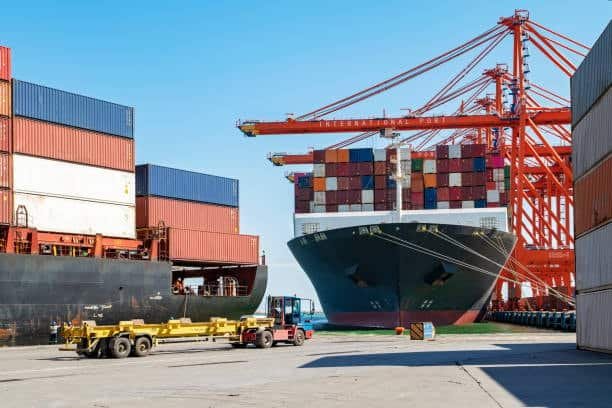
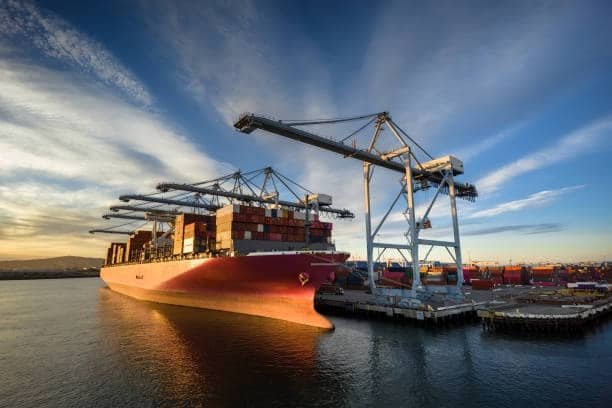
Cargo vessel docked at port cranes for unloading and loading, representing transit time factors in ocean freight.
Uncategorized

Real-Time Ocean Freight Transit Time Calculator: Your Complete Guide to Shipping Estimates

Real-time shipping estimates through transit time calculators enable businesses to plan better than before through the old methods. Knowing the distinction between transit time and lead time, comparing various shipping options, including considering such variables as port congestion and customs processing, companies become better logists by considering average transit times, which saves money and enhances customer satisfaction.

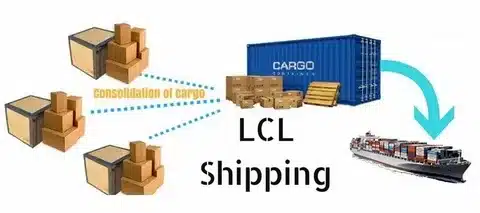
Illustration of LCL shipping with multiple smaller shipments consolidated into one container for ocean freight.
Uncategorized

LCL Shipping: Definition, Cost, vs FCL & Smart Tips

LCL (Less Than Container Load) shipping enables companies to transport small cargo loads in a cost-efficient way since the business will share the container space with other shippers, usually costing 60 less than FCL for small volumes, but taking 4-6 days more of consolidation and deconsolidation. It is best suited to SMBs with shipment volumes ranging between 2-10 cubic meters per shipment, companies operating e-commerce that require flexibility in their inventory, and companies exploring new markets, although businesses continuously shipping more than 15 cubic meters should consider FCL to provide better unit economics and expedited transit times.

Scroll to Top

GET A QUOTE