
One of the most important procedures of apparel fulfillment is packaging. Do it wrong, and you will be losing out to wrinkle, pollution stains, transit damages, and increased returns rates which will be able to cut into your profits. In the case of DTC brands and vendors on either Amazon or Shopify, it is not only about what will be covered but also about providing a smooth experience between warehouse and doorstep. This guide dissects the way to pick poly bags, boxes, and inserts to secure your clothes, enhance brand image, and reduce the number of such expensive returns.
Why Packaging Matters for Apparel Fulfillment
The packaging used in clothes does not just protect the products when shipping them, but it is also a continuation of your brand story. Guarantees safe delivery of garments with bumps and environmental risks prevention. Enhances brand perception and presentation making a delivery a memorable and unboxing that can lead to social shares. Stops moisture, dust and dirt that may destroy fabrics before they are transmitted to the customer. Eliminates returns due to inadequate packaging such as wrinkled arrivals or scratched prints. Facilitates branding/unboxing experience and tailored touches that enable the buyer to feel appreciated.
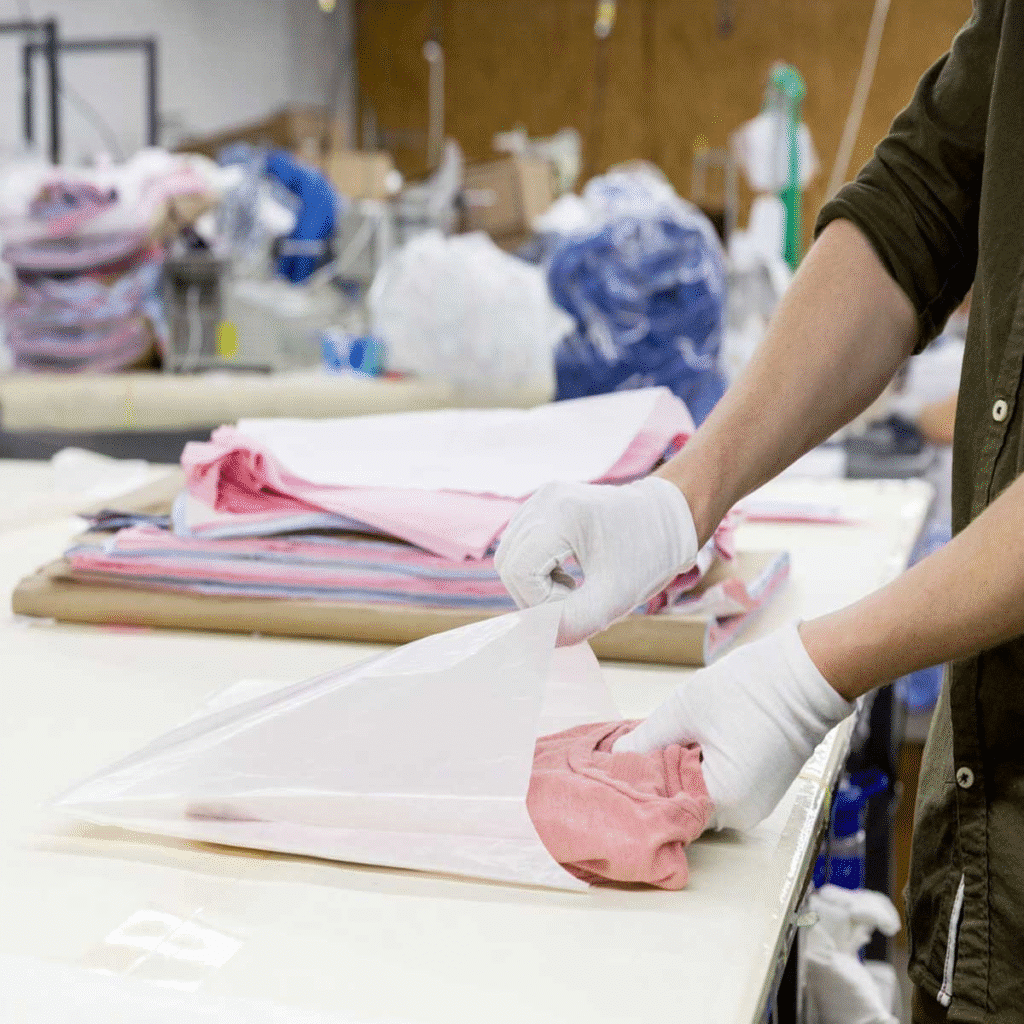
Apparel brands have packaging as a part of product experience. Cheat here and even good clothes are of an inexpensive nature. We have assisted many DTC clients at BM Supply Chain to optimize their setups with a reduction in the return rates of 15-20 per cent. by making wiser decisions.
Poly Bags for Apparel Fulfillment
The most popular method of shipping most pieces of clothing is poly bags; they are cheap, lightweight, and versatile. However, to not place themselves into typical traps, one must take special care about the choice of the right ones.
A. Choose the Right Poly Bag Size
Adjust it to the right size: Bag should not be tight or loose in order to avoid slipping and compressing. Before sealing, excess air is to be forced out, to fit snugly. Fit Correct fit will avoid wrinkles, particularly when dealing with foldable garments such as tees or leggings. To have a medium shirt, one would want a bag that is an 10×13 inch; oversize bags will result in piling up during transit.
B. Use Self-Sealing Poly Bags
Go with reliability: Good sealing strip provides easy ease in closing it without a tape. Tamper resistant closure provides extra security in high value shipments. These properties ensure contents are safe by sorting and delivering them, as well as minimizing chances of tampering.
C. Anti-Moisture and Anti-Dust Protection
Guard against things: Waterproof is a necessity in wet routes or global transportation. Dust covers against factory dirt. Certain fabrics such as synthetics are packed in static-free bags to avoid cling and damage. In our case, the incorporation of silica packets in humid prone spots reduces the number of returns caused by moisture considerably.
D. Required Labels on Poly Bags
Not to be forgotten: Compliance: Size label to be identified quickly. SKU barcode to be scanned efficiently. Cautionary label (regarding suffocation regulations) to comply with the law. In the case of Amazon sellers, poly bags larger than 5 inches must have suffocation warning placed on them- such as a warning that it says Keep away of children. Failure to do this may result in FBA rejection.
When to Use Boxes for Apparel Shipping
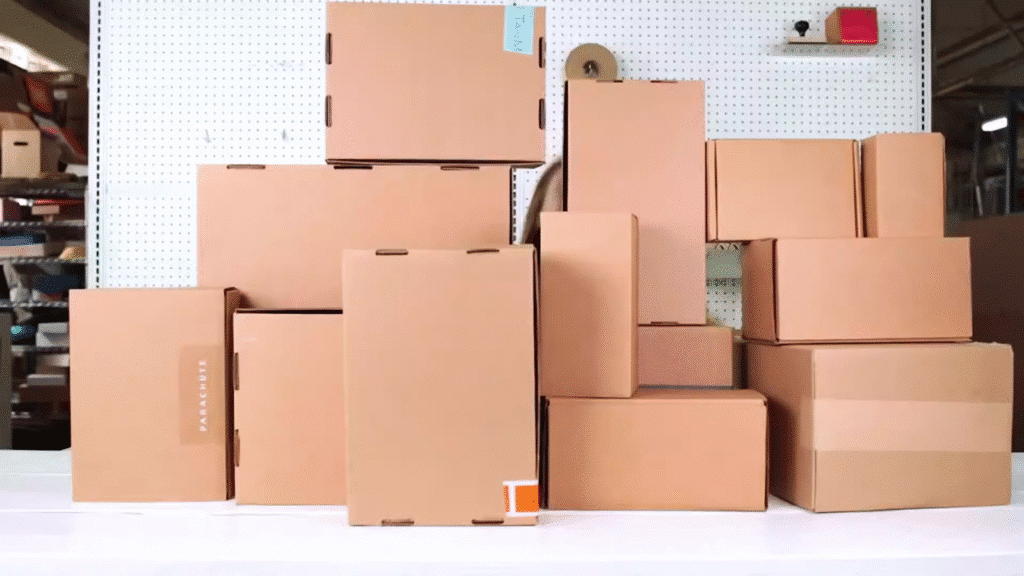
Poly bags are best used with lightweight products but boxes are used in packing bulkier or high quality clothing. They are the best where additional security is a must.
A. Use Boxes for Heavy or Structured Apparel
Match to garment: Save when it comes to jackets, hoodies, coats, and things that require support to keep their shape, such as denim. They are heavier and may be deformed in soft mailers.
B. Provide Extra Protection for Premium Apparel
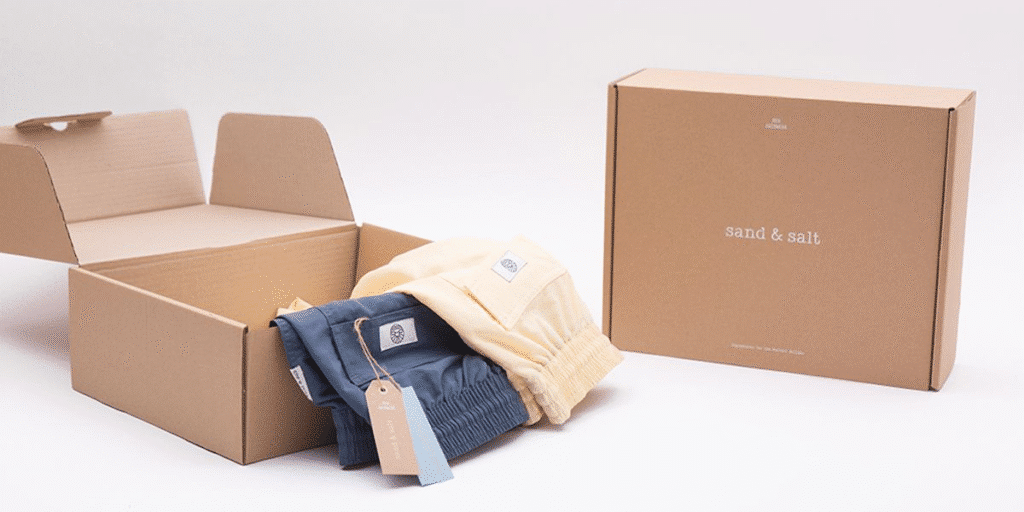
Uplift to luxury: Branded designs in luxury packaging. Rigid boxes for fragility. Added cushions such as foam inserts to cushion hits. It can be used to increase the high-end blouses sold by DTC brands because they can get better reviews with it.
C. Prevent Garment Crushing
Avoid squash: Do not use thin mailers with some type of cloth that easily creases. Box support is required to make structured items come flat and ready-to-wear so that they do not receive the arrived damaged complaints.
D. Eco-Friendly Box Options
Go green: Everyday recyclable kraft boxes. FSC-certified papers to attract environmentalists. We would suggest them to brands that want to emphasize a sustainability effort that does not compromise durability at BM Supply Chain.
Packaging Inserts for Brand Experience & Protection
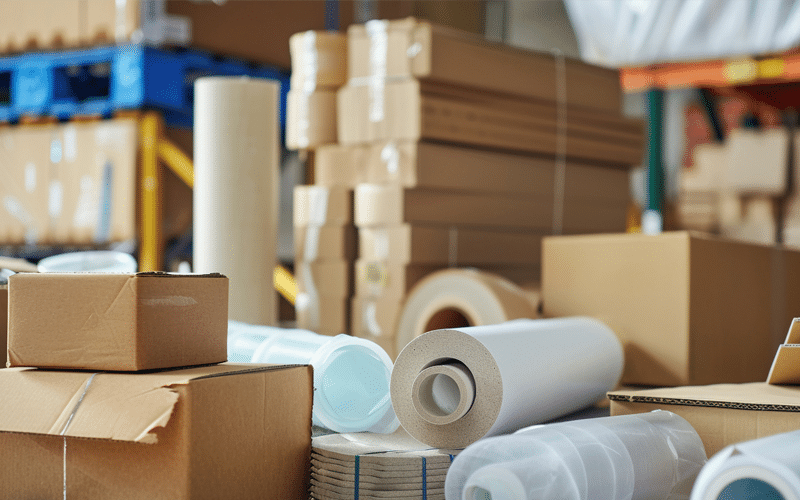
Inserts: inserts protect the packaging, provide personalization, and make generic packaging into a branded delight. The latter are tiny details that have huge effects.
A. Protective Inserts
Safety measures: Tissue paper to cover, absorb shock. Collar stiffeners or hem stiffeners made of cardboard. Embellishment mesh sleeves. These keep wrinkles, friction damage and print cracking away – essential to printed tees or suspected tops.
B. Branding Inserts
Connection building: Appreciation cards. Share your ethos by carding your brand. Such promotions as coupons are seasonal. Discount cards in the case of collaborations. Inserts can be used to enhance the perceived value of apparel products, which would generate loyalty and shares.
C. Care Instruction Cards
Train buyers: How to keep hosiery run-free. Washing tips in active wear. Dainty cloth directions such as hand-wash. These lower misuse-related returns, which demonstrates your competence and Apparel Fulfillment.
Selecting Packaging Based on Fabric Type
There is no universal size, the packaging should match the type of garment to avoid damage. Select options based on fabric characteristics.
In the case of cotton: Light polybags with light inserts, it is tough but easily wrinkled, add tissue to take extra care.
Knitwear: Should be folded softly with tissue paper, to avoid stretching; use bigger bags in order to avoid pulls.
Silk: Requires additional security + lining sleeves to prevent snags; use with poly bags that are non-static and hard boxes to have the best lines.
Activewear: Use waterproof bags to deal with sweat-wicking materials; add washing instructions on the card.
Jackets: Use stiff boxes to give structure to bulky coats, such as parkas, to retain the loft.
We have already tailored them to clients at BM Supply Chain, by line (athleisure or formalwear), and transit success rates have increased.
Packaging Mistakes to Avoid
Even professionals make mistakes: Here are the pitfalls of DTC that should be avoided: Overuse of poly bags of large sizes leads to movement and tears. Delicate items will be under-packed, which causes damage. Moisture protection is not encouraged by the moisture protection. The wrong positioning of barcodes decreases fulfillment. Permanent creases spikes are back with poor folding.
Checklists are the way to solve them; pre-pack audits are particularly useful to Shopify sellers to ensure that the problem is detected early.
Eco-Friendly Packaging Options for Apparel
Sustainability is a sale: Biodegradable polybags decompose. Lightweight mailers can be recycled. Eco-lines stackable bags made of compostable material. Reusable product wrappings such as cocoons using fabric to the loyal customers.
These can demonstrate the sustainability commitment by the brands, and this fits the consumer trends. We incorporate them into value-added services at BM Supply Chain as they enable our clients to lower the environmental impact and save money.
Final Thoughts
Apparel packaging does not just serve a protection purpose, but it is also one of the pillars in the customer experience. Poly bags + protective materials + brand inserts are the most effective combinations to cover all the areas. Through wise decisions, you will be able to reduce returns, increase satisfaction, and generate repeat business.
The companies with the most effective apparel packaging create more loyal customers and minimize issues connected with the shipping. At BM Supply Chain, we provide tailor-made services, such as sourcing of green materials, assembly, labeling and easy API integrations of your Shopify/Amazon business. We can customize one to fit your brand.