
Engaging Introduction
Ever asked yourself who pays insurance overseas shipping? When goods are moved across the borders knowing who will be paying who and who will be taking the risk at which stage may be the difference between a successful movement and an expensive conflict. Enter CIP Incoterms – the abbreviation of cip carriage and insurance, Carriage and Insurance Paid To is a world-known trade term, the meaning of which contains a clear definition of all these duties.
CIP is among eleven Incoterms adopted by the International Chamber of Commerce which are aimed at removing misunderstandings in international trade contracts. CIP delivery terms should be mastered by the importers, exporters as well as freight forwarders. It does not only specify who pays the transport and cargo insurance, but equally the decisive point at which the risk shifts between the seller and the buyer. You can use CIP to safeguard your interests and simplify your operations whether you are sourcing the products of manufacturers abroad or having the complex supply chains.
What Is CIP? (Definition & Core Concept)
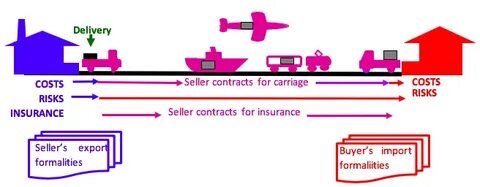
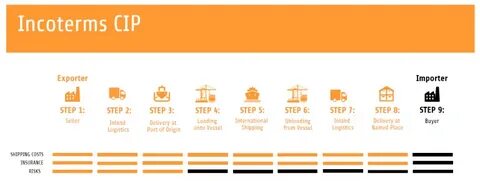
Carriage and Insurance Paid To Carriage and Insurance Paid To is used to refer to a delivery contract where the seller has to, and does pay, to have the goods transported to a specified location, and to get some form of minimum insurance on the goods, in transit. The terminology moderately blames the seller but provides buyers with some protection in the form of obligatory insurance, which addresses risk transfers .
The main peculiarities of CIP are transport arranged by the seller, insured by the seller (at least 110% of the contract value according to the Institute Cargo Clauses A or other similar ones), and defined risks transfer points. The passing of costs and risk element, and sometimes additional insurance, is done in different places, unlike with some other Incoterms, which is one of the key differences that might perplex a novice user.
CIP is applicable to all types of transportation such as multi-modal shipments. This flexibility has enabled it to be particularly useful with containerized cargo that is transported by truck, rail, sea and air in one trip. Regardless of the mode of transport used in the transportation of your goods; be it by ocean freight, air cargo, or a combination of both, CIP can fit the transport setup.

Seller’s Obligations Under CIP
On CIP terms, the seller has great responsibilities to deliver goods to agreed destination. First, they will have to arrange and pay carriage to the place of destination named, for which the seller is responsible . This involves making of transport arrangements, the processing of export customs clearance, and paying all the fees and charges within the home country.
The seller should also be in a position to cover the buyer through insurance cover which would cover at least 110% of the value of the contract. This insurance will have to comply with Institute Cargo Clauses A standard or its equivalent, covering both costs and insurance and this will have all-risk cover under Incoterms 2020. Seller transfers the goods into the custody of the first carrier at the agreed point and finishes the exportation formalities and supplies the buyer with the required documents such as the insurance policy, transportation documents and the commercial invoice.
Notably, the risk termination of the seller takes place when the first carrier obtains the goods. Nevertheless, they pay their costs to the destination point. This aspect of risk and cost separation is a key feature of CIP that must be noted in the negotiation of contracts.

Buyer’s Obligations Under CIP
The buyer now starts playing the main role where the responsibility of the seller stops at the point when goods are delivered to the first carrier. Since then, all the risks of the loss or damage are transferred to the buyer, though the seller maintains the payment of transportation. This may sound paradoxical, but it is the basis of the CIP functioning.
Buyers have to do the import custom clearance, bear all customs and import taxes, and any onward transport which is not at the name point of destination. They have the duty of unloading the destination costs unless otherwise. Another step that the buyer should take seriously is to take the insurance policy issued by the seller and read it carefully because once they get it they are the beneficiaries and need to present any claims in case goods are damaged during transit.
At the point where the goods are given to the first carrier, at the place of shipment, risk transfer takes place. It is important to know this time. Although the seller has paid the full journey under the incoterm carriage and insurance , in case of any damage, the buyer has to claim insurance instead of suing the seller (unless the damage was caused by the negligence of the seller before delivery).

When (and Why) to Use CIP
There are a number of situations where CIP is best. It is especially effective in multi-modal transport in which goods are transferred through several carriers, e.g. ocean and rail or truck shipment. CIP provides a great compromise when buyers are interested in the security of the insurance, as cip requires specific obligations from the seller. but the sellers have to deal with transportation.
This term is useful in cases where the sellers are better able to manage the freight process which can be achieved because they are in a position to have better freight rates or they may have a better understanding of the shipping process. It particularly helps in shipping to buyers of a country where the import process is complicated; the seller does export work and the buyer does import work. CIP also applies adequately in cases where the products to be shipped need specialized care during the transportation process and the experience of the seller guarantees the right care.
However, CIP has limitations. Compulsory insurance, though insurance costs are a burden to the sellers, which in most cases is transferred to buyers in form of high prices of the product. CIP may be limiting to buyers who have preferred carriers or have superior freight rates. Moreover, negotiation is complicated in case buyers require a particular insurance cover than the minimum one. Companies that export low-value and low-risk goods may be able to get simpler terms, such as CPT, which may prove to be less expensive.
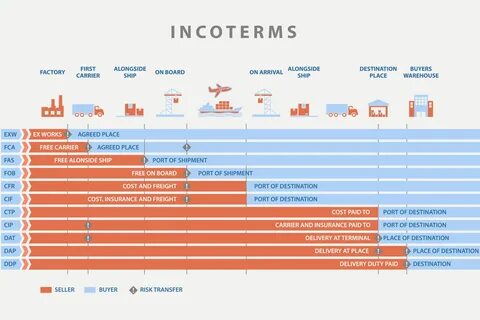
The most typical one is between CIP and CIF. Although they both depend on the seller-paid insurance, CIF is only applicable to sea and inland waterway transport, whereas CIP is applicable to all ways of transport. According to the Incoterms 2020, CIF will only demand Clause C (minimum coverage) but not CIP that will demand Institute Cargo Clause A coverage (comprehensive). The point of risk transfer is also a little bit different: CIF transfers the risk to a point when goods have passed the rail of the ship, and CIP transfers the risk when they are loaded to the first carrier.
CIP vs CPT points out the difference in insurance. CPT (Carriage Paid To) has the same cost and risk dispensation as CIP, but does not necessitate insurance on the part of the seller. CPT saves money in case buyers are self-insured or insured, which contrasts with the freight and insurance costs associated with CIP . This however creates a loophole in that there is no statement that can be made by either party on coverage creating points of disagreement.
There is a fundamental change in risk transfer between CIP vs DAP. In DAP (Delivered at Place), the seller assumes risk until the delivery of goods to named destination, which is unloaded. This provides greater coverage to buyers but it is generally more expensive. CIP is riskier, but also sellers must provide transport and insurance, which provides a moderate solution to a wide variety of transactions.
Pros & Cons of CIP Incoterms
Advantages of CIP are that there is a clear division of responsibility, and this makes international transactions less ambiguous. The mandatory insurance will offer a needed coverage at the most critical stage transit. The flexibility of CIP in routing complexity is provided by its applicability to any mode of transport. It can be to the advantage of both the seller and buyer because the seller can utilize their logistics connections to get better rates. The name also makes the buyer roles easy when shipping goods to their premises, where they can concentrate on importation processes and distribution.
There are also disadvantages such as higher costs of transport and insurance by the sellers and this will be transferred to the buyers in the form of high prices of the products. The difference between transferring risk and sharing of costs may be confusing to novice traders, highlighting the importance of risk management, which may cause conflicts. In case of damages in the goods once handed over to the carrier, buyers have to go through the insurance claims that may be complicated and time consuming. Customers lose the ability to control the choice of carriers and routes, which may not be in line with their tastes and existing logistics alliances.
The management of these risks ought to include specifying the named destination point clearly by the both parties in contracts, checking the insurance covers are as expected, and also setting up procedures to deal with claims. Granting of reputable carriers and extensive documentation should be selected by sellers. Customers are expected to review insurance policies when they receive them and learn the procedure of making claims before matters deteriorate.
Practical Tips & Best Practices
In CIP terms negotiations, be very clear about the place of destination named in the contract, vague descriptions regarding the final destination will be challenged. Add the full address or terminal till which the seller has paid his duty. Check insurance information: check the type of cover, insurance value, risks covered, and the claims process. Ask to be awarded the insurance policy document prior to the shipment.
Keep detailed records during the deal. The sellers are expected to save evidence of delivery of goods to carriers, export forms, and insurance statements. To avoid the demurrage fees, buyers should have import documents prepared in advance when goods arrive. Both parties can enjoy the standardized commercial invoices and packing lists that obviously mention the CIP agreement, including details regarding the buyer appointed party .
Some traps to avoid are the assumption that the seller has taken all risk during transit, risks in transit are not transferred to the ultimate destination – at hand over the risks are transferred to the carrier of the first shipment. The other error is the failure to confirm insurance sufficiency while transporting goods ; although CIP has minimum cover, the main point is that the buyer who has to move goods with high value has to negotiate extra coverage. Forget who takes care of unloading on delivery because under normal CIP terms, it is the responsibility of the buyer.
Communication is essential. The sellers need to inform buyers that goods are delivered to carriers in time for shipping . Buyers are to ensure that they are prepared to take care of import procedures. In cases where misfortunes occur while in transit, real time communication between the parties and the insurance company can help to avert minor losses into huge losses.
Examples / Illustrative Scenarios
Take an example of a Chinese electronic company, which sells smart phones to a Philippine retailer at $50,000 under CIP Manila. The seller plans ocean freight of Shenzhen to Manila port into 2,000 dollars and insures it into 550 dollars (110 percent coverage at 1 percent of 55,000 value insured). Total delivered cost: $52,550.
The seller reservates a container, loads the smartphones, does the Chinese export customs paperwork and delivers the sealed container to the ocean carrier at Shenzhen port. At this point- when the carrier signs the bill of lading risk passes on the buyer despite goods remaining in China. The seller provides the buyer with the bill of lading, the insurance policy, and the commercial invoice cip incoterm.
There are some water damages and rough seas met by the container during the voyage. The buyer needs to claim on insurances since risk was transferred when the goods were delivered to the carrier, they cannot insist on the seller to re-deliver goods. Nevertheless, due to the fact that the seller bought full coverage insurance parties involved
, the loss should be compensated. Concurrently, the buyer clears duties and taxes in Manila (about $7,500) and contracts a truck (200) to pick goods at the port to their warehouse. Buyers total costs: purchase price plus other fees that might apply during the unloading of the product: $7,700.
Frequently Asked Questions (FAQ)
Is unloading at the destination covered by CIP? No, standard CIP conditions mean that the buyer will deal with and bear unloading at the designated destination. Nevertheless, this can be altered by parties using certain language of contract insure goods.
Is the minimum insurance enough amount required by a buyer? Yes, customers can bargain on better insurance cover than the 110% Institute Cargo Clauses A standard required which will raise the costs incurred by the sellers and most likely the price of the products all risk insurance coverage.
Who is the one to pay the import customs clearance? Under CIP arrangement, all import customs arrangements, duties, and taxes are carried out and paid by the buyer.
What can be done in case goods may be spoiled before they get to the first carrier? When the damage is done prior to the delivery of the same to the carrier the seller is liable and will be liable to give the replacement or compensation since risk is not yet transferred.
Is CIP applicable to airfreight? Absolutely. CIP is also applicable to all the modes of transport such as air cargo, which involves carriage responsibilities. and this renders it very useful in time sensitive deliveries freight costs.
Who determines the carrier under CIP? The buyer does not choose the carrier or route, but he may negotiate during the contract to approve or propose carriers agreed upon location.
Conclusion
CIP delivery terms are a moderate form of international trade which is clear in price, risk, and insurance besides catering to any mode of transport. CIP puts buyers in the safe position that sellers must handle the transportation and offer an all-inclusive insurance cover at a reasonable location when buyers are under the severe risk of loss as their goods are being shipped. It is especially useful in terms of multi-modal deliveries, in order to make the sale of a product by sellers whose logistics are competent, in cases where insuring the purchase is necessary. Nonetheless, the effectiveness of CIP relies on the awareness of the risk transfer point, keeping a clear record, and ensuring the sufficiency of the insurance. It doesn’t matter whether you are importing goods, or you are handling international sales, understanding CIP may simplify your business, and even safeguard your interests. When you have complex supply chain requirements or when you need to inquire regarding the implementation of CIP in your particular case, you may consult with seasoned logistics experts that would help you to navigate the intricacies of the international trade terms.