
Introduction
Millions of packages are transported across national borders every day, and only those that are well prepared manage to sail through the customs clearance process without any delays. Be it is a business importing goods from foreign manufacturers or a person receiving an international purchase, customs clearance may be the difference between getting your shipment in time and spending weeks in delays and hidden charges.

Customs clearance influences the delivery time, cost, and customer satisfaction. Although global e-commerce is still on the overall upswing, understanding how to maneuver through customs regulations and processes is now a mandatory requirement of anybody dealing with international shipping.
This full-fledged guide will educate you on all the aspects of customs clearance: the meaning of customs clearance, how it works, the delays that most of the time happen as well as the ways to prevent them, and also the tips and tricks to use so that your packages are always cleared through customs easily.
What Shipping Services Are Available
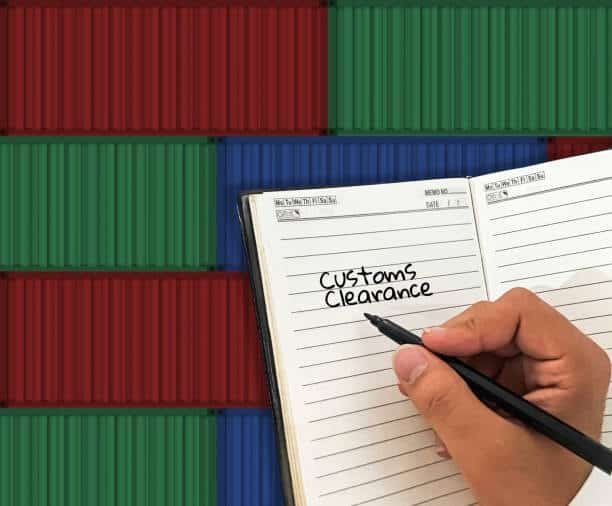
Domestic vs International Shipping Options
Domestic Shipping is a business that is on the borders of one country and does not involve any customs clearance services. The most common ones are the ground, express, and overnight delivery that have a definite schedule.
International Shipping requires the participation of multiple nations and customs departments. Key service types include:
- Standard International: 7-21 business days and essential tracking.
- Express International: 1-5 business days, priority customs clearance.
- International Freight: Large shipments of more than 150 lbs.
- E-commerce Solutions: Online retailer special services.
Core International Services
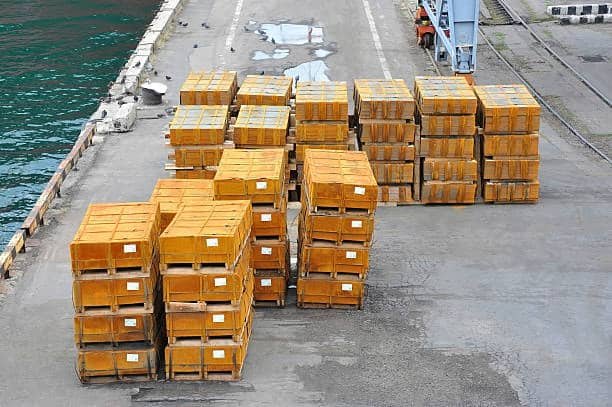
Express services are provided in the form of faster customs clearance through the provision of specific lanes. Such services usually cover tasks such as customs brokerage, which means cutting down the days to hours in clearance.
Standard services are served at standard customs check-ins, but they are much cheaper. Allow additional time to take up the possible delays during the peak seasons.
Freight Services deals with big business orders and has its own team of custom brokers that deal with complicated paperwork and legal registration.
Additional Customs-Related Services

- Customs Brokerage: Customs documentation done by professionals.
- Calculation of Duty and Tax: Pre-estimates of the customs charges.
- Limited Item Inspection: Checking of forbidden items.
- Preparation of documentation: Commercial invoices and declarations.
How Shipping Works in Practice
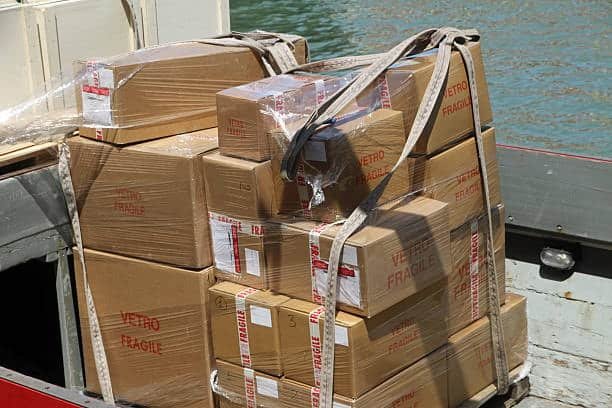
Step-by-Step International Shipping Process
1. Package Preparation
- Decent product description and value declaration.
- Proper packaging to avoid vandalism during termination inspection.
- Documents (commercial invoice, packing list, certificates) that are required.
2. Customs Declaration
- Full CN22 or CN23 postal service forms.
- Courier service commercial invoice.
- Proper product classification in HS codes.
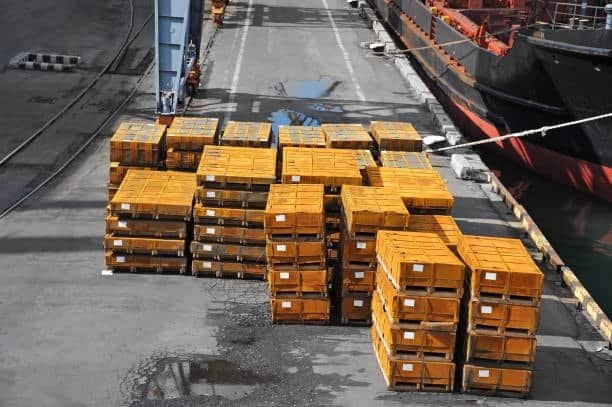
3. Export Customs Clearance and paying customs duties.
- Scanned and cleared in the starting country.
- Prohibited item security screening.
- Checking of exports.
4. International Transit involves understanding customs formalities.
- The package is transported either by air, sea, or land.
- Monitoring of the progress during international transportation.
- To the country of destination, the postal/courier service.
5. Import Customs Clearance
- The package and documentation are examined by the customs authority.
- Evaluation of tasks and levies.
- Physical inspection (where necessary)
- Notification of release sent to the recipient.
Understanding Tracking During Customs
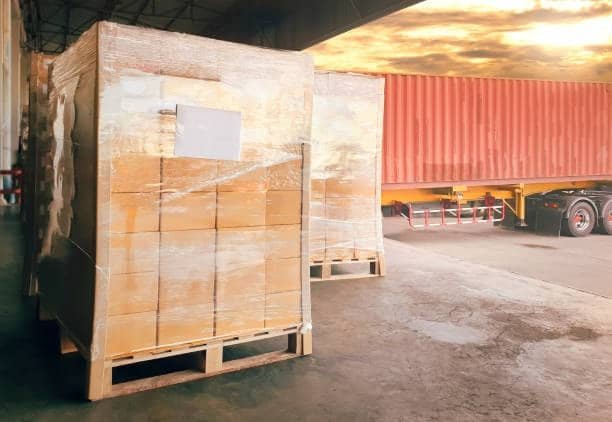
In Transit to Destination generally refers to your package being flown overseas, but is not yet at customs.
The word Processed Through Facility at one of the international hubs normally shows that there is starting of customs processing.
Inbound into customs includes, clearance of your package has been received by the customs authorities.
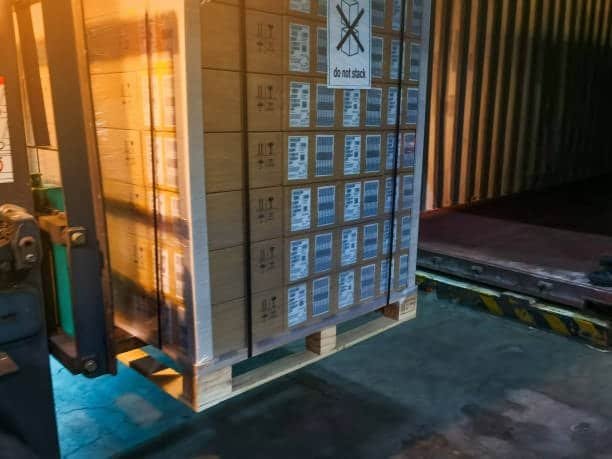
Cleared from Customs is the status you want to see- your package has passed through customs and has gone to final delivery.
Held in customs needs to be acted upon, where extra paperwork is needed or payment of duties/taxes.
Rates, Delivery Times & Cost Factors
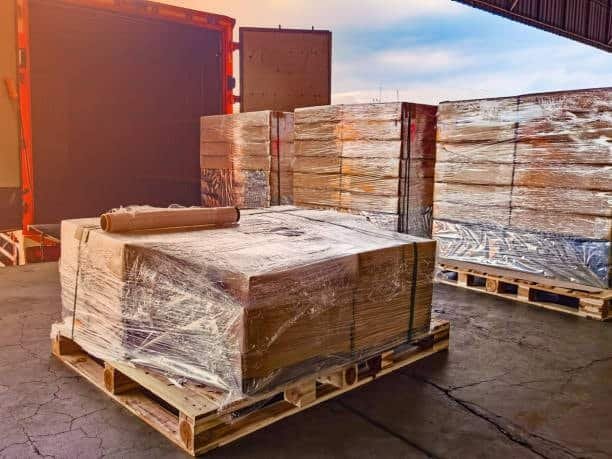
What Determines International Shipping Costs
Distance and Destination Zone: Countries are categorised into zones comprised of various rate structures. Zone 1 (neighbouring countries) is cheaper than Zone 8 (distant locations).
Weight and Dimensions: The dimensional weight is employed in international shipping. A big, heavy package can be as expensive as a small, lightweight package.
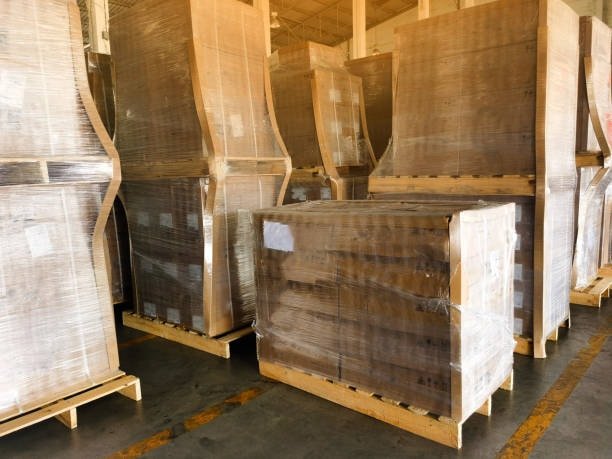
Service Level: Express services that have expedited customs clearance charges 2-5x over the usual ones but also require paying customs duties, and take 3-10 days to be delivered.
Customs Value: More expensive products can provoke the incurring of additional processing costs, and they tend to be physically inspected.
Delivery Time Expectations by Service Level
Express International (1-3 business days):
- Fast-tracked clearance.
- Dedicated clearance lanes
- Customized monitor and alerts.
- Increased first-time clearance.
Standard International (7-21 business days):
- Frequent customs lines.
- Subject to seasonal delays
- Simply follow the less frequent updates.
- More suspect of needing more documentation.
Economy International (2-8 weeks):
- Last priority in the processing of customs.
- Often processed in batches
- Poor tracking facilities.
- Increased chances of delays at peak times.
Hidden Costs and Surcharges
Fuel Surcharges: It is levied on international deliveries and usually 5-15 per cent of the base rate.
Remote Area Surcharges: Extra charges on deliveries to more remote areas.
Customs Clearance Fees: This is a fee that is charged by the carriers to facilitate the process of customs, which is typically 10-50 dollars.
Storage Fees: Charged when packages are held in customs over and above free storage.
International Shipping & Customs
Key Customs Considerations
Duty and Tariffs: Taxes imposed on imports depending on the type of product, the country of origin, and the country of destination trade agreements. The rates are between 0 percent (books in most countries) and 30 percent (luxury goods).
Customs Value Declaration: The customs process needs to reflect the actual item value and not the sale price. Underestimating packages is also unlawful and creates delays in being discovered.
Limited and Banned Goods: All nations have lists of banned goods. The usual limitations are:
- Food and agricultural products.
- Drugs and vitamins.
- Uncertified electronics.
- Products that are beyond the size/weight requirement.
Documentation Requirements

Commercial Invoice: This is necessary on all commercial shipments, and must contain:
- The sender and recipient information.
- Description and quantities of items.
- Unit value and total shipment value.
- HS codes and country of origin.
Packing List: Breakdown of the contents of packages that consist of more than one item.
Certificates: Some products demand certificates of origin, quality certificates, or regulatory certificates.
How to Pack for International Shipment

Original Packaging: Items that are packed in the original packaging of a manufacturer are going to clear customs quicker than those that have been repackaged.
The Visibility of the Product: Do not overpackage the product in such a way that it becomes obscure in the process of X-ray inspection.
Secure and Accessible: Pack in a secure but easily inspected way by customs, just in case the need arises.
Included Documentation: Seal documents into transparent pouches to be put on the exterior of packages.
Avoiding Customs Delays and Extra Fees
Correct Descriptions: Be specific with the product names, not the generic names, to assist the customs officer in the clearance process. “Cotton T-shirt” does better than “clothing” in clearance border protection.
Proper Value Declaration: Declaration of real value, including freight costs paid by shipper.

Proper HS Codes: Classify products using the official harmonized system code. Wrong codes bring about automatic delays.
Know Limits: Be familiar with duty-free limits (800 each in the USA and 22 each in the EU) and remain within limits when you can.
Tools, Apps & Features to Use

Mobile Apps for International Shipping
Carrier apps are real-time and have custom status updates. The majority of major airlines have push notifications, which notify about packages being cleared at customs or needing attention from a customs broker.
Customs duty calculators are used to estimate charges before shipping. Applications such as Duty Calculator and Import Genius are applications that offer rate details on a country-by-country basis.
HS Code Lookup Tools provide an easy way of ensuring the correct classification of products. An official application of the WCO assists in locating up-to-date codes of harmonized systems for customs officers.
Business Management Platforms
ShipStation supports large carriers and helps to create customs forms with autogenerated HS codes.
Shippo provides international shipping APIs that have custom documentation and estimation of duties.
Easyship offers real-time international rates on which taxes and duties are charged beforehand.
Customs Documentation Tools
Commercial Invoice Generators produce correctly formatted customs paperwork that has required fields filled in advance.
Restricted Item Databases look at whether or not products are legal to be shipped to certain destinations international shipping regulations.
CMSs monitor the documents and renewal dates required on regulated products.
Tips to Save Money + Avoid Common Mistakes

Reducing International Shipping Costs
Shipment Consolidation: Pack more than one item in a package. Small packages are costly when it comes to per-item custom fees and customs clearance team.
Select Slower Services: International standard shipping is between 50 and 70 percent cheaper than express. When time is not an issue, plan.
Learn about Duty-Free Limits: Make shipment values lower than duty-free limits to evade taxes and other related processing fees customs brokerage firm.
Proper Packaging: When using right-sized boxes, dimensional weight charges are avoided, which doubles the cost of shipping.
Avoiding Costly Mistakes
Do Not Underestimate Things: Customs authorities possess grand repositories of the value of products. Underestimation brings about checks and fines.
Shipping restrictions: It is prohibited from being shipped. Goods are lost, as well as extra charges, on the items seized.
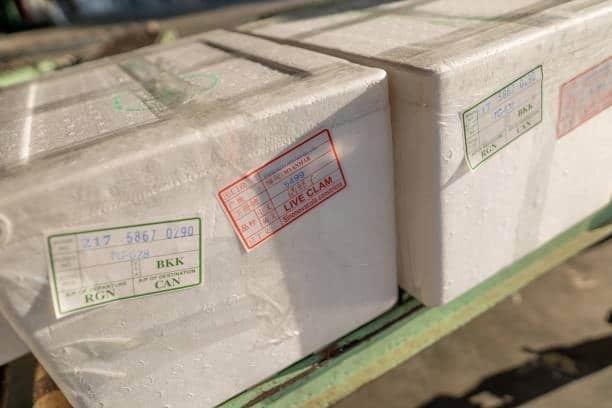
Inclusion of Necessary Documentation: Lack of paperwork automatically results in delay and storage costs.
Utilize Veritable Addresses: International address corrections are costly and very time-consuming.
Leveraging Loyalty Programs and Discounts
Business Accounts on the key carriers are offered at a discounted international fare and priority customer care.
Volume Discounts are used with the shipment of several packages in a month. Small businesses can qualify, even those with customs clearance.
Seasonal Promotions can provide lower international rates in the slack seasons.
Businesses that have international shipments frequently can get lower rates with Third-Party Consolidators.
Real User Scenarios & Case Studies
Case Study 1: E-commerce Business Importing from Asia
Problem: An Internet seller of phone accessories imported into China had a frequent issue with delays in customs, with customer satisfaction regarding customs clearance needed.
Solution Implemented:
- Changed to express international service, including customs brokerage.
- Better descriptions of the products, including technical information.
- Began recording the correct values for all expenses.
- Get appropriate product certifications before delivery.
Results:
- The time of customs clearance decreased to 1-3 days instead of 7-14 days.
- 90% decrease in packages that need further documentation.
- The complaints by customers on late deliveries reduced by 75% percent.
Case Study 2: Individual Receiving High-Value Electronics
Challenge: Consumer placed an order of 2000 laptops in a foreign country, but the package was detained in customs after 3 weeks.
Issues Identified:
- The seller has stated a value of 100 to evade duties.
- There was no documentation of the package.
- The HS code of the electronic category was wrong.
Resolution Process:
- Given evidence of the real purchase price to customs.
- Paid the right duties and taxes (200 total)
- Provided further documentation of the legitimacy of the purchase.
Lessons Learned:
- Ensure that sellers make correct statements.
- Cost of duties/taxes on high-value goods.
- Keep track of the foreign purchases.
Case Study 3: Small Business Shipping Samples Internationally
Challenge: A company that manufactures products and sends samples of the products to clients located all over the world experienced irregular delivery times, delivered duty paid.
Optimization Strategy:
- Produced standard sample packages of less than 2 lbs.
- Produced template documentation of various product categories.
- Developed collaborations with partners in strategic markets as customs brokers.
- Installed tracking notification of follow-up by the sales team.
Outcome:
- Sample delivery was made predictable (5-7 business days)
- 60 percent increase in lead conversion rates.
- A 30 per cent reduction in shipping costs was brought about by efficient packaging, clearing customs.
Customer Support, Returns & Problem Handling
What to Do When Packages Are Held in Customs
Check Tracking Status: See individual custom messages about what is required.
Get Requirements Directly: It is best to contact customs authorities directly and not use carrier information, but get requirements directly.
Provide Documentation: The purchase receipts, product specifications, or regulatory certifications are some of the common requirements.
Pay before release: Duties, taxes, and processing fees will be required.
Timeframes: The majority of customs possess packages for 30-45 days before sending back or destroying packages.
Handling Damaged or Lost International Packages
File Claims early: international insurance claims are shorter in time as compared to domestic (usually 30-60 days).
Give Full Documentation: be it customs forms, receipts, photos of damage, and tracking records.
Know the Coverage Limits: International shipping is usually covered less than domestic shipping and has a tendency not to cover some types of products.
The package was lost in customs. Initiating a claim with the postal service of the sending country might be necessary.
International Returns Process
Know the Return Restrictions: Return restrictions are imposed in many countries on the returns of some types of products or special documentation is required.
Clear Return Customs Arrangement: The Original sender might be required to be treated as the importer of the returned goods.
Budget Return Costs: The international returns are more expensive than the original shipping because of the duties and processing costs.
Use Authorized Return Centers: There are certain carriers that have international return centers that make it easier.
Finding Support for International Shipping Issues
Carrier Customer Service: All large carriers have special international assistance teams with customs knowledge.
Customs Brokers: Professional services that clear complicated dilemmas at a fee.
Trade Associations: Associations such as the National Customs Brokers and Forwarders Association have resources and referrals.
Government Resources: The majority of countries provide business advice on international trade, which is delivered by commerce departments.
Pros and Cons
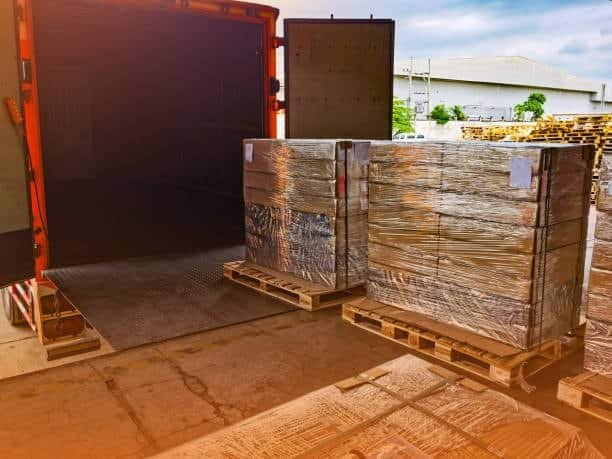
What Works Well in International Shipping
Deliver Consistency: The premium services, where the processing of the goods is fast, offer consistency in the delivery time and the proactive care of the problems.
Carrier Integration Makes It Easy: Large shipping firms do the majority of the customs forms automatically, and this minimises errors.
Tracking Transparency: Real-time updates allow for controlling customer expectations and detecting problems at an early stage.
Professional Customs Brokerage: Professional brokers are used to working through complicated rules and resolving clearance problems in a short time.
Common Challenges to Watch For
Seasonal Delays Seasonal peaks (November-January, Chinese New Year) may increase normal clearance times threefold.
Altering the Regulations: Trade regulations, duty rates, and item lists are subject to constant change.
Limited Weekend Processing: The majority of the customs facilities are located on Monday- Friday, and clearance times are extended to accommodate Friday arrivals.
Expensive Per Package: There are fixed customs charges, and therefore, small international shipments cost a lot per package.
Complexity of documentation: The various countries may demand various formats and information in forms of documentation.
Language Barriers: All destinations may not have customs forms and requirements in English.
Conclusion
The customs clearance is another thing that should be understood to make international shipping profitable. The “cleared by customs” status is the effective culmination of a complicated process of events that involves paperwork, inspections, and payment of fees. The delays and extra expenses can be reduced by adhering to the relevant procedures, i.e., proper value declarations, proper documentation, and proper packaging, as well as the proper product classifications.
Important lessons to ensure seamless customs clearance: Fully disclose the true value and full documentation of the goods/products. Research destination country restrictions before shipping. Allot budgets for duties, taxes, and processing fees. Apply service levels to suit your own timeline. Maintain business shipment and high-value item records.
Whether you are a business receiving regular imports of goods or a person receiving less frequent international deliveries, time spent in learning customs processes will pay off in terms of faster goods delivery, cheaper costs, and less frustration.
International shipping? You are ready? Begin by looking into the customs requirements of your destination country, estimating the possible duties and taxes, and selecting a level of service that fits your schedule. With the right kind of preparation, you will see your packages displaying the desirable “cleared by the customs” tag and arrive at their destination promptly.