

Engaging Introduction: The Hidden Complexity Behind Global Trade
An average of 1,440 shipping containers come into the ports across the globe after every 60 minutes accommodating anything between electronics and furniture, raw materials and finished products. But even though container shipping transports 90 percent of the global cargo, it is still unknown to first-time shippers. Do you have ideas of exporting goods to foreign countries but are overwhelmed by the process, documentation and the pitfalls? You’re not alone. The following is a step-by-step manual to help you understand the entire process of container shipping internationally and the intricacies of transporting goods overseas. , the actual process, its cost, and how to prevent expensive errors that can happen even to the most seasoned shippers.
Why Container Shipping Matters for Your Business
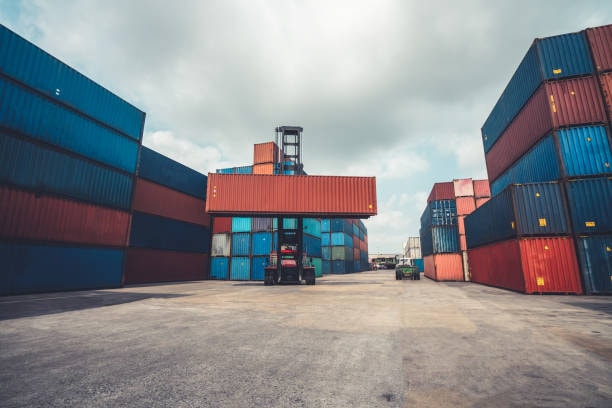
Container shipping forms the core of global trade, linking manufacturers, retailers and consumers on the global scale. A global trade without this essential infrastructure would come to a halt. It is not just a scholarly study to know how this system operates, but it is also common sense that would save you thousands of dollars and headaches.
Who Relies on Container Shipping?
Container shipping is beautiful because it is versatile. It is used by small e-commerce firms which distribute their first bulk order supplied by international companies. It is relied on by the established manufacturers who transport raw materials to various continents. Even the people who are moving overseas have faith that it can transport their household goods safely. that it can transport their household goods safely. Container shipping is scaled to your requirements whether you are importing 1,000 units of product or you are exporting machinery worth hundreds of thousands of dollars.

The Core Advantages That Drive Global Trade
The most important advantage of ocean freight is its cost-effectiveness. Sea freight is a fraction of the air freight cost- in some cases, just a tenth of the cost of air freight. This is because this economy of scale enables businesses to offer competitive prices without compromising on the profit margins. Other than the cost, container shipping is extremely reliable, with pre-established routes, schedules, and elaborate tracking devices that keep you informed during the shipping.
Dispelling Common Misconceptions
Most first time shippers believe that container shipping is a matter of just paying and loading – give your stuff and see it on the other end. The fact is that it entails several touchpoints, different stakeholders, and plenty of documentation and thorough coordination. The next myth is that the myth is that you have to fill up a full container load to ship overseas. Indeed, less-than-container-load (LCL) services enable smaller companies to share the space in containers and therefore international shipping becomes affordable even with relatively low amounts of shipments.

Export Haulage: The Journey Begins at Your Door
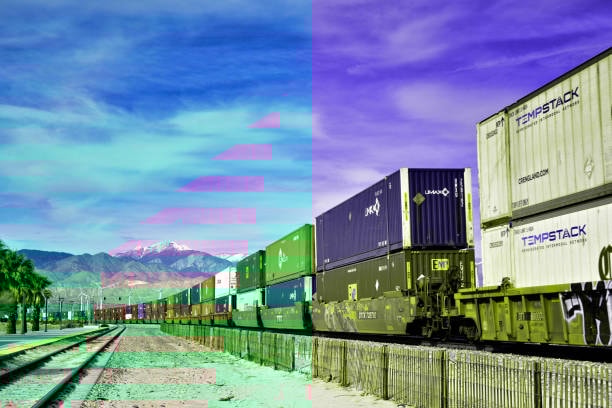
Your goods will have to move out of your place before they are loaded on a container ship to the departure point. This first leg is known as export haulage and inland transport for your shipping containers. , which includes the coordination of pick-up, transportation and delivery to either a container freight station (CFS) or directly to the port terminal. This service is usually organized by the freight forwarders, but you can also contract the trucking companies on your own. The approximate time is 1-3 days within a country, but it depends on the time distance and logistics. The key pitfall here? Poor packaging of the first leg may destroy the goods before they even reach ocean- make sure goods are properly palletized and secured at the very first day.
Export Customs: Navigating Regulatory Compliance
After reaching the port area with your goods, they must be cleared through export customs, which is an important entry point that, depending on the clearance, your shipment will either be proceeded or will remain at the port. Customs agent or freight forwarder files declarations which include rich information on your cargo: description, value, weight, destination, and harmonized system (HS) which classify your products and may also include other cargo . Depending on your goods, you might be required to take export licenses, certificates of origin, phytosanitary certificates or other specialized certificates. The processing will be 1-2 days normally in case of simple shipments, and in case of complex goods or missing documents, it may take weeks. The most common mistake? Improper or unfinished documentation- triple check everything before submitting.
Container Loading: Precision and Protection Matter
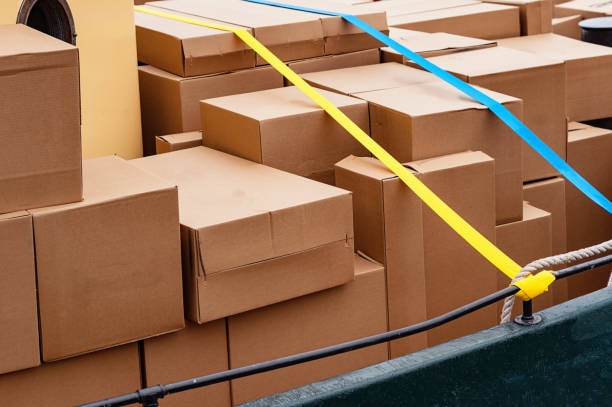
Once the customs have been cleared, then the next stage will be loading. When loading full container loads (FCL) your shipment is loaded into a special container- at either your location (access to loading docks) or at a container yard. The professional packers exploit the space fully and take care of the weight distribution and the safety of the cargo to avoid its movement during the trip. In less-than-container-load (LCL) shipments, your cargo is loaded into containers with the freight of other shippers at a container freight terminal. Checks are made to ensure that goods are checked against documentation and all photographed to keep records. The stage can be finished in several hours, or 2-3 days based on quantity and in case it needs to be consolidated. Always take good precautions with securing, loose cargo can move around during transit and hence the damage may be irrecoverable.
Ocean Freight: The Main Voyage Across the Seas
Here is where your ship sets out on her transoceanic passage on huge transport ships. Transit times vary widely depending on the route and the fastest method availabl : Asia to North America is usually 14-30 days long, Asia to Europe is usually 25-35 days long, and shorter routes, such as in Asia, can be done in 7-14 days. At this stage, your container is confronted with the elements, temperature changes, humidity and the perpetual sea movement. Shipping lines impose base ocean freight rates but impose a variety of other surcharges: Bunker adjustment factor (BAF) to reflect the cost of fuel bunkers, currency adjustment factor (CAF) to reflect the changes in exchange rates, peak season surcharges when demand is heavy, and port congestion fees when terminals are overrun. These overcharges may increase your base rate by 20-40 percent and therefore it is always best to ask in writing all inclusive quotes to avoid sticker shock.
Import Customs: The Gateway to Your Destination Country
When your ship is heading toward the destination port the import customs process starts–sometimes before the ship is even docked. Most countries have pre-arrival processing, which means that your cargo is processed on the sea as your customs broker submits the entry documentation. When properly used this system can save a considerable amount of time in clearance on arrival. The import customs officers ensure that your products are in accordance with destination country regulations, determine the duties and taxes payable in accordance with the declared value and the product category, and also impose inspections at a risk-based manner. Normal clearance requires 1-3 days, and agricultural products, foodstuffs, or goods which need special permits might also undergo further scrutiny up to a week or more. The first-time importers, especially those involved in international moves, are often surprised by the import duties and taxes, and they vary between 5-30 percent of the cargos value, depending on the country and the type of products.
Discharge and Port Handling: From Ship to Shore
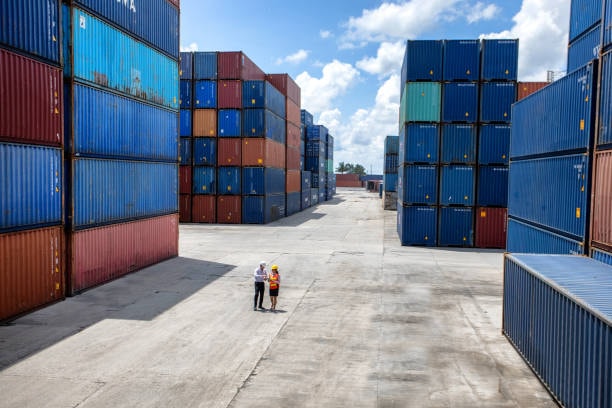
As soon as your ship comes ashore, port operations come to work. Large gantry cranes are used to transfer containers between ship and shore, and place them into specific locations in the terminal. A discharge notice is issued to your container, which initiates the second stage of logistics coordination. In case of a warehouse storage, your container goes to a bonded warehouse, where the delivery method is arranged based on your needs. where it is awaiting customs clearance and distribution. These operations are referred to as port handling charges or terminal handling charges (THC) and cost in the range of 150-400 per container based on the container size and the port. The idea behind demurrage charges is that if a container remains longer than free time at the terminal, the charges begin to accumulate after the end of the free time, typically 3-7 days. This is also where time literally equals money and therefore quick documentations and payment can save unnecessary storage costs.
Import Haulage: The Final Mile to Your Destination

The final step in the journey of your container is to carry it to your warehouse or distribution centre or to your customer. This import haulage or destination delivery involves liaising with the local trucking companies, inland infrastructure navigation, and various urban delivery limitations in some cases. On full containers, you generally pay between 200-600 in drayage fees which will also depend on the distance covered to the port. In case you have shipped LCL, then your products are deconsolidated at a container freight station, followed by delivery through smaller trucks to your end destination. The challenges of the last-mile delivery process are constrained delivery timeframes, urban areas access, and unloading tools such as forklifts. Most of the shipments are delayed in this last stage merely because the receivers are unprepared- verify delivery instructions and make sure they have the capacity to unload.
Understanding FCL vs LCL: Choosing Your Shipping Method
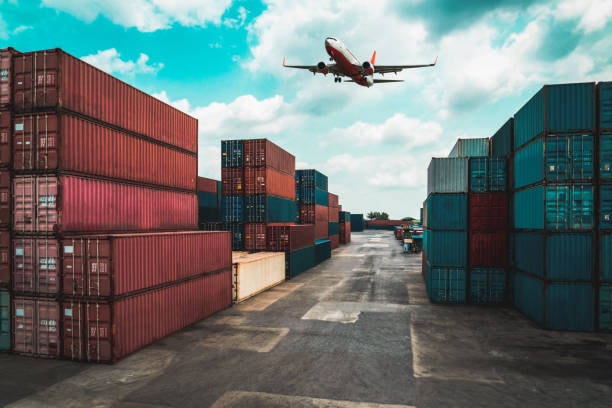
Full Container Load (FCL) implies that you hire out an entire container to carry your cargo., even in those cases when you do not fill the container to the full. This is because this option takes shorter transit times, requires less handling (less risk of damages), and is usually more economical on a unit-basis in large shipments. Less than Container Load (LCL) gives you the ability to share containers with other shippers and only pay by cubic meter or weight. LCL allows the access of smaller volumes to international shipping but ensures further handling both at the origin and destination to facilitate consolidation and deconsolidation. The break-even mark is usually at 15-18 cubic meters- under that, LCL tends to be cheaper; over that, FCL is cheaper even in case the container is not filled international move.

Standard Container Sizes and Specifications
The most popular container is the 20-foot standard, which has a capacity of about 33 cubic meters (1,172 cubic feet) with a maximum payload of about 28,000 kg. The 40-foot typical has a capacity of about 67 cubic meters and the same weight but the 40-foot high cube gives an additional foot and achieves a total of about 76 cubic meters- made to suit the light weight, bulky freight. Special containers have refrigerated units (reefers) when the cargo is temperature sensitive, open tops when the cargo is bulky, and flat racks when the cargo is machine or vehicle equipment single container. In determining the right option to use in your cargo, then you have to determine your volume as well as your weight because at the point at which you reach the limit, it is the one that will count as your effective capacity. Remember container doors are of a certain size, physical fit of your largest item through the opening made in the door is slightly smaller than interior.
Prohibited Items: What You Cannot Ship
Knowledge of shipping limitations helps keep you out of legal trouble, rejection of shipment and loss of money. Materials that are classified as dangerous such as flammable liquids, explosives, corrosives, and toxic materials are highly regulated, although certain ones can be shipped with the right certification and packaging which complies with international dangerous goods codes. Commercial vessels are not allowed to carry weapons, ammunition and explosive devices. Produce that is not packed into refrigerated containers goes bad during long ocean crossings. Illicit drugs, fake products, and merchandise that infringes on intellectual property rights will be impounded, which could make you a subject to prosecution. There are restrictions on living animals (except with special permits and containers), human remains and some agricultural products to prevent the spread of the disease.
Why These Restrictions Exist
These bans ensure the safety of the crew, environmental disasters, treaties of the international organizations, and well-being of people. One incorrectly marked dangerous container may pose a risk to a whole ship and the people on board. Banned agricultural products may bring in destructive pests or diseases to the ecosystems. Floods of counterfeits deter the existence of legitimate business and do not always meet the safety requirements. These rules are provided by maritime law and international conventions and breach of the rules has severe consequences.

Consequences of Non-Compliance
Trying to transport illegal goods or labeling dangerous goods improperly may lead to cargo confiscation and destruction without refund, fines of thousands to hundreds of thousands of dollars, criminal charges in extreme situations how many containers, being blacklisted by shipping lines and forwarders, and being liable to any damages incurred. The cost in terms of revenue and reputation is much greater than the perceived advantage of evading the rules.
Essential Documents: Your Shipping Paper Trail
The Bill of Lading is the contract of carriage, receipt of goods and document of title – the most important paper in your shipment perhaps. It describes the shipment being made, terms of shipping, the shippers, and terms of shipment. The commercial invoice contains all the details of the transactions such as buyer, seller, description of goods and value and payment terms- custom uses this to determine duties. Your packing list is a list of all the cartons, crates, or pallets by weight, size and contents, and assists the customs inspector and warehouse employee to confirm the integrity of the shipments. A certificate of origin states the place of manufacturing of the goods, which is often needed to allow them preferential treatment of duty under trade agreements. Licenses could be export and import depending on the type of products or countries. Power of attorney will enable your customs broker to represent you to government agencies.

When Each Document Is Needed
Draw up commercial invoices and packing lists prior to the departure of goods at your facility- the documents come along with cargo during transit. Export declarations in support of supporting documentation are made by your freight forwarder or custom broker at the origin customs. The Bill of Lading is issued by the carrier when it is loaded own container. A destination customs needs all these documents, usually in advance of the arrival of the vessel, to clear importation. The most common cause of customs delays is missing or improper documentation–give time to review and make corrections prior to shipping.
Tips to Avoid Documentation Delays
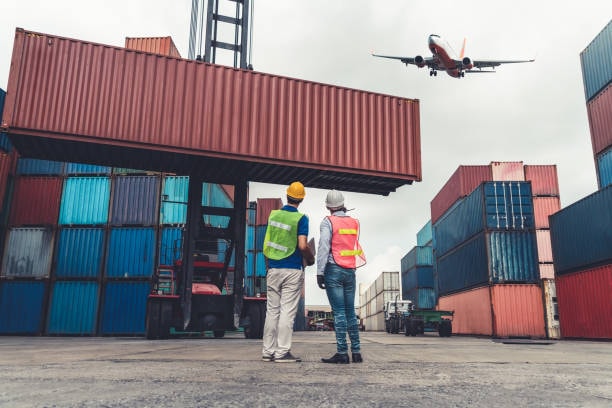
Develop a document checklist, which is particular to your commodity and trade lane, since the requirements differ. Apply the same description throughout the documents- incongruity is a warning with customs. Add full information: generic descriptions such as parts, accessories are open to questioning and time wastage door to door service. Check HS codes, because incorrect classification will result in duty conflicts. Store electronic copies in a convenient place that can be easily referred to in case original boxes get lost. Hire professional customs brokers to handle the work and they know the requirements of a particular country and can identify the problem before it arises competitive shipping rates.
Understanding Cost Components of Container Shipping
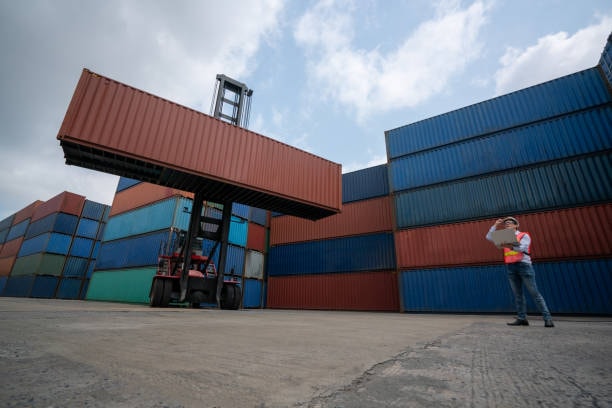
Ocean freight- the fixed price of your container delivery by sea- is only part of what you are spending on shipping. Origin charges contain inland transportation to port, export customs clearance (where it is generally $50-150), documentation costs and container loading/handling costs at the port of origin container overseas. These costs are reflected in destination charges: import custom clearance (100-300), terminal handling fees, shipping container unloading and in-land delivery to the final destination. Insurance is optional but has a limited cost of about 0.3-1 percent of the value of cargo and offers the necessary coverage in the case of loss or damage port to port.
Surcharges That Add Up Quickly
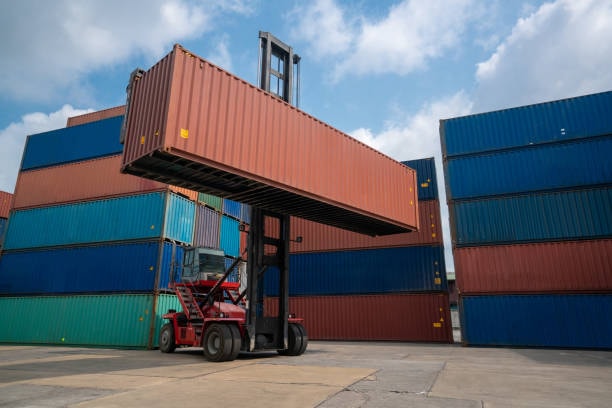
Bunker adjustment factor (BAF) varies according to the price of fuel and may increase the cost of a container by 100-500 USD. Currency adjustment factor (CAF) cushions the carriers against the exchange rate fluctuations. Peak season surcharges are imposed during seasons with high demand especially at the approach to major holidays and during peak seasons . There are port congestion charges when there are delays at the terminals- these have been more frequent and erratic. Global crises might come as emergency bunker surcharge or war risk surcharges same container. These fees are highly overcharged at times as a percentage higher than base rates shipping services.
Getting Accurate Quotes and Avoiding Surprises
You should always order door to door, everything included quotes that are broken up into every cost component. Inquire regarding surcharges, and which are fixed and which variable. Know what is covered and what is not, some quotes do not cover customs clearance or destination delivery. Get estimates of various forwarders to compare not only price, but services offered. Explain terms of payment: prepaid (paid in home country) or collect (paid in destination) is an issue of how cash flows. Add 10-15 percent contingency in your budget due to unforeseen costs or inflations in the currency. It is important to remember that the lowest price quote is not necessarily good when it has a negative effect on the quality or reliability of the service shipping household goods.
Common Challenges in Container Shipping
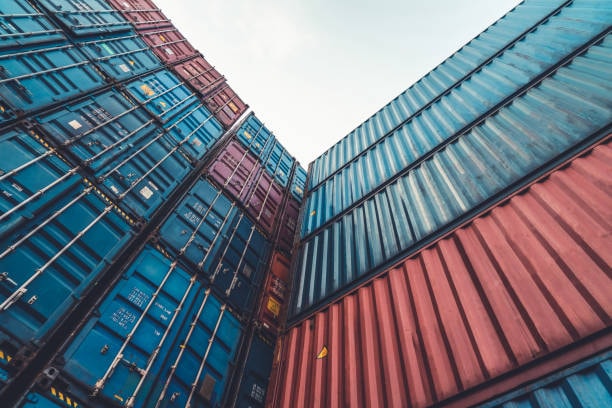
A tangled up port is one of the most frustrating issues, which leads to days or even weeks delay. Large ports sometimes experience capacity issues, labor strikes or weather closures. These supply chain disruptions cascade through supply chains, inventory, and customer promised. Customs holdups are experienced when the documentation is not complete, the goods were subjected to secondary scrutiny, or when the duties/taxes were not paid beforehand. Every single day of delay is costly in terms of storage charges and sales lost. Cargo damage and theft is not high but can ruin your shipment. Poor packaging, harsh treatment, condensation of containers as well as theft during the storage in port is dangerous international shipping process.
Communication and Coordination Breakdowns
Several parties are involved in the international shipping, they include exporters, freight forwarders, customs brokers, shipping lines, port authorities, trucking companies, and importers. A lack of information or miscommunication between any of these parties may cause the whole process to come to a halt. These are further complicated by language barriers, time zone differences, and different business practices. Lack of visibility is frustrating to many shippers who lose track of their shipments once they have loaded in a container until shipment reaches destination shipping companies.
Mitigation Strategies for Smooth Shipping
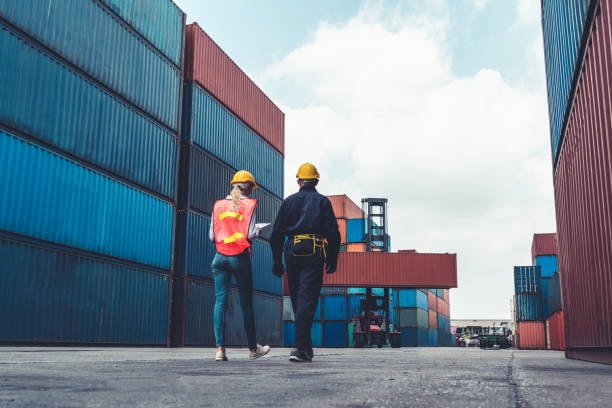
Cargo insurance transfers risk at a low price- do not send valuable merchandise without insurance. Most of the damage can be eliminated by using professional packaging when transporting goods. that is acceptable in ocean freight conditions, i.e. moisture, changes in temperature and movement. Select well-established freight forwarders that have well-developed networks and have open communication overseas shipping. The latest track-and-trace systems are those that give real-time data on the location and status of the containers shipping costs. Factor buffer time into your supply chain plans do not base critical deadlines on optimal transit times. Ensure effective communication with all parties at all times, ensure documents are received and preventive measures are taken on issues before they get out of control shipping company.
Best Practices for Hassle-Free International Shipping
Planning ahead will save making decisions in a hurry and making expensive errors. Begin making arrangements 4-6 weeks ahead of the planned shipment date of complex shipments. Import requirements to country of research destination can be obtained early, especially when it involves shipping cars. – some of these permits or certifications require weeks to receive. Choose freight forwarders because they have experience related to your commodity and trade lane and not only because of price. References by reviewing other shippers international container shipping. Proper packaging and securing- This is a small price to pay when compared to the expense of replacing goods that are damaged.
Documentation and Tracking Excellence
Standardize your regular shipment templates so that you have an identical document each time. Use a checklist and review mechanism of documentations- have one party check important documents with another party. Be proactive and use the tracking system of your forwarder, and set up alerts of important milestones. Keep a shipment record that helps track the dates, expenses, problems and solutions to improve on. Create effective processes of escalation so issues can be taken to the decision-makers promptly.
Contingency Planning for the Unexpected
Have contingency strategies to overcome frequent delays: use other ports in case of overcrowding at your main entry point, have alternative suppliers in case of delays in goods arrival, and a decent inventory level that is not dependent on just-in-time delivery during unstable timeframes. Establish connections with other service providers to make them more flexible. Keep the customers informed of actual delivery dates, and add buffers to delivery dates, not promising optimum dates.

Real-World Scenario: Following a Container Journey
Take the case of a 40 foot container of consumer electronics being shipped between Shenzhen, China and Los Angeles, USA. Day 1-2: Transportation of the factory to the Port of Shenzhen where the goods are received at the container freight station. Day 3: Export customs clearance activities, in which documentation was delivered electronically last week. Day 4: Loading of containers and final inspection prior to delivery to the shipping line. Day 5-25: Cruise across the Pacific, making a stop in one of the ports on the way. Day 24: Pre arrival filing of the customs by the US customs broker. Day 26: Ship reaches Los Angeles, container unloaded on a ship in less than 24 hours. Day 27-28: Clearance and examination of custom imports, payment of duties and taxes by electronic means. Day 29: Container came out of port and was transport to destination warehouse 60 miles inland. Total cost breakdown: ocean freight $2,800, origin charges $450, destination charges $650, import duties (6.5 per cent of value) $1,950, import haulage costs, $350, insurance costs, $300- total cost is 6,500 on a shipment worth 30,000.
Lessons From Real Experience
This situation is an example of the best scenarios where planning and documentation have been done. Difficulties that might have prolonged this time-line, are delays in obtaining export permission, shortage of ocean freight space during peak season, customs requirement of extra paperwork, or port congestion in delaying discharge. The risks were identified by the shipper by early booking, thorough preparation of documents, well experienced service provider and open communication with the end customer on realistic expectations on delivery.
Conclusion
Container shipping abroad puts logistic complexity with incredible efficiency to the transport of goods across oceans at prices that renders global trade feasible. The knowledge of how it works- export haulage, ocean transit and end delivery helps you to make well-informed decisions, trap out of the most frequent pitfalls and maximise your supply chain. The success needs proper planning, proper records, good partners and proper anticipations regarding costs and schedules. It could be your first container or your thousandth, one thing that remains constant is the need to keep learning and adjusting to the evolving environment, as this is what makes the difference between a smooth process and a firefighting process every day. Ask several freight forwarders to provide detailed quotes, ask questions until you know every element of the cost and every timeline assumption, and begin your shipping adventure with confidence based on knowledge and not hope. Need to ask questions about your particular shipping experience or know something to tell? The shipping world is based on mutual knowledge- anything that you know could be useful to the next shipper to prevent making expensive errors.