

Introduction
Imagine this: A manufacturer in Shenzhen has loaded a container of electronic parts to a distributor in Hamburg. The merchandise is received at the dock, when all of a sudden they come to a fight-who will pay to be unloaded? Who does the clearance of customs? Who is to take the risk in case of damage during transport? International trade deals, including dap shipping, are marred by these questions every single day, which costs the businesses in terms of time, money, and relationships. It is at this point where Incoterms, in this case, DAP (Delivered At Place), come in. Acquiring the ins and outs of DAP delivery is not only convenient, but is a necessity to exporters dealing with the logistics of cross-border, importers with overseas buying, freight forwarders who handle world deliveries, and logistical engineers who organize the intricate supply chain. Under its rightful use, DAP helps to remove the ambiguity, clarify responsibilities and provide the basis of international transactions.
What Does “DAP – Delivered At Place” Mean?
One of the eleven internationally accepted Incoterms rules is known as Delivered At Place or DAP as published by the International Chamber of Commerce. Simply DAP is an agreement to the seller, who has completed his delivery by having goods ready to be brought to the buyer at the place of delivery as stated in the order at the place of destination ready to be unloaded.

What is crucial about this is the term ready for unloading, the seller organizes and pays to deliver the goods to the location they are required in but the unloading process remains the task of the buyer unless otherwise stipulated in the contract. In DAP, the seller is responsible and transfers risk to the buyer when the goods reach the destination point identified in the name of a destination point located where the goods are to be unloaded. This system can be used with any kind of transport including sea freight, air transport, rail, road transport and multimodal combinations and thus it is incredibly flexible to supply chains in the modern era.
Key Terms & Concepts to Know
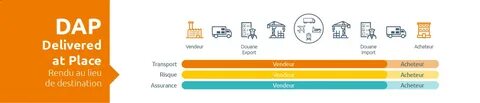
There are a number of assumptions that are in the basis of DAP delivery terms and should be clearly understood. The actual place of unloading or location should be named and should be defined beyond any possible doubt – all vague names like Hamburg or the city where the customer is located are sources of misunderstanding and possible disputes, rather the parties involved must mention the exact addresses which include the names of the warehouse (ABC warehouse) and the name of the road (123 industrial road) and the location (Hamburg Port Area). When reaching the destination where the goods are to be unloaded, i.e. when the point of risk transfer is reached, the risk of loss or damage transfers to the buyer and it is that point, rather than the actual unloading which causes the transfer of risk. The difference between cost and responsibility is also an important concept to understand, the seller can pay a few services (such as transport) but the buyer has to take the risk in the same services. The last division is export clearance and import clearance: with DAP, the seller does all the export formalities, licenses and customs in the country of origin, whereas the buyer does all the import clearance, duties and taxes in the destination country.
Seller’s Responsibilities Under DAP
Under the DAP delivery conditions, the seller has significant responsibilities, indicating their command over the route to the point of delivery. First, sellers are required to prepare items in accordance with the terms of the contract and come up with all the required paperwork such as the commercial invoices, packing lists, and certificates of origin. The packaging and marking should be in line with the international transport standards and also meet any specific specifications of the buyers, and the seller must obtain all the export licenses, permits and similar authorizations in his/her country. Pre-carriage, the initial transportation between the seller facility to the primary carrier (i.e. transporting goods between factory and port) is fully on the shoulders of the seller. The seller then packages and freights the main carriage – the major transportation portion which can be ocean, aircraft, truck, or rail delivery of goods to the location with the exact description of the name. The seller should be able to produce evidence on delivery which is generally by shipping documents, tracking confirmations and delivery receipts upon delivery. Notably, the import customs clearance, import duties, and destination country taxes are not paid by the seller unless specifically stated otherwise in the purchase contract, which is a major difference between the delivered at place dap and DDP conditions.
Buyer’s Responsibilities Under DAP

As the seller undertakes the task of transporting to destination, the buyer takes key tasks after delivery of goods. The unloading at the place of destination will become the cost and responsibility of the buyer unless the contract clearly indicates otherwise- this will involve the recruitment of staff, machinery and any other cost or risk incurred in the unloading process. The buyer has to fulfill all the import customs clearance processes, provide necessary documentation to the customs and pay up import duties, taxes and VAT and other charges set by the destination country. In the event that a good has to move farther than the location specified in the name to the ultimate area of the buyer, this transport after delivery will be the responsibility of the buyer to procure the transport and finance the same. Lastly, the buyers and sellers are obliged to pay goods as per the agreed terms whether that is through letters of credit, wire transfers, or any other payment procedures that have been put in place in the sales contract.
Advantages & Disadvantages of DAP
The conditions of the DAP delivery have their unique benefits to both parties in international dealings. DAP can fit most supply chain setups as it is flexible to work with any of the various modes of transport: air, sea, road, rail, or any combination. Sellers enjoy the advantage of having the control of transportation arrangements until delivery to the destination and are in a position to choose the preferred carrier, offer better rates, and quality standards all through the journey. Customers do not have to bear the entire logistics cost of the international part and have goods delivered to the door and only final unloading and import processes. But there are also some possible negative aspects and dangers of DAP as one of the international commercial terms . The risk and the cost involved in unloading are transferred to buyers, and it may be considerable in the case of heavy machinery, bulk cargo, or the shipment that requires specialized equipment to handle. In case the specified location is not identified as precisely as possible, arguments are often created regarding the exact point of delivery or the person responsible for unloading, which can be harmful to business relations and slow down operations. Moreover, sellers will have difficulties in the sense that they cannot do much about import formalities but they have to rely on effective service delivery through efficient execution of their transactions via easy customs receipt and receipt of payment final destination.
DAP vs Other Incoterms (Quick Comparisons)
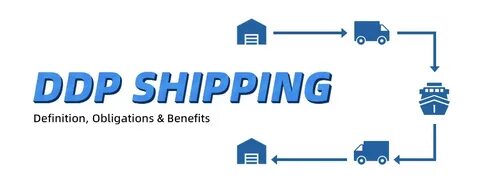
It is always good to know the difference between DAP and other Incoterms to enable the parties use the best term in their conditions. DAP vs. DDP (Delivered Duty Paid) is one such critical comparison both these involve a seller making deliveries to destination, however, in DDP, the seller also clears in the import and pays all taxes and duties with the maximum obligation dap agreement. DAP shifts such import liabilities on both the buyer and the seller, which makes it more appealing in cases where sellers are interested in evading foreign customs laws or where those interested in importation desire to regulate their own importation process. Such a comparison of DAP and FOB (Free On Board) shows some striking differences, in that, the former passes on risk and responsibility to the buyer much sooner, with goods being shipped at the rail of the ship at the place of origin, and buyers have to make the main carriage and pay the end destination destination. In a similar vein, when comparing DAP to CIF (Cost, Insurance and Freight) or CPT (Carriage Paid To), it can be seen that the latter policies spread more risk earlier in transit even though the seller is paying to have the carriage, and DAP does not. DAP is better than other options provided that the sellers already possess logistic networks and can obtain competitive transport prices or when buyers wish to see predictable landed costs but do not have to control international transportation but have to control import duties and taxes dap rules.
Tips & Best Practices for Using DAP
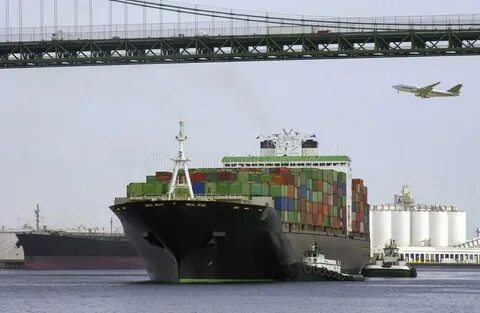
To implement DAP successfully, it is necessary to pay attention to certain details and best practices that will help to avoid the pitfalls. Never be vague about the exact point of unloading, and specify the location, using street addresses, names of the warehouse, terminal numbers, or GPS coordinates instead of describing where something is in terms of city, or region. It is always clear in the contract who orders and pays the unloading services unless you mean the position of default that the buyer does this task. Make sure that there is strong planning on the customs process through early sharing of documentation requirements, knowledge of the destination country requirements, and communication channels between the seller, buyer, and the customs broker need to be open. Find other transport and logistics companies that have experience in cross-border shipments, especially those that have been involved in that particular trade lane, product type, and regulatory climate of your transaction proper clearance. Incorporate express insurance provisions that define the parties that insure cargo during transit, the coverage limits, and the claims procedures to be followed in case a loss or a damage is incurred- although these are not necessary under DAP, insurance offers essential protection.
Common Mistakes & How to Avoid Them

There are a number of mistakes that are repeated in DAP transactions, and these are prevented with awareness. The most common mistake is not to mention the exact location agreed upon location, the parties will write the name of the place they are delivered to, i.e. Chicago, and not to the distribution center with the address of 456 Logistics Boulevard, Chicago, IL, 60601 and ready to be picked up by the dock number 3. The solution to this is to ensure that all contracts are filled with complete addresses and to verify locations where necessary with the help of GPS coordinates. When we presume that unloading is a responsibility of the seller, there are conflictualities since the default is on the part of the seller and puts the buyers in a dilemma- be clear about unloading by stating it positively in your contract where you would rather have other arrangements other than the standard. Instead of arriving on time, incurring unnecessary expense, and even losing goods to customs, check the import regulations and requirement of documents can prevent the same, researching what is required in the destination country early local taxes, consulting with customs brokers, and preparing documents well beforehand can save such delays and extra expenses. Ignoring the part that pays importation expenses will cause unexpected costs in the budget, particularly when importation duties and taxes are found to be greater than they are expected, solve this by ensuring that costs are calculated properly and that the agreements are explicitly written. Failure to understand risk transfer timing leads to parties buying insufficient insurance or having wrong liability- it is worth remembering that in DAP risk transfer occurs when the buyer assumes responsibility it arrives at the named location when the goods are ready to unload rather than when they are actually unloaded insurance paid.
Case Examples
Using the following as a practical example: An electronics company in Guangzhou sells 500 laptop computers to a retailer in Los Angeles on DAP terms with the mentioned location being Tech Retailers Inc., 789 Commerce Street, Los Angeles, CA 90021, ready to unload at warehouse bay 5. The Chinese supplier manufactures the laptops, clears the export taxes at the port of China, organizes the ocean delivery between the port of Shenzhen and the port of the Los Angeles, and organizes the trucking between the port and the warehouse of the retailer located in the Commerce Street. All these transportation costs are paid by the seller and in the whole process, he or she is at risk. When the truck arrives at the warehouse there are some goods that are ready to be unloaded and at this very point the risk shifts to the buyer. The American retailer later deals with the unloading of the truck with the help of their warehouse crew and machinery, US Customs import clearance all the risks, and payment of applicable taxes and relevant import duties and taxes. This segmentation implies that a seller is aware of their expenses based on delivery, and the buyer has control over importation duties and ultimate unloading, which form predictability between the buyer and the seller.
When to Use DAP — Practical Scenarios
In some cases, DAP delivery conditions are better than alternatives, thus it is the best when used in certain business conditions. DAP has proven to be very effective in cases where exporters possess a set transportation infrastructure, connected with trusted carriers, and possess access to negotiating favorable freight rates which offer greater value than can be acquired individually by buyers. DAP is convenient to buyers who desire little risk in international transportation but would like control in their import duties and customs operations, such as to take advantage of duty exemptions, preference trade agreements, or particular import licenses. DAP is however less appropriate where buyers want sellers to do everything including importation duties, which the seller agrees to pay, which is better suited by DDP buyer is responsible. The industries and trade routes in which DAP is frequently applied are any export of electronics across Asia to other countries, shipment of machinery within Europe, distribution of consumer goods through manufacturing centers to regional centers, and in e-commerce fulfillment operations where the sellers would like to deliver to the end customers but the buyers control the final-mile logistics and local rules.
Conclusion
The terms of Delivery of DAP give a moderate approach to international trade where the sellers control transportation to the destination, whereas the buyers control unloading and importation processes. This division of responsibility provides flexibility in the transport mode, sellers can take advantage of their logistics knowledge, and buyers can have flexibility in the customs clearance and importation expenses seller bears
. The key to successful dap agreements implementation is the specification of specific delivery points, clarification of unloading duties, an effective interaction between the parties, and the choice of the experienced logistical partner. Not just exporting manufactured goods, but importing raw materials, and complex supply chain management, the terms of the DAP can be negotiated with great care, every detail must be documented with accuracy, and consultation with logistics experts when necessary will make the transactions that were otherwise seemingly problematic into a seamless predictable operation that will ensure a long-term business relationship.