
Meta Description: This course will teach you about the history of delivered duty paid (DDP) and DDP shipping, including the DDP shipping agreement, the definition of a delivery agreement, the cost, the differences between DDP and DDU, the process, and the things to think about when putting it into action that are necessary for success in international commerce.
What is DDP Shipping?
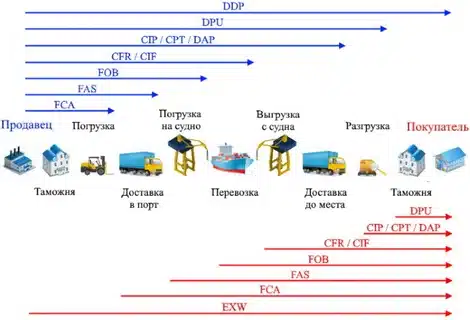
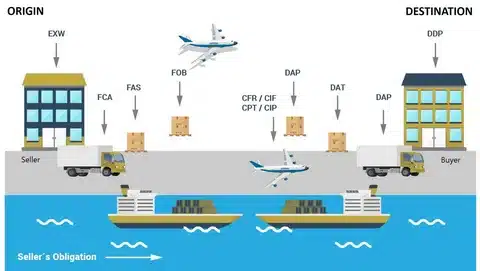
The Delivered Duty Paid (DDP) shipping agreement, also known as the DDP agreement, is an international trade agreement that requires the sellers to ship the goods, pay for shipping, customs duties, taxes, and the final delivery. DDP shipping puts the most responsibility on the seller, but it also makes things easier for buyers.
Customers won’t have to pay more than the cost of the product with DDP. The shipping costs, customs fees in the destination country, export and import duties, and taxes are all included in the price. This gets rid of surprise fees that often cause deliveries to be turned down and customers to get angry because of the paperwork that has to be done for international business.
DDP is especially helpful for online stores that sell to people in other countries, where prices need to be clear, just like they are for local purchases, in order to follow international business terms. With more people shopping across borders and more customers asking for things, it has become more and more important.
How DDP Works
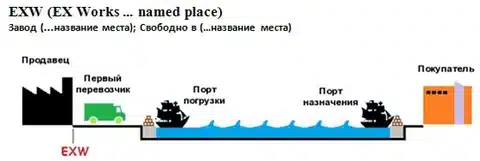
When an international order is accepted by a seller, the process of DDP starts, highlighting the seller’s responsibilities throughout the shipping process. The seller also handles the export to the final delivery instead of the buyer receiving the goods and clearing customs with maximum responsibility.
The sellers usually cooperate with the international airlines or the customs service and pay for the complicated paperwork and customs operation, facilitating the import clearance process at the destination port. Once the commodities reach the destination country, the agent of the seller will pay all the necessary shipping fees and charges as well as taxes, and then deliver the goods to the customer.
In this system, sellers must familiarize themselves with regulations in the destination countries, obtain transportation and associated costs, pay duties properly, and have relationships with trusted logistics partners to ensure they can pay customs fees efficiently. It is more complex than international shipping, but the experience for the customers is enhanced dramatically.
DDP vs DDU Shipping
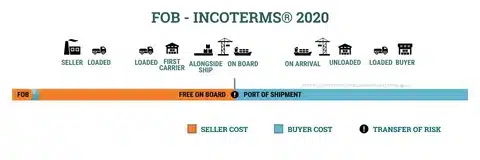
The largest distinction between DDP and DDU (Delivered Duty Unpaid) is in who covers import duties and customs clearance. In contemporary terms of trade, much of DDU, or delivered duty unpaid, has been substituted by DAP (Delivered at Place), but the comparison still holds for shipping insurance.
shipping options.
In DDU/DAP conditions, customers are provided with the package as per the shipping agreement, and they have to pay the duties and taxes before possession. This frequently results in unforeseen expenses and hidden fees, dispatch failures, and customer dissatisfaction with delivery methods. Surprising customers with charges of 20-30 percent of the product value makes many of them drop their purchases.
DDP removes this friction by making the sellers complete all the import processes beforehand, ensuring that all the costs are covered before delivery. Although this costs sellers more, it will normally lead to higher conversion rates and customer satisfaction ratings.
| Feature | DDP | DDU/DAP |
| Duty Payment | Seller | Buyer |
| Customs Clearance | Seller | Buyer |
| Customer Experience | Seamless | Complex |
| Seller Costs | Higher | Lower |
DDP vs DAP Terms
The current equivalent of DDU terms is called DAP (Delivered at Place), which can involve either sea or air freight export clearance. In DAP, sellers are transporting goods to a specified location in the buyer’s country, but they are not clearing any customs nor are they paying any importation duties or customs formalities.
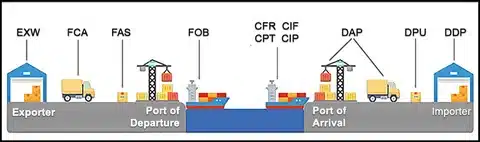
The most important difference is the transfer of responsibility. Under DAP, buyers assume risk and other expenses once the goods are delivered to the destination country. In DDP, the seller will be accountable until the delivery of goods is made and the clearance is made with customs.
DAP is suitable in situations where buyers are normally experienced importers, such as business-to-business transactions, whereas DDP is more appropriate for a DDP transaction during consumer sales, especially when outlined clearly in the sales contract. DDP is more appropriate to consumer sales where consumers wish to have easy and transparent dealings under the delivered duty framework transportation costs.
Both are available in many businesses, and the choice that customers want, which is what is convenient in terms of cost control or convenience, leads to them making a choice in the international chamber.
Key DDP Advantages

Enhanced Customer Experience DDP provides a domestic shopping experience, which is crucial in the realm of international shipping. The customers perceive a single price, pay, and get their products without any further communications or payment. This ease creates trust and leads to a repeat purchase.
Increased Conversion Rates. It has been concluded that DDP can increase conversion rates internationally by 25-35%. The customers are more likely to finalize the purchases when they are aware of the total amount they must spend initially, rather than leave shopping carts because they are not sure of extra charges.
Competitive Advantage DDP shipping provides businesses with a competitive edge over their competitors when it comes to shipping terms that are not as advanced as those provided by DDP shipping. This is especially a good thing in markets where unexpected customs charges are a norm and an irritant to consumers.
Fewer Customer Service Problems DDP eradicates the majority of shipping-related customer inquiries regarding duties, delays, and unwarranted expenses. This enables the customer service teams to concentrate on product service and sales expansion instead of explaining logistics.
DDP Disadvantages
Increased Cost: The sellers pay all importation duties, taxes, additional costs, and unknown costs associated with import and export duties, and these can have a great impact on the profit margins the seller bears. In the case of lower-priced products, these costs may constitute 20–30 percent of the product value.
Complexity of Compliance Requirements: It involves mastery of the international trade standards, including those of delivery duty paid, to carry out customs clearance in more than one country. Errors may lead to wastage of time, punishment, and extra expenses, which reduce profitability.
Cash Flow Impact (DDP) In cash flow, duties and taxes must be paid in advance, which may put a strain on working capital for tax payments. This procedure is exceptionally difficult for those who have small businesses or seasonal sales.
Potential Unforeseeable Extra Costs: Out of the ordinary expenses, sellers can incur storage expenses, inspection expenses, or document repair expenses that cannot be accurately predicted or budgeted for sea freight.
DDP Shipping Process

Step 1: Order Preparation (1-2 days) After accepting the order and agreeing to the DDP terms, the seller prepares the goods, including appropriate export packaging, for shipment. This involves proper packaging, document generation, and export of custom paperwork.
Step 2: Export and Transit (3-10 days) Goods are cleared out of the export customs and transported either by air, sea, or ground to the destination country. The time of transit differs considerably, depending on the method and distance of shipping, the seller assumes.
Step 3: Customs Processing (1-3 days) When received, the duties and taxes on products are determined by the customs authorities, based on the classification and the value of goods. The customs broker of the seller fills in the necessary documents and makes ready to pay.
Step 4: Duty Payment and Release (1-2 days) The seller or the seller’s agent pays all the duties, taxes, and fees assessed. After confirmation of payment, customs delivers goods finally.
Step 5: Final Delivery (1-2 days) Goods are delivered to the given address of the customer without any further payment or any customs interaction on the part of the buyer.
DDP Costs Breakdown
Base Shipping Costs The pricing of international freight is dependent on the carrier, service level, and destination. Express services are 2-3 times more expensive in comparison to economy options, but they offer faster delivery and tracking.
Import duty is determined according to the classification of the product (HS codes) and the country of destination’s tariffs for shipping goods. The rates are usually between 0 and 25 percent, although some of the sectors that are under protection may carry a cost that is higher due to expenses incurred.
Value Added Tax (VAT) is a tax that a number of countries charge on imported goods, and its rate varies between 10% and 27% depending on the location. This constitutes the biggest expenditure part of a great number of DDP shipments.
Customs Brokerage Fees Professional clearance services are generally priced at 50-150 to clear each shipment, but may also charge extra due to complicated documents or valuable goods.
Extra Costs Insurance, warehousing, inspection, and correction of documents may amount to an extra charge of 25-200 per shipment, based on the situation.
Customs Duties Under DDP
The concept of the calculation of duty is the key to the success of DDP. The duties are evaluated based on several factors:
Product Classification: Each product should be registered under the Harmonized System (HS) with the use of a 6-10 digit number. It is important that the classification is done correctly since there are various codes that have different duty rates.
Country of Origin: The country where products are produced influences the rate of duty as a result of trade agreements and tariff preferences. Free trade agreements may alleviate or do away with duties considerably.
Value Duties on products are determined based on the value ofthe transaction and freight expenses including insurance (CIF value). Penalties and delays can be avoided only by accurate valuation.
Duty Rates The schedules of duty rates are issued by each country and they are by product categories. Such rates are subject to change and can have seasonal adjustment or quota limitation.
DDP Implementation Steps
Market Research Start. Initially, carry out research on the import regulations, duty rates, and customer preferences of the target markets. Concentrate on the markets where the duty rates are moderate and confidence is needed to see the price.
Selection of partners: Select shipping companies that offer full DDP services and effective third-party insurance capabilities. Consider cost, service, and technology integration alternatives.
System Integration Program: ebusiness systems to calculate duties during checkout, create correct documents, and give correct delivery estimates, including the time needed for customs clearance.
Pricing Strategy: Decide on how the costs of DDP are to be reflected in the products. They can be absorbed, fixed percentages, or dynamic destination-based pricing.
Testing and Launch: The pilot program will be in 2-3 major markets. Keep a very close eye on the performance and customer feedback, and then expand to other countries.
DDP Best Practices
Proper Documentation: Be sure that all the customs paperwork is done correctly. Use proper codes of HS, write specific product descriptions, and be consistent in the valuation.
Build Buffer Management. Enter buffers for costs 1015% into the duty estimate to allow fluctuations in rates and currencies, and the occurrence of unforeseen charges. This safeguards margins as well as the proper pricing of customers.
Carrier Relationships: Establish good working relationships with carriers and customs brokers. Frequent communication and volume orders can lead to improved rates and levels of service.
Customer Communication: Demystify DDP terms and realistic delivery expectations. Customers are satisfied with prompt communication of delays or problems.
When to Avoid DDP
Low-Value Shipments Shipments to Get below $50-100 Most of the time, the amount of duty is insignificant, and DDP complexity and cost are not required. Most countries have de minimis thresholds under which no duties are charged.
Complex Regulatory Markets: Countries where regulations change regularly, where documentation is often complicated, and where customs are hard to predict might not suit conventional DDP arrangements, particularly for delivery drivers.
Price-Sensitive Customers. In markets where customers prioritize initial low costs over convenience, DDU/DAP terms may work even better despite the added complexity.
Limited Experience New international sellers may choose to get started on DAP terms before assuming the full responsibility and risk of full DDP.
DDP Technology Solutions
Automated Duty Calculation Modern ecommerce systems have built-in duty calculators that create real-time estimates of the duty depending on the product and destination data. These software enhance precision and lessen human input.
Documentation Management Automated software produces needed custom documentation automatically, eliminating mistakes and accelerating the process. It is coupled with inventory systems to bring about consistency.
Tracking and Visibility Advanced Tracking and Visibility Systems allow proactive customer communication and resolution of issues by providing real-time updates during the clearance of goods at customs.
Analytics and Reporting. The full reporting will optimize the DDP operations through identifying trends of costs, bottlenecks within clearance, and areas of improvement.
DDP Success Metrics
Customs Clearance Rate Track: The percentage of shipments that pass customs without any delays or problems. Ideal target rates of more than 95%.
Mean Clearance Time measures the duration of customs clearance in various markets. Such information could be used to establish correct expectations of delivery and identify problem areas.
Cost Accuracy: Compare actual duties and charges with estimates. High accuracy rates (more than 90%): good cost modeling and minimizing marginal erosion.
Customer Satisfaction Survey clients are asked about their experience with DDP shipping. Repeat purchases and positive reviews are associated with high scores in satisfaction.
Common DDP Mistakes
Underpricing: Most vendors do not factor in all the expenses, and the margin is eroded. Add storage, handling, and miscellaneous costs in cost models.
Documentation Ineffective: or erroneous paperwork delays and extra charges. Invest in an adequate documentation system and education of staff.
Poor Buffers Fixed duty computing does not take into consideration changes in rates or currency fluctuations. Establish sufficient buffers to cushion profitability.
Poor Market Knowledge: Entering new markets without knowledge of local regulations and consumer tastes and preferences is usually a cause of compliance problems and underperformance.
DDP Future Outlook
The future of DDP shipping is continuously becoming better with the trend of a rise in international e-commerce. Key trends include:
Technology Integration (AI-powered calculation of duties and the production of documentation) is increasing the availability to smaller businesses and enhancing efficiency in terms of accuracy and costs.
Customer Expectations Customer Expectations International shoppers are demanding more domestic-like experiences that are pushing the demand towards transparent and all-inclusive pricing, as agreed in the sales contract that DDP offers.
Regulatory Harmonization DDP implementation is becoming simpler and more cost-effective with the help of regulatory harmonization trade agreements and digital customs initiatives, simplifying the cross-border procedures.
Competitive Pressure With increasing companies determining DDP with a view to enhancing customer experience, companies that are still operating on the terms of traditional shipping might feel disadvantaged in the global markets.
DDP shipping is the future of global ecommerce, where customer experience and the clarity of the prices, along with shipment costs, are the driving forces of the competitive edge. Although the implementation may need a proper plan and constant management, the companies that learned how to master DDP have frequently achieved considerable enhancement in international sales results and customer satisfaction.