
You have located a supplier abroad who would be perfect for your business. The quote looks good, and then you notice there is “Exw” in the quote. What does this mean for you in the shipping process regarding the ex works agreement?
You are not the only one that wonders about shipping terms. Most companies find out too late that it costs thousands of dollars and potential hassles to select an inappropriate Incoterm, as the buyer’s responsibility can vary significantly.
What is EXW (Ex Works)?
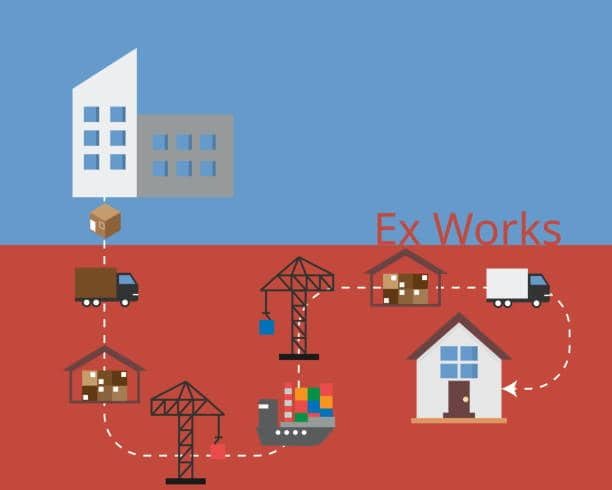
EXW stands for “Ex Works” – it is one of the 11 recognized Incoterms (International Commercial Terms), often referred to as exw incoterms, on a global scale.
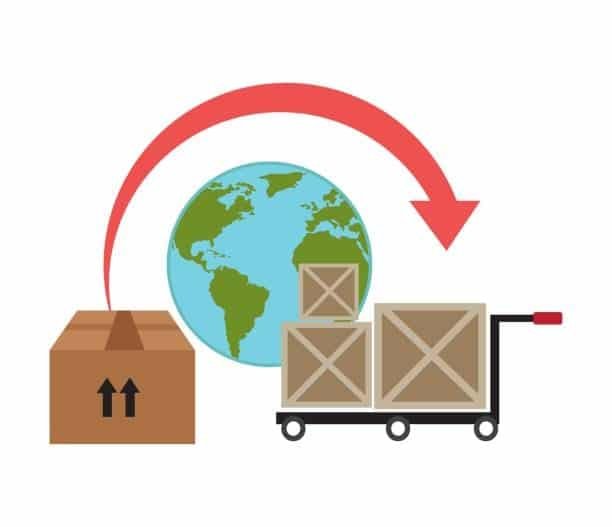
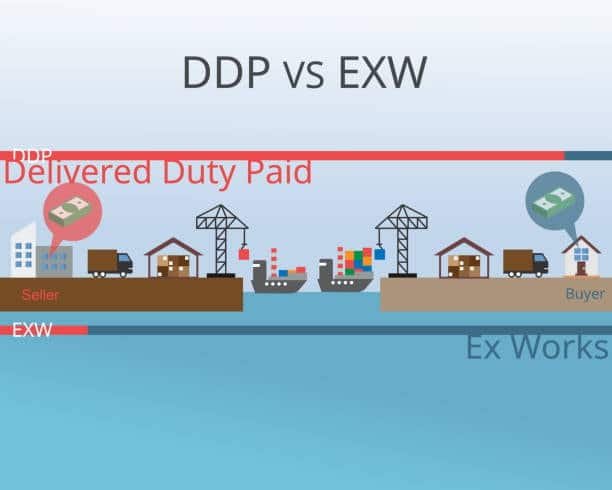
Under EXW terms, the seller is responsible for minimal obligations, and this does not typically include loading charges.
- The seller places goods at his or her facilities (factory, warehouse, etc.).
- The responsibility lies with the buyer, and it is up to the buyer to make everything responsible.
- The transfer of risk is done automatically as soon as the goods are available to be picked up.
You can consider it as the come and get it approach to international trade, particularly from the seller’s factory.
Seller vs. Buyer Responsibilities Under EXW
Seller’s Duties (Minimal)
- Package the goods properly
- Meetings with the place of goods.
- Providea commercial invoice
- That’s it! No loading, no export clearance, no transport arrangements
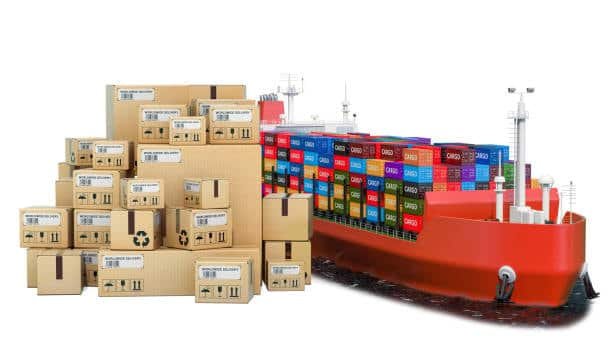
Buyer’s Duties (Extensive)
- Make all the arrangements and cover all transportation.
- Transportation to the house of the seller.
- Clearance of exports saves money.
- Make freight and insurance actual fees.
- Process importation customs and taxes.
- Take risks on pick up and onwards.
Pros and Cons of EXW Shipping
Advantages
- Reduced start-up expenses – vendors offer their rock-bottom price.
- Full logistics management of experienced buyers.
- Open pricing – you know what the product costs seller’s premises.
- Flexible shipping- select your favorite carriers and routes domestic market.
Disadvantages
- High risk for buyers – you are liable in case something goes wrong.
- Complex for beginners – must have profound knowledge of logistics.
- Export complications – not all countries allow just anybody to export.
- Hidden costs – loading, documentation, and clearance charges accumulate fast.
When to Use (and Avoid) EXW Terms
Use EXW When:
- You have built logistics relationships and freight-free alongside the ship.
- The supplier does not have experience or licenses in exports.
- You prefer to have the most control over shipping methods and timing.
- You are consolidating orders across the various suppliers.
Avoid EXW When:
- You are new to importing – the steepness of the learning curve.
- The country where the supplier is has complicated regulations that are involved in exports.
- You do not have good local agents at the source.
- The additional coordination is not economical for small shipments.
EXW vs Other Incoterms: Key Differences
| Term | Seller Responsibility | Best For |
| EXW | Make goods available only | Experienced importers with strong logistics |
| FOB | Load goods + export clearance | Balanced responsibility sharing |
| FCA | Deliver to the carrier + export clearance | When the buyer arranges the main transport |
| DDP | Complete door-to-door delivery | Buyers wanting minimal involvement |
Key Insight: EXW has the smallest responsibility to the sellers, whereas DDP has the highest responsibility to the sellers, and the buyer assumes a significant amount of risk, along with the risks and costs associated with the shipping process.
Real-World EXW Example
Consider purchasing custom-made furniture from a factory:
Under EXW terms:
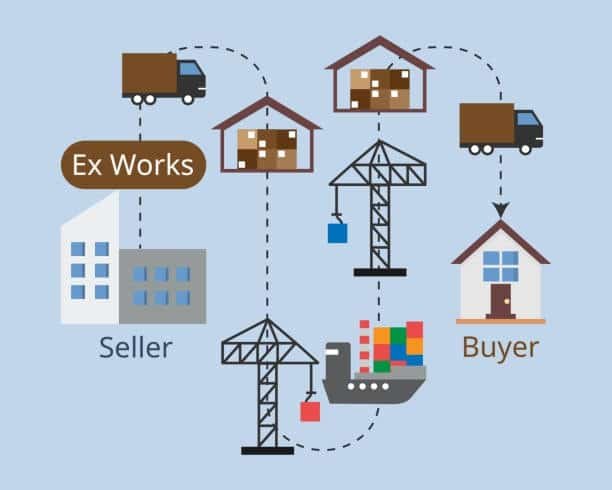
- Your furniture is built in a factory.
- You are informed by the factory that it is ready.
- You make the truck collect it.
- You handle export paperwork
- You take care of the delivery to your country.
- Your clearance of customs and duty.
- You deliver to the final destination.
When they tell you that your order is ready to pick up, it is the end of the job at the factory for the free carrier.
8 Practical Tips for EXW Success
- Collaborate with the freight forwarders with experience in the local export needs.
- Ascertain loading duties – a few sellers will not even assist in loading trucks.
- Commitment Research export practices in the home country of the supplier.
- In all cases, buy cargo insurance – you carry all the risks of transit.
- Include all expenses – loading, documentation, clearance, and delays.
- Develop definite pickup policies – when, where, and what documents
- to be presented.
- Have contingency plans for export clearance problems.
- Time has time zones have to be considered when dealing with suppliers and logistics providers.
Frequently Asked Questions
Who pays for shipping under EXW?
All of the shipping expenses, including loading at the supplier’s location, all the way to delivery, are paid by the buyer’s designated method.
Does the seller load the goods under EXW?
Not always. The buyer may or may not have said something different; loading may be his job, along with the shipping company that clears customs for exports.
Is EXW cheaper than FOB?
At first, EXW quotes would seem lower; however, the overall costs could be much higher than FOB when loading, export licenses, and export clearance are included, as well as logistics coordination and carriage paid.
What risks does the buyer face with EXW?
All the risks are passed on to the buyer once picked, which includes damages, theft, delays, shipping costs, customs clearance, and regulatory problems along the route.
Can small businesses use EXW effectively?
Small enterprises can employ EXW; however, it is recommended that they use the services of expert freight forwarders who are also able to assist with free carrier arrangements in order to manage the complexity of delivering duty-paid transactions free on board.
The Bottom Line on EXW Shipping
The EXW terms provide maximum control and maximum expertise. As the sellers offer bottom-pricing, the overall cost means buyers take huge responsibilities and risks.
Choose EXW only if you have:
- Good logistics relationships.
- Export/import experience
- Complications should be managed by having resources.
- Requirement of total shipping control.
FOB or FCA terms would be a better risk balance for most businesses without excessively complex terms for transportation costs.
What’s your experience with different shipping terms? You can give your thoughts in the comments below, or you can tell us which Incoterm suits your business best. The practical point of view will be welcomed by your fellow importers!