Introduction / Hook
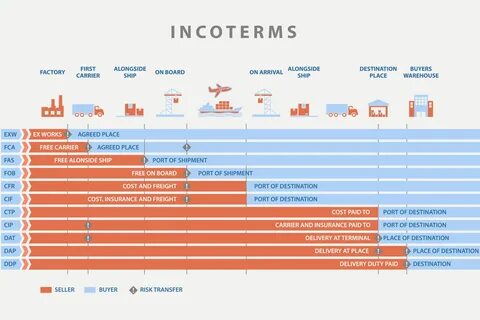
Provide that you transport goods by the sea or inland waterways, you should be informed that FAS (Free Alongside Ship) will help you to save money and minimize misunderstandings. Shortly abbreviated as Incoterms, International Commercial Terms (IC Terms) are standard trade terms issued by the International Chamber of Commerce, which outline the obligations of the buyers and sellers in international sales. FAS is one of the 11 existing Incoterms specifically created to work with maritime and inland waterway means of transport. Knowledge of FAS is paramount in companies that deal with bulk shipment of cargo because it perfectly indicates where the seller liability is terminated and buyer liability commences at the named port import costs . You will have insight in this guide on the responsibilities of each party, risk transfer, when FAS is a good strategic decision to your shipments and the pitfalls that can bring your logistics planning to a ground.
What Does “Free Alongside Ship (FAS)” Mean?

FAS is an abbreviation that means Free Alongside Ship, which is an Incoterm that makes the goods under the buyer’s disposal after arriving at the port of shipment which is named. The phrase along side ship is nautical in nature and can be described as an old tradition of loading some cargo onto the quay or wharf next to the hull of a vessel that is ready to be loaded. According to FAS terms, the seller has met his duty of delivery when the goods have been positioned next to the nominated vessel at the specified port seller pays. This is a critical point of handover, the seller does not load the goods to the ship, he or she only places them at the loading point, which the buyer bears the responsibility for . This can be a container ship, bulk carrier or barge but the common denominator is that goods have to be made convenient to the ship, not taken to a terminal gate or loaded on board.
When / Where Is FAS Applicable?

FAS is used only in regard to sea freight and inland waterway transport. It was an Incoterm that was created in cases where goods can be physically loaded with a vessel in a port or waterway. Containerized cargo bound to contemporary container terminals where cargo generally moves through terminal gates, and not adjacent to vessels should not be transported by FAS, especially in the case of containerized shipments . FAS is effective with bulk goods, containerised cargo or huge machines that must be loaded directly on the ship container yard. The name demands a named location, namely, port of shipment where goods will be received together with the ship buyer’s ship. In the absence of this accuracy disagreements may emerge regarding specific locations of delivery and duties. Other Incoterms such as FCA would be more effective and convenient where other forms of Shipping like air, road, and rail movement of cargo are involved and where they go through standard gate-in procedures in container terminals loading costs.
Seller’s Responsibilities Under FAS
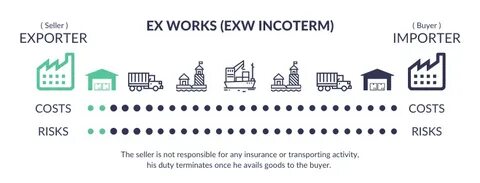
Under the FAS conditions, the seller has extensive liabilities up to the delivery together with the vessel. To begin with, the seller is expected to create goods based on the specifications of the contract, which should be properly packaged to ensure protection of cargo during their handling and any regulatory needs. Marking and labeling should be done and shipping marks, handling directives and warnings of hazards where necessary should be done. The seller makes all the export arrangements such as export license, completion of customs document, and export duties that might be required in the country of origin. Pre-carriage–the conveyance of the goods between the seller and the mentioned port–is on the shoulders of the seller, in which case he has to engage trucks, barges, or rail transport, as he pleases. When the seller reaches the port, he is supposed to provide the goods with the nominated vessel at the time and place agreed upon. The seller gives evidence of delivery, and this is usually in the form of a dock receipt or some other evidence of delivery that goods were loaded on the vessel. The seller bears all the expenses of these activities, including packaging, export custom duties, pre-carriage transportation, port handling expenses until alongside position and documentation.
Buyer’s Responsibilities Under FAS
The delivery of goods with the vessel is also followed by a decisive transfer of responsibility on the buyer. The buyer has to organize and pay loading of goods through the adjacent position to the vessel as well as the stevedoring services, cranes, or other special equipment necessary. Main carriage- the ocean or waterway freight between the port of shipment and the destination port is wholly the responsibility of the buyer, including vessel space booking and payment of freight. In the destination port, the buyer does discharge operations, which requires the offloading of cargo on the vessel. Buyer responsibility includes formalities related to importations: Clearance at the port, payment of duties and taxes of importation, licenses and permits must be obtained to comply with import formalities , and regulations in the country of destination must be observed. The buyer also organizes and finances further transfer of the delivery destination to the final destination. Any inspection, fumigation, or special handling of the import is a buyer cost. Insurance, at the will, should be taken out by the buyer because the seller has no liability in insuring the goods according to the FAS term.
Risk & Cost Transfer Point
Risk is exchanged between the seller and the buyer at a specific point in time: at the point where goods are loaded along with the nominated vessel at the specified port of shipment. Up to this stage, the seller is subjected to all risks of losses or damages. The buyer gets all the risks after delivery alongside such as damage during loading, loss at sea or problems in the onwards transport. The same can be said about cost allocation. The seller covers all expenses necessary to prepare goods together with the vessel; manufacturing, packaging, land transport to port, exports customs clearance, documentation and any port costs to place goods at the vessel. The loading operations, ocean freight, the port destination charges, import clearance, duties, and delivery are paid by the buyer. This distinct separation implies that the financial risk of the seller is limited to goods reaching their alongside position and the financial risk of the buyer to the loading operations. This division helps avoid cost conflicts and provides adequate budgeting on international dealings.
Pros & Cons of Using FAS
FAS has a number of strengths to suit the right situations. It offers crystal-clear role break down, with no uncertainty in the allocation of pre-shipment and shipping tasks. The buyers have great influence on the key carrier, where they get to choose their own carrier, negotiate freight rates as well as have control over the transit. In the case of sellers, FAS restricts exposure- when the goods are in place the liability and risk is over. This may involve cost-saving when there may be better freight contracts or carrier history among buyers. Nevertheless, FAS has some significant weaknesses. The loading risk is imposed on the buyer and it may be troublesome when the cargo has to be handled in a specific manner or when the equipment fails at the port. FAS is limited to marine and inland waterway, and thus cannot be used with multimodal shipments or containerized cargo passing through the terminals. The operation of modern ports based on heated ports and terminal operations may often make FAS impractical due to the restriction or even prohibition of direct vessel side access. FAS is not the best in situations in which the seller has better port connections, loading expertise of the seller is needed, and also when the cargo is vulnerable during loading and this necessitates the presence of the seller monitoring.
FAS vs Other Incoterms: Comparisons
The comparison of FAS with other Incoterms makes it clear in which cases they are the most effective. FAS and FCA FCA (Free Carrier) is more flexible and can be used in all forms of transportation, and even in current operations involving a container with the goods being loaded onto a carrier or terminal. FAS, the free alongside ship incoterm, demands vessel-side delivery which is specially used in the case of maritime transport. In the case of container shipments, FCA is usually more sensible. FAS and FOB: FAS and FOB are both terms used in the sea, where FOB (Free On Board) involves the seller loading the goods to the ship where FAS involves placing goods next to it free alongside ship fas. The difference in the loading responsibility implies that FOB puts a little more responsibility on the sellers. FAS versus CIF/CFR: In CIF (Cost, Insurance and Freight) or CFR (Cost and Freight), sellers do the arrangements and pay the main carriage to the destination, whilst in FAS, ocean freight is fully the responsibility of the buyers. CIF also involves insurance of a type that is arranged by the seller. FAS is better than CIF or CFR when the buyers require to have as much control as possible on shipping and freight expenses international trade.
Practical Tips & Considerations
When choosing the right named place it is necessary to be specific–the precise port, and if you can, the specific quay or berth on which delivery alongside is to be made. This eliminates issues concerning the place of delivery in huge port complexes. Write down all details carefully: get definite evidence of delivery; either dock receipts or with delivery notes, signed by port authorities or the representatives of the vessel. Failures to clarify how the loading operations are handled are also common pitfalls resulting to delays as both parties fail to take the issue at hand buyer’s responsibility. Misinterpretation of terminal instructions is another common issue- most of current-day container terminals do not allow direct alongside delivery and therefore FAS is not feasible. Under the contract, it is important to clearly indicate the nominated vessel or at least a plan to indicate the timelines of the nominated vessel so that the seller is aware of where and when to deliver sales contract. In negotiations, take into account the strengths of your company: in case you have great freight agreements, it is reasonable to negotiate with FAS as a buyer; in case your logistics division is competent in the process of exporting goods, yet incompetent in shipping, you can sell with FAS. Check port capabilities and constraints to access verify always before agreeing to FAS terms container terminal.
Real-World Example / Case Scenario
Take an example of an agricultural equipments producer in Germany selling harvesting equipments to a customer in Brazil using FAS Hamburg conditions. The equipment is made by the German seller, packed on a dedicated flatbed truck, and trucked to the port of Hamburg. The seller at Hamburg goes through German custom export processes and pays to place the machinery with the nominated vessel in Pier 7. The buyer is assured of a dock receipt by the seller in conjunction with delivery. The burden of responsibility is shifted at this stage since the freight forwarder of the Brazilian buyer will hire crane services to haul the hefty machinery to the ship at a sum of loading fees of about EUR2,500 shipping process. Our buyer has negotiated EUR8,000 ocean freight to port Santos and has taken marine insurance cover on the trip. After arriving in Santos, the buyer clears Brazilian customs, and pays 15 per cent import duties and organizes overland transportation to the farm in Mato Grosso. Where it might go wrong: in case the vessel is late and the machinery is lying out there in Hamburg at the time of a storm, then it is the business of the buyer to cover the weather damage because he had assumed the risk at the alongside time. In case loading equipment at Hamburg fails and the equipment gets destroyed during the lift, the buyer will suffer the loss pre shipment inspection.
FAQs / Common Misunderstandings
Is it possible to use FAS with container shipment? Although it could technically be used, FAS is no longer realistic with modern containerized cargo. Container terminals usually mandate gate-in handling (more appropriate in FCA), and direct delivery to vessel side placement of containers is not allowed in modern port operation. What will happen when the port terminal will need additional handling? This is relative to time and place. In case of additional handling of the goods prior to their alongside position loading dock, then it is usually the cost and liability of the seller. When it occurs during or after loading, the buyer has to bear the cost. Clear terms of contract also assist in avoidance of disputes international transactions. Does the seller have anything to do when there is delivery together with the vessel? Generally, no. As soon as the seller delivers goods along with and gives evidence of delivery, his/her responsibility ceases. But there are additional requirements that may be requested of sellers either in the form of additional documentation that is needed in customs or compliance but these do not form the basis of the fundamental FAS obligation of delivery global trade. Who are the payers of port terminal charges? This is also different at each port and depends on what the charges specifically cover. Seller costs are usually charged to receive goods to the alongside position whereas buyer costs are charged to loading operations and services after alongside delivery terminal delivery.
Conclusion
FAS Incoterms offer a well-defined and structured approach towards shipping using the sea and inland waterways, where the seller responsibilities cease and the buyer ones start. This term is most suitable in bulk cargo, break-bulk shipments or whenever buyers require the most control of ocean freight and main carriage agreement goods alongside. Never use FAS with a containerized shipment that would be passing through a modern terminal and always indicate the specific port and point of deliveries in your agreements. The secret to a good FAS transaction is the knowledge of the critical transfer point- and the vessel – and the absolute clear knowledge of both parties to their respective roles in the loading, freight, insurance, and the customs clearance. Prior to signing the FAS conditions, ensure that your selected port accommodates together with delivery, ensure vessel access arrangements, and have a comprehensive documentation process. In case you are in doubt whether your shipment should be carried by FAS, you should consult your freight forwarder–get clear in the beginning before you suffer an expensive misunderstanding and delay international shipping.