Introduction
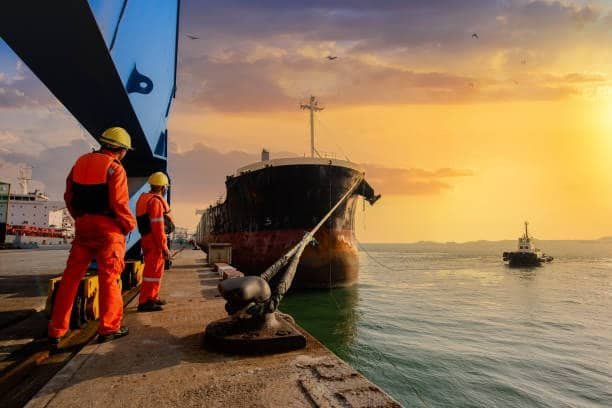
Picture this: A manufacturer in Shanghai ships $50,000 worth of electronics to a retailer in Los Angeles. Halfway across the Pacific Ocean, rough seas damage several containers. The critical question becomes:
Who bears the financial responsibility for this loss? The answer lies in understanding FOB terms—one of the most fundamental concepts in international trade and logistics, including freight costs, freight on board FOB.
Free On Board (FOB) is an internationally recognized trade term that is part of the broader category of international commercial terms that determines exactly when ownership, risk, and responsibility transfer from seller to buyer during the shipping process. Whether you’re a small business owner importing your first container or a logistics professional managing complex supply chains, understanding FOB terms can save you thousands of dollars on shipping costs and prevent costly disputes. and prevent costly disputes, the seller pays.
In this comprehensive guide, you’ll discover the precise FOB definition, learn about FOB Origin versus FOB Destination, understand real-world applications, and master when to use each variant. By the end, you’ll have the knowledge to negotiate better shipping terms, including shipping costs, and protect your business interests in global trade.
What Is FOB?
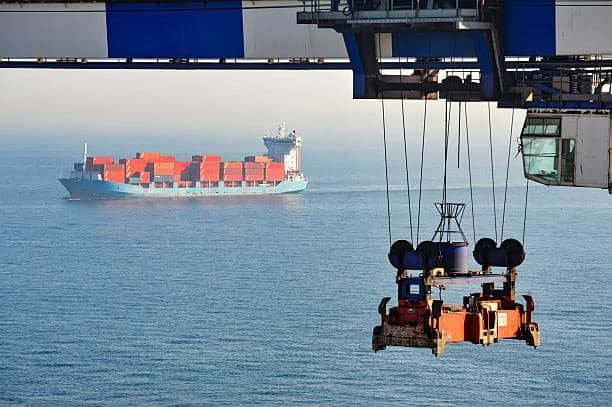
Free On Board (FOB) is an official Incoterm (International Commercial Term) that describes the moment at which ownership and risk pass from the seller to the buyer in international shipping operations. FOB terms, developed by the International Chamber of Commerce, provide a clear framework for deciding who pays for shipping, insurance, and other transportation costs to the seller’s shipping pier. Under FOB rules, the essential moment of transfer is when commodities cross the ship’s rail at the specified port.
At this particular time, numerous key changes occur as the items make their way to the end destination, FOB destination, or freight collect.
- Risk transfer: The buyer assumes all risks of loss or damage
- Ownership transfer: Legal title passes to the buyer
- Cost responsibility: The buyer becomes responsible for freight, insurance, and customs duties
- Logistics control: The buyer gains control over shipping arrangements and carrier selection
The “Free On Board” vs. “Freight On Board” Confusion
People often get the phrase “Freight On Board” wrong. The right word is “Free On Board,” which means that the seller has to deliver the items “free” (meaning cleared) to the ship at the agreed-upon port. This historical word comes from maritime trade, when products were practically loaded “on board” ships, typically with a prepaid transportation process. The phrase “free” doesn’t indicate that there is no cost; it signifies that the seller has completed their delivery duty by putting the products aboard the ship and getting them ready for shipment. The buyer is responsible for all risks and liabilities after the products are “free on board.”
FOB Variants: Origin vs. Destination
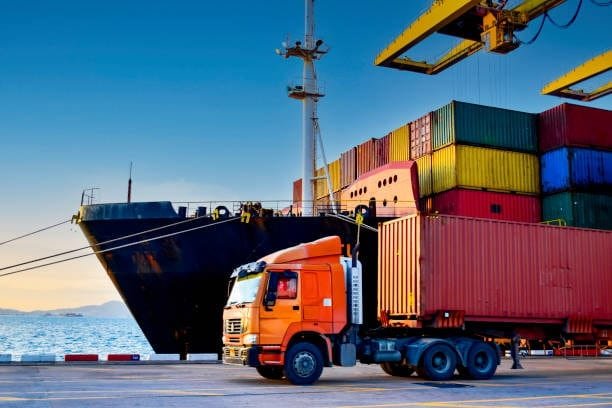
To make smart shipping choices and pay for freight expenses, you need to know the two main types of FOB. Each version has a big impact on how costs are spread out, how risks are shared, and what duties maritime freight transport has.
FOB Origin (Shipping Point)
FOB Origin, also called FOB Shipping Point, places maximum responsibility on the buyer. Under this arrangement:
Buyer Responsibilities:
- Arrange and pay for the main transportation from the origin port
- Purchase cargo insurance to protect against loss or damage
- Handle customs clearance and duty payments at the destination
- Manage logistics coordination and carrier relationships
- Bear all risks once the goods are loaded onto the vessel
Seller Responsibilities:
- Deliver goods to the origin port
- Load goods onto the vessel
- Handle export customs clearance
- Provide necessary shipping documents
Cost Structure: The buyer typically pays lower product prices, but as a result, the buyer deducts higher logistics and freight charges, along with risk management costs.
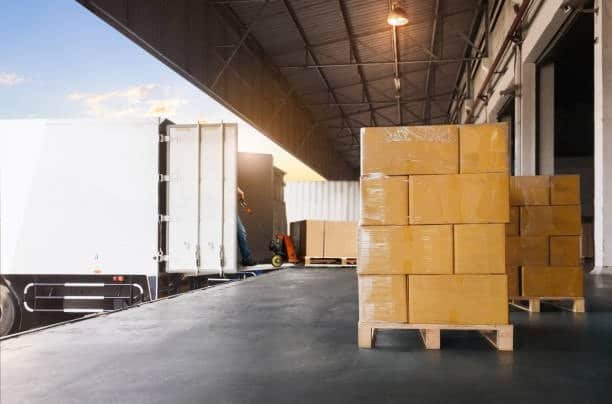
FOB Destination
FOB Destination, which can be FOB Destination freight prepaid, puts most of the responsibility on the seller or shipper and increases freight expenses. This makes things easier for purchasers and lowers their risk:
Seller Responsibilities:
- Arrange and pay for complete transportation to the destination port
- Purchase comprehensive cargo insurance
- Handle both export and import customs procedures
- Manage all logistics coordination until delivery
- Retain risk until goods reach the buyer’s designated location
Buyer Responsibilities:
- Receive goods at the destination
- Unload goods from the carrier (in some cases)
- Store and distribute goods as needed
Cost Structure: Higher product prices that include shipping and insurance costs may lead to an expensive invoice seller assumes, but predictable total landed costs for buyers.
FOB Comparison Table
| Aspect | FOB Origin | FOB Destination |
|---|---|---|
| Risk Transfer Point | At the origin port loading | At destination delivery |
| Freight Payment | Buyer | Seller |
| Insurance | Buyer arranges | Seller provides |
| Customs Duties | Buyer pays | Varies by agreement |
| Logistics Control | Buyer controls | Seller manages |
| Product Price | Lower base price | Higher inclusive price |
| Best For | Large buyers, logistics expertise | Small buyers, convenience |
Why FOB Matters for Business & Accounting
The FOB terms go well beyond mere shipping arrangements, including the freight invoice, to also include an underlying effect on financial reporting, tax requirements, and business operations in modern domestic shipping.
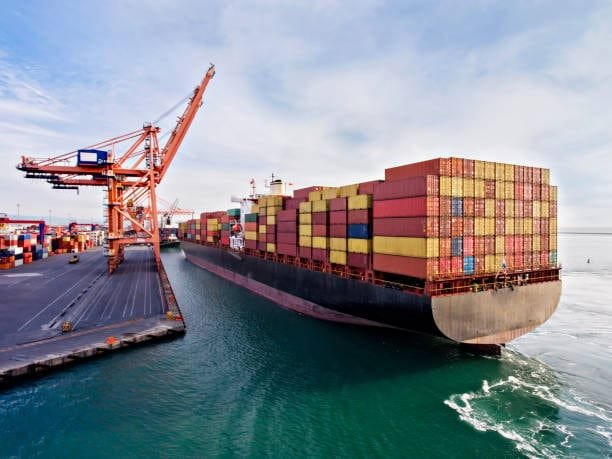
Liability and Ownership Transfer
Various significant business implications are initiated by the moment of transfer of ownership by the terms of FOB:
Inventory Recognition: Under the FOB Origin basis, goods in transit should be recognized by the buyer, and they should be shown in their balance sheet. On the other hand, FOB Destination goods are kept in the inventory of the seller until the time of delivery is completed by the seller completes.
Revenue Recognition: Sellers are only allowed to recognize revenue when the seller has met his or her FOB requirements. Under FOB Origin, the recognition of the revenue is possible earlier (when loading at the port), whereas with FOB Destination, the recognition is not possible until the delivery at the destination.
Insurance Claims: Insurance claims have to be filed by the party to whom the damage was permanent and cover any holes in the coverage.
Financial Reporting Impact
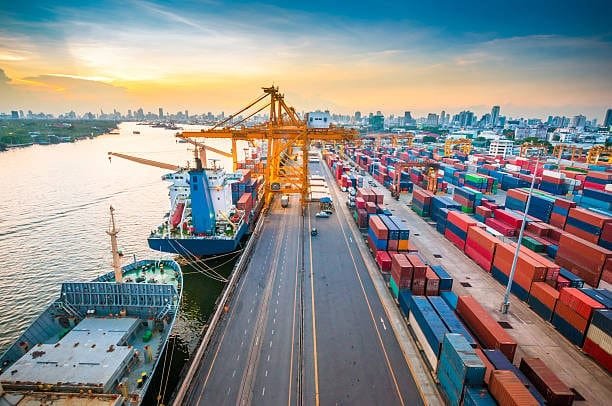
The terms of FOB have a direct impact on quarterly and annual financial statements:
- Cash Flow FOB Origin means that buyers pay shipping fees upfront, which affects the management of working capital.
- Cost of Goods Sold: Diverse FOB terms influence the sorting of transportation costs in a financial statement.
- Risk Management: The exposure of the companies to FOB will influence the risk management strategies and insurance coverage that the company will need.
Comparison with Other Incoterms
Although FOB is relatively limited to sea freight, a little knowledge of how it connects to the other widely used terms can help explain its range:
CIF (Cost, Insurance, and Freight): Unlike FOB Origin, CIF requires the seller to deal with the insurance and freight to the port of destination, but the risk is retained at the port of origin.
DAP (Delivered at Place): Seller bears the risk and expenses up to the point when goods are delivered to the nominated destination, providing the buyers with maximum convenience.
EXW (Ex Works): This puts the greatest responsibility on the buyers, who have to collect goods at the premises of seller themselves.
Common Misunderstandings
There are some common misconceptions related to freight on board shipping terms that may result in expensive disputes and operational difficulties.
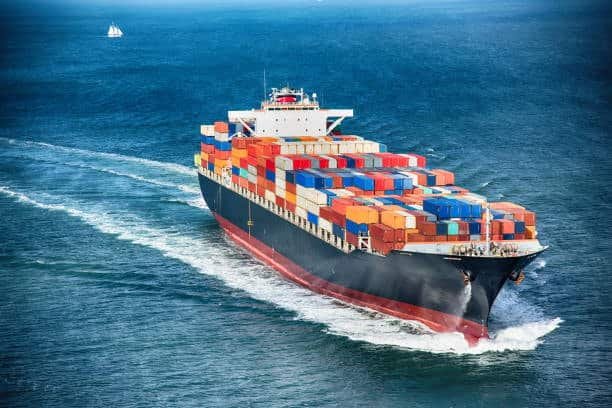
The “Freight On Board” Misnomer
A lot of people use FOB, but it’s not the right term. In international commercial law, “Free On Board” has a specific legal meaning. Using the wrong terms in contracts can confuse and make it hard to settle a disagreement.
Limited Scope Application
The FOB terms were initially planned for sea and inland waterway transport. Nevertheless, a large number of companies misuse FOB, using it with air deliveries, truck deliveries, and multimodal deliveries. In the case of a non-maritime location, more suitable Incoterms are:
- FCA (Free Carrier) of air and ground.
- Multimodal arrangements paid by car CPT (Carriage Paid To).
- DAP (Delivered at Place) door-to-door.
Regional Usage Differences
In the U.S. and Canada, FOB terms are often used for truck and rail shipments. This is different from the international Incoterms definitions.
International Standards: Incoterms for international trade are very strict, and FOB can only be used for sea transport.
When North American companies trade with other countries using a domestic vocabulary, this difference could cause problems.
Choosing the Right FOB Term
It is always important to analyze a number of factors with respect to the shipping point business when choosing between FOB Origin and FOB Destination.

When FOB Origin Works Best
FOB Origin gives large, established businesses more control and possibly lower costs because they have their own logistics teams and work with a carrier.
High-Volume Shippers: Companies that ship a lot of goods can get better shipping rates and make the most of economies of scale.
Logistics Specialization: Companies that have their own customs brokerage and know a lot about international trade can handle the extra work.
Cost Optimization: Buyers who want to have the most control over the cost and quality of shipping prefer FOB Origin arrangements.
When FOB Destination Is More Practical
Small and Medium Businesses: Companies that don’t have logistics systems like it when shipping is either handled by the seller or paid for in advance.
Companies that buy things from other countries on occasion don’t have to deal with customs and freight forwarding all the time.
Risk-Averse Buyers: These are businesses that want to know how much they will spend ahead of time, but only until the buyer is in charge of logistics.
New Market Entry: FOB Destination is usually the initial new geographic market where firms are entering to simplify the operations.
Key Decision Factors
Control Requirements: FOB Origin offers the utmost control over the choice of carriers, routes, and delivery time.
Risk Tolerance: Take into account the capacity of your organization to insure cargo, clearance, and possible losses.
Cost Structure Preferences: FOB Origin has a low cost product price and variable logistics costs, whereas predictable total costs are offered by FOB Destination.
Logistics Capabilities: How well your team knows the business of international shipping, customs clearance, and freight forwarding.
Real-World Scenarios & Examples
The FOB terms can be explained by giving them practical examples, which would help us comprehend the actual effects of the terms, including freight cost, on the running of a business.
Scenario 1: Electronics Manufacturer Export
Context: TechPro Manufacturing in Shenzhen sells 100000 units of smartphones to ElectroMart, which is a retailer in Hamburg, Germany.
FOB Origin (Shenzhen) Terms:
- TechPro provides the phones to the Shenzhen port and puts them on the ship.
- ElectroMart incurs costs of ocean freight of $8,500, insurance of 1,200, and German customs of 3,200.
- Total ElectroMart cost: $112,900
- When goods pass over the rail of the ship in Shenzhen, there is a risk that is transferred.
FOB Destination (Hamburg) Terms:
- TechPro organizes the entire delivery to the port of Hamburg.
- ElectroMart is charged a total of $115,000 (including freight and insurance)
- TechPro insures until goods are delivered to Hamburg.
- ElectroMart continues to pay customs duties worth $3,200.
Analysis: FOB Origin will help ElectroMart to save money by $2,100, but they will also have to deal with international logistics and take on transit risks.
Scenario 2: Small Business Import Challenge
Situation: Artisan Coffee Roasters is a small, specialty coffee shop that imports 15,000 worth of high-quality beans from a Colombian supplier through a shipping agreement.
FOB Origin Challenges:
- Less logistics knowledge translates to an additional $800 in broker fees.
- Absence of cargo insurance means that the loss due to the damage of the container is 2,500.
- Total unexpected costs: $3,300
FOB Destination Benefits:
- Supplier does all the logistics at an 8 percent price premium (1200).
- Extensive insurance cover.
- Costs that can be predicted give an opportunity to manage cash flow better.
- Net Savings versus FOB Origin: 2100.
Small Business vs. Large Enterprise Considerations
Small Business Advantages of FOB Destination:
- Less administrative load.
- Availed of the pre-established logistics networks of the supplier.
- Reduction in the cost of insurance through volume rates of the supplier.
- Streamlined customs.
Large Enterprise Benefits of FOB Origin:
- Volume commitment freight rates.
- IS of logistics management.
- Service level agreement and direct carrier relationships.
- Improved supply chain availability and management.
Frequently Asked Questions
Is insurance included under FOB terms?
No, FOB terms do not automatically include insurance. In the FOB Origin, the buyer is required to obtain individual cargo cover to cover against loss or damage in transit. In FOB Destination, the insurance is usually taken by the sellers, which must be stated in the sales contract explicitly. In every FOB version, always check insurance coverage information.
Does FOB apply to air freight or road shipping?
No, technically. When it comes to official Incoterms, FOB conditions only apply to sea and inland waterway transport. When shipping by air, you don’t use FCA (Free Carrier) terms. If you’re moving goods by road, think about CPT (Carriage Paid To) or DAP (Delivered at Place). In North America, FOB is used in all types of transportation for domestic trade, which is different from international standards.
Who pays customs duties under FOB?
In both FOB versions, the buyer usually pays import duties and taxes. FOB terms are mostly used to deal with the transfer of risk and responsibility during shipping, not to meet customs requirements. But not all FOB Destination deals require payment of duties; this must be made clear in the purchase contract. Under all FOB terms, the seller has to pay for export duties and clearance.
What happens if goods are damaged during FOB transit?
Under FOB Origin, the buyer is responsible for damaged goods and must file insurance claims if he has insurance. Under FOB Destination, the seller is responsible for any damage that happens before delivery. The person who takes the risk until the damage is done has to pay for the insurance claim process and any gaps in coverage.
Can FOB terms be modified in contracts?
Yes, you can change the terms of FOB by looking at the contract’s specific language. The parties can also say when the risk will be passed on, who will pay for different services, and how the disagreement will be settled. But big changes can be confusing, so it’s important to write them down clearly to avoid confusion.
Conclusion & Call to Action
Everyone who works in international business and logistics should understand what FOB entails. FOB Origin, or FOB shipping point, is a versatile and cost-effective option for experienced buyers. FOB Destination, on the other hand, is simpler and less risky for smaller businesses or those that only import occasionally.
The problem is to select the best form of FOB, such as freight collect, based on your company’s logistical capabilities, willingness to take risks, and budget constraints. Remember that the precise phrasing of the contract might help you avoid costly legal battles and misunderstandings in the workplace. You can pick FOB Origin or FOB Destination, but everyone involved should understand what their responsibilities are. When dealing with high-value commodities or complex global routes, it is advisable to seek assistance from logistics specialists.
Do you need to optimize your shipping strategy? Please leave a comment below on your experience using FOB, or read our entire series of tutorials on how to enhance your supply chain and ship goods worldwide. Every week, we send you an email to keep you up to date on the newest logistical trends and business developments.