In the current competitive e-commerce environment, customers expect effective fulfillment solutions and operations to be make-or-break factors for your business success. With online shopping gaining momentum with each passing day, it is important to grasp your fulfillment model and streamline it to maintain lasting growth and client satisfaction.
What is E-commerce Fulfillment?

The ecommerce fulfillment process, which refers to, is a term that refers to the overall steps involved in the receipt, handling, and delivery of orders placed on your online shop. This highly intricate process starts as soon as a customer presses the button that says, buy, and continues until the item is delivered to their door, and after as well in processing returns, the entire fulfillment process.
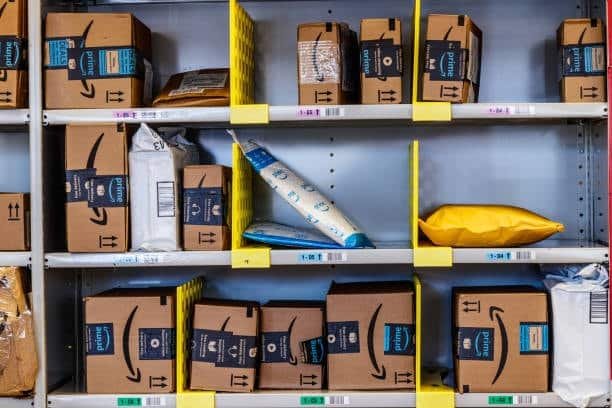
The fulfillment process is the backbone of the supply chain and a key determinant in meeting customer demand through strategic fulfillment planning, enhancing customer experience when the customer places an order, and managing operational costs, as well as scaling your business’s inventory management system. One benefit of efficient fulfillment operations includes the ability of the business to deliver accurate and fast deliveries as per the requirements of the customer without increasing costs as customer orders rise.
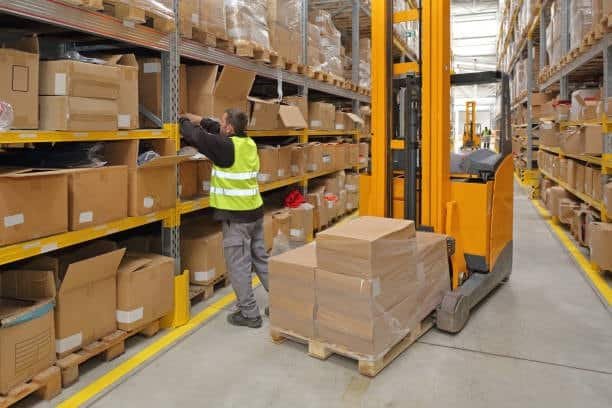
In contemporary commerce fulfillment, in addition to the most modern inventory tracking systems, distribution centers must be in strategic locations, well-integrated with multiple sales channels and carrier networks storing inventory. The objective is to establish an easy and automated system that would ensure fast shipping and a smooth production process that can accommodate variable demand without errors and delays.
Understanding Kitting in E-commerce Fulfillment

Kitting is a strategic fulfillment method that comprises various individual products or SKUs being combined into one package under a new combined SKU. This converts individual pieces into bundles ready for packing and shipping, helping to optimize inventory management, making tracking stock easier, and placing less pressure on the processing order.
Kitting can be used with subscription boxes, seasonal gift sets, bulk product combinations, and commonly ordered item pairings. An example of this is that an electronics retailer may bundle a protective case and screen protector with a smartphone as part of their fulfillment services, to create a starter bundle that many customers buy.

The fulfillment process is the most important part of the supply chain. It helps you meet customer demand, make the ordering process better for customers, keep costs down, and make your business’s inventory management system more scalable. One advantage of running a smooth fulfillment operation is that the business can meet customer needs by making quick and accurate deliveries without raising costs as more orders come in.

Not every fulfillment provider offers the full kitting services package, which includes the ability to add more warehouse space, manage labor, and keep track of inventory. Kitting is an important service at the advanced fulfillment centers. They offer custom assembly services that may include promotional parts, branded packaging, and products that are made for a specific assembly that are meant to be used in a marketing campaign.
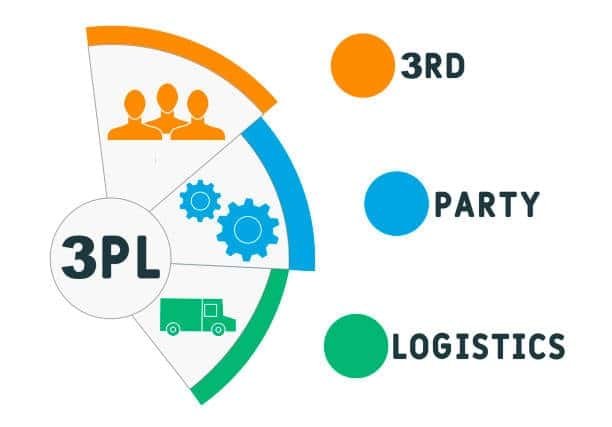
The Strategic Advantages of Outsourcing to Third-Party Logistics (3PL)
Working with a third-party logistics provider has a lot of advantages. These are companies that handle logistics for e-commerce businesses that are growing quickly and need the economies of scale that come with using an existing third-party logistics facility.
Cost-effectiveness is the main reason why companies use 3PL. The cost of e-commerce fulfillment, which includes warehouse storage costs and the cost of buying and running fulfillment centers, can be a big investment in warehouse space, technology systems, equipment, and trained staff.Using the services of a 3PL provider can give you access to cutting-edge fulfillment centers at a much lower cost than keeping them in-house.
With the 3PL partnerships, operational efficiency gets a great boost. Professional fulfillment providers have years of optimization expertise, sophisticated warehouse management solutions, and long-established carrier networks that can result in reduced processing times, cheaper shipping rates, and higher accuracy levels. These providers also facilitate international shipping and constantly have a stream of investment in technology updates and processes that are beneficial to all their clients.
Scalability can be achieved without a hitch using 3PL services. In peak seasons or periods of rapid growth, 3PL providers can allocate their resources, storage, and processing capacity in a short time without posing long-term commitments to the merchants. Such flexibility enables business growth, allowing businesses to meet customer expectations and variations in demand without the threat of overcapacity during low periods.
A 3PL network with more than one warehouse makes it easier to reach geographic success. For an online store, distributed inventory placement also lowers shipping costs and delivery times by optimizing shipping carriers. This lets the store serve a larger market faster without making things more complicated by having to keep track of multiple facilities that aren’t connected.
Comprehensive 3PL Services Overview

The current third-party logistics providers have diversified their service portfolios to include all aspects of e-commerce operations. Knowing these services will assist with order management and help businesses in assessing the possibility of cooperating with them and getting the most out of their fulfillment strategy.
Inventory Management and Planning

Planning and inventory management are the most crucial essential components of 3PL services. In order to prevent stockouts while minimizing carrying costs and avoiding long-term storage fees, providers can offer sophisticated demand signals, algorithm-based reorder points, and inventory optimization features.Advanced systems provide real inventory transparency across all sales channels and zero locations.
Freight Management
Managing freight means making sure that inbound logistics and transportation processes work together, that relationships with carriers are good, and that shipping costs are as low as possible. Third-party logistics companies that are professionals can talk to major carriers and get good rates. They can also offer shipping options that are flexible, from ground delivery to express air freight.
Returns Processing
It has become very important because the number of returns on e-commerce sites is still going up. Full returns management includes checking, fixing, or restocking returned items, or getting rid of them. Advanced providers offer more detailed analytics on returns so they can help a merchant find quality problems and cut down on returns in the future.
Pick and Pack Operations
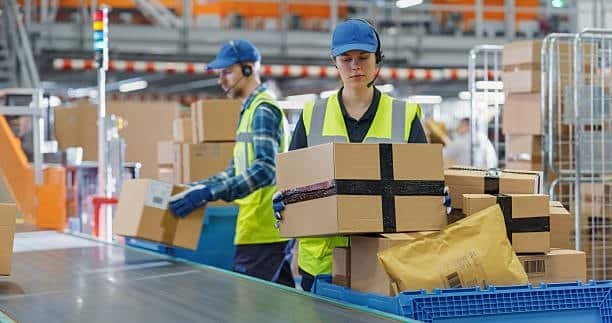
Orders are properly constructed and packed for shipment as part of the fulfillment process. In order to ensure maximum efficiency without sacrificing accuracy, operations nevertheless use coded bins, employ batch picking tactics, and set up quality control checkpoints.
Assembly and Value-Added Services
It is possible to go beyond the standard fulfillment process and include additional services such as special packaging, inserted promotional materials, gift wrapping, labeling, light manufacturing operations, or assembly. With the help of these services, retailers are able to provide individualized experiences for their customers without having to deal with additional processing.
Platform-Specific Integration

It allows cross-connection with the most prominent e-commerce systems, including Shopify, Amazon, and WooCommerce, as well as new platforms like TikTok Shop. Advanced providers’ features include the ability to ship orders, as well as REST APIs and plug-ins for real-time order synchronization and inventory updates.
Detailed Order Fulfillment Process Flow
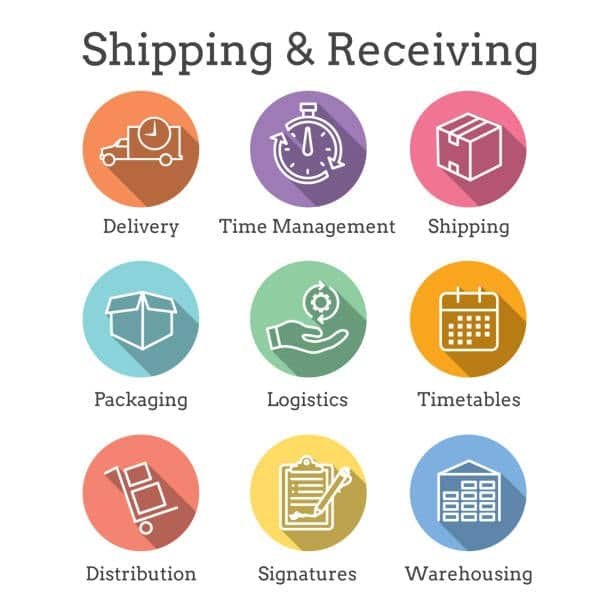
The insights into the fulfillment orders process can help the merchants to plan and streamline their current operations and define the proper customer expectations. The recent efficient order fulfillment process includes seven defining steps.
Order Receipt and Processing
When buyers buy something from the online business they are trading in, orders start. Before the order enters the processing cycle, advanced 3PLs will have an API connection that will automatically check the order information, payment confirmation, inventory availability, and other things.
Intelligent Picking Operations
Considers highly intelligent warehouse management systems to enhance the efficiency of pickers’ duties and minimize their movements. The warehouse has been divided into zones that operate in a specific direction to facilitate the efficient retrieval of items, while bulk selecting has been enabled, allowing employees to retrieve multiple orders.
Quality Control and Packing
The transmission of items that have been examined for quality is followed by a comprehensive check of the products that have been chosen against the order specifications, and then the following selection of packing materials is made based on the nature of the product and the necessity of shipping the product. The difference between safeguarding the object and incurring excessive dimensional weight pricing charges can be determined by the quality of the packaging that is used, regardless of whether it is a printed book or a case of items.
Carrier Selection and Label Generation
Chain shipping rules engines are utilized in this process to automatically choose the most suitable carriers based on the location where they are required, the nature of the packages, the required speed to deliver the products, and the cost. Automation of the handoff procedure is achieved through the use of autorun label printing and tracking number creation.
Final Quality Checks and Shipment
Incorporates barcode scanning verification, weight verification, and carrier acceptance that maintains accuracy before orders are shipped out of the fulfillment center.
Delivery Tracking and Communication
Delivery Tracking and Communication works with many service providers to let customers find their shipment in real time through automated email notifications and access to a tracking portal. This cuts down on customer service calls and increases customer satisfaction.
Post-Delivery Follow-Up
When customers order online, they can get delivery confirmation, customer satisfaction surveys, requests for reviews, and incentives to make their next purchase. These things will help you build long-term relationships with customers and get useful feedback from them.
E-commerce Fulfillment Comparison Matrix
| Fulfillment Aspect | Self-Fulfillment | Third-Party Logistics (3PL) | Hybrid Approach |
|---|---|---|---|
| Receiving | Manual check-in, limited space | Automated systems, scalable capacity | Selective outsourcing based on volume |
| Inventory Storage | Limited warehouse space, basic tracking | Professional facilities, advanced WMS | Core inventory in-house, overflow outsourced |
| Order Processing | Manual or simple automation | Sophisticated batch processing | High-volume orders outsourced |
| Shipping | Standard carrier accounts | Negotiated rates, multiple options | Best rates from combined approaches |
| Returns Handling | Time-intensive manual process | Streamlined processing and analytics | Complex returns outsourced |
| Technology Integration | Basic e-commerce platform connection | Advanced APIs and real-time sync | Platform-specific optimization |
| Scalability | Limited by space and labor | Infinite scale with network effects | Flexible capacity allocation |
| Cost Structure | High fixed costs, low variable costs | Low fixed, scalable variable costs | Optimized cost distribution |
| Control Level | Complete operational control | Partnership-based oversight | Strategic control retention |
| Geographic Reach | Single location limitations | Multi-location distribution | Targeted market coverage |
Platform-Specific Fulfillment Considerations
Different e-commerce platforms have special fulfillment needs and potentials, and these are those that e-commerce brands and merchants must take into consideration when planning their fulfillment strategy.
Fulfillment by Shopify – Fulfillment by Shopify has a lot of benefits, such as being deeply integrated with the app ecosystem and having built-in options for fulfillment networks. Premium inventory tracking apps make it easier for Shopify stores and 3PL eCommerce partners to sync almost in real time. Shopify Fulfillment Network also has built-in logistics services for members who meet certain criteria.
Amazon Integration – you need to think about Fulfillment by Amazon (FBA) and third-party fulfillment very carefully. FBA gives you access to Prime and handles logistics in-house, but merchants can also look into 3PL solutions, which give them more control over the end-user experience, inventory management across multiple channels, and more.
Multi-Channel Operations – Operations Across Multiple Channels E-commerce sites like eBay, Walmart, TikTok Shop, and D2C websites have different needs for routing orders and allocating inventory than their own operations can handle well on their own, so they need professional 3PL logistics providers.
Conclusion: Building Your Optimal Fulfillment Strategy
A well-planned business model, growth path, and consumer deliverables are essential components of e-commerce fulfillment. While in-house fulfillment offers the most comprehensive level of control, the complexity, hidden fulfillment costs, and expense of contemporary logistics operations render third-party logistics relationships more appealing to a company that is expanding. Identification of fulfillment partners that offer order fulfillment services and possess the necessary technology integration and scalability to support your long-term growth objectives is the key. These partners must also understand the specific requirements of your industry.
The key to e-commerce success in the competitive market will be the effective planning and operational execution of the processes that entail filling orders, regardless of your strategy, whether comprehensive 3PL outsourcing or hybrid. Concentrate on the partners who regard services such as kitting, returns processing, and multi-channel integration as core competencies rather than an add-on service. A competitive advantage can be achieved by implementing the appropriate fulfillment strategy, which can result in a more efficient deployment of capital on activities that are related to the primary business of a company, improved customer satisfaction, and speedier growth.