
Introduction
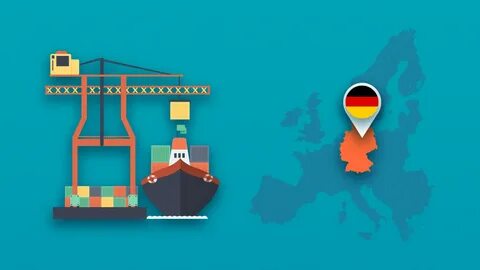
The transatlantic trade route between the United States and Germany is one of the most important trade routes in the world and billions of dollars of merchandise travel across the ocean each year. To companies involved in cross-border e-commerce, manufacturing alliances, or conventional export-import business, knowing how to effectively transport goods out of Germany and into the USA might be the difference between gain and loss customs processes. This is a complete manual that will take you through all information that is essential in shipping costs, transit times, mode of transportation, shipping options, and logistics operations, anticipation delays that may be incurred and how to best utilize your logistical operations.

It is a more timely discussion than ever. The current freight markets are volatile due to post-pandemic disruptions and are influenced by inflationary pressures on fuel costs, labor rates, and total supply chain costs. Companies transporting goods between America and Germany are finding the challenges more difficult than ever before to negotiate at a competitive price, taking into account import taxes, and consistent transportation time. Regardless of whether you are a small online retailer who sells individual package shipments or a manufacturer who loads containers of full cargo, to be successful in the modern global market, it is crucial to understand the basics of transatlantic shipping methods.
1. What Affects the Cost of Shipping Germany → USA

The first step in controlling your shipping costs is to understand the overall cost of shipping drivers. Distance is an apparent factor- transporting across the Atlantic Ocean consumes a lot of fuel, ship time and infrastructure. But it is not merely the distance or customs duties that tell the whole story. Surges charge depending on world oil costs and may severely affect your ultimate bill, occasionally even 20-40 percent over basic prices in high petroleum scenarios.
Another level of complexity is the variation in currency between Euro and US Dollar. As freight rates and shipping routes can be quoted in either currency the exchange rate fluctuations can favor or disfavor you depending on the timing and the terms of the contract. When the Dollar appreciates in relation to the Euro, the purchasing power of US importers increases, whereas the vice versa case raises the prices of American businesses that purchase imported goods from Germany.
Shipping costs are basically determined by the type and weight of your cargo. Depending on the greater of actual weight and dimensional weight, carriers charge by either of the two. Dimensional weight is based on the amount of space taken not just the weight, i. e. bulky and lightweight items would not be as cheap as their scale weight would indicate. To illustrate this, transporting furniture or packing supplies is more expensive, on a per-kilogram basis, than dense electronics or machine parts compared to fcl shipping .
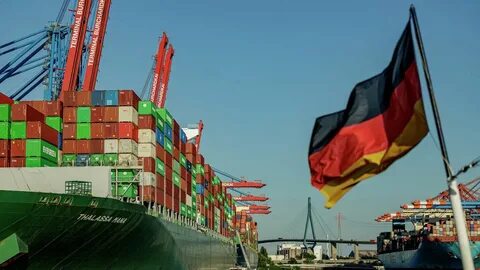
The shipping mode of transport you are using incurs huge cost variations. Ocean freight is generally a small fraction of the costs of air freight, but it has much longer transit times. Express courier services are priced highly and are never rivalled in terms of speed and convenience. The economic sweet spot of each mode is subject to shipment characteristics.
Very important are the origin and destination details. Sailing to large German ports such as Hamburg, Bremerhaven, and Bremen have more selecting options and better prices than starting the journey by truck at a departure location. Likewise, distribution to large US ports like New York, Los Angeles, or Houston is generally less expensive than delivery to smaller local ports. Port-to-final-destination inland transport is another layer of costs that depend on the distance and the quality of the infrastructure.
Neglect not the many additional charges and fees added to the basic freight price. These are terminal handling fee, documentation fee, security upcharge, peak season fee and equipment positioning fee. The duties and taxes depend on the classification and value of goods, and the insurance pays when the goods are lost or damaged in transit. Smart shippers consider all these factors in their approach to budgeting instead of basing on what is being advertised as freight rates.
2. Modes of Transport & Their Tradeoffs
Ocean Freight

Ocean freight is the workhorse of international trade, transporting around 90 percent of total world cargo in volume. In the case of shipments Germany-to-USA, sea fcl freight maritime transport provides the economics that cannot be beaten for heavy or bulky shipments and where transit time flexibility is needed.
FCL Full Container Load FCL (Full Container Load) means that you are renting out an entire container (usually 20-foot or 40-foot) that you will use exclusively. The main benefit is that it is cost effective when you are carrying enough consignment to warrant filling the entire container, as you are charged a fixed rate irrespective of whether the container is full or not. FCL is also more secure, as your shipment is not touched or mixed with cargo of other shippers so the risk of damages and possible delays is also minimized. Their chief disadvantage is that they require enough cargo volume to be viable; empty space does not make the economics work.
LCL (Less-than-Container Load) is offered to shippers who cannot afford to fill a container. Your shipping mixes space with the cargo of other shippers, and you pay on a cubic meter basis. Although it may sound cost-efficient, LCL comes at a cost of having to consolidate cargo at the pick-up point and de-consolidate cargo at the delivery point, which increases the transit time and risk of damage. The lcl shipping cost per cubic meter is usually higher than an equivalent FCL rate, though the overall cost of a shipment is less on a smaller shipment. The consolidation process also increases LCLs scheduling limitations and lead time.
Air Freight / Cargo
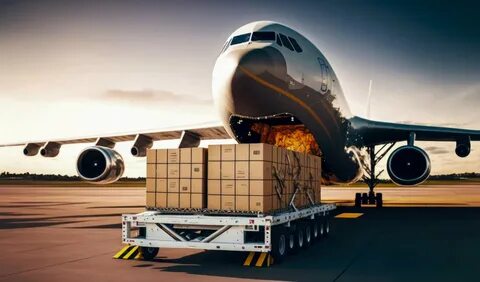
Air freight is one of the fastest shipping modes of its kind, which moves products in days instead of weeks across Germany to the USA. This mode is best used in cases of urgent delivery, commodities that are high valued and require a faster delivery method to lower the inventory holding expenses, or commodities that have limited shelf life such as fresh foods or fashion merchandise acting on the changes of the season.
The first tradeoff is cost – air transportation generally costs 5-10 times as much as ocean transportation per kilogram. Both weight and volume are important, and dimensional weight calculations are used by carriers on bulky products. There are also increased restrictions on air cargo, especially on hazardous materials, batteries, liquids, and other dangerous goods. There are stricter regulatory compliance requirements and even simple mistakes in documentation can result in major customs delays.
Air freight is economical when the value of products is worth the premium cost, when time is of the essence in the market, or when the total logistic costs such as carrying costs with your shipping partners and the risk of obsolescence would be cheaper with expedited delivery. Pharmaceuticals, electronics, documents, samples, and e-commerce packages are often transported through the air despite the increased per-unit prices.
Express / Courier Option

Courier services such as those of DHL, FedEx, and UPS have the highest level of speed and convenience with a delivery time of 2-5 days. All these services are able to provide outstanding tracking and customer service, as well as all documentation, customs clearance, and last-mile delivery.
Small, urgent parcels (usually less than 70 kilograms) are best served by express shipping, as are documents needing urgent delivery or when simplified logistics and less administrative overhead is warranted by high prices. Express services are often utilized by e-commerce business when orders are made for larger shipments by individual customers and the shipping cost can be reimbursed by the final customer or absorbed in product margins. The express services are all inclusive and therefore there are no surprises because most fees and taxes are generally included in the quoted price.
3. Transit Time Expectations

Realistic expectations of the transit time avoid disappointments and allow planning. German-American ocean transportation usually takes 10-20 days of sea time, depending on route. A cargo ship between Hamburg and New York could take 10-12 days to complete the ocean journey whereas Hamburg to Los Angeles would have a longer trip around the Panama Canal or through the Suez Canal route and may take 18-22 days.
Port-to-port transit time is not the full story though. Complete door-to-door delivery consists of the inland delivery of your German plant to the departure port (1-3 days), waiting period to take a sailing when you miss it (it may take 3-7 days), ocean delivery, US port customs clearance (1-5 days), and inland delivery to the destination (1-5 days). Practically speaking, it takes 3-5 weeks of ocean shipping between the German warehouse delivery and the US.
Air express shortens distances significantly in time and flights between Frankfurt and the largest cities in the United States take less than 10 hours. The total transit time is, however, 3-7 days door to door including cargo handling, security processing, custom clearance, and ground delivery. Express courier services can deliver in 2-4 days and are characterised with prioritisation of shipments within their own networks.
The variability has a considerable effect on the actual transit times. There are significant peaks and valleys generated by seasonal factors: summer vacations in Europe, end of year shopping sprees, and the Chinese New Year all lead to congestion and capacity limitations at ports. On busy days, port congestion can extend to days or even weeks, especially in large US gateways with large import volumes. Delays and cancellations of vessels and flights occur due to weather conditions such as hurricanes, winter storms, or even fog. Shipments can take days to be released by customs inspections, documentation, or random screenings.
Intelligent logistics planning incorporates buffer time into plans. When your customer requires goods to arrive by a certain date, do not calculate the average time, but allow 1-2 weeks of buffer time on the ocean delivery and several days on air shipment to allow uncertainties. The choice of routes is also a consideration, as the air routes between Frankfurt and Los Angeles have more frequency and alternatives to secondary airports in the US compared to smaller cities in Germany, which are more reliable and can recover more quickly after disruptions, especially with a third party insurance agent .
4. Realistic Cost Estimates & Scenarios
Knowing the real costs in the world will guide you to budget effectively and also to select the proper mode of transport. Let us consider some of the situations that are representative of the prevailing market.
Small Shipment (50 kg, 0.5 cubic meters): A small shipment of this kind has a difficult economics through ocean transport, because carriers charge a minimum charge, not dependent on size. Depending on the ocean shipment, inland collection (€50-100), delivery to the destination (€75-150), and customs clearance (€50-100), LCL could amount to up to €325-600. 50 kg of air freight may cost between €200-400 based on dimensions and incur the same in inland and clearance fees, amounting to 375-650. Express courier may cost between 300-500 inclusive door-to-door. In the case of small shipments, the shipping process with express or air freight is usually more reasonable even though the per-kilo rates are higher due to the relatively small total difference and a much shorter delivery time.
Mid-Volume Shipment (500 kg, 3 cubic meters): This volume size starts to favor ocean freight economics. LCL ocean transport may involve ocean leg costs of €300-500 plus ancillary costs amounting to €500-800 door-to-door. 500 kg of air freight may cost around €1,500-2,500 in addition to handling, which adds to a total of €1,800-3,000. The ocean freight advantage becomes apparent, you save more than 1000 but share 2-3 more transit time. The success of that tradeoff is subject to inventory costs, customer expectations and product characteristics.
Full container load (FCL – 20ft container): A typical 20-foot container has a capacity of about 25-28 cubic meters, 20,000-22,000 kg. Existing FCL rates between German ports and the US East Coast have been between 1,800-3,500 and 2,200-4,000, respectively, based on season and capacity. Include inland pickup (150-300), destinations delivery (300-600), custom clearance (150-300) and other charges (200-400) bringing the total cost of delivery to the door to 2,600-5,100. To compute the price per cubic meter, it will be around 100-180 Euros. Equal weight by air would cost you around, or even more, €15,000-30,000- it would make ocean freight the only cost-effective option when full container loads are involved, unless there is a dire emergency that warrants the huge premium.
When Air Beats Sea: Parallel Play Ocean freight can be less expensive than air freight when the item is very light and bulky and the dimensional weight formula is based on air. A container of expensive, lightweight electronics that fills 2 cubic meters, but has weight of 50 kg, may pay disproportionate LCL charges on a volume basis and air freight charges on a weight basis. You should always do the calculation on both alternatives depending on the characteristics of the particular shipment and not assume that the cheapest shipping option is always sea.
5. Common Delays & Challenges
Even long-thought-out shipments have hurdles. There are continuing problems of port congestion, especially in the key US gateways, Los Angeles/Long Beach, Savannah, and New York/New Jersey. Ships spend days or weeks waiting in queue before receiving a berth and when berth is obtained, the discharge and handling of cargo is delayed as labor becomes scarce and equipment becomes inadequate. This is also sometimes experienced in European ports but in less serious cases.
Headaches are frequent with customs clearance. The most frequent culprit is documentation errors, either in the form of inaccurate commercial invoices, missing certificates of origin, unfinished shipping statements, or incorrect classification of goods evoking inspections and detainment. Some product lines are under increased scrutiny such as foods, pharmaceuticals, textiles, and any that are subject to anti-dumping or trade barriers. Random inspections are made without regard to the quality of documentation and sadly, the shippers can do nothing but wait to be released.
Peaks cause havoc to shipping schedules. Retailers in August through October build inventory in anticipation of the holiday shopping season and cause capacity crunches and rate spikes. German trade fairs such as the Hannover Messe-the fair or IFA Berlin create shipping booms as exhibitors transport booth materials and samples. The Chinese New Year has an impact on the top shipping routes and global logistics since it even though it takes place on the Asia-Pacific path, due to repositioning of containers and the allocation of capacities, all trade lanes will be affected.
Wild cards are born by external shocks. The COVID-19 pandemic showed how fast standard operations can fall apart, with port closures, cancellations of flights, and lack of truck drivers and warehouse capacity putting the entire global supply chain out of commission over several months. Political unrest causes uncertainty in the customs process , trade wars cause tariff reform, sanctions disrupt commerce routes, and conflict regions compel vessels to divert. Extreme weather such as the hurricanes that closed US Gulf Coast ports or winter snow that paralyzed European highways trigger ripple delays.
Sometimes, ocean freight is interrupted by container and equipment shortages. As containers build up at import destinations because of inland transportation bottlenecks, exporters are finding equipment to use. Changes of carrier schedules are common where shipping lines change rotations, merge or omit port calls to control expenses. Booked shippers occasionally have their cargo rolled to subsequent sails due to overbooking of ships or a decrease in capacity.
6. Choosing Freight Forwarders & Providers
Not many companies do the international shipping all by themselves. Freight forwarders provide the logistics interfaces linking the convoluted network of carriers, customs brokers, trucking firms, and documentation needed to make overseas deliveries. A good forwarder has knowledge in routing choice, regulatory approval and problem solving capability that could take years to build in the mind of a single shipper.
Reputation and track record are the most important factors to consider when choosing a freight forwarder. Request advice of business colleagues transporting similar goods on similar routes. Associations of industries and reviews on the internet will also help but treat any complaint raised with a fair degree of suspicion as there are usually other factors that have contributed to such problems in logistics, which are beyond the control of forwarders. Physically located companies in both Germany and the USA are usually more service-oriented and responsible than online only intermediaries.
The breadth of the networks is important. Top forwarders have links to many ocean carriers and airlines, which will mean choices when the capacity becomes constrained or the rate becomes excessively high with one carrier. They must also have good agents or offices at source and destination to supervise inland transport, and to deal locally with matters, instead of having to co-ordinate things at a distance.
Clear pricing and communication is what makes the difference between a good forwarder and a mediocre one. Line-item breakdown of all expenses eliminates unpleasant surprises at the time of delivery. Routine status reports and proactive information concerning delays or problems are indicators of customer service commitment. The experience is augmented by technology capabilities such as online tracking, documentation portals and shipment visibility tools.
The knowledge of Incoterms becomes critical when dealing with forwarders and identifying to whom different costs and risks are assigned. Germany-to-USA shipping is sometimes referred to as EXW (Ex Works, which means that the buyer takes all costs and risks at the premises of the seller), FOB (Free on Board, which means seller delivers to vessel and buyer takes all costs and risks at the port), CIF (Cost Insurance Freight, which means seller pays to destination port), and DDP (Delivered Duty Paid, which means seller pays to the end port). Negotiate and write down exactly what Incoterm to use so that there is no confusion over who pays what.
Other important shipping documents that you need to know are the Bill of Lading (receipt and contract of ocean shipping), Air Waybill (air shipping equivalent), Commercial Invoice (value and contents of goods to be shipped), Packing List (itemization of shipping contents), Certificate of Origin (where goods were made), and other compliance documentation depending on the type of goods shipped. These requirements are to be worked out by your forwarder, yet it is advisable to keep up a bare minimum of knowledge to avoid errors.
Packaging and load planning is of great importance in terms of costs and damage prevention. Correct packaging of goods ensures that they are safe throughout the handling process and eliminate claims of damage. Squeezing your material into containers or pallets is as efficient as possible to bring the cost per unit to the minimum. Badly scheduled loads spend money on unoccupied space or must be sent larger than is appropriate. Most forwarders provide packaging advice so that you can become more efficient.
7. Money-Saving & Speed-Boosting Tips
Shipping strategies are cost-effective and speedy at the same time. The first advantage is the easiest to achieve: freight costs, both sea and air, tend to be higher the closer the departure date, as capacities are limited. Ocean freight and air freight should be booked 2-4 and 1-2 weeks in advance and generally gain better rates and assure available space during high capacity times.
Peak windows will save a lot of money. Shipments should be planned out of the August-October retail preparation rush, year-end holidays, and post Chinese New Year rush, where possible. Timing flexibility has the potential to reduce costs 20-30 percent below peak period rates. Likewise, it is possible to expedite delivery by avoiding the use of Friday shipments where there is delay in processing over the weekend.
Consolidation strategies are applicable to companies that make numerous smaller deliveries. Instead of making 5 individual 200 kg air shipments in a month, consolidate to one 1,000 kg shipment in order to take advantage of volume discounts. Discuss with your forwarder the possibility of consolidation of your own products as well as those of other similar shippers.
Optimization of routes can find alternative and improved solutions to those that are more apparent. Hamburg to New York appears to make sense, but Antwerp or Rotterdam could be better in terms of rates and frequencies, based on the inland costs of transport in Germany. In the case of West Coast destinations, transit via Northern European ports versus via the Mediterranean has tradeoffs between route distance and the cost of canal passage.
Agreement on all charges and what is provided in quoted charges. Is the quote port-to-port or door-to-door? Does it cover clearance, domestic delivery and insurance? Are there fuel surcharges and peak season charges added on afterwards? Obtaining detailed quotes will help in avoiding cost overruns and will help to compare the providers properly.
Proper coding of goods and the usage of appropriate HS codes helps avoid painful delays, and there is a chance of duty cut. The Harmonized System is a set of standard product classification codes that are applied in the world in customs. Misclassification, although unintentional, leads to checks and sanctions. Take time to categorize your goods or products in a proper manner or contact a custom broker to help you out.
The strategic selection of ports or gateways may help to save time and money. Large ports have a higher frequency and better rates, however, in some cases smaller alternative ports have less congestion and may lower insurance costs . Alternatively to Los Angeles/Long Beach, consider Seattle/Tacoma, as far as the US West coast is concerned. New York/New Jersey can be substituted with Philadelphia or Baltimore on the East Coast.
Religiously track and monitor shipments with real-time visibility solutions. The latest technology allows tracking the location of the ocean containers with the help of GPS technology and provides a detailed update of the flight status. Delays should be reported early to allow them to communicate with customers proactively, and in some cases, intervene to avoid or reduce disruption. Most forwarders have begun to offer customer portals that have 24/7 access to shipment status.
Keep abreast of any regulatory changes that impact on your products or routes. The regulations, duty rates, the documents, and standards of compliance vary quite often. Keep abreast of industry developments by subscribing to trade magazines, becoming a member of an industry association, and staying in constant contact with your reliable freight forwarders or customs broker regarding developments that may affect your shipments.
8. FAQs / Myth Busting
There are a number of enduring myths regarding global shipping that need to be corrected. It is a simplistic fact that many shippers equate air freight to be more expensive than ocean freight, often without considering that prices are calculated based on various factors . With small, low-volume, less than 100 kg shipments, the overall landed airborne costs are sometimes more advantageous than ocean LCL when you consider faster delivery lowers inventory holding costs and allows a response time to market. Calculate both alternatives to your particular situation instead of relying on ocean freight.
The other myth is that FCL is always cheaper per unit as compared to LCL. Although this is mostly accurate, the calculations fail when you do not have enough cargo to fully utilize the space of the containers. It is also common to pay more per cubic meter when paying a half-empty 20-foot container than when consolidating LCL sea freight. The break even point is fairly stable at around 12-15 cubic meters, but this varies by the route and season.
It is believed that faster transit is safer delivery, but speed and safety are independent variables. Handling when shipping goods has opportunity to cause damage and the many touchpoints of air freight create damage opportunities even though the total time may be shorter. Packaging is much more important than mode of transport in terms of damage prevention. Likewise, the shortest transit time is worth nothing when clearance at destination takes days because of customs ports in germany.
Lastly, most shippers decide by just one quote and miss out on savings and improved service. There is a significant difference in freights offered by different providers depending on their carrier relations, existing capacity usage, and price policy. Getting three or five quotes offer bargaining power and will show you the actual market price container space. When dealing with a favorite forwarder, there are still instances when you should get competitive quotes, so that you are getting decent prices.
Conclusion
Transportation between Germany and the USA involves striking a balance between cost and speed issues and going through intricate logistics channels and legal mandates. The main lessons learned are that mode selection and competitive pricing are fundamental determinants of costs and schedule, that the quoted freight rate is just one part of the total landed cost, that one should add sufficient buffer time to schedules allowing the inevitable delays to occur, and that one should engage an experienced freight forwarder who can offer experience and network access that the individual shipper can hardly match. Markets are still unstable and the ability to plan ahead and be flexible is more vital than ever due to capacity limits and rate fluctuations still affecting shippers. You may be shipping sample items, you may be shipping large volumes of products in the normal flow of business, or you may be shipping in a full container, whatever is the case, the principles promoted in this guide will ensure that you make informed decisions that will enable you to maximize the performance of your supply chain. Act now, asking various providers to give you detailed freight quotes on your shipping lanes, comparing overall door-to-door charges closely instead of base rates, and developing relationships with logistics companies that can help you grow. We are asking you to comment on your experience of shipping to the U.S. (or from Germany), a question regarding a certain situation, or other tips that have been effective in your business.