In this fast-moving society of direct-to-consumer (DTC) fashion, how you can have your clothes shipped directly to the customer without a hitch can make or break your brand. This guide contains a step-by-step description of the whole process of fulfilling an order of apparel, and it assists the DTC brands in addressing the typical pitfalls such as high returns, stock accidents, and slow delivery. These workflows will help you increase efficiency, reduce expenses, and retain your clients, no matter whether you are scaling up or only beginning to operate.
What Is Apparel Fulfillment?
The apparel fulfillment is the entire process of processing clothing and other fashion products when they are received in a warehouse to the final point they reach the customer. It is connected with inventory control, quality control, picking, packing, and shipping which are specially designed as per the specific requirements of the garments such as different sizes, different colors, different fabrics.
This is critical particularly to DTC brands in comparison to traditional retail. DTC business can be lean as they sell online without opening physical outlets and any hitch during fulfillment can directly affect your bottom line, as well as your reputation. Contrary to the general third-party logistics (3PL) operations, which deal with the movement of electronics and books, apparel fulfillment requires a special approach: fabrics wrinkle easily, fit has to be perfect, and such aspects of branding as custom tags introduce the complexity to the matter.
The typical areas of concern in DTC apparel brands are the handling of several SKUs (stock-keeping units) in terms of styles and sizes, high returns rates based on the fit complications (it often is 20-30 percent in the industry), and seasonal peaks that put pressure on inventory. An effective apparel fulfillment process will take these directly on the head which will help to be precise and fast.
Why a Structured Apparel Fulfillment Process Matters for DTC Brands
An oiled Apparel Fulfillment workflow is not only operational but it is competitive advantage. In the case of DTC brands, efficiency entails shorter order turnaround time, which is likely to decrease cart abandonment and increase repeat purchases. It also reduces the return rate through reduction of mistakes such as dispatching wrong size or damaged products.
Uninterrupted experiences make customers more satisfied with the quality of their garments (neatly folded shirts, wrinkle-free delivery), arrivals, and deliveries on time, will result in loyalty. Moreover, professional packaging can be used to support your brand, making unboxings a social media moment to be shared.
This is the essential structure of expanding brands. When you grow, manual processes cause anarchy – imagine the wrong stock or order late. An automated system will facilitate growth without corresponding cost growth allowing you to concentrate on design and marketing instead of logistics nightmares.
Step-by-Step Apparel Fulfillment Process
So, the essence, the clothing fulfillment process that is divided into practical steps. This step by step guide shows the role of each step in ensuring smooth running of operations with best practices to prevent traps such as the stock variance or quality lapse.
1. Inventory Receiving & Counting
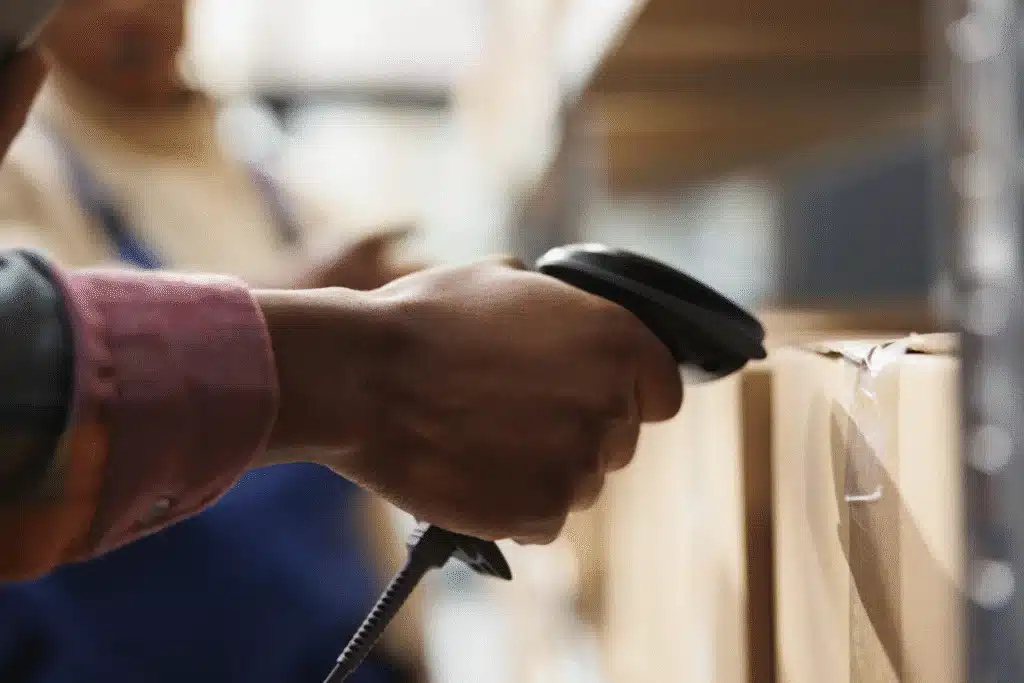
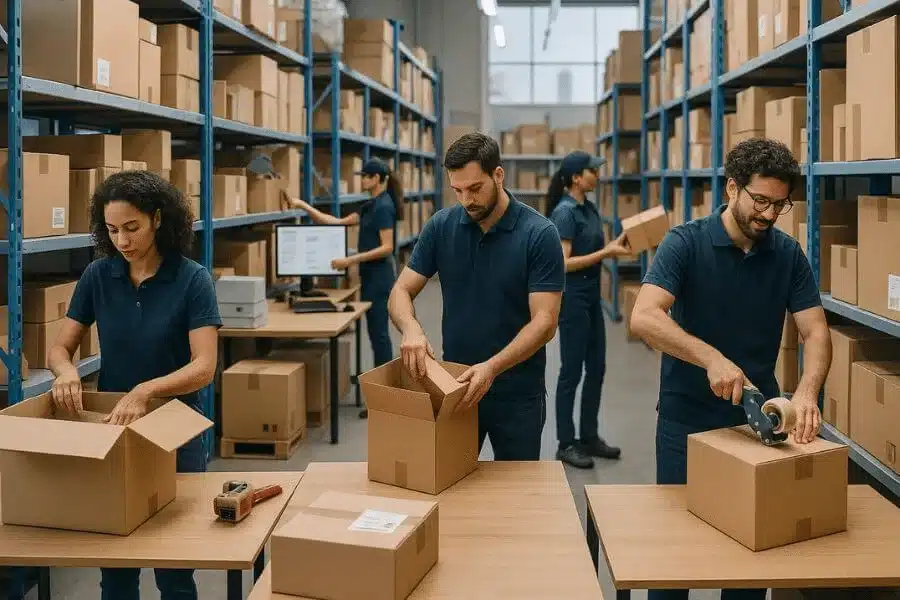
The chain starts with the delivery of shipments by suppliers. To start with, the cross checking against purchase orders (POs) is done to ensure quantities, styles and specs are checked by warehouse teams. Logging in of items into the system is with the help of barcode scanners whereby items are categorized in terms of size, color and style to avoid confusion.
This is essential when the lines of DTC brands are varied, such as the 10 colors and five sizes of tees. Such mistakes as communication with the suppliers in short supply or receiving defective goods are common mistakes that can be prevented through the use of double-checking measures and discrepancy reporting. Getting it right at receiving is the basis of good management on stock of the apparel in that you will never be selling out of stock.
2. Apparel Quality Control (QC)
After counting, each item is studied strictly. The QC department of apparel will inspect the garments on defects of fabric, irregular stitching, elasticity, and printing issues, and color differences. The teams also check the stains, tear or flaws in the manufacturing and discard poor quality to meet the brand standards.
QC points vary in different categories: denim may be concerned with the strength of the seam, and activewear may be concerned with stretch and moisture-wicking. In the case of clothing, this is the most important step since customers will not be able to test out the products before buying them, which causes defects, negating trust. The comprehensive inspection of the apparel will only result in the highest quality of goods reaching the shelves thus having the direct influence on customer satisfaction and shortening the infamous return periods of 30 days.
3. Labeling, Barcoding, Tagging & Bagging
Passed QC means the items will be prepared to be stored. This includes the use of barcodes in tracking, price tags where necessary and hang tags with care instructions or branding. Most DTC brands use custom polybags to prevent the dust and provide a luxurious touch with a lot of inserts like thank-you notes or promotion cards.
This stage strengthens the branding experience where simple storage is converted into a consistency opportunity. Apparel labeling and bagging are some of the keywords that are used in this case since accurate labeling of items will eliminate mistakes in the downstream and make the unboxing experience more enjoyable to the customer.
4. SKU Putaway & Inventory Management
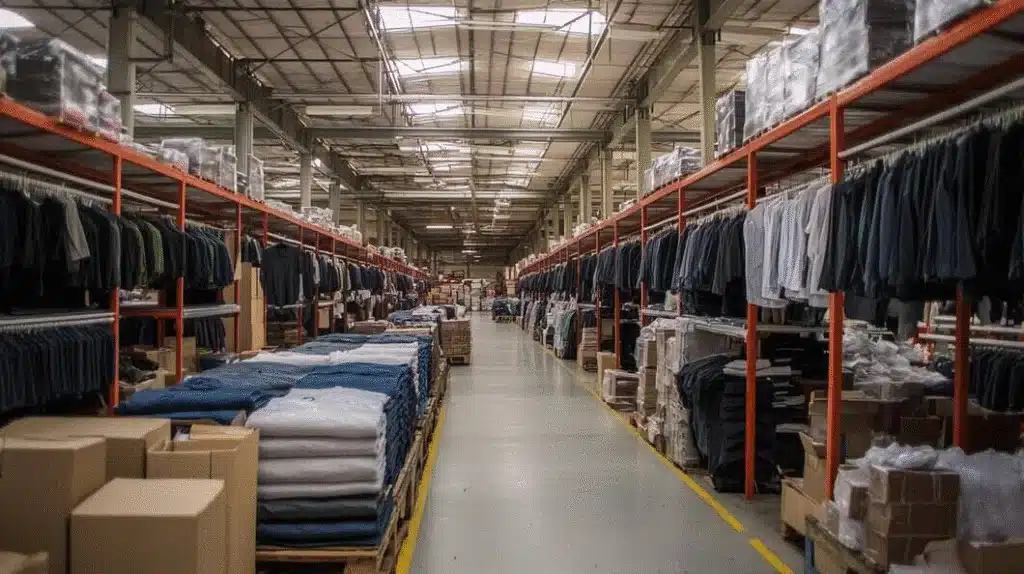
Stored items are then made strategically. The location in the warehouse is determined by the warehouse regulations, which include sorting into size, color, or style. Contemporary warehouse management systems (WMS) have real-time synchronization, which offers information into the stocking levels on platforms.
SKU management in an apparel inventory system, which is effective, will ensure that DTC brands manage fluctuations in the inventory such as holiday spikes without overstocking. It reduces stock-in-motion and provides prompt replenishment that mitigates the pain points such as shortages of sizes that exasperate customers.
5. Order Syncing From Shopify, Amazon, TikTok Shop
Smooth integration is petite when orders are coming. The APIs automatically integrate information on such platforms as Shopify, Amazon, or Tik Tok Shop, only to display it in a single dashboard. The multi-channel synchronization improves picking accuracy and minimizes errors in a high volume situation.
In this automation, DTC apparel brands with many sales channels would have a game-changer in their operation, as they would no longer be able to sell many times, and that they would be able to update their inventory in real-time.
6. Picking & Sorting by SKU
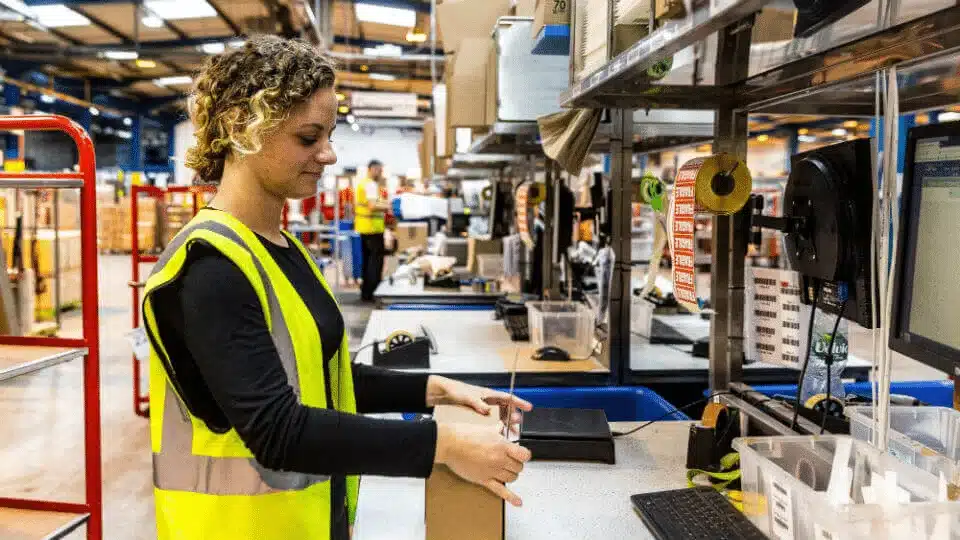
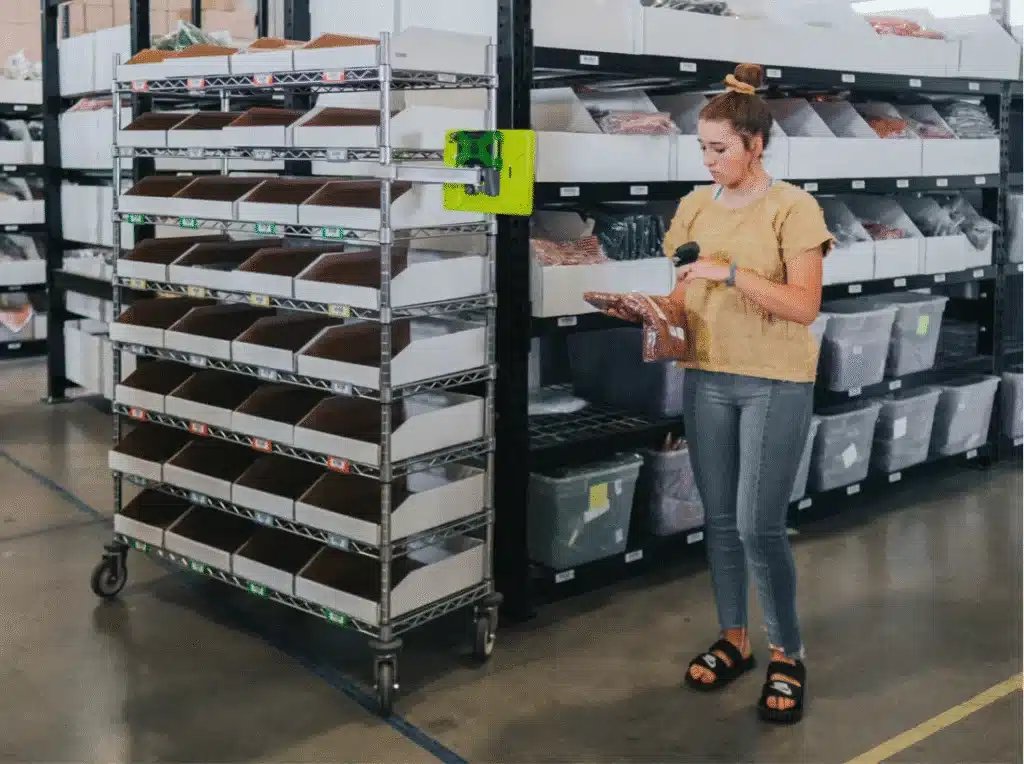
The pick process is initiated by orders: workers go to specific points, picking items according to SKUs. In the case of multi-item orders, zoning is used to separate the warehouse to facilitate sorting, imagine sorting tops and bottoms.
It is important to avoid mixing sizes; double-scans and batch picking can be of assistance. This is one of the clothing fulfillment steps that ensure continuous running of operations and especially during the peak period when wrong shipment leads to expensive reshipments.
7. Folding, Steaming & Packing
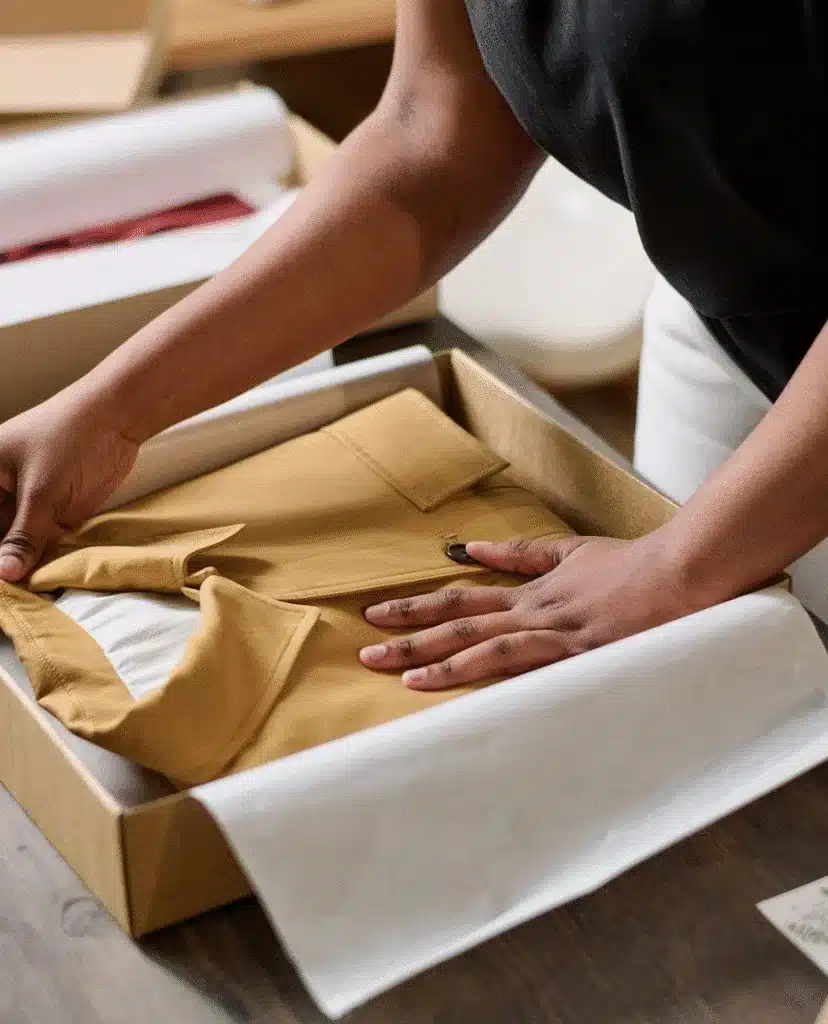
This is where clothing magic takes place. The technique used in folding depends on the type of fabric – cotton tees should be folded in a simple way and shear silk blouses should be folded with gentle creases. Any creases that occur during storage are eliminated through steaming, and as a result, items are presented in read-to-wear state.
The deal is closed: goods are packed into polybags or environmentally friendly materials and branded boxes in case of individual work. This stage of apparel packaging will not just ensure protection during transportation, but also improve brand recognition, addressing such problems as wrinkled apparel delivery that raises returns.
8. Final Quality Check Before Shipping
A final inspection should ensure all is well before closing it: SKU, packaging integrity, and general appearance. This general measure identifies any omitted problems such as missing tags or irrelevant folding.
It is the last step of security in the process of picking and packing of apparel, and it guarantees that the DTC brands will deliver perfectly and keep the rates of returns low.
9. Dispatching & Global Shipping
Finally, packages head out. The choices include express courier in case of urgent orders and postage or consolidated shipping in case of cost reduction. Constant updates of the track guarantee the customers are updated, creating an anticipative and trusting relationship.
The apparel brands that require global shipping require reliability- any delay during shipping can be fatal to the DTC activity. With good international networks, carriers should also be prioritized since this reduces hiccups at customs and facilitates global expansion.
How DTC Brands Can Optimize Their Apparel Fulfillment Workflow
In order to take a new level, welcome to automation: combine WMS with online stores to sync hands-off. Standardise goods using explicit size manuals and packaging regulations in order to reduce mistakes. With 3PL, you are no longer troubled by warehouse issues because you can scale, receive professional management, and achieve cost effectiveness.
Final Thoughts
Being able to master the clothing fulfillment process including receiving and delivering to customers all over the globe enables the DTC brands to grow with confidence, lower returns, and make their customers happy. Paying attention to such details as comprehensive QC and accurate packaging, you will make logistics a strength and not a stressor.In case you are willing to simplify your processes, it is time to contact reliable partners such as BM Supply Chain to design solutions that would suit your brand. And now, let us discuss ways we can help you develop.