
Over 90% of world trade happens at sea, and Container Freight Stations (CFS) are a big part of this huge logistics industry and system. But many importers and small businesses are shocked by the CFS fees. These fees could have a big impact on their transportation costs, expenses, and profits.
A CFS charge is a fee for services related to customs bonds and clearance at Container Freight Stations, which are specialized facilities that handle the consolidation and deconsolidation of cargo in Less-than-Container Load (LCL) shipments. This is especially important for businesses that don’t ship full containers because these fees have a direct effect on your bottom line loaded containers.
Read this guide and you will find out how CFS charges are calculated, what services they cover, and most importantly how to circumvent the unexpected charges that may disrupt your cash flow, business planning, and the interests of other relevant parties supply chain operations.
What Is a CFS? Why Does It Matter?

A Container Freight Station (CFS) is a special-purpose warehouse situated at a close distance to ports, that can be used as a consolidation and deconsolidation center of cargo. The easiest way to see it is as a sorting center in which smaller shipments with multiple shippers are pooled together into complete containers to be shipped in the ocean, or in which complete containers are de-imported and individual shipments are de-imported to be delivered entire shipping process.
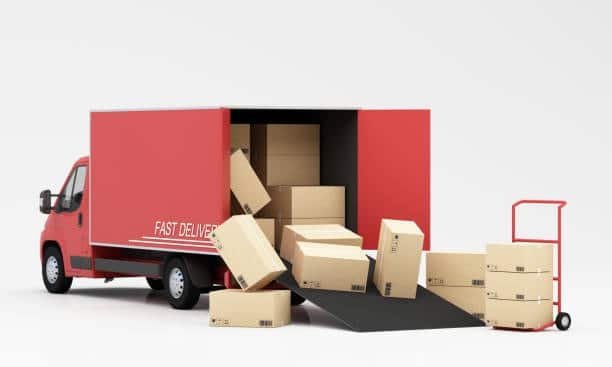
The main distinction between CFS and Container Yard (CY) operations is quite basic, as CY facilities process the entire containers (FCL shipments) that are closed at the point of origin and delivery, whereas CFS facilities process singular shipments that are to be consolidated or separated at the container yard (LCL shipments).
CFS facilities are needed in small businesses, e-commerce merchants, and importers who do not have sufficient cargo to fill a full container, especially when considering last mile delivery customs authorities. They render international shipping cheap and convenient with providing you an opportunity to share container space with other shippers, thus enhancing supply chain efficiency consolidated shipments.
What Do CFS Charges Cover?
CFS fee is not a random charge – it includes actual services that are fundamental in the operations of LCL shipping:
- Cargo handling and sorting/deconsolidation: Handloading, offloading and sorting of your cargo.
- Temporary storage charges: Hold storage when cargo is being consolidated or picked up.
- Documentation and administration: Shipping document processing, customs and cargo manifest processing.
- Transportation between port and CFS: Transportation of cargo between port terminal and CFS facility.
- Palletizing, crating, cracking or other packing services: Extra packing or fastening of freight when necessary.
- Customs support: Customs clearance and inspections support.
Knowledge of these services would allow you to assess the reasonableness of charges and whether or not they are necessary to ship your consignment container yards.
How Are CFS Charges Calculated?

Methods of calculating CFS charges are dependent on the location and service provider, though generally include the following approaches:
Weight vs. Volume Basis: The majority of CFS centres charge on a weight or volume basis basis, i.e., the weight or volume of your cargo, as applicable. The volumetric weight is computed according to the formula: ( Length x Width x Height)/Volumetric Factor (Typically 5000-6000 of sea transport) customs clearance procedures.

Flat Rate vs. Variable Pricing: There are providers who provide flat rates per shipment or cubic meter and others variable pricing depending on the cargo type, level of handling complications, and level of services demanded cfs fees typically cover.
Influencing Factors: There are a number of factors, including temporary storage, that influence your ultimate CFS charges:
- Geographic location and domestic market rates.
- Complexity and type-handling of cargo.
- Storage time (longer storage = high charges)
- High season and low season shipping.
- Special handling (hazardous, fragile, oversized goods)
Why CFS Charges Can Be Hidden Costs

CFS charges are usually an unwanted surprise cost, including the gate pass fees, since most shippers do not factor in the destination port charges when they are planning the initial costs. This occurs due to a number of reasons, including the misunderstanding of customs regulations :
A lot of suppliers are offering freight quotations that do not cover destination CFS costs, particularly where Incoterms such as EXW (Ex Works) are used and the buyer covers all shipping cost origin cfs. The LCL deliveries are especially susceptible since the concept of consolidation process involves the necessity of CFS services cfs warehouse.
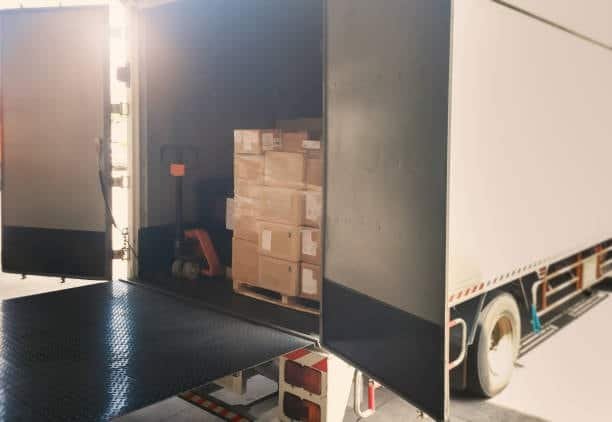
Such confusion is usually based on lack of clear understanding of Incoterms. As an illustration, under CIF (costs, insurance and freight), seller will cover the ocean freight but it might not cover destination CFS charges. Always explain precisely the services under quoted costs cfs shipping.
Moreover, the structure of CFS fees varies in different countries and ports, and in case one cannot predict costs due to information on local knowledge cfs station.
Who Should Care and When—Use Cases

Small Importers Using LCL
When you are importing goods and you lack sufficient quantity to fill one container, you are the most likely to face the unexpected CFS charges lcl shipment. Such charges may reflect 10-20 percent of your total shipping expenses.
E-commerce Sellers
Close profit margin online retailers have to cover all the expenses. Unforeseen CFS charges can make a profitable product a loss leader container freight stations form.

Freight Forwarders
Through transparent billing, professional freight forwarder should make sure that they maintain the relationship with clients and prevent the relationship with the disputed issues of unexpected charges shipping process.
Shippers Deciding FCL vs. LCL
CFS charges can blow the scales in determining whether to ship either by full container loads (FCL) or LCL. In some cases, it is more cost effective to pay a complete container with CFS charges included.
Tips to Mitigate CFS Charges
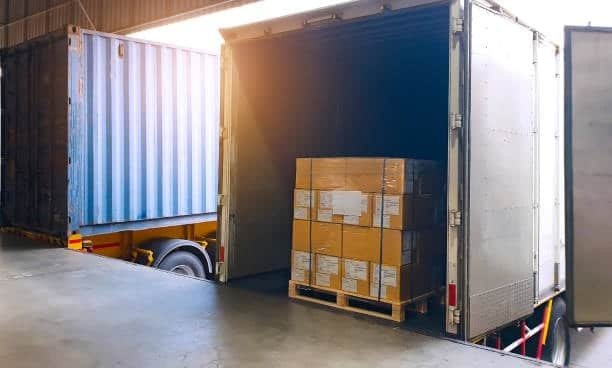
Bargain Bundled Services: Find freight forwarders who will provide bundled prices that include CFS costs so that one is not taken unawares.
Take FCL When Volume Makes Sense: Add up your total LCL expenses with CFS charges. FCL upgrading is cheaper in some cases.
Ask them to provide Detailed Quotes: It is always good to request detailed quotes which specifically indicate whether CFS charges are included or not. Don’t assume they’re covered final delivery.
Get Local Knowledge: CFS fees vary in different ports. Study or enquire about local practice prior to shipment.
Coordinate Quick Pickups: A good number of CFS facilities provide free storage over some time (mostly 5-7 days). Make sure that there is timely pickup to prevent storage fees.
Select Strategic Shipping Times: It is better not to ship in high demand, since CFS charges are higher in high demand seasons.
Quick Comparison Table
| Shipment Type | Uses CFS? | Typical Charges Include |
| LCL (Less than container load) | Yes | Handling, storage, documentation, trucking, consolidation fees |
| FCL (Full container load) | Maybe | Less likely, varies by arrangement and destination requirements |
| Direct port-to-destination | No | Avoids CFS fees entirely |
| Door-to-door/flat-rate services | Depends | May include CFS fees in bundled pricing |
Conclusion
CFS charges are fair charges that will pay for vital services such as cargo handling, temporary storage, documentation, and consolidation services on LCL shipments. Although such charges are unavoidable in most cases to smaller shippers, they do not necessarily need to be unexpected costs that interrupt your business planning container load plan. Transparency and planning are the keys to the entire process of managing CFS charges, particularly when considering cfs in shipping major railway hubs. Always make sure that CFS charges have been added to your freight quotations, know what services you are engaged in and add them to your overall shipping budget. Inquiries directed to your freight forwarder or supplier regarding CFS charges in advance will enable you to stay out of expensive surprises and make informed decisions concerning your shipping goods and approach empty containers.