When picking a fulfillment partner to a crowdfunding campaign one must first of all be dealing with operational risk and not necessarily a matter of outsourcing shipping. One slip up in the process of data management, assembling, or worldwide delivery has the potential to make a successful project an order nightmare in the news as supporters share dissatisfaction over board social media channels and review sites.
Most first-time Kickstarter and Indiegogo creators consider fulfillment as a secondary consideration, assuming that any of the available 3PL (third-party logistics providers) can do the work. As a matter of fact, an inexperienced fulfillment partner who has no experience in crowdfunding tends to be the bottleneck to a successful campaign otherwise. Delays in delivery, wrong orders, damaged deliveries and low communication are much quicker than any setback in production to build trust.
If you are a creator who delivers physical rewards, particularly with layered levels, upgrades, or global contributes, you need to find the correct partner that will make the difference between success (with partners fully satisfied) and failure (with endless updates about regrets).
This guide will also take you by the hand and explain the fundamental variations of standard e-commerce; the important evaluation criteria, and the common sensible steps that can be taken to alleviate risk.
To achieve more specialized help, most creators resort to a fulfillment partner for crowdfunding campaigns that understands these unique pressures.
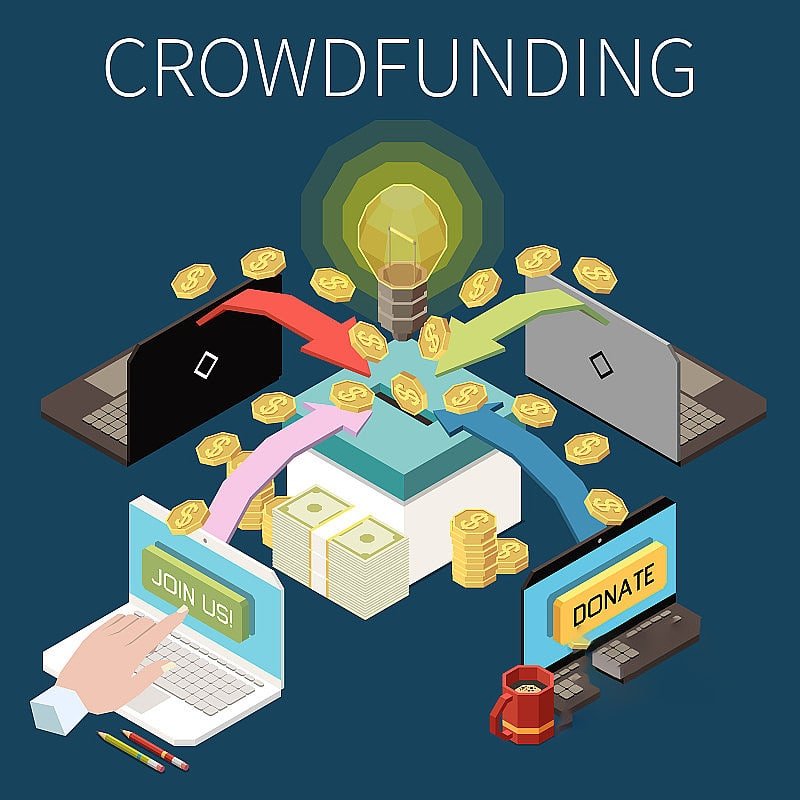
Why Fulfillment Partners Matter More in Crowdfunding Than E-commerce
Fulfilling in crowdfunding is not a scaled-up e-commerce under any form, because it is a high-stakes, one-time frenzy, and a way of penalizing lack of experience.
Average e-commerce is about predictable continuous customer order: stable volume per day, ease of SKU, frequent buyers that can afford the delays. Crowdfunding inverts such a model completely. When the funding is closed, you get a huge, squeezed up wave of orders with often thousands of deliveries to do in a few weeks or months. Tiers of rewards combine several items, custom add-ons, and personalization and backers – most of them being first-time supporters – tolerate almost no mistakes and delays.
The tension is compounded by the fact that the fulfillment will occur in several stages survey collection, data cleaning, production alignment, kitting and wave shipping. The occurrence of a failure spreads out and harms the established credibility during the campaign.
The following is a brief comparison on the side:
| Aspect | Crowdfunding Fulfillment | Standard E-commerce |
| Order pattern | Large, time-bound surge | Continuous, predictable |
| Reward complexity | High (multi-SKU bundles, add-ons, variants) | Low (usually 1-3 items) |
| Backer tolerance | Low (emotional investment, public visibility) | Moderate (transactional) |
| Risk exposure | High (reputation, refunds, legal pressure) | Medium (chargebacks, reviews) |
The moral is the following: the partners who are optimized in terms of constant DTC flow might not cope with the burst character and complexity of crowdfunding.
Core Criteria for Evaluating a Crowdfunding Fulfillment Partner
Price is important, but it seldom counts. The actual distinction lies in the ability of a partner to alleviate the particular risks of a crowdfunding: data errors, kitting error, customs hold and schedule slip.
Use the following points as the basis of your assessment:
| Evaluation Area | What to Look For | Why It Matters |
| Crowdfunding experience | Experience with Kickstarter projects / Indiegogo. | Minimizes learning curve; they are already familiar with pledgeman export, survey peculiarities and backer behavior. |
| Systems & integrations | Current WMS, API facility, pledge manager imports. | Eliminates the number of mistakes in imports and orders. |
| Global shipping capability | Regional airlines, UK knowledge, trailed options. | Risk in the delivery of control over a variety of backer locations. |
| Kitting & customization | In-house assembly, bundling, add-on, handling labeling. | Manages complex rewards without the need to handoff to third parties. |
Request case studies or references in similar campaigns (type of product, volume of backers, global combination). Lower price could be quoted by the generic e-commerce 3PLs, but they do not provide workflow familiarity to avoid costly rework.
Systems, Data Handling, and Integration Capabilities
Powerful systems cannot be compromised since the data of crowdfunding is messy in nature.
Backer surveys come in batches, addresses are last-minute, SKUs contain variants (color, size, add-ons), and pledge managers generate formats that are not necessarily the ideal match with the format of a standard order file. Manual system uploads welcome human error – incorrect amounts, unmatched addresses, orders, and results in reships, furious backer and unnecessary expenses.
Look for partners with:
| Capability | Fulfillment Impact |
| Automated data import | Increased speed of order processing, reduced manual touches. |
| Address validation | Reduced bad deliveries and resends. |
| SKU mapping & variant logic | Precise pick and pack of complicated rewards. |
| Lightened load support; self-serving backers. | Lightened load support; self-serving backers. |
Those partners who make direct integrations or have solid templates of CSV/pledge managers can cut the weeks of clean-up and reduce the error rate of cut drastically.
Cost Transparency and Risk Management
The most basic quote hardly corresponds to the lowest cost in the crowdfunding.
Extra charges become apparent when the volume is very high, the storage becomes long because of delayed production or the rework is huge as a result of the dileea. A partner that offers rock-bottom pick-and-pack prices may impose penalty fees on kitting or returns or long-term storage – and have a service that appears cheap quickly become expensive.
Demand full transparency:
| Cost Area | Common Risk | How to Evaluate |
| Pick & pack | Underquoted labor for complex kitting | Ask for tiered pricing based on complexity |
| Storage | Extended timelines eat free periods | Clarify free storage days and overage rates |
| Returns | Unplanned volume from damage / errors | Check return handling policy and fees |
| Rework / reships | Data errors or production mismatches | Request examples of how they handle changes |
Scenes: What are the conditions of fulfillment being 3 months behind schedule? or What should we do, supposing 15 percent of orders require addresses to be corrected? Proper partners have answers to offer and epitomize total landed cost.
When Creators Should Engage a Professional Fulfillment Partner
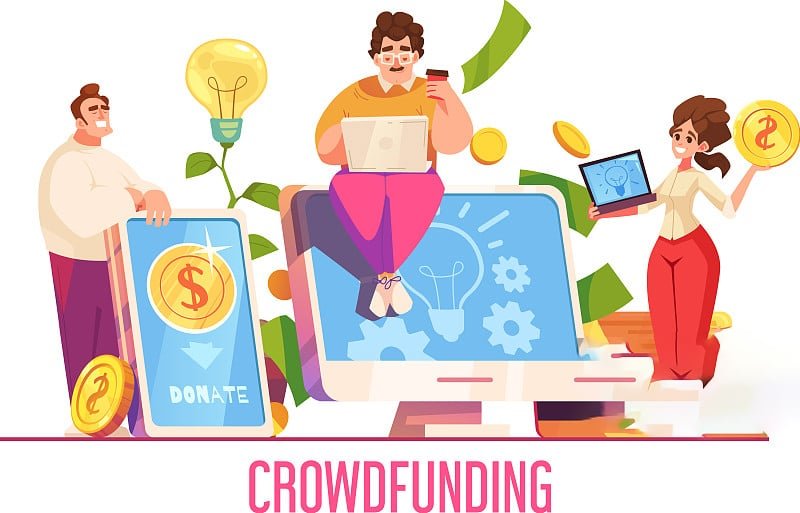
Not all campaigns require that it has a 3PL initially but most of them work once certain points are reached.
Professional assistance is needed when:
- Backer number is more than 500-1000 (particularly with mix with international)
- There are reward levels of 3 or more SKUs, packages, or tailor-made items.
- You ship all over the world to various continents.
- Planning Production schedules are unpredictable (typical of hardware / physical goods)
DIY fulfillment takes smaller quantities when the number of backers is domestic and the rewards are straightforward. In addition to this, the time sink, risk of error and stress tend to out-weigh this savings.
Common Mistakes Creators Make When Choosing Fulfillment Partners
The same mistakes get made by first-time founders- in most cases, due to the underestimation of the variations between regular e-commerce and theirs.
- Minimal price: praxis on lowest cost does not pay attention to rework, delays, and unaccounted costs that mark up total expenditure.
- Based on this assumption, e-commerce fulfillment = crowdfunding fulfillment Standard 3PLs can maintain a steady flow but not surge volume, complicated kitting, and single-time data entries.
- Not realizing system and data features Not answering questions related to integrations, address verification, and error-handling will cost weeks of manual work and aggravated supporters.
- Partner choice post-funding Non-monetary solutions Squeezed choices immediately translate into loss of choice and significant capacity challenges during peak periods.
All these are a result of considering fulfillment as a process of logistics rather than a risk management exercise.
How to Build a Scalable Fulfillment Partnership
The relationships are best achieved when it is treated as a partnership, rather than a single transaction with a vendor.
Begin small: operated in small batches (early bird rewards or prototypes) to verify the flow of data, accuracy of kitting, and communication. Findings of documents and refinement of SOPs.
Keep open feedback: communicate early production progress, identify possible delays and coordinate wave schedules. This lets there be no surprises and creates trust.
Cogitate long-term: most campaigns transform into DTC brands. Select a partner whose infrastructure can grow as needed both one-time burst and continued inventory scale so that you do not change suppliers in the future.
Conclusion — Fulfillment Partners Shape Campaign Outcomes
Crowdfunding campaign must not just generate demand, but also be carried out successfully. The preference of fulfillment partner is the guarantee, which makes the success of the campaign to bring credible delivery and credibility in the long run.
Consider fulfillment as a constituent of the risk profile of your project. Give more preference to experience, systems, transparency and operational fit rather than short-term savings. Once the rewards are delivered to the backers, on time, unharmed, and easily tracked, they will become supporters – not foes. It is that trust, compounding, that makes one campaign a sustainable business.