
Import Costs — What You Really Pay
When bringing in goods in France, especially by using French customs, the initial figure in the invoice of a supplier is not the actual final price. There are both visible and invisible costs that need to be added together to get your real landed cost in importing. Knowing these factors is vital in preventing unpleasant financial surprises.
Differentiate Visible vs Hidden Costs
Observable expenses include the price of the product, freight offers, and stated customs tariffs. The hidden costs are, however, some documentation, terminal handling, customs broker fees, port fees, storage fees, or adjustments in delivering. The expenses of importers are usually underestimated by 20-30 percent by those who concentrate on the visible numbers.

Shipping & Freight (Ocean, Air)
One of the largest elements of importation costs is shipping. French shipments to the majority of the leading international ports by sea are cheaper, yet slower, and take several weeks on average, impacting delivery times. Airfreight is more expensive and quicker; hence, more appropriate for small, valuable, or time-sensitive products such as luxury items or medical supplies. The mode you choose can be very important to your general cost structure.
Customs Duties, Tariffs, and Taxes
Customs duties depend on the type of goods being imported, determined by their HS (Harmonized System) code. Tariffs vary by product category, and taxes such as VAT (Value Added Tax) or excise taxes may also apply. These charges can represent anywhere from 5% to 30% of your total import expense. Importers should always verify duty rates before placing orders.
Handling, Insurance, Inland Transport

In addition to the freight, there is an additional cost of handling and insurance charges. Carriers usually impose fees on container unloading, port handling, and security checks. Insurance is not mandatory, but very essential to ensure cover against damage or loss during transit. Trucking or rail services are also to be considered once goods arrive in your country. All these expenses add up very fast unless they are planned.
Brief Note: Even Items with Zero Duty May Still Incur Surcharges or Tariffs
Some French imports may technically qualify for “zero duty,” especially under preferential agreements. However, this does not mean they are free of costs. Additional surcharges such as processing fees, anti-dumping tariffs, or environmental levies may still apply. Importers should never assume that zero duty equals zero total cost internal market.
Do You Always Pay Import Tax from France?

Generally, yes—most commercial imports from France are subject to some form of tax or duty. However, rules differ based on shipment size, value, and category.
Explain the General Duty-Paying Rule
The standard rule is that all goods entering a country must go through customs clearance and are assessed for duties and taxes companies established. This ensures governments collect revenue and protect domestic industries from unfair competition.
Mention Exceptions, De Minimis Thresholds, or Personal Exemptions
Some jurisdictions allow low-value shipments under a certain threshold (known as de minimis) to enter duty-free. Personal imports, such as souvenirs or gifts from France, may also qualify for exemptions. However, these exceptions rarely apply to commercial importers.
Introduce Trade Agreements (or Lack Thereof) if Applicable
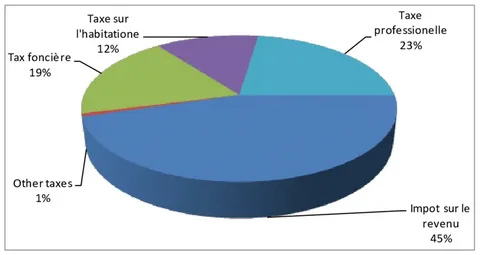
The presence or absence of duties is also based upon trade agreements between France (as a member of the European Union) and your country. One of such examples is the free-trade agreement some countries have with the EU that allows or removes tariffs on some goods single administrative document. It is always good to verify with the customs and the current agreements before shipment by the importers.
Tariffs, Duties & Why They Exist
Tariffs and duties are not arbitrary—they serve several purposes. Governments impose them to protect local industries from prohibited foreign competition, generate revenue, and sometimes as political tools in international negotiations.
Why Governments Impose Them (Protect Local Industry, Political Leverage, etc.)
Tariffs raise the price of imported goods, making locally produced alternatives more competitive. They can also be used strategically during trade disputes to apply pressure on foreign governments sanitary certificates.
Specifics About ADD / CVD (Anti-Dumping, Countervailing) if Relevant in Your Jurisdiction
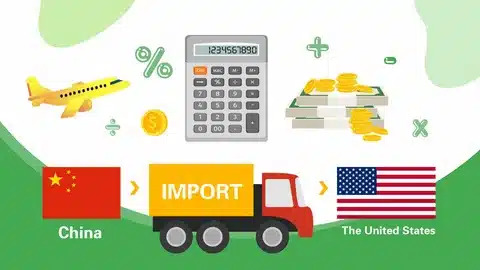
Anti-dumping duties (ADD) and countervailing duties (CVD) are imposed when foreign producers sell goods below fair market value or receive unfair subsidies. While these measures are more commonly applied to goods from Asia, they can still affect imports from France in specific industries, especially steel, machinery, or equipment chemicals.
Any Recent or Upcoming Tariff Policies Affecting France Imports
Tariff rates are not static—they can change due to trade negotiations or political shifts. Importers should monitor current policy updates to avoid unexpected cost increases. Even temporary tariff surcharges can heavily impact agricultural profitability legislation.
France Import Rules & Free Trade Considerations
France, as an EU member, benefits from multiple international trade agreements. However, preferential treatment depends on your country’s relationship with the EU.
Are There Any Special Treaties or Exemptions Specific to France / EU
Countries with EU trade agreements may enjoy reduced or eliminated tariffs on goods imported from France customs union. These agreements vary widely depending on product type and origin rules.
Clarify Whether Goods from France Get Preferential Treatment or Not
While some products are tariff-free, others remain subject to normal duty rates. Importers must confirm preferential treatment by checking whether the goods meet “rules of origin” requirements.
Mention “Duty Free” Rules for Travelers vs for Commercial Imports
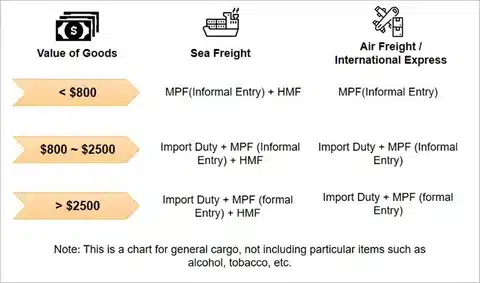
Travelers returning from France may bring back limited quantities of goods duty-free. Commercial importers, however, do not qualify for these exemptions and must follow full customs procedures and economic operator registration.
Shipping Costs: Air vs Ocean vs Other Modes
Ocean shipping is best for bulk imports like wine or machinery, while air freight is suited for perfumes, electronics, or other high-value items. In some cases, rail or express courier services may be more cost-efficient. Importers should also consider last-mile delivery costs, which can make up a significant portion of the total.
Compare Cost, Speed, and Reliability of Ocean Freight vs Air Freight
Ocean freight costs less per unit but takes weeks. Air freight delivers in days but is much more expensive compared to France’s cheapest shipping methods. The ocean is more predictable for large volumes, while air is preferred for urgent or sensitive shipments integrated tariff.
Handling Fees, Inland Transport, Last-Mile Costs
Regardless of shipping method, the service handling charges apply at ports and airports. Inland transport can include trucking fees, customs inspections, and final delivery to the warehouse or customer. Importers should always include these in their calculations.
How to Get Accurate Quotes and What Variables Affect Cost
Freight quotes depend on shipment size, weight, seasonality, and even global fuel prices. Working with multiple freight forwarders and comparing offers is the best way to ensure an accurate customs declaration.
Major French Exports (Case Studies / Examples)
France exports a wide range of products, from luxury goods to industrial machinery. Here are a few examples:
- Luxury fashion & accessories – Importing branded items may incur higher duties, plus insurance costs due to their value.
- Wine & spirits – Often subject to excise taxes in addition to import duties.
- Perfumes & cosmetics – Lightweight but high-value, making air freight feasible despite costs.
- Machinery & vehicles – Typically shipped by ocean freight, requiring careful classification to determine duties.
By examining specific categories, importers can better predict the real landed cost.
Step-by-Step: How to Calculate Import Costs
- Identify the correct HS/customs code for your goods.
- Check duty rates and additional taxes using tariff lookup tools.
- Add freight, insurance, and handling charges.
- Calculate inland delivery costs.
- Add them together for your final landed cost.
For example, importing €10,000 worth of French wine could result in a total of €13,000 after duties, excise taxes, shipping, and insurance are applied.
Strategies to Minimize or Optimize Import Costs
- Use correct tariff classification to avoid overpaying.
- Consolidate shipments to lower per-unit freight costs.
- Negotiate competitive rates with freight and insurance providers.
- Explore bonded warehouses or free trade zones to defer duty payments eu customs tariff.
- Rely on professional customs brokers to avoid costly errors.
Why Working with a Customs/Broker Partner Pays Off
Customs brokers and companies streamline clearance by ensuring correct classification, paperwork, and compliance with regulations. They reduce delays, minimize risks of miscalculation, and often save money by identifying applicable exemptions or strategies importers may overlook.
Common Pitfalls & Mistakes to Avoid
Importers often misclassify goods, leading to fines or delays. Many forget hidden charges like port storage fees or assume duty-free treatment without verification. Others rely on outdated tariff rates or ignore ADD/CVD risks. Inland transport and last-mile delivery are also frequently underestimated customs formalities.
Conclusion / Call to Action
Importing from France can be profitable, but only when every cost component is properly calculated. Duties, shipping fees, taxes, and hidden surcharges on items like live animals all impact the final landed cost. Successful importers carefully check each factor, seek professional guidance, and plan shipments strategically customs territory. If you are considering French imports, take time to calculate accurately, compare freight options, and consult experts before committing. This preparation ensures smoother trade operations and stronger profit margins.