
Small businesses usually face a shipping snag with an LCL shipment – They get baited into paying a shipment amount that does not receive the required shipment, or they wait weeks to reach a volume of inventory, which would fill the shipment to obtain a full container. Thousands of companies that have a global delivery along their shipping route are impacted by this expensive dilemma, cutting down their profit margins and cash flow. The solution? Getting to know about LCL shipping and in which situations it is a business decision.
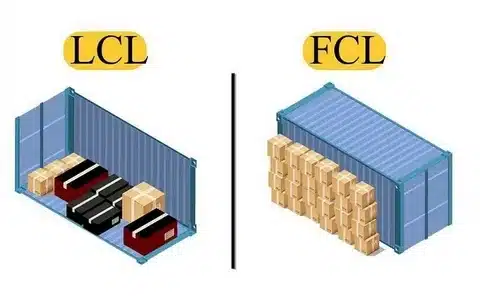
We are about to unravel all the information you need to know about LCL shipping, especially when considering choosing LCL, its mechanism, its price, when to use it instead of FCL, and effective tips on maximizing your sea freight. Regardless of whether you are the owner of an SMB, an e-commerce entrepreneur, or a logistics manager, you will leave with valuable insights that can be translated into action to make smarter shipping decisions.
What Is LCL Shipping?
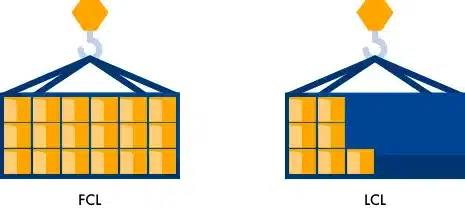
LCL (Less Than Container Load), which is often referred to as less than container load, is a mode of sea transport wherein the LCL cargo of several shippers that do not occupy a standard shipping container is combined at a Container Freight Station (CFS). As opposed to having to pay for the whole container, you only pay space occupied by your goods.
Groupage shipments (also called consolidated cargo) are also referred to as this shipping method. Do not mix it with loose cargo- LCL shipments are not in a loose state, only shared with other shippers.
There are 2 major sizes of standard shipping containers:
- 20ft container (TEU): 32 to 33 cubic meters.
- 40ft container (FEU): It measures about 67 cubic meters.
When your cargo is smaller than these volume amounts and you do not have enough cargo, then the LCL can be an option.
How LCL Shipping Actually Works
The LCL process will assist you in the cost and transit time anticipation:
Consolidation (Origin)
Your shipment moves to a Container Freight Station (CFS) or the warehouse of a freight forwarder, where it is packed into one container with the cargo of other shippers. The average time spent on this consolidation process is 2-3 more days to the shipping schedule.
Ocean Transport
The consolidated container can be shipped through sea freight, along with other shipments via the same ocean routes as the FCL shipments.
De-consolidation (Destination)
The container is unloaded at the CFS at the destination port, and the individual shipment is separated. This will add a further 2-3 days to your transit time.
Final Delivery
Your products are loaded into the trucks for their end destination or unloaded at the CFS. This extra handling procedure will add tothe total expenses and possible delays.
Pros & Cons: Split Your Decision
Benefits of LCL Shipping
Cost Effectiveness on Small Volumes: You will only be charged for the cubic meters that your cargo will occupy, and not the whole container. This renders international shipping affordable to small companies and helps in achieving lower shipping costs.
Less Expensive than Air Transport: LCL is generally 4-6 times cheaper than air freight, making it a more cost effective solution., making it a more cost effective solution which is why it is appealing to non-urgent deliveries.
Flexibility on Periodic Shipments: Ideal when the business requires a regular schedule to ship several smaller quantities instead of waiting to fill up a full container load.
Lower Inventory Holding Costs: Facilitates just-in-time inventory, saves warehousing costs, and enhances cash flow.
Drawbacks of LCL Shipping

Increased Transit Times for smaller shipments: Consolidation and the deconsolidation process operations increase the time by 4-6 days relative to FCL shipments.
Higher Per-Unit Costs: LCL rates are normally 2-3 times more expensive as compared to FCL rates when computed on a per-unit basis of cubic meter.
Higher Risk of Damage: The more it is shipped, the greater the risk of damage, but this risk is overcome with adequate packaging.
Inadequate Control over Timing: Your shipment will be based on the consolidation schedule, which will not necessarily be in perfect harmony with your needs.
LCL vs FCL: When Each Makes Sense
Choose FCL (Full Container Load) When:
- You have a volume of shipment that is between 10-15 cubic meters or above.
- You require shorter transportation (3-5 days sooner than LCL)
- Your merchandise is expensive or delicate, and they prefer little handling.
- You do bulk shipments with every few (quarterly or bi-annual) shipments.
- Unit shipping costs are more important than total shipping costs.
Choose LCL When:
- Your volume of shipment is less than 10 cubic meters.
- You require affordable delivery of smaller parcels.
- You are a shipper (monthly/bi-monthly).
- You are trying out new product lines or markets.
- The attractiveness of cash flow is more significant than velocity.
- You ship to more than one destination and are able to enjoy consolidated prices.
Practical Threshold: When your routine shipments are regularly 10-15 cubic meters, calculate the figures–FCL may be more cost-efficient even though it is more expensive initially.
Cost Factors: What Drives Your LCL Rates?

LCL cost of shipping rates is mostly calculated using volume (cubic meters or CBM) compared to full container rates lcl freight, but not weight, except when using extraordinarily heavy cargo. What affects your overall price is:
Base LCL Rate
Normally charged on a per CBM basis and varies between 50-200+ based on:
- Popularity of trade routes (Asia-US vs. niche routes), entire container
- Seasonal (end of the year, higher rates around the time of holidays) demand.
- Efficiency in ports and the cost of handling

Additional Costs to Factor In
- Origin CFS fees: consolidation fee is $50-150.
- Destination CFS fees: deconsolidation cost is (100300).
- Documentation charges: $50- 100 per shipment.
- Clearance customs: 100-500 based on difficulty.
- Final mile delivery: Depends on the distances and urgency.
CBM Calculation Formula
Length (m) × Width (m) × Height (m) = CBM
Pro Tip: Freight forwarders will price at the greater of the two, actual CBM or dimensional weight (1 CBM is usually 1000kg in sea freight).
Tips to Optimize LCL Shipping
Prepare Accurate Volume Estimates
Weigh your packages and CBM accurately. Underestimating will cause surprise charges, and overestimating will cause you to pay money on space that you are not utilizing, container load LCL. Invest in a digital measuring tool when thinking of consistency.
Compare Quotes & Use Digital Platforms
Do not go with the first quote. Find digital freight platforms and compare the rates of several providers. Check above the base rate–add all other expenses to have a real comparison of the costs of ocean shipping.

Master Your Incoterms
Select a suitable Incoterms (International Commercial Terms):
- FOB (Free On Board): You take care of costs at the port of origin and onwards LCL service.
- CIF (Cost, Insurance and Freight): Seller pays the freight and minimal freight insurance to the port of destination.
- EXW (Ex Works): You are in control of all the shipping expenses at the point of the supplier.
Plan for Consolidation Schedules

On the major routes, LCL consolidation is usually done 2-3 times a week. Make your shipping time so as not to pay rush fees and as not to miss the next sailing FCL shipment.
Package Smartly for LCL Success
- Palletize the goods to save on handling damages and enhance loading capacities.
- The label distinguishes the shipper and consignee well.
- Packaging: Design packaging as small as possible.
- Incorporate packaging that is protective at numerous points.
- Shrink-wrapping pallets is also to be noted in order to avoid shifting during the process of consolidation.
Leverage Technology for Tracking

Employ shipment tracking programs and an automated documentation system. Real control eliminates the fear of anxiety and allows you to handle customer expectations, and accelerates the customs clearance througha digital documentation shipping solution.
When LCL Shipping Makes Business Sense
Ideal Business Scenarios
LCL is cost-effective for small-to-medium Businesses (SMBs) who ship ocean freight of 2-10 cubic meters regularly. It helps to expand internationally without causing the cash flow burden of purchasing full containersfor air shipping.
E-commerce Ventures are beneficiaries of LCL flexibility in terms of replenishing inventory. They can make monthly shipments depending on real demand rather than locking up capital in quarterly FCL shipments.
Product Line Testing occurs when you are introducing new products in foreign markets. LCL also gives you a chance to find out how the market will react with a less initial investment supply chain.
Inventory flexibility is required by seasonal Businesses. LCL is used by fashion merchants, holiday decorations, or seasonal sporting goods businesses to match inventory and need cycles.
Multi-Destination Shipping, whereby you require dispatching smaller amounts to different places. It is often cheaper to have LCL consolidation than to have several FCL deliveries in LCL containers.
When LCL Doesn’t Make Sense
Skip LCL when you regularly ship more than 15 cubic meters, require assured transit times in time-sensitive products, or transport very delicate/valued products that have advantages with commanding container movements, shipping FCL.
Real-World LCL Use Case
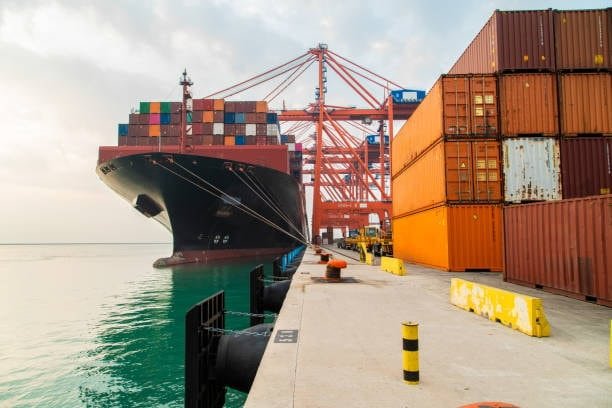
Let us consider a real-life example:
Scenario: A web-based company that orders 5 CBM of electronic products in Shenzhen and transports them to Los Angeles.
LCL Option:
- Base rate: $120/CBM × 5 CBM = $600
- Origin CFS: $80
- Destination CFS: $200
- Documentation: $75
- Total LCL cost: $955
- Transit time: 18-20 days
FCL Comparison (20ft container):
- FCL rate: $1,361 (whole container)
- Per CBM cost: $2,400 ÷ 5 CBM = $480/CBM
- Transit time: 14-16 days
Analysis: The LCL will conserve 1445 dollars (cost will be reduced by 60 percent) but occupy a longer time of 4-6 days for palletized cargo. In this case, where the business is more interested in the cash flow than the speed, LCL is ideal.
Concise Conclusion & Call-to-Action
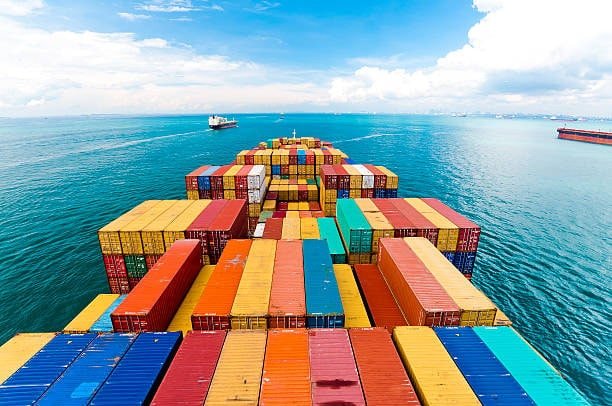
LCL shipping also offers low-cost, flexible international shipping to customers who have smaller cargo volumes; however, it comes with a longer transit time and per-unit cost than air freight compared to FCL. The trick here is to know what is important to your business: cost-effectiveness, flexibility of cash flows, and reducing your carbon footprint, instead of speediness and per-unit economics.
Accuracy in volume calculations, clever packaging, good timing, and selection of the appropriate freight partners are the keys to successful LCL. As your business expands and shipping volumes grow, consulting with LCL experts is worth re-evaluating as to whether FCL is more economical.
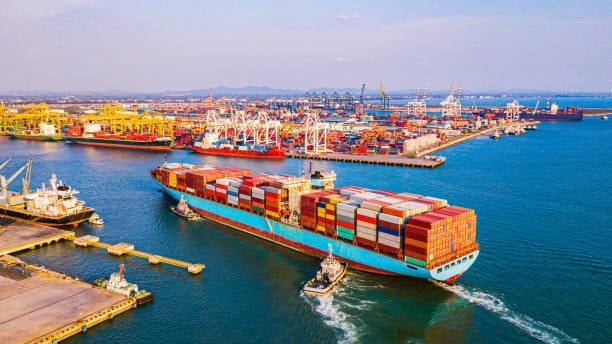
Willing to streamline your shipping plan? Divide your CBM, take several offers, and consider all expenses – not only the base rate. Taking into account your inventory turnover, cash flow requirements, and customer expectations, make a decision that is most likely to benefit your business objectives.