Find out why container drayage, or short route freight movement, is an important part of the logistics industry, and how it keeps the world moving.
Introduction
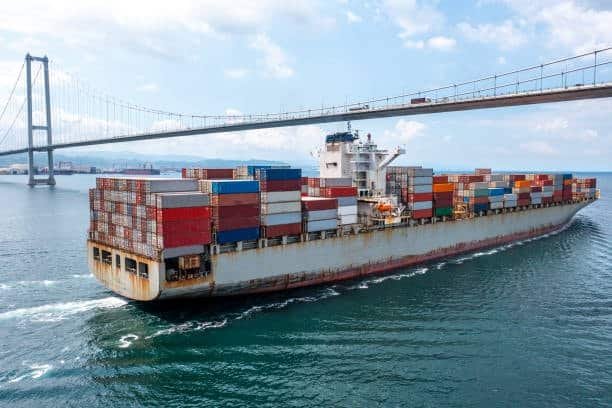
Think about this: Several container ships just arrived at the Los Angeles ocean port. They carry thousands of containers full of things like gadgets and clothes. The ship is now across the Pacific, and its 14 days are over, but the cargo is still at the transit center. Then, it is put in each container and not moved until a special vehicle is loaded to take it to its next destination, which may be a warehouse, rail port, or distribution location just a few miles away. Intermodal shipping is the name for this crucial short-haul transit. Without it, the rest of the world’s trade would come to a stop.
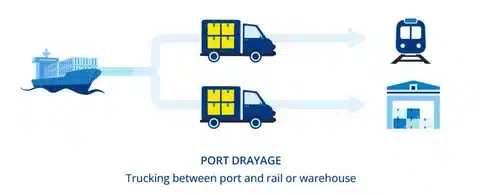
Drrayage is the short-haul transportation of containerized goods over short distances, typically at ports, rail yards, warehouses, or distribution centers. Even though these journeys may only cover a few miles, they are among the most crucial connections between different forms of transportation in the global supply chain. Goods are delivered to the shelf with great ease in an operation where drayage activities are running smoothly. Failure to do so results in overcrowded ports, delayed orders, and a shockwave that affects entire industries.
Drayage 101 – Understanding the Basics
What Is Drayage?
“Drayage” is a term that has a long history of use dating back a few centuries. It is derived from the term “dray horse,” which initially meant a sideless low cart drawn by horses in order to move heavy goods within a small radius. Today, drayage also refers to the transportation of shipping containers with special trucks; however, the essence is the same: it is a short-distance transportation that links one mode of shipping to another.
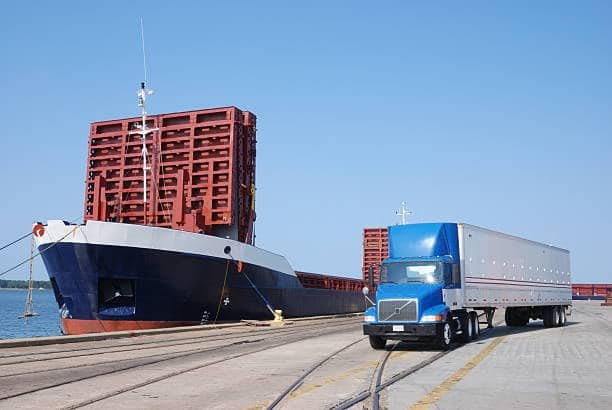
Drayage trucking serves as a critical first- or last-mile bridge in global trade. When commodities arrive in marine ports by ocean delivery, they require a variety of drayage services to transfer them to rail terminals for cross-country transportation, warehouses for storage, or even distribution centers. Similarly, when products are ready for export, drainage is utilized to transfer them between inland facilities and ports from which they may be sent globally.
The drayage system is a massive industry. Drayage networks are responsible for the transportation of millions of standard containers each year. The largest ports, such as Los Angeles, Long Beach, and New York/New Jersey, are responsible for the transportation of hundreds of thousands of drayage movements each month.
Along the journey to each container, a variety of drayage services can be performed, and dependable drayage businesses frequently offer assistance in this regard. This particular service is an essential component of contemporary logistics.
Why Drayage Is Vital to the Supply Chain
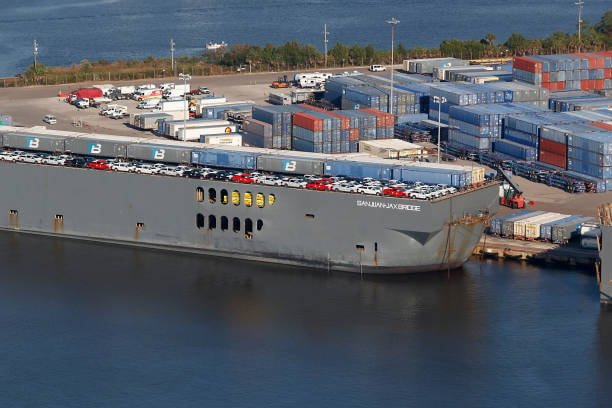
It would be hard to emphasize the significance of drayage in the modern economy, which is increasingly worldwide. When it comes to successful collaboration between other modes of transportation, such as ocean, rail, and road shipments, this particular mode of transportation is the means by which this is accomplished. Because of this, intermodal shipping is able to function effectively, allowing for the smooth transportation of commodities over extensive distances.
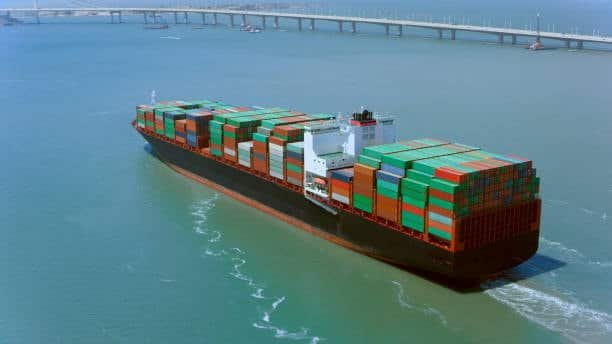
In the absence of effective drayage activities, ports would soon be filled with containers that have no destination. Suppose all containers were off a ship; they had to wait days or weeks before they would be transferred to their next destination. Port terminals would be out of capacity, ships could not discharge, and the whole maritime supply chain, including freight shipping, would have collapsed.
Drayage keeps the wheels of trade spinning by offering the connectivity needed by modern trade. It also ensures that containers are effectively and quickly transported during the shipping process while managing the complexities of moving goods through ships, railyards, ports, and warehouses to their final destinations.ns. This fast motion in moving cargo is essential in sustaining the speed and efficiency that is demanded by the consumers and businesses of today.
The service also offers flexibility in the supply chain’s design. Firms have a chance to have warehouses and distribution centers that are strategically situated, distant from the costly port real estate, with the understanding that drayage services from trucking companies will make the difference. This flexibility enables more cost-effective strategies in the supply chain, especially for intermodal transport between departure and arrival points. This flexibility allows for cost-effective strategies in the supply chain without compromising operational efficiency.
Types of Drayage Services
The description of the various categories of drayage services, including intermodal terminals, will assist the shippers in selecting the appropriate solution to their particular needs:
Expedited Drayage
Expedited drayage offers priority handling and includes faster transit times when time is a major concern. This service is necessary for time-sensitive cargo like perishable goods, high-value electronics, or cargo required to avoid production line shutdowns. Quick services are usually performed during hours beyond the usual business hours and can also involve special equipment to complete the delivery within a short period of time.
Inter-Carrier and Intra-Carrier Drayage
Inter-carrier drayage is the process of loading and unloading containers between shipping lines or other transportation companies. Intra-carrier drayage is the same process, but it happens within the carrier network of the same carrier. Inter-carrier moves are usually more complicated because they require different parties and systems to work together.
Pier Drayage
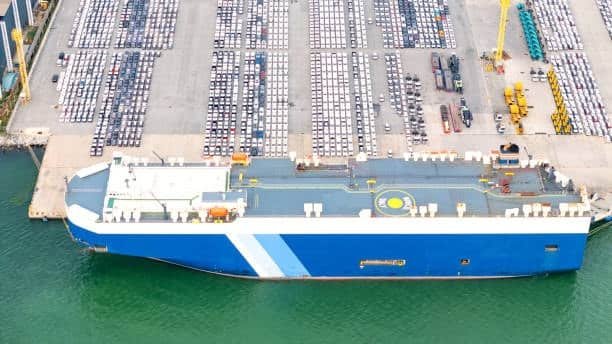
It is the most widespread kind of drayage, which implies that container shipping involves the transportation of containers to and from marine terminals. Pier drayage is the linkage between ocean freight and inland freight, and therefore, it forms the basis of international trade logistics.
Shuttle Drayage
Shuttle drayage is used when a shipment cannot be delivered immediately at an economically viable cost, or when it is impractical due to the distance. This service will allow overcoming the issue of capacity limitations and will enable a more efficient final delivery scheduling.
Door-to-Door Drayage
The most convenient method is the door-to-door drayage, which involves full transport between the marine terminal and the facility of the shipper or consignee. This is an integrated service that removes the use of several carriers and offers end-to-end visibility.
Equipment & Technical Aspects
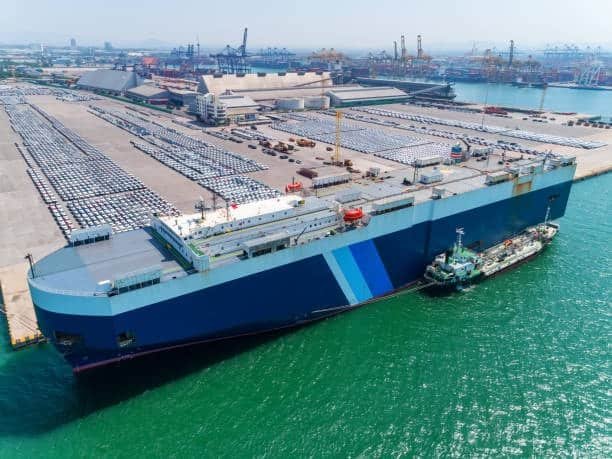
Drayage activities are based upon specific equipment that is used to move containers in the evolving drayage market. :
Drayage Trucks and Chassis
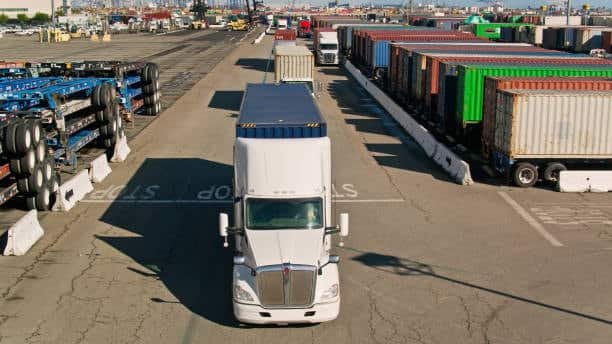
Drayage trucks are usually Class 8 heavy-duty trucks with strong engines that can carry loaded containers that weigh up to 80,000 pounds. The chassis of these trucks can be taken off. The wheels are on platforms that hold shipping containers. It’s easy to connect and disconnect the chassis, which makes loading and unloading easy.
Container Types and Specifications
Drayage services should be provided to be able to handle different types of containers, while also being mindful of drayage fees, each with certain handling requirements:
- General cargo Standard dry containers (20′ and 40′)
- High cube (40′ and 45′) containers, which offer additional height to lightweight, bulky goods.
- Huge containers made of flat racks to carry oversized or odd-shaped cargo.
- Cargo is loaded on top, open on the top.
- Cooled containers (reefers) that need to be shipped at controlled temperatures.
Marine vs. Domestic Drayage
Marine drayage is the movement of ocean freight containers, while domestic drayage is the transfer of cargo from marine containers to domestic equipment, like 53-foot trailers. This difference is important because it affects capacity, prices, drop fees, and operational needs.
Major Challenges in Drayage Operations
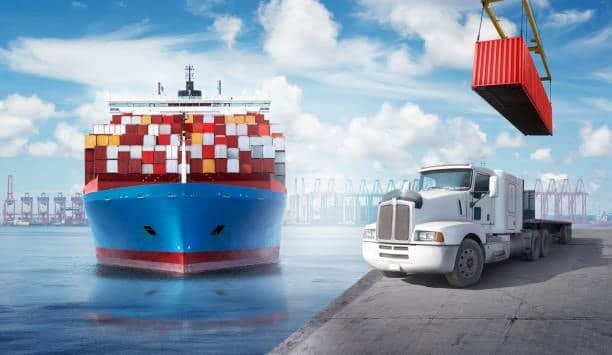
Although the drayage industry is of critical importance, it has several major challenges, including driver shortages that affect both drayage drivers’ efficiency and costs:
Port Congestion
Most of the time, major ports are busy, which makes the drayage trucks late. Drivers can spend a lot of time loading or unloading containers, which lowers productivity and raises costs. This crowding gets worse during the busiest shipping times or when labor problems make it hard for the port to do its job.
Driver Shortages
Chronic driver shortages plague the drayage sector, particularly in port operations that require specialized training and certifications. The stressful environment of intercarrier drayage work, along with port constraints and irregularities, makes it difficult to recruit and retain qualified drivers.
Container and Chassis Scarcity
The uneven flow of trade around the world could cause empty containers to build up, which could make container drayage operations more difficult. and chassis in certain spots. The full lorrying of containers when they need to be loaded as exports and the full lorrying of chassis when ports are congested can put a lot of stress on the whole drayage system.
Limited Visibility and Communication
Shippers couldn’t keep an eye on their cargo or predict delays during long-haul shipping because conventional drainage businesses didn’t have real-time visibility. If the terminals, carriers, and shippers don’t communicate well with each other, it could lead to limited visibility and communication, missed appointments, extra charges, and unhappy customers.
How Technology is Transforming Drayage
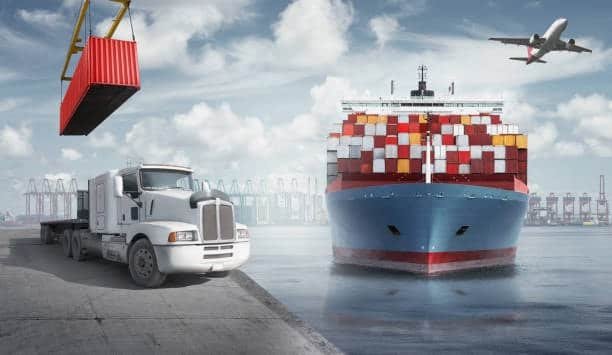
The drayage business is going digital, which is going to help solve a significant number of old issues:
Route Optimization and Real-Time Tracking
Advanced algorithms now optimize drayage routes in real time, taking into account things like traffic, port congestion, and delivery windows. With GPS tracking and mobile communication systems, you can get the best reports on the status and location of containers and deliveries.
Digital Marketplaces and Platforms
Drayage marketplace solutions are becoming game changers as they help shippers to find accessible carriers in more efficient ways than before. These solutions offer real-time capacity availability, instant quotations, and simplified booking systems that save time and effort needed to organize drayage services.
Automated Systems and Integration
The port terminals and drayage providers can now be directly integrated with modern warehouse management systems, as well as transportation management systems and drayage carriers. This integration allows scheduling to be automatically done, in real time, and a free flow of information in the supply chain.
Emerging Technologies
In addition to self-driving drayage trucks, blockchain-based papers, and artificial intelligence-driven demand forecasts, new items are being developed by both newly created enterprises and established ones. Those methods for drayage will most likely become more efficient and less expensive as a result of these sorts of technology.
Practical Tips for Shippers & Logistics Professionals
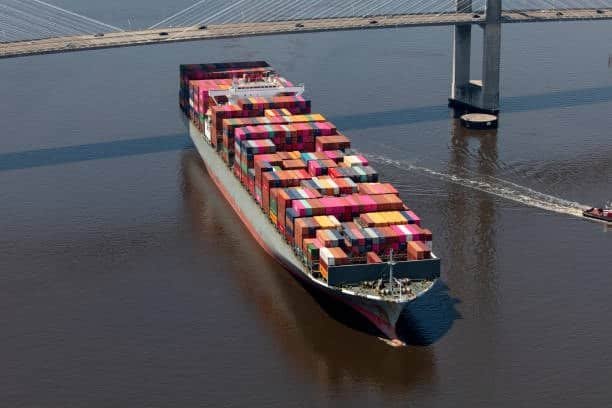
Effective drayage management is a challenging task to execute successfully; that is why proper planning and implementation are needed:
Plan for Port Operations
Always take into consideration the possibility of delays when making drayage moves. Ports are dynamic environments where the weather, labour problems, breakdowns of equipment, and congestion can create unforeseen delays. Allow buffer time in your timetables and prepare contingency plans.
Choose Reliable Partners
Employ drayage companies with a solid track record, modern equipment, and a positive reputation. Locate carriers that offer technological solutions like real-time tracking and connections with port terminals and other important intermodal unit stakeholders.
Leverage Technology Solutions
Go with service providers and carriers that consist of strong technology platforms. Visibility and the administrative load of drayage operations can be greatly enhanced by real-time tracking, automated notifications, integration capabilities, etc rail hub.
Stay Informed About Industry Trends
Keep an eye on changes in the rules, new technologies, and trends in port activities. Being aware of trends like appointment systems, clean truck programs, and capacity limits can help you make better strategic decisions and avoid costly surprises when you are trucking freight.
Optimize Your Container Usage
Try to keep the amount of goods coming in and going out even, so you don’t have to pay a lot to move empty containers around by different modes of transportation. Think about using consolidation and different delivery schedules to make things run more smoothly and cut down on drayage costs.
Conclusion
The contribution that drayage makes to global supply networks is enormous, despite the fact that it can only travel small distances. The gap that exists between ocean transportation, rail transportation, and ultimate delivery is filled by this specialist transportation service, which is the most critical link in guaranteeing the smooth flow of bulk freight in international trade. It is the responsibility of drayage operations to ensure that commodities can be carried via intricate logistical networks, beginning with the moment a container ship arrives at a port and ending with the warehouse.
The importance of efficient drayage operations that are efficient will continue to grow as supply chains continue to become more dynamic and the volume of international trade continues to increase. These businesses will have stronger supply chains and will be better able to satisfy the requirements of their customers for drayage trucks if they have an understanding of drayage and invest in dependable service providers that are focused on technology in the same transportation hub.
You must always keep this fundamental fact in mind when it comes to logistics: the more streamlined the drayage, the more strong your supply chain is. Your ability to successfully manage your drayage operations will have a direct impact on your ability to remain competitive in today’s rapidly evolving global market. This is true regardless of whether you are bringing in raw materials to manufacture your products or shipping finished items to retailers.