
Have you ever wondered just how long it really takes your shipment out of the port and into the door–or the port into the door? You’re not alone. One of the most notable bains of international trade is non-reliable shipping times that may lead to inventory issues, bloated budgets, and deadlines that may cost companies thousands of dollars. The good news? The latest time transit calculators are transforming the way businesses are optimizing their shipping transit time and designing their logistics, and giving real-time information that is always faster than the old shipping tables.
What Is Freight Transit Time & Why It Matters
Freight transit time is the real time required by your cargo to move between the origin port and the destination port- in other words, the port-to-port time. This is not pick up, clearance, or final delivery, but it forms the basis of your whole shipping schedule, which is crucial for determining transit times.
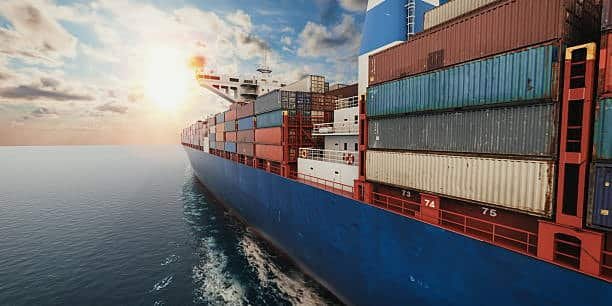
Why does this matter so much? Since proper knowledge of transit time assists the business in planning inventory levels, budget allocation, and customer expectations that are realistic. When you realize that it takes 18-22 days for the shipment transit time to ship a shipment between Shanghai and Los Angeles, using ocean transportation, then you can prepare and not be caught up in delays.
Overview of a Transit Time Calculator

A real-time freight transit time estimator operates by giving its users options to enter their origin port, destination port, and mode of shipment in the shipping process they want (sea, air, or truck) to use. In a few seconds, the tool shows the current estimates on the basis of live shipping data in contrast to the historical averages, which are always fixed and are essential for effective logistics planning.
The key benefits include:
- Accuracy: Up-to-date information on the port conditions and carrier schedules.
- Speed: Obtain estimates within seconds rather than making several phone calls to freight forwarders.
- Power to decide: Instantly compare routes and modes.
Transit Time Ranges & Real-World Examples

Knowing how long the shipping mode should take can be a way to establish realistic expectations:
Express shipping: 1-3 days worldwide. Air freight, which is often referred to as express freight time, takes 5-10 days to the majority of international destinations.
Shipping: 20-45 days based on distance and routing.
Let’s look at real examples:
Shenzhen to Miami through the Panama Canal: It usually takes 35-38 days. Shenzhen to Miami through the Suez Canal: It normally takes 41-45 days.
Shanghai to Los Angeles: Norm 18-22 days, with specific delivery dates; Hamburg to New York: Norm 12-16 days.
Of critical importance here is the port-to-port vs door-to-door difference. Port-to-port may take 35 days, but door-to-door service will include pickup (1-2 days), customs clearance (2-5 days), and final delivery to the final destination (1-3 days), so the total will be 40-45 days.
Key Factors That Influence Transit Times

Several variables can dramatically impact your shipping timeline:
The most important one is mode of transport– air freight is 5-7 times faster than ocean, but more expensive per kilogram.
Distance is important, and routing is important. Direct routes are quicker; however, indirect routing through large hub ports is sometimes more reliable in terms of vessel frequency, and general dependability factors affect transit time.
Port congestion will give you days or even weeks on your schedule. The ports of Los Angeles and Long Beach, to mention a few, had large delays during the high seasons, which can lead to extreme delays in shipping schedules.

Depending on the country and type of cargo, customs processes are different. There are goods that need extra checks that may prolong the transport durations.
Ocean freight is more affected by weather conditions and seasonal factors compared to air. Delays may be a result of typhoon season in Asia or winter storms along the North Atlantic, heavily influenced by sea and weather conditions ocean freight transit times.
Such single events as the Ever Given Canal blockage in 2021 proved how geopolitics impacts not only global shipping and international shipments but also the whole world’s international freight.
Transit Time vs Lead Time: Understanding the Difference
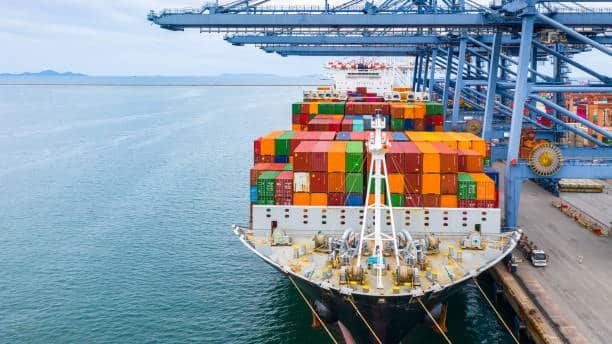
Supply chain planning is seriously distinct:
Transit time = only shipping between ports, and port Lead time = all the time spent booking confirmation, picking up cargo, documentation, clearing of customs, and final delivery.
Using the example of the ocean transit time of 25 days, your total lead time will be 35-40 days with the addition of the booking lead time (3-5 days), which can be better understood with transit time estimates, pickup and port processing (2-3 days), and destination customs and delivery (5-7 days).
Costly surprises can be prevented by smart managers of logistics planning around lead time, and not around transit time.
How to Use a Transit Time Calculator Effectively
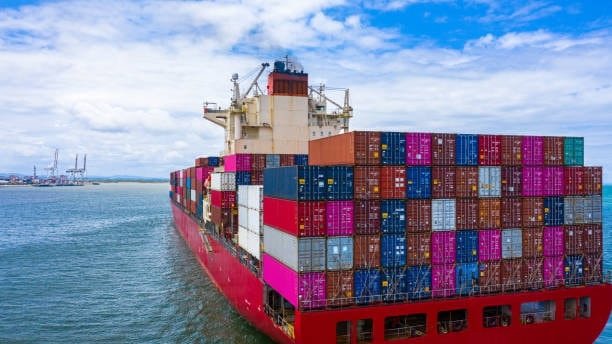
To achieve maximum out of your port-to-port transit time guide it is advised to do the following sea freight transit times:
- Enter correct destinations and origins: Enter the real code of ports (CNSHA Shanghai, USLAX Los Angeles) instead of the name of the city.
- Choose the suitable shipping means: Compare the sea freight with the air freight to compare costs and speed, port shipping transit time.
- Check the approximated ranges: The majority of calculators indicate the minimum and maximum estimates- make plans according to the longer period of time.
- Add more time: Add pickup time, customs, and delivery time to obtain real total timelines.
Insider tips for better results in an integrated supply chain :
- When available, use major logistics hub ports to achieve a superior vessel frequency.
- Calculate the results on the calculator and actual current customs processing at your destination.
- It is always best to weigh different shipping modes and determine the best cost versus speed fit to your needs.
Pro Tips to Optimize Your Freight Transit Times

Compare modes wisely: Compare air, sea, and express side-by-side using calculators. At other times, a rapid transit which costs 20 percent more to move will cost less because of lower inventory carrying costs.
Book in time: It is best to avoid the Chinese New Year, Golden Week, and high seasons of the year. Ships are fuller, and time losses are more frequent.
Use FCL instead of LCL where volume permits: Full Container Load activities are usually faster, compared to Less than Container Load, as they do not need to spend time on consolidation sea freight shipping.
Optimize packaging: Smart packaging minimizes the processing time of consolidations and enhances the process at the country of origin and destination.
Establish a relationship with solid carriers: Reliable service level is more important than low prices in instances where transit time reliability is the point of concern for all your carriers.
Why a Calculator Beats Manual Methods
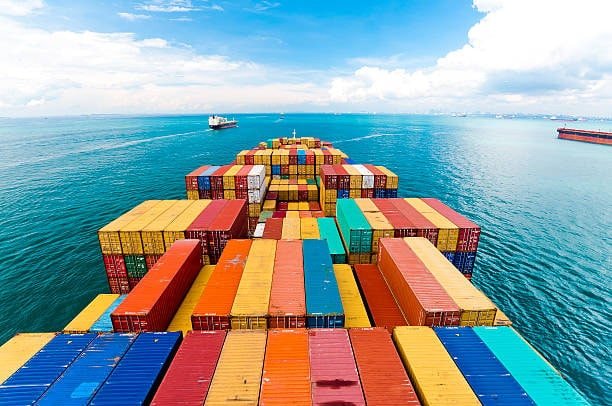
The old ways of using freight forwarders on call or referencing the static rate sheets are just not in competition with the new real-time freight transit time estimators:
Real-time replies: Receive estimates within a few seconds instead of hourly quotes. Data-based accuracy: Based on current vessel positions and port conditions as opposed to outdated averages.
Accessible and accessible: 24/7 to businesses of any size, including small business ventures and large corporations. Supply chain visibility: Timely visibility allows for maximizing inventory and cash flow.
The disparity is comparable to GPS navigation and asking someone directions–you have superior information in a shorter amount of time.
Conclusion & Next Steps
The introduction of transit time calculators has become a highly important tool in supply chain management in modern business environments, enabling business enterprises to prevent overruns in budgets and elaborate delays due to inadequate planning. These tools help to make smarter decisions regarding shipping goods by offering data-driven estimates in real-time, to ensure the continuity of operations.
Are you ready to optimize your next shipment? Give a transit time calculator to your next orders, and you will see the difference that proper planning makes. It is important to remember, the smarter the planning, the smoother the logistics–and in the current competitive environment, that capacity to adjust operations is advantageous enough to match customer expectations or get left behind in the competition.