
Introduction / Why This Matters
There has never been a busier commercial corridor between the United States and Australia. The volume of trade between these two Pacific giants has been increased to over 50 billion yearly, and this has been fueled by the exploding e-commerce, reliable manufacturing alliances, and American consumerism. It is the importation of electronics and machinery, fashion and food products that Australian businesses are importing while U.S. exporters are finding profitable opportunities in the Australian market, particularly in australia shipping sectors .
But to most shippers, be it an old hand or you are making your first international sale, it is still difficult to negotiate the intricacies of international shipping and trans-Pacific freight, especially when it comes to freight shipping . Margins and customer satisfaction can be made or broken by distance, shipping costs cost volatility, customs regulations and selection of the appropriate shipping mode.
This is a guide to end the confusion. You will find out the true cost drivers that affect your bottom line, get the realities of transit time with the various shipping modes, get to know what most seasoned freight forwarders have kept secret and get practical techniques of cutting your costs during the customs process without costly errors. This article provides the information you need to make the right decisions and streamline your U.S.-to-Australia shipping processes (whether you ship a single pallet or regular container loads), especially when considering shipping to australia .
Key Cost Factors When Shipping U.S. → Australia
Goods Type & Classification (HS Codes, Restrictions)
The Harmonized System (HS) code of your product would determine the duties, taxes to be paid, and whether or not your goods would be imported. Australia has stringent biosecurity legislation–wooden packaging, foodstuffs, plants, and materials of animal origin are highly examined or banned. Wrong classification of goods may cause customs detainment, fines or rejection of shipments. You should always make sure to check your six-digit HS code, and ensure that you check the requirements of the Department of Agriculture, Fisheries and Forestry of Australia and customs officials before shipping.
Weight, Volume, and Dimensional Weight
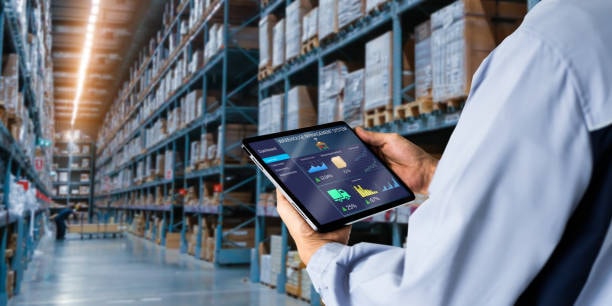
The freight carriers will charge either actual weight or volumetric weight which is greater. Volumetric weight (also known as dimensional weight) is determined by length x width x height (in centimeters) divided by a dimensional factor (usually 5000 in the case of air, 6000 in the case of sea). Bulky objects that are light in weight- furniture, pillows, inflatable products- are usually charged at prices that are surprisingly high due to their large volume relative to their own weight. Efficient shipping boxes have direct effects on your freight shipping bill.

Origin & Destination Locations
International freight infrastructure is not equally available in all cities in the U.S. L.A. or Long Beach shipping is usually cheaper than inland shipping such as Denver or Dallas since the drayage to the port is shorter. In a similar way, packing to the popular destinations such as major cities in Australia like Sydney, Melbourne, Brisbane is cheaper at the expense of the regional which would need extra domestic transportation, especially when shipping from the us . Include pick up fees at the origin and delivery charges, as well as shipping rates, at the destination in the calculation of total landed cost.
Mode of Transport
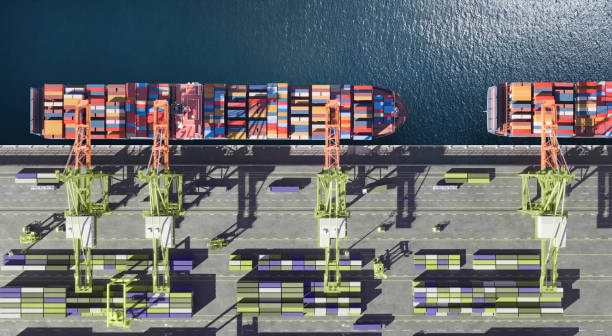
The decision to use ocean freight (FCL or LCL), air and sea shipments, or express courier has far reaching consequences on cost and speed in the context of international shipping . Ocean shipping is the cheapest when large quantities are involved but is time consuming. Airfreight is much more expensive, but it also takes shorter. Express services enjoy door to door convenience at high prices, which is often not the cheapest way to ship . The right option would be based on your size, urgency, delivery times, and budget.
Seasonality & Demand Fluctuations
Freight rates aren’t static. Capacity constraints and rate hikes of 20-40 are experienced during peak seasons, which are usually in August through October when retailers stock up to shop during holidays. The Asian transshipment lanes (U.S.-Australia) are impacted by Chinese New Year (January-February). On the other hand, shipping in shoulder seasons (March-May, November) is usually better priced and space is usually available. Unpredictable rate swings are also caused by global events, the volatility of fuel prices and the congestion at ports.
Customs, Duties, and Surcharges

Australian customs levies the duty depending on the classification of the product, with most of the goods having a duty rate between 0 to 10 percent. Imports with a price higher than AUD 1,000 will be taxed with the Goods and Services Tax (GST) of 10% for both two countries . In addition to base business, additional fees will be charged: custom clearance, customs fees biosecurity inspections, and quarantine treatment in case it is necessary, leading to rising shipping prices that affect customers and payment of brokers. These expenses may contribute to your landed cost by 15-25 percent.
Additional Handling, Packaging, Insurance, and Fees
Details are the home of the devil. Final costs are inflated by documentation fees, terminal handling fees, container demurrage (penalties on failed delivery of containers), warehouse storage, palletization, shrink-wrapping and cargo insurance. The price of insurance is usually 0.3-1.5 percent of the cargo worth but covers against damages or loss. Enhanced packaging eliminates damage based rejections and claims. Allow the following incidental costs, which you have to budget over and above quoted freight rates:
Shipping Modes Explained & Cost Comparisons
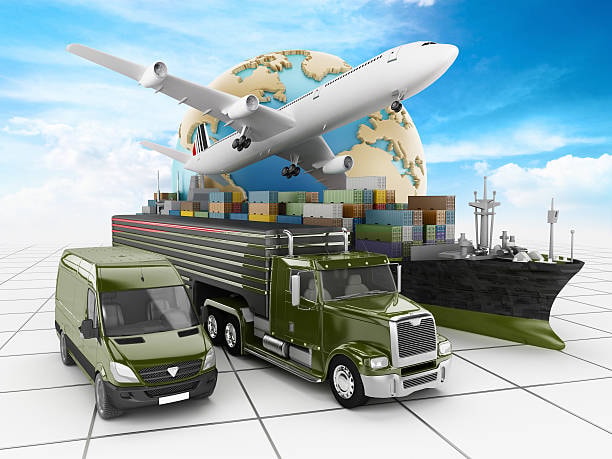
Ocean Freight
FCL(Full Container Load): You are booking a full container 20-foot (TEU) or 40-foot (FEU) and the container is full of your cargo alone. The size of a 20-foot container is about 10 standard pallets or 33 cubic meters; the 40-foot containers are twice as much. FCL provides economical services when shipping large goods, minimized handling risk, and expedited time in clearance, especially if using the right shipping boxes . The prices are between 20-foot containers are usually between $2,500- 5,000 between U.S. West Coast ports and major cities in Australia, although prices vary significantly. Select FCL when your shipment occupies more than 70 percent of a container, particularly when considering shipping from the us.
LCL (Less-than-Container Load): The LCL is the service whereby your cargo is sharing space with other shippers and you are only charged per cubic meters occupied. LCL is used to make small shipments (1-10 cubic meters) in which FCL will be inefficient. Nevertheless, consolidation and deconsolidation introduces handling time and expenses of about 100- 200 per cubic meter such that LCL is costlier in terms of volume per unit compared to FCL. Project 2-5 days additional transit time because of consolidation delays.
When Ocean Becomes Cheaper Than Air: The break-even point will usually be between 300-500 kilograms. Above this point ocean LCL can be less expensive than air freight even though it takes a longer journey. Shipments of 3-4 cubic meters and above are cost-effectively shipped by ocean freight, which is at times 70-80 percent of the price of air, making it one of the cheapest shipping options available .
Air Freight
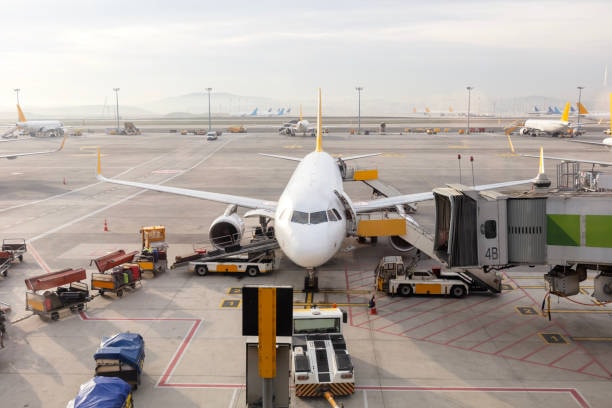
Standard Air vs Express/Courier: Standard air freight is handled via cargo terminals, and will need independent arrangements of clearance with custom. Prices are around $4-8 a kilogram between the major U.S. airports (LAX, SFO, JFK), and Australian gateways (Sydney, Melbourne). Transit time: 5-10 days with the customs clearance. The express courier (DHL, FedEx, UPS) is available with quicker customs and door to door with a cost of $8-15 per kilogram and takes 3-7 days.
When Air Makes Sense vs Sea: Select air transportation when you need the shipment to arrive quickly, the shipment is of high value and will be the most sophisticated, the shipment is perishable and you need to retrieve it within short shelf life or the shipment is related to a new line and you need to obtain replacement parts at any cost, especially when considering fob incoterm . The premium of speed warrants increased expenses where time lost (i.e. sales lost, contract penalties, inventory stockout) would be more expensive than the freight differential australian government.
Express & Courier Options

In the case of Small Shipments: DHL, UPS, FedEx, and TNT are the leaders in the express shipping with less than 100 kilograms, including personal effects . They provide visibility in the tracking, door to door services, ease in the custom handling, and reliability, which can vary by country . Prices increase with the weight and time-sensitivity–economy services can be approximately 8-12 dollars per kilogram and the delivery time is 5-7days, whereas priority services cost exactly 15-20 dollars per kilogram and the delivery time can be 2-4days tracking number.
Use Cases vs Limitations: Express services are ideal in documents, samples, small packages, and emergency deliveries when you want to expand internationally. Nevertheless, they penalize the dimensional weight of large objects, censor dangerous substances and they are prohibitively expensive at 200-300 kilograms. In case of bulk shipments, the traditional air or oceanic shipment is more economical western Australia.
Regular Post / Mail
When This Is Viable: Small parcels of less than 2 kilograms are cost-effective when used by national postal services (USPS in the U.S. and Australia Post). Priority Mail International of the USPS range of costs depend on small packages (6-10 days) in a range of 50-80 dollars to Australia. This is applicable to documents, samples, low-value items or non-urgent shipments where cost is more important than the speed.
Disadvantages: Little tracking, slower transit (usually 10-20 days), increased loss rates, reduced insurance and uneven customs clearance. The shipments of AUD 1000 and above of postal requests still involve filling of a formal customs declaration and payment of GST sea shipping. Unsuitable when there is a need to have reliable or accountability in commercial shipments, which is crucial for businesses free trade agreement.
Hybrid or Multimodal
Example: Air + Last-Mile Trucking: There are forwarders who provide hybrid options, ocean transportation to a large Australian port, and airfreight or express truck transport to local destinations. This will trade off between cost and speed in particular situations. Another example: air freight to Sydney, then by road to Adelaide or Perth, which is cheaper than direct air freight to the smaller airports whilst still being faster than pure ocean transportation.
Transit Times & Delays: What to Expect
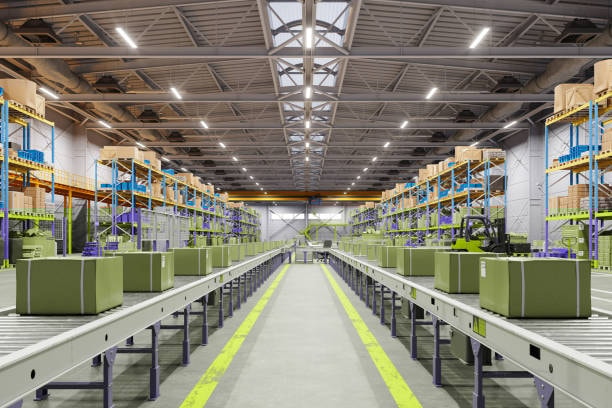
Typical Transit Times by Mode
US West Coast (Los Angeles, Long Beach, Oakland) to Sydney or Melbourne 14-21 port-to-port. This is further extended to 28-35 days in East Coast departures (New York, Savannah) around 7 days to complete the route through Panama Canal or Pacific transits. Add 3-7 days to pick up the origin, consolidation and final delivery affordable shipping.
Air freight takes 5-10 days to have a door-to-door service on a regular basis, but express courier reduces it to 3-7 days. These schedules are however based on a smooth flow of things-customs holds, documentation delays or capacity issues may introduce unexpected delays.
Where Delays Often Occur
The first potential bottleneck is the consolidation warehouses, particularly when there is the LCL shipments awaiting enough cargo to load the containers. Congestion in ports of the U.S.– especially at Los Angeles/Long Beach during peak seasons has resulted in 5-10 day delays in the past years. Transit in the ocean itself does not change much, except when the vessels rerout as a result of weather international shipment.
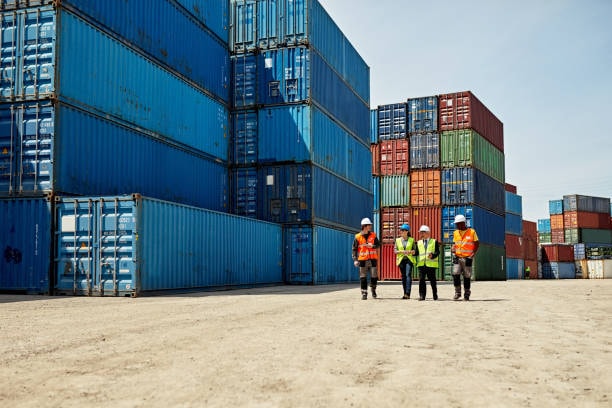
There is an increased rates of customs Inspection in Australia whereby biosecurity checks are increasing the time taken in qualifying products by 1-3 days. Delays in documentation can cause delays in records. An extra 2-5 days can be added to the arrival in major cities to the final mile delivery to regional Australia.
Real-World Variables
Routes may need to be changed by typhoon season (July-November) in the Pacific. Occasionally labor conflicts at ports stop activities. The pandemic situation showed that global shortages of containers to a great extent stunned supply chains due to unusual events. The move to bigger ships, and larger-alliance shipping schedules implies fewer departures but fuller vessels, having a negative effect on flexibility us to australia.
Examples or Case Studies
An electronics distributor in California which was shipping 800 kilograms to Brisbane originally quoted 16-18 days ocean transit. Delays at the origin in the high season of September increased by four days. Additional three days were provided by customs biosecurity inspection of wooden pallets (some fumigation certificates were necessary, but they were not complete). Overall door to door time for the entire shipping journey : 27 days as compared to the anticipated 20. Lesson: expect to spend 25-30% more time in transit during the peak hours from the usa and check all the requirements of documentation in advance.
Conclusion
To be able to successfully engage in overseas shipping of freight between the USA and Australia, it is necessary to pay close attention to the cost factors, including HS codes and dimensional weight calculation, as well as seasonal rates and customs needs. Whether you use ocean FCL, LCL, air freight, or express services has a direct impact on your budget, delivery schedule, and the satisfaction of your customers. Being aware of such traps as underestimated responsibilities, or fees and the inability of packaging to work well safeguard the bottom line shipping process.
Fast Checklist: Check Hs codes and Australian import quotas; ask all-inclusive quotes of various forwarders; use optimal packaging to increase space; add the price of custom and GST 10% to landed costs; use ISPM 15 certified wood pack; book 2-4 weeks in advance in high seasons; maintain all-round documentation (commercial invoice, packing list, bill of lading); select suitable Incoterms; create a buffer size 25-30% on transit estimates; and use experienced forwarders when dealing with complex or routine shipments. Obtain several competitive quotes and think about doing a small trial delivery initially and ensure that all the documentation requirements are met based on the type of product before making a large commitment.