

Thousands of businesses and people can attest to the same frustrating truth every year: The shipping costs in the USA to New Zealand for business shipments can suck hundreds and at times thousands of dollars out of your budget. in case you make the wrong choice of the carrier. One wrong word in choosing what to use to ship your product, failing to understand your customs, or simply forgetting about dimension weight can turn what was meant to be a simple international shipping issue over to a nightmare of poor time management, surprise markups and unhappy customers.
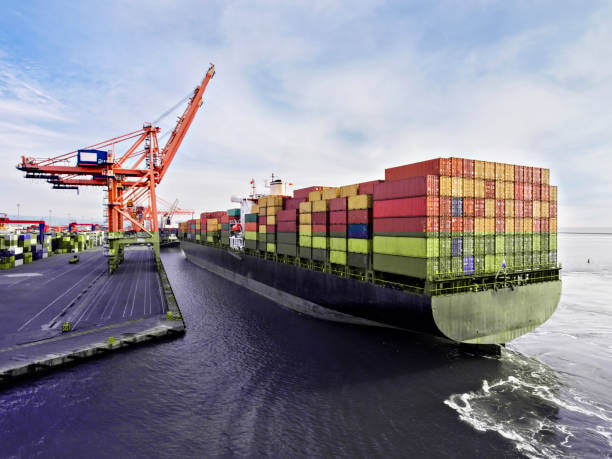
The difficulties are very real and serious. New Zealand lies about 6,500 miles away along the West Coast of America, which is why it is one of the further shipping destinations of American exporters and e-commerce sellers with diverse shipping needs . This distance is directly converted to increased fuel surcharges, extended transit time of between 6-15 business days on average in regular services and complicated customs clearance processes which may add days or weeks to delivery schedules due to new zealand’s customs regulations . Duty, GST and stringent biosecurity regulations also make shipping a complicated affair and surprise unsuspecting shippers with high prices and paper work demands.
However, the good news is that, given the appropriate knowledge and planning, you can save a lot of money on shipping options and find a cost effective solution while enjoying stable delivery times. and prevent the hassle of customs. This all-encompassing guide will take you through all that you must master the USA to New Zealand shipping in 2025, including how to effectively use a shipping calculator . You will find out what carriers provide the best deals on various types of packages, the inside tricks on how to save money, possibly 40 percent and then be equipped with the resources to plan your way through the customs regulations in New Zealand.
What You’ll Learn in This Guide

Now, in the anticipation of going deep, we would like to give you a preview of some of the valuable information and service offers you will get:
- Compare 8 major carriers and services to real world price and transit time benchmarks.
- Check the prices of small packages, medium packages and big packages of parcels so that you see how much you are going to pay.
- Learn how to save money besides the selection of carriers, which may include consolidation strategies as well as optimization of the packages.
- Get to know Master New Zealand customs requirements to avoid unnecessary delays that may cost a lot of money.
- Access decision models that will assist you to decide on cost, speed and reliability depending on your needs.
- Learn to avoid the most widespread and costly pitfalls that behead new and seasoned international shippers.
Budget-Friendly Shipping Services: Your Most Affordable Options

If you are more concerned about the cost, a few airlines and companies provide competitive rates and deliver to New Zealand without emptying your wallet, making them contenders for the cheapest shipping options . This is a closer comparison of the new zealand cost and most affordable ones in 2025.

USPS Priority Mail International is still among the most popular inexpensive options to use when it comes to small to medium shipments. On a 2-pound package, you will spend between 45-65 dollars, delivery will take 6-10 working days. Basic tracking is included and up to $200 insurance making it appropriate on lower-value items. It is largely acceptable and has a reasonable degree of reliability as the primary plus, especially when using sturdy boxes but the updates may become less frequent when the packages are off the US soil. The service is more convenient to use with parcels below 20 pounds when detailed tracking is not necessary.
USPS First-Class Package International Service is the best way to have extremely low rates when it comes to lightweight packages, which are less than 4 pounds. A 1-pound package can also only cost as little as $25-35, but the shipping times can reach up to 11-20 business days and the tracking is limited. It is a reasonable choice in the case of low-value products and agricultural items for personal use when the very strict customs restrictions and specific requirements speed of delivery is not a matter of concern. and customers are aware of the long delivery time. But, note that the maximum time of the custom is capable of extending the overall delivery to over three weeks.
DHL eCommerce offers an affordable rate on e-commerce sellers, especially those with volumes of 50 or more packages each month. A 5 pound package has a normal cost of between 35-55 and is delivered within 7-14 working days. The service has enhanced tracking compared to the normal USPS international mail and it can be well integrated with e-commerce systems. DHL eCommerce is best suited to online retailers who would like to balance affordability and customer experience without the cost of a premium carrier.
UPS Worldwide Saver takes between 1-3 business days to deliver but at much higher rates- range between 120-180 dollars to deliver a 5 pound package. It is not the cheapest, but worth mentioning as the least expensive when you are in a hurry as it can save you a significant amount of money compared with similar services provided by FedEx and provides similar delivery times.
Freight forwarders and consolidation services have the potential to significantly lower the amount per package costs through an efficient customs clearance process, which is crucial in the overall shipping process . to businesses that ship more than one item or shipments. These services consolidate several deliveries into container loads, and later deliver them when the goods arrive in New Zealand. Freight forwarding may save 30-50 percent of regular parcel carriers in the case of shipments greater than 150 pounds. The usual transit time is between 15-30 days based on the leave of sail and the clearance of the customs and it is an excellent option when bulk shipments are non-urgent.

Regional carriers and logistics platforms such as Sendle and Easyship combine the shipping rates of several carriers and tend to receive a lower commercial price than small shippers can negotiate independently. A 10 pound package may cost between discounted rates of $55-75 using these platforms compared to $80-95 when shipping with big carriers. These sites also offer a comparison tool which automatically displays the least cost available on your individual package size and destination.
To have a veritable cost comparison, we shall take a 3-pound package with the size of 12x10x8 inches with a destination of Auckland:
- Priority Mail International at the USPS: $52-62.
- DHL eCommerce: $48-58
- UPS Worldwide Expedited: $95-115
- FedEx International Economy: 105-125.
The difference in prices is even higher when it comes to heavier packages, especially if they include prohibited items . This would cost around: a 15 pound shipment in 16x12x10 inch box.

- USPS Priority Mail International: 140-170.
- Freight forwarding (including consolidation): $85-120.
- UPS Worldwide Expedited: $210-260
- FedEx International Economy: $230-280
Frequently Asked Questions
What is the cheapest shipping method from USA to New Zealand?
The USPS First-Class Package International Service is the cheapest service of packages that are less than 4 pounds, usually 25-35 to ship 1-pound but it takes 11-20 business days with minimal tracking. USPS Priority Mail International (48-170 based on weight) and DHL eCommerce (45-120) deliver the best shipping option for value, with fair prices and tolerable delivery times and tracking, to packages over 4 pounds. Shipments of over 150 pounds can be shipped with freight forwarding and consolidation services at 30-50 percent the cost of parcel carriers, but at 15-30 day transit times.
How long does shipping from USA to New Zealand typically take?
There are wide variations in delivery time depending on service level. Economic alternatives such as USPS Priority Mail International and DHL eCommerce have a delivery time of 7-14 business days and may take up to 10-18 days to clear the customs. FedEx, UPS and DHL express services take 1-5 business days and have faster processing of customs. USPS First-Class International is considered to be a budget service that will require 11-20 business days. Bulk shipments normally take 15-30 days to be forwarded by a freight company based on the sailing schedules and customs. Customers It should be remembered that 2-5 business days buffer should always be added to the expectations of customers due to possible delays in shipping caused by customs.
What items are prohibited when shipping to New Zealand?
New Zealand outlaws honey and bee products, biological specimens and cultures, non-permitted plants and seeds, weapons and realistic imitations and any materials that are offensive or obscene. Most agricultural products, soil or items contaminated with soil, and wooden articles which have not been treated are heavily restricted items on the list and need special permits, as well as, most food products (especially meat, dairy, fruits, vegetables), products containing controlled substances, and medications. Regulations of New Zealand biosecurity are some of the most stringent in the world- at least when you are not sure, visit the New Zealand Ministry for Primary industries and see what they say. Seizure may be directed at even hiking boots that have mud residue.
How can I avoid customs delays when shipping to New Zealand?
Prevent customs from having by ensuring that total, accurate documentation is made with each shipment. Make use of precise descriptions of the items (not general words such as electronics or clothing) and provide appropriate HS codes to each product, declare the true values given to each product in comparison to the price of the actual transaction and state the country of origin of every product. Filled in all fields on customs form- empty fields attract attention. On products that have been in contact with soil, plants or agricultural settings, it should be washed thoroughly before shipping, and it must be indicated on the records as clean. Look at having the carriers with pre-clearance, which keep the custom documentation in place ahead of the package delivery. Should respond promptly to any customs information requests because any delay in responding lengthens hold periods to a large degree.
What is dimensional weight and how does it affect my shipping costs?
Dimensional weight (dim weight) is a pricing technique whereby packages are charged depending on their size, and not on their weight in an event where the package is big yet lightweight. Carriers multiply length x width x height (in inches) and divide by 139 in international shipments. In case of the dimensional weight being greater than the actual weight, you pay the greater figure. To say the least, a 5 pound pillow that is wrapped in box with dimensions of 20 x 20 x 12 will have dimensional weight of 34 pounds (20/139=20/20/12=34.5) and thus its price will be 34 pounds. Reduce dimensional weight through the use of properly sized boxes, compression packaging of soft goods, and through the removal of any unnecessary void fill.
Do I need to pay New Zealand customs duties and GST?
New Zealand levies a sales tax of 15 percent GST (Goods and Services Tax) on almost all imported goods; the tax is imposed on goods before their delivery or by simple measures upon importation. The rates of the import duty depend on the classification of the product (HS code), and most consumer goods are taxed at 0%. The rates of clothing and some specialized goods are 10-15% shipping methods. Valuable less than NZD 1,000.00 The shipment with lower values that are less than NZD 1,000.00 are subjected to the simplified collection procedures as compared to shipments with higher values which are subjected to the formal custom entry procedures shipping price shipping address. These charges are usually paid by the recipient unless you can setup delivered duty paid (DDP) shipping whereby you pay all duties and taxes in advance united states postal service. These costs must be factored into pricing strategies because they have a huge contribution to the total landed cost and zealand customs regulations.
Should I use delivered duty paid (DDP) or delivered at place (DAP) shipping?
With DDP shipping, all of your duties, taxes, and customs fees are included in your initial charge so that the recipient will not have to pay extra once delivered. DAP shipping involves payment of custom charges by the recipient prior to help in receiving the package customs forms. DDP provides improved customer satisfaction, removes any surprise charges and accelerates custom clearance, at the cost of you having to calculate and collect duty/tax in advance, which introduces some administrative complexity shipping timeline. In the case of B2C e-commerce, DDP is increasingly becoming the normative customer expectation and lowers the rate of package abandonment. DAP is still widespread in B2B deliveries since business customers are generally prepared and able to cover the cost of customs. Much of what you choose is about your customer base and operational capabilities.
What happens if my package gets stuck in New Zealand customs?
Customs are created where documentation is not fully completed, item descriptions require clarification, biosecurity issues or when packages are chosen to be randomly inspected. The recipient is usually informed to provide more information or explanation. Respond with documents asked for now–delays add to hold times. Small paperwork problems can get sorted out within 24-48 hours and biosecurity checks can take 5-10 businesses days. Packages not in accordance with import regulations are seized and destroyed without a refund and new zealand address. Prevent has in place correct and full documentation and knowledge of prohibited/restricted items. When your package is held longer than necessary even with proper documentation, it is best to reach out to the carrier with customs support services to help resolve the issue with the clearance process.